
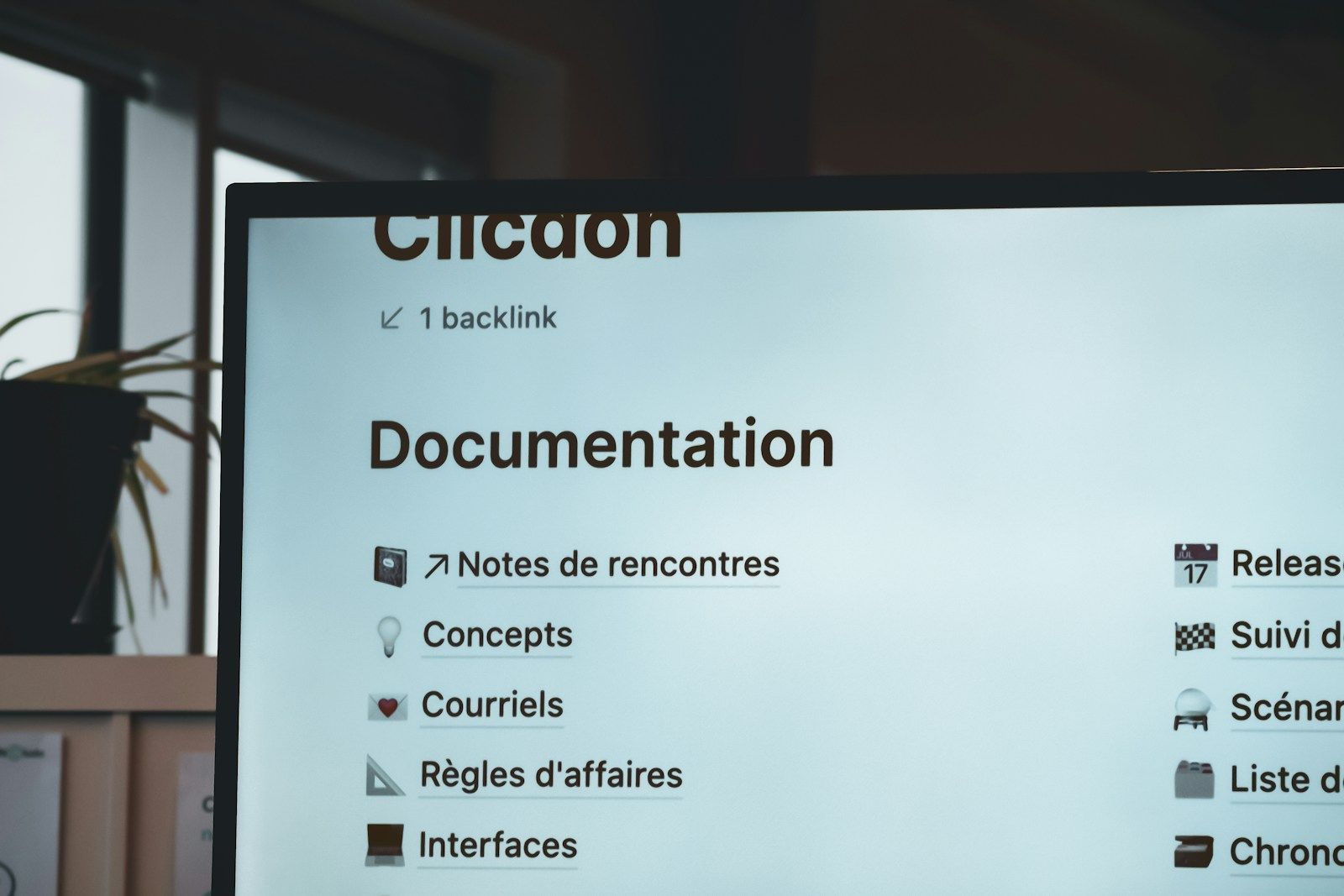
Photo by Compagnons on Unsplash by Compagnons Unsplash License
Privacy on Set: Apartments, Offices, License Plates, Screens and Guests
A practical workflow for hosts and productions to protect personal data, private rooms, screens, license plates and guests before filming.
Privacy on set is not only a concern for large offices or sensitive documentary shoots. Whenever production films in an apartment, office, shop, practice, hotel or residential building, personal data, private objects, screens, license plates, guests or employees can accidentally appear in frame.
This article is not legal advice. It turns practical privacy caution into a workflow for hosts and productions. The European Commission explains that personal data can identify a living individual directly or indirectly; on location, the practical work is preparation, clear no-go areas and documented approvals.
This matters especially when filming in an apartment as a film location, an office as a film location or when the film location agreement needs to define sensitive rooms, props and usage limits.
What becomes personal data on set
Personal data is not only a name in a file. On location, faces, employee badges, family photos, calendars, mail, parcel labels, customer lists, patient records, chat windows, email subject lines, license plates, door signs, Wi-Fi names and screen interfaces can all create privacy risk.
A useful rule for hosts and productions: if a real person can be recognized, linked or indirectly identified, check it before the shoot. That also applies when the information is only in the background and nobody intends to feature it.
Apartments: family photos, mail and private rooms
In apartments, privacy and personal space are tightly connected. Family pictures, children’s rooms, school documents, medication, calendars, letters, invoices, religious objects, holiday photos, key trays, neighbor notices and smart-home displays may reveal more than the shot needs.
Before the shoot, the host should decide which rooms are open, limited or completely off limits. No-go rooms are not used “just for a minute.” They belong in the location brief, are marked during the walkthrough and stay closed for breaks, wardrobe, makeup and gear storage too.
Offices: screens, whiteboards, documents and employees
Offices often feel more controlled than apartments, but they contain more data. Open monitors, whiteboards, Kanban boards, meeting rooms, printer trays, desks, visitor badges, client names, internal processes and employees in the background can expose sensitive information.
Good preparation separates the shooting area from the working area. Screens are turned off or loaded with dummy content, documents leave the set, whiteboards are cleaned, access cards are removed and employee areas are separated clearly from the production footprint.
License plates, guests, customers and passersby
License plates, guests, customers, patients, hotel guests and neighbors are often underestimated. They are not automatically harmless background just because they are not part of the scene. In controlled interiors, production should prevent uninvolved people or vehicles from entering frame at all.
For outdoor or semi-public areas, routes need to be clear: who may pass through set, which doors stay open, where customers or employees wait, which parking spaces are blocked, and whether plates need covering, vehicles need moving or camera angles need tightening.
Release forms are not a cure-all
A release form can matter, but it does not replace proper set preparation. It does not solve accidentally visible client data, private paperwork or non-cleared employees in the background. Approvals should match the motif, use, time period and people involved.
For sensitive shoots, production should get legal review early for consent, notice and contractual obligations. The practical location task remains the same: make as little personal information visible as possible and remove everything unnecessary before the camera rolls.
Anonymize, cover or replace
The simplest fix is often not in post, but before shooting. Real documents become neutral props. Screens show dummy interfaces. Whiteboards are rewritten. Nameplates, mail, badges and personal photos leave the image area.
Tape can work, but it often looks improvised. A better plan is set dressing: what must be removed, what will be replaced, what may stay visible, and who checks the space just before the first take? That approval should not wait until camera and client are already waiting.
The privacy walkthrough before the shoot
A privacy walkthrough is a short, concrete check with host, production and ideally the production manager or assistant director. Together they review camera angles, side rooms, reflections, windows, monitors, desks, hallways, parking, entrances, bathrooms, holding rooms and guest areas.
The walkthrough should create clear markings: open, ask first, off limits. It should also define who can decide on shoot day. If a different room suddenly looks attractive, someone responsible has to review and approve it. Without approval, the room stays closed.
What belongs in the location brief and agreement
The location brief should name privacy-sensitive areas clearly: no-go rooms, private objects, documents to remove, screen rules, employee areas, guest routes, license plates, photo restrictions, social media rules and the contact person for questions.
The agreement can additionally define which areas may be used, which content must not be shown, who is responsible for set dressing and reset, and whether specific approvals are required before publication or use. That is not a substitute for legal advice, but it prevents many practical misunderstandings.
How SetScout helps with privacy-sensitive locations
SetScout cannot add privacy discipline after a chaotic shoot has started. The value is earlier: hosts can mark sensitive areas, restrictions and no-go zones before the request, and productions can judge whether a location really fits their intended use.
Hosts should not treat privacy as a blocker. On SetScout for hosts, transparency becomes an advantage: clearer boundaries, fewer wrong-fit inquiries and a more professional shoot day for both sides.
Recommended articles
More posts you might be interested in
none by Jakub Zerdzicki All photos and videos on Pexels can be downloaded and used for free.
Tax rules for income from renting out a film location
How to report profits from renting out your location correctly for German tax purposes
Inventorying film equipment before a location shoot by OpenAI image generation for SetScout Original image generated for SetScout; no third-party source image used
Film Equipment Insurance: Documenting Owned and Rented Gear
A practical checklist for cameras, lighting, sound and rented film equipment: confirm inventory, values, transport, storage and claims procedures before the shoot.
Film insurance for a production at a prepared location by OpenAI image generation for SetScout Original image generated for SetScout; no third-party source image used
Film Insurance for Productions: Coverage, Costs and Location Risks
Which insurance modules a film production should review, which details affect the premium and how to include locations properly in the risk assessment.