
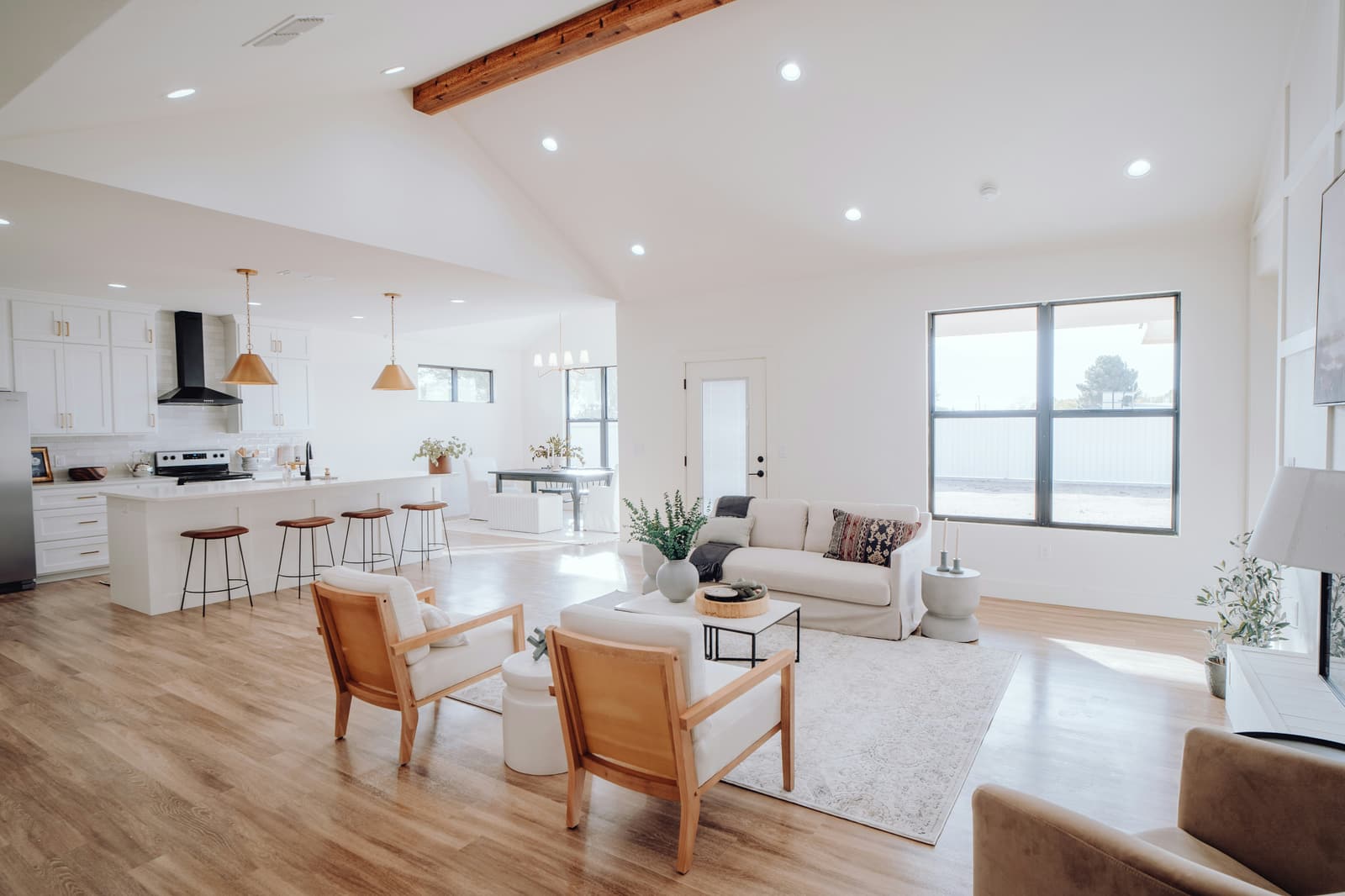
a living room filled with furniture and a kitchen von Bailey Alexander / Unsplash Unsplash License
Filmlocation vermieten: Checkliste für Eigentümer, Hausverwaltungen und Hotels
Zentrale Checkliste für Hosts: Eignung, Zustimmung, Inserat, Hausregeln, Anfrageprüfung, Versicherung und Übergabe einer Filmlocation.
Eine Filmlocation zu vermieten ist keine normale Raumvermietung. Du gibst einer Produktion zeitweise Zugriff auf Räume, Wege, Strom, Nachbarschaft, Inventar und oft auch auf die sichtbare Identität deines Hauses, Hotels, Büros oder Restaurants.
Die gute Nachricht: Viele Immobilien können funktionieren. Die harte Frage ist nicht, ob ein Raum schön aussieht, sondern ob er einen Drehtag organisatorisch, rechtlich und praktisch aushält.
Diese Checkliste ist keine Rechts-, Steuer- oder Versicherungsberatung. Sie hilft Eigentümern, Hausverwaltungen, Hotels und gewerblichen Betreibern, eine Location realistisch vorzubereiten und Anfragen besser zu prüfen.
Kurzfassung
- Eine gute Filmlocation ist nicht nur fotogen. Sie braucht Zugang, Parken, Strom, Toiletten, klare Regeln, Versicherung und einen realistischen Rückbau.
- Private, gewerbliche und halböffentliche Orte brauchen die Zustimmung der zuständigen oder berechtigten Stelle.
- Gute Fotos und ehrliche Angaben reduzieren falsche Anfragen stärker als ein langer Verkaufstext.
- Prüfe jede Anfrage nach Projektart, Datum, Crewgröße, Nutzung, Technik, Versicherung, Budget und Störung für Nachbarn oder Betrieb.
Für wen lohnt sich Filmlocation vermieten?
Filmlocation vermieten lohnt sich für Eigentümer und Betreiber, wenn die Immobilie visuell interessant ist und ein Dreh ohne unverhältnismäßige Störung möglich bleibt. Das gilt für Häuser, Wohnungen, Hotels, Restaurants, Büros, Praxen, Hallen, Höfe, Werkstätten und besondere Außenflächen.
Der Preis ist nicht der einzige Maßstab. Eine Anfrage kann gut bezahlt sein und trotzdem nicht passen, wenn Nachbarn, Datenschutz, Gäste, Waren, empfindliches Inventar oder Sicherheitsregeln nicht sauber geklärt sind.
Zustimmung: Wer darf die Location freigeben?
Die Berlin Brandenburg Film Commission schreibt für private Locations und private oder öffentliche Einrichtungen, dass Dreharbeiten immer die Genehmigung der zuständigen Stelle benötigen. Je nach Ort kann das Eigentümer, Genossenschaft, Verein, Stiftung, Stadt, Bezirk, Gemeinde, Landkreis oder Land sein (BBFC).
Für Hosts heißt das: Prüfe zuerst deine eigene Berechtigung. Bei Mietobjekten, Eigentümergemeinschaften, Hotels, Gewerbeflächen oder Gebäuden mit Verwaltung kann eine einzelne freundliche Zusage nicht reichen.
Eignungscheck: Kann die Location einen Dreh tragen?
- Zugang: Können Crew und Technik ankommen, laden und sich bewegen, ohne Fluchtwege oder Nachbarn zu blockieren?
- Räume: Welche Bereiche dürfen genutzt werden, welche bleiben privat oder gesperrt?
- Infrastruktur: Gibt es Strom, Wasser, Toiletten, WLAN, Handyempfang, Holding, Maske und Cateringfläche?
- Störung: Wer wird beeinträchtigt: Familie, Mieter, Eigentümergemeinschaft, Gäste, Mitarbeitende, Kunden oder Lieferanten?
- Schutzbedarf: Welche Böden, Möbel, Kunst, Pflanzen, Technik, Dokumente oder Markenflächen müssen geschützt werden?
Fotos: Was Produktionen wirklich sehen müssen
Die California Film Commission empfiehlt für Location-Einreichungen breite Aufnahmen aus mehreren Winkeln und klare Bilder von Innen- und Außenbereichen; besondere Merkmale sollten sichtbar sein, aber Personen oder gestellte Models nicht (California Film Commission).
Georgia's film office nennt als Orientierung 10 bis 20 gute Fotos mit Innen- und Außenansichten und weist darauf hin, dass Menschen, Haustiere oder störende Objekte nicht im Fokus stehen sollten (Georgia Film Office). Für SetScout gilt die gleiche Logik: Zeige, was eine Produktion planen muss.
Preis, Steuern und Versicherung früh klären
Lege nicht nur einen Wunschpreis fest. Kläre, was in der Motivmiete enthalten ist: Drehtag, Aufbau, Rückbau, Overtime, Reinigung, Strom, Personal, Security, Kaution, Nebenkosten und mögliche Nutzungsrechte.
Texas Film Commission beschreibt als Branchenstandard, vor Produktionsaktivitäten eine schriftliche Location-Vereinbarung über Daten, Preise und Nutzungsbedingungen abzuschließen (Texas Film Commission). In Deutschland sollten zusätzlich Umsatzsteuer, Rechnungsstellung und Versicherungsnachweis sauber geklärt werden.
Hausregeln und No-go-Zonen schriftlich machen
Gute Hosts sagen nicht nur ja oder nein. Sie definieren Regeln: Schuhe, Rauchen, Tiere, Drohnen, Musik, Generator, Parken, Aufzug, Möbel, Wände, Bilder, Schlafzimmer, Serverraum, Küche, Gästezonen, Back-of-House und Social-Media-Posts.
Je klarer diese Grenzen vor dem Angebot sind, desto leichter lässt sich die passende Produktion auswählen. Ein Host, der alles offen lässt, verhandelt die wichtigsten Regeln später unter Zeitdruck.
Anfragen prüfen: Diese Informationen brauchst du
- Projektart, Marke oder Auftraggeber und geplanter Inhalt.
- Datum, Zeitfenster, Aufbau, Rückbau, Overtime-Risiko und Alternativtermine.
- Crewgröße, Fahrzeuge, Technik, Licht, Ton, Drohne, Catering und besondere Effekte.
- Benötigte Räume, Außenbereiche, Parkflächen, Sanitär, Holding und Sperrflächen.
- Budget, Nutzungsrechte, Versicherung, Ansprechpartner und Entscheidungsfrist.
Was am Drehtag passieren sollte
Vor dem ersten Load-in sollten Ansprechpartner, Schlüssel, Schutzmaßnahmen, Parken, Nachbarschaft, Toiletten, Strom, Sperrflächen und Übergabe dokumentiert sein. Mache Zustandsfotos vor und nach dem Dreh und halte Schäden oder Abweichungen sofort fest.
Creative BC beschreibt, dass Location Manager vorab Kontakt aufnehmen und während der Dreharbeiten der primäre Ansprechpartner bleiben sollten (Creative BC). Für Hosts ist genau diese klare Kontaktlinie wichtig.
So passt SetScout in den Prozess
SetScout hilft Hosts, die richtigen Informationen sichtbar zu machen und unklare Anfragen schneller auszusortieren. Je besser Fotos, Verfügbarkeit, Regeln, Preislogik und No-go-Zonen beschrieben sind, desto weniger Reibung entsteht vor dem Dreh.
Wenn du starten willst, bereite dein Profil über Filmlocation anbieten vor. Prüfe außerdem die Ratgeber zur Motivmiete und zum Motivvertrag Film.
FAQ: Filmlocation vermieten
Kann ich meine Mietwohnung als Filmlocation vermieten?
Nur mit Vorsicht und meist nicht ohne weitere Zustimmung. Prüfe Mietvertrag, Vermieter, Hausordnung, Eigentümergemeinschaft und gewerbliche Nutzung. Eine Produktion sollte erst anfragen dürfen, wenn klar ist, wer die Location wirklich freigeben kann.
Welche Fotos braucht mein Filmlocation-Inserat?
Zeige breite Innen- und Außenansichten, Zugänge, Treppen, Aufzug, Parken, Toiletten, Nebenräume, besondere Details und Einschränkungen. Vermeide gestellte Deko-Bilder. Produktionen müssen planen können, nicht nur Stimmung sehen.
Welche Versicherung sollte ich verlangen?
Lass dir vor dem Dreh einen geeigneten Produktionshaftpflicht-Nachweis geben und prüfe, ob Personen-, Sach- und Obhutschäden zum Risiko deiner Location passen. Bei hochwertigen Motiven oder Gewerbeflächen sollte das professionell geprüft werden.
Empfohlene Artikel
Weitere Beiträge, die dich interessieren könnten

Illustration zur Reportagefotografie auf einem Markt von OpenAI ImageGen Originalbild für SetScout generiert
Reportagefotografie: eine Geschichte am realen Ort erzählen
Reportagefotografie praktisch planen: einen echten Ablauf recherchieren, eine Bildfolge bauen und beobachtete von gestellten Motiven trennen.

Modefotografie in einem Industrieatelier von OpenAI ImageGen Originalbild für SetScout generiert
Modefotografie on Location: Kleidung bleibt die Hauptsache
Modefotografie am realen Ort planen: Location, Farbwirkung, Licht, Styling und Bildfolge so abstimmen, dass die Kollektion klar zu sehen ist.

Porträtfotografie in einer hellen Loft-Location von OpenAI ImageGen Originalbild für SetScout generiert
Porträtfotografie on Location: Menschen und Räume verbinden
Porträtfotografie am realen Ort planen: Bildziel, Hintergrund, Licht, Zusammenarbeit und eine kurze Shotlist für brauchbare Bildvarianten.