
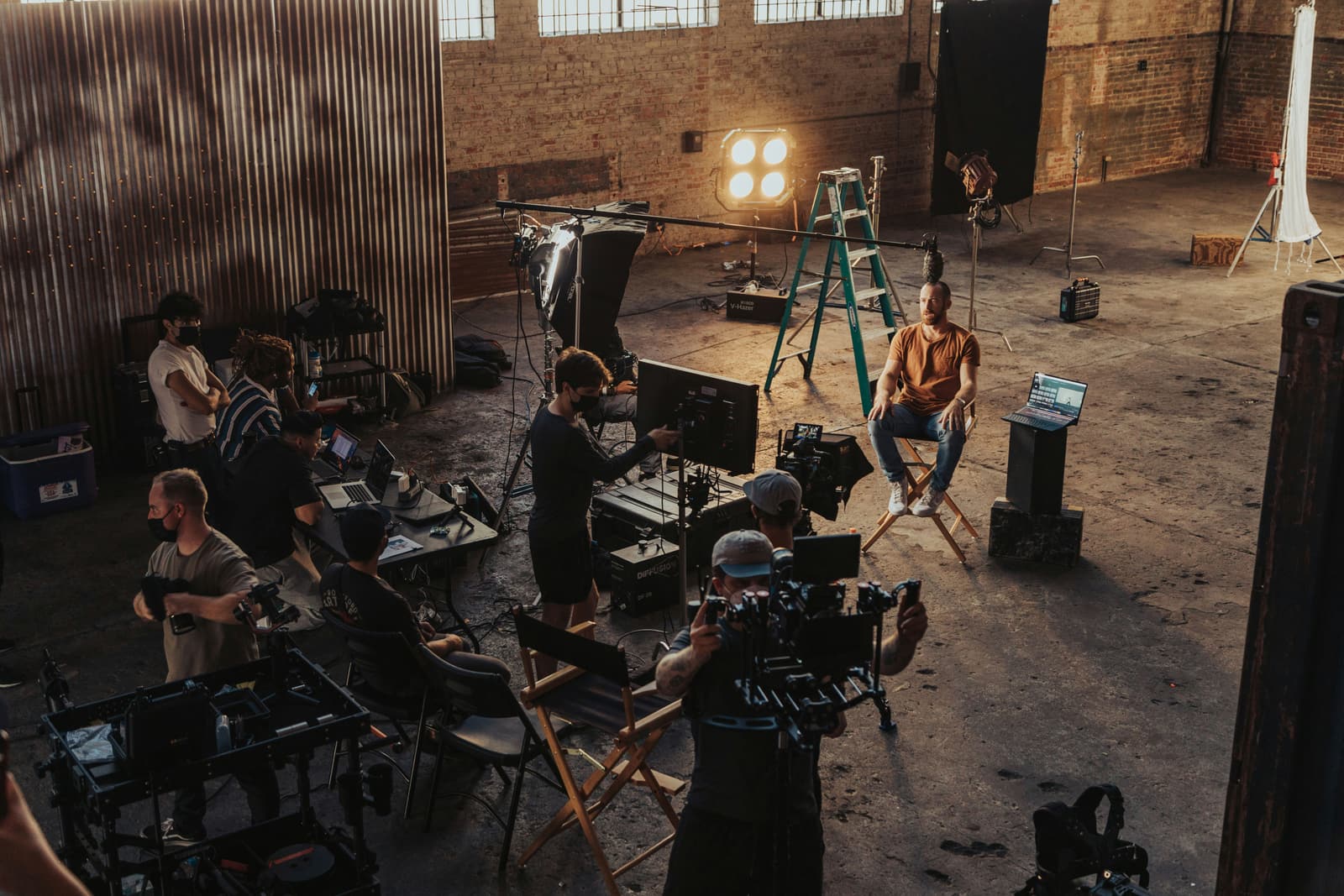
Camera setup with crew von Jakob Owens / Unsplash Unsplash License
Produktionshaftpflicht prüfen: Leitfaden für Motivgeber
Der Spezialleitfaden zeigt Motivgebern, welche Felder und Risikobausteine sie im Versicherungsnachweis vor Vertrag und Calltime konkret prüfen sollten.
Produktionshaftpflicht am Drehort ist für Motivgeber kein Formularpunkt, den man schnell abhakt. Sobald Crew, Licht, Kabel, Stative, Requisiten, Kundinnen, Fahrzeuge oder Tiere in ein Haus, Büro, Restaurant oder Lager kommen, entsteht ein reales Schadensrisiko.
Die wichtigste Regel: Bitte nicht nur fragen, ob eine Versicherung existiert. Lass dir vor der Zusage einen passenden Nachweis geben und prüfe, ob er zum Projekt, zur Produktionsfirma, zum Zeitraum und zu den Risiken deiner Location passt.
Kurzantwort: Nachweis vor Zusage, Details vor Calltime
- Der Versicherungsnehmer sollte zur buchenden Produktionsfirma oder zur verantwortlichen Projektpartei passen.
- Der Zeitraum muss Aufbau, Drehtag, Abbau, Standtage und Rückgabe abdecken, nicht nur die reine Aufnahmezeit.
- Personen- und Sachschäden sind wichtig. Bei Locations sind außerdem Mietsachschäden, Obhut, Schlüssel, Be- und Entladen sowie Tätigkeitsschäden zu prüfen.
- SetScout verlangt im Marketplace-Kontext einen freigegebenen Versicherungsnachweis, bevor Kontakt und Buchung weitergehen.
Warum Produktionshaftpflicht für Motivgeber relevant ist
Ein Dreh verändert einen Ort. Möbel werden verschoben, Böden geschützt, Technik wird getragen, Kabel werden gelegt, Räume werden stärker genutzt und fremde Personen bewegen sich unter Zeitdruck durch dein Eigentum. Auch vorsichtige Produktionen können Schäden verursachen.
§ 823 BGB ist der Grundsatz hinter vielen Haftungsfragen: Wer vorsätzlich oder fahrlässig Leben, Körper, Gesundheit, Freiheit, Eigentum oder ein sonstiges Recht verletzt, kann zum Ersatz des daraus entstehenden Schadens verpflichtet sein. Versicherung ersetzt diese Prüfung nicht, sie sorgt für eine belastbare Anspruchsadresse.
Was eine Produktionshaftpflicht grob abdecken soll
Produktionshaftpflicht ist auf Risiken aus Film-, Foto- und Videoproduktionen ausgerichtet. Aon beschreibt die Film-Haftpflicht als Schutz für gesetzliche Haftpflicht aus Betrieb und Herstellung, auch in fremden Ateliers, Räumen, Gebäuden und Grundstücken. Für Motivgeber ist genau dieser Fremdort-Bezug entscheidend.
Eine allgemeine Betriebshaftpflicht kann passen, muss aber nicht jede Location-Situation abdecken. Deshalb zählt nicht der Name der Police, sondern der Nachweis: Ist diese Produktion mit diesen Tätigkeiten, Personen und Räumen im Versicherungsumfang enthalten?
Der Versicherungsnachweis: Diese Angaben sollten sichtbar sein
Ein Nachweis hilft nur, wenn er lesbar und projektbezogen ist. LocationRobot nennt als typische Angaben Versicherungsunternehmen, Versicherungsnehmer, Versicherungsnummer, Laufzeit, versicherte Schadenshöhe und versicherten Schadensumfang. Für Gastgeber ist diese Liste ein guter Mindestcheck.
- Versicherungsnehmer: passt zur Produktionsfirma, Agentur oder rechtlichen Buchungspartei.
- Projektbezug: Titel, Projektname, Produktionszeitraum oder klare Bestätigung für den konkreten Dreh.
- Gültigkeit: Aufbau, Drehtag, Abbau, Standtage, Übergabe und mögliche Nacharbeiten vor Ort.
- Deckung: Personen-, Sach- und daraus folgende Vermögensschäden sowie relevante Erweiterungen.
- Selbstbeteiligung: wer trägt sie, wie hoch ist sie und ist sie im Motivvertrag geregelt?
Mietsachschäden sind für Locations der Knackpunkt
Personenschäden und allgemeine Sachschäden klingen umfassend, beantworten aber nicht jede Locationfrage. Für Motivgeber geht es oft um Schäden am gemieteten oder überlassenen Objekt selbst: Boden, Wand, Tür, Küche, Möbel, Garten, Technik, Kunst, Treppenhaus, Schlüssel oder Betriebsunterbrechung.
Frage deshalb konkret nach Mietsachschäden, Obhutschäden, Tätigkeitsschäden, Be- und Entladeschäden und Schlüsselschäden. Erpam führt solche Bausteine bei Produktionshaftpflicht exemplarisch auf, inklusive eigener Deckungssummen und Selbstbeteiligungen. Ob sie im konkreten Vertrag gelten, muss der Nachweis zeigen.
Hohe Deckungssumme allein reicht nicht
Eine hohe Versicherungssumme beruhigt, aber sie ersetzt nicht die Frage, ob der konkrete Schaden überhaupt gedeckt wäre. Ein Schaden an einem geliehenen Requisit, ein verlorener Schlüssel, eine beschädigte Arbeitsplatte oder eine unterbrochene Produktion können unterschiedlichen Bausteinen zugeordnet sein.
IHK Berlin erklärt allgemein, dass Betriebshaftpflicht vor finanziellen Folgen von Personen- und Sachschäden sowie darauf beruhenden Vermögensschäden schützen kann und dass auf ausreichende Deckungssummen zu achten ist. Für einen Drehort kommt hinzu: Deckungssumme und Deckungsart müssen zur Location passen.
Risikofaktoren, die vor dem Dreh genannt werden sollten
Der Versicherer und die Produktion können Risiken nur bewerten, wenn sie bekannt sind. Die BG ETEM beschreibt Filmproduktion als technisch anspruchsvoll mit wechselnden Teams, engen Zeitplänen, schwerem Heben, Arbeiten in Höhe, elektrischen Gefährdungen, Gefahrstoffen, Maske und Spezialeffekten.
- Technik: große Lichtaufbauten, Generator, Starkstrom, Kabelwege, Traversen, Hubarbeitsbühnen.
- Objekt: empfindliche Böden, Kunst, Designmöbel, Küche, historische Substanz, Garten, Glas, Lift.
- Ablauf: Nachtarbeit, mehrere Drehtage, Aufbau vor dem Drehtag, viele Personen, Catering, Tiere, Kinder.
- Effekte: Nebel, Wasser, Food Styling, offenes Feuer, Pyro, Stunts, Fahrzeuge im Bild oder Drohne.
Was Motivgeber zusätzlich dokumentieren sollten
Versicherung ist kein Ersatz für Übergabedokumentation. Je besser der Ausgangszustand belegt ist, desto leichter lässt sich ein Schaden nach dem Dreh zuordnen. Das schützt Host und Produktion, weil nicht jede Macke plötzlich zum Streitfall wird.
- Fotos oder Video vom Zustand vor Aufbau, inklusive Böden, Wände, Türen, Treppenhaus und empfindlicher Möbel.
- Liste gesperrter Räume, nicht zu bewegender Gegenstände und besonders schützenswerter Oberflächen.
- Übergabeprotokoll mit Datum, Uhrzeit, anwesenden Personen, Schlüsselübergabe und Rückgabezustand.
- Kontakt für Schadenmeldung: Produktionsleitung, Versicherungsnehmer, Versicherung und Fristen im Vertrag.
Wie SetScout den Versicherungscheck einordnet
Im SetScout-Marktplatz ist ein freigegebener Versicherungsnachweis ein harter Schritt vor Kontakt und Buchung. Das ist kein Versprechen, dass jeder denkbare Schaden bezahlt wird. Es bedeutet: Die Produktion muss einen Nachweis einreichen, bevor der Buchungsprozess weitergeht.
Für Motivgeber bleibt wichtig, die eigenen Regeln und den Zustand der Location zu dokumentieren. Lies dazu auch /de/blog/motivvertrag-versicherung-filmlocation und den Vertragsleitfaden /de/blog/motivvertrag-film-klauseln-dreh.
FAQ zur Produktionshaftpflicht am Drehort
Reicht eine private Haftpflicht für einen Dreh in meiner Location?
Für professionelle Dreharbeiten solltest du dich nicht auf eine private Haftpflicht verlassen. Entscheidend ist ein Nachweis, der zur Produktionsfirma, zum Projekt, zum Zeitraum und zur Tätigkeit am fremden Drehort passt. Bei Unsicherheit sollte die Produktion eine Versicherungsbestätigung ihres Versicherers vorlegen.
Wann sollte ich den Versicherungsnachweis anfordern?
Fordere den Nachweis vor der endgültigen Zusage an, spätestens vor Vertragsabschluss und deutlich vor Calltime. Wenn Aufbau, Prelight oder Standtage geplant sind, müssen diese Zeiträume im Versicherungsschutz berücksichtigt werden.
Was ist wichtiger: Deckungssumme oder Deckungsumfang?
Beides. Eine hohe Deckungssumme hilft wenig, wenn der konkrete Schaden ausgeschlossen ist. Für Locations sind neben Personen- und Sachschäden besonders Mietsachschäden, Obhut, Schlüssel, Tätigkeitsschäden und Selbstbeteiligung wichtig.
Was mache ich, wenn der Nachweis unklar ist?
Bitte die Produktion um eine klare Versicherungsbestätigung mit Projektbezug, Zeitraum, Deckung und Ansprechpartner. Wenn hochwertige Ausstattung, Tiere, Wasser, Feuer, Stunts oder Drohnen geplant sind, sollte die Produktion die Deckung ausdrücklich bestätigen lassen.
Praktischer nächster Schritt
Verlange den Versicherungsnachweis nicht erst, wenn die Crew schon disponiert ist. Sammle Projektname, Produktionsfirma, Zeitraum, Risikoangaben, Deckungsumfang, Selbstbeteiligung und Schadenkontakt in einem Vorgang. Dann kann der Dreh geplant starten und ein möglicher Schaden ist nicht nur mündlich, sondern praktisch nachvollziehbar geregelt.
Empfohlene Artikel
Weitere Beiträge, die dich interessieren könnten

Illustration zur Reportagefotografie auf einem Markt von OpenAI ImageGen Originalbild für SetScout generiert
Reportagefotografie: eine Geschichte am realen Ort erzählen
Reportagefotografie praktisch planen: einen echten Ablauf recherchieren, eine Bildfolge bauen und beobachtete von gestellten Motiven trennen.
Modefotografie in einem Industrieatelier von OpenAI ImageGen Originalbild für SetScout generiert
Modefotografie on Location: Kleidung bleibt die Hauptsache
Modefotografie am realen Ort planen: Location, Farbwirkung, Licht, Styling und Bildfolge so abstimmen, dass die Kollektion klar zu sehen ist.
Porträtfotografie in einer hellen Loft-Location von OpenAI ImageGen Originalbild für SetScout generiert
Porträtfotografie on Location: Menschen und Räume verbinden
Porträtfotografie am realen Ort planen: Bildziel, Hintergrund, Licht, Zusammenarbeit und eine kurze Shotlist für brauchbare Bildvarianten.