
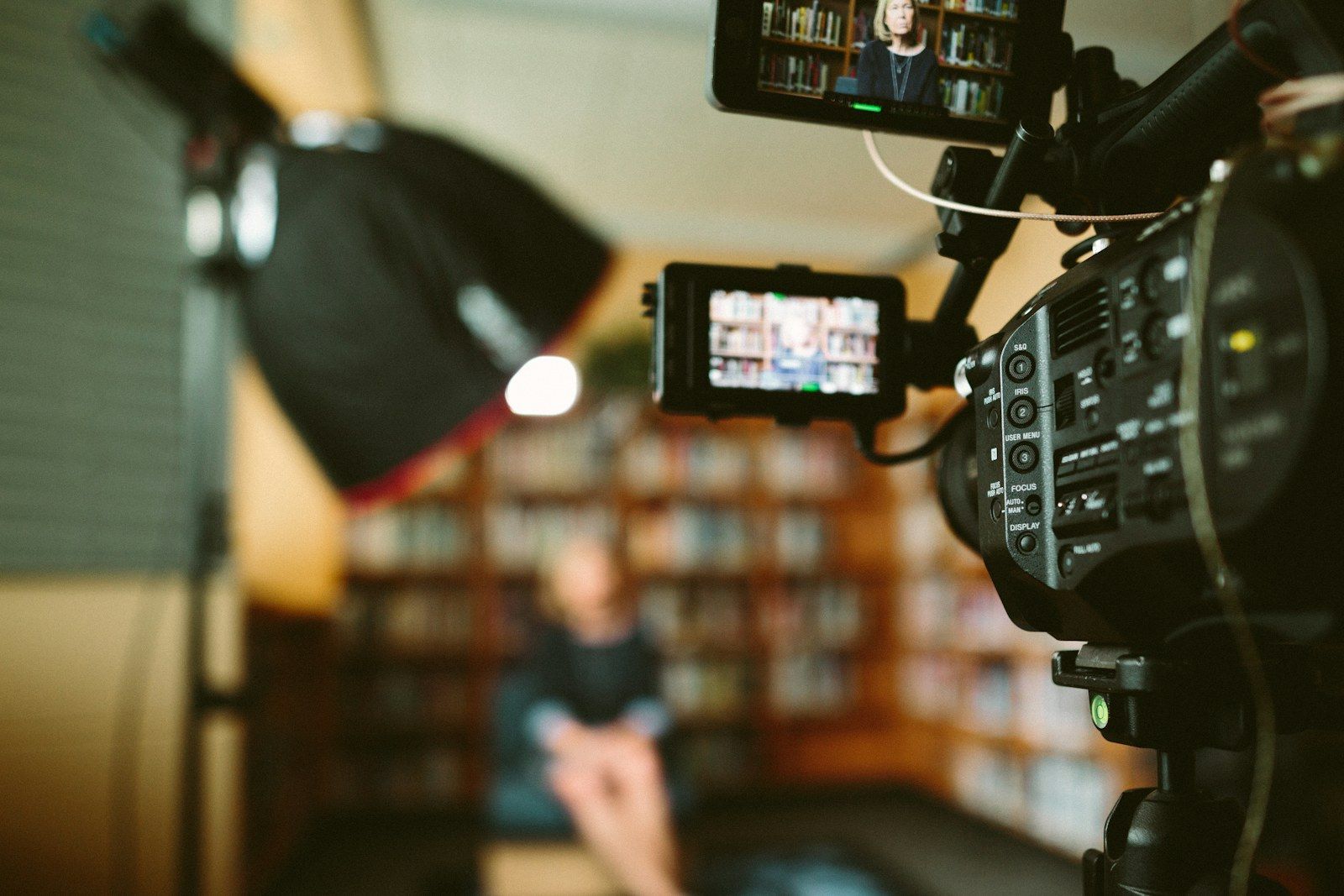
Photo by Sam McGhee on Unsplash von Sam McGhee Unsplash License
Interview-Location mieten: Ruhe, Hintergrund, Licht und Kundenführung
So findest du eine Interview-Location, die Ton, Hintergrund, Licht, Kundenführung, Make-up, Privatsphäre und Produktion wirklich trägt.
Eine gute Interview-Location ist zuerst ein Tonraum, dann ein Bildraum. Der Hintergrund kann perfekt aussehen und trotzdem scheitert der Dreh, wenn Kühlschrank, Lüftung, Straße, Nachbarn oder Kundentraffic jede Antwort ruinieren. Für Talking Heads, Corporate Videos und Dokus zählt deshalb Ruhe vor Dekoration.
Die kurze Antwort: Miete eine Interview-Location nur, wenn du Ton, Hintergrundtiefe, Lichtkontrolle, Ankunft der Gesprächspartner, Make-up, Privatsphäre und Kundenführung vorher klären kannst. Cafés und normale Büros wirken oft praktisch, sind aber selten interviewtauglich, sobald Kamera, Licht und Ton laufen.
Warum Interview-Locations anders bewertet werden
Interviewräume werden häufig wie Meetingräume gesucht. Das ist der falsche Maßstab. Stundenpreis, Gästezahl und ein aufgeräumtes Listing helfen bei der Vorauswahl, aber die eigentliche Prüfung beginnt danach: Ist der Raum leise, tief genug, kontrollierbar und für die Person vor der Kamera angenehm?
Ein Interview ist langsamer als ein Werbedreh und gnadenloser als ein kurzer Social Clip. Jede Störung wird hörbar, jeder falsche Hintergrund wirkt wie eine Aussage über die Person, und jeder unsichere Ankunftsprozess erhöht Stress. Die Location muss also gleichzeitig technisch, visuell und menschlich funktionieren.
Ton ist das erste Auswahlkriterium
Spoken Frame Media nennt Sound, Lighting und Background als die drei Hauptfaktoren für Video-Interview-Locations und prüft unter anderem Straßenlärm, Menschen im Raum, Heizung, Klimaanlage und Echo. Genau diese Liste ist für deutsche Corporate- und Dokumentarproduktionen der richtige Startpunkt, auch wenn der Dreh in Büro, Studio oder Privatwohnung stattfindet.
- Kann die Lüftung, Heizung, Klimaanlage oder ein Kühlschrank während der Aufnahme ausgeschaltet werden?
- Gibt es Straßenlärm, Fahrstuhl, Treppenhaus, Küche, Musik, Nachbarn oder Baustellen?
- Klingt der Raum hart und hallig, oder gibt es Teppiche, Vorhänge, Bücher, Polster und genug Absorptionsflächen?
- Kann die Produktion Sounddecken, Molton oder mobile Absorber stellen, ohne den Raum zu beschädigen?
Der gefährlichste Satz bei Interviews lautet: “Das machen wir in der Post.” Rauschminderung hilft, ersetzt aber keine ruhige Aufnahme. Wenn der Ton wichtig ist, sollte ein kurzer Location-Check mit Kopfhörer und Testaufnahme zur Pflicht werden.
Der Hintergrund muss Kontext geben, ohne abzulenken
Ein guter Interviewhintergrund erzählt, wer spricht und warum diese Person glaubwürdig ist. Er darf aber nicht mehr Aufmerksamkeit bekommen als das Gesicht. Bücherregal, Labor, Werkstatt, Büro, Showroom oder Wohnzimmer können funktionieren, wenn Tiefe, Ordnung und Licht stimmen.
Production Craft weist darauf hin, dass eine große genug bemessene Location mehr Tiefe im Bild schafft und das Auge stärker auf die interviewte Person lenkt. Gleichzeitig können Fenster als Hintergrund schön sein, aber die Belichtung komplizieren. Für die Anfrage heißt das: Frage nicht nur nach Fotos, sondern nach Raumtiefe, Fensterseite, Vorhängen und verschiebbaren Möbeln.
Licht: Tageslicht hilft, Kontrolle entscheidet
Tageslicht kann Interviews hochwertig aussehen lassen, ist aber nicht automatisch einfacher. Direkte Sonne wandert, Wolken verändern den Look, große Fenster im Hintergrund können ausbrennen, und Deckenlicht macht Gesichter oft flach. Die beste Location bietet entweder kontrollierbares Tageslicht oder genug Platz und Strom für eigenes Licht.
- Gibt es Vorhänge, Jalousien oder Verdunklung?
- Kann Deckenlicht ausgeschaltet werden, ohne den Raum dunkel oder unsicher zu machen?
- Gibt es Steckdosen an der richtigen Seite des Raums und genug Abstand für Lichtstative?
- Kann das Interview über mehrere Stunden mit gleichem Look wiederholt werden?
Kundenführung und Ankunft sind Teil der Location
Bei Corporate Interviews ist die Person vor der Kamera oft nicht drehgewohnt. Die Location muss daher nicht nur für das Team funktionieren, sondern auch für Gast, Vorstand, Kundin, Presseteam oder Protagonist. Ein unklarer Eingang, fehlender Empfang oder ein lauter Wartebereich macht den Dreh nervöser, bevor die erste Frage gestellt wird.
Prüfe Anfahrt, Parken, Klingel, Empfang, Aufzug, Toiletten, Make-up-Platz, Garderobe, Wasser, Wartebereich und ob ein Kundenteam mit Laptop und Kopfhörer irgendwo sitzen kann. Diese Details wirken klein, entscheiden aber, ob Interviews ruhig und konzentriert laufen.
Studio, Content-Location oder echtes Umfeld?
Ein Studio ist gut, wenn Kontrolle wichtiger ist als Authentizität. Ein echtes Umfeld ist gut, wenn der Ort die Geschichte trägt. Eine Content-Location liegt dazwischen: genug Kontrolle für Kamera und Ton, aber mehr Charakter als ein neutraler Raum.
Studio
Ein fertiges Podcast- oder Video-Studio kann sinnvoll sein, wenn Ton, Licht und Technik direkt mitgedacht sind. Schallgedämmte Aufnahmeflächen, ein vorhandenes Kamera- und Licht-Setup, stabiles WLAN, Küche, Toiletten und ein separater Stylingbereich sparen Vorbereitung, sofern der vorhandene Look zum Format passt.
Echtes Büro oder Arbeitsumfeld
Ein Büro, Labor, Werkstatt oder Showroom gibt Glaubwürdigkeit. Es braucht aber mehr Vorlauf: Störungen, vertrauliche Dokumente, Monitore, Marken, Mitarbeitende, Reinigungszeiten und Zugang müssen geklärt sein. Oft ist ein Raum optisch passend, aber akustisch zu offen.
Wohnung, Café oder Hotel
Wohnungen, Cafés und Hotels wirken warm, sind aber riskant. Kaffeemaschinen, Musik, Gäste, Nachbarn, Spiegel, Glas, enge Flure und wenig Kontrolle über Licht oder Geräusche machen sie schnell teuer. Nutze solche Orte nur, wenn sie exklusiv oder zeitlich wirklich kontrollierbar sind.
Was in die Anfrage gehört
Wenn du über SetScout Drehorte oder Content-Studios suchst, sollte die Anfrage konkrete Interviewbedingungen enthalten. Je klarer die Anfrage ist, desto schneller lassen sich ungeeignete Räume aussortieren.
- Format: Talking Head, Testimonial, Doku, Podcast-Video, Corporate Statement oder Hybrid.
- Personenzahl: Interviewgast, Regie, Kamera, Ton, Licht, Maske, Kunde, Agentur, Assistenz.
- Tonanforderung: Ruhefenster, abschaltbare Geräuschquellen, Echo, Nachbarn, Straßenseite.
- Bildanforderung: Hintergrundtiefe, Fenster, Vorhänge, Möbel, Marken, vertrauliche Bereiche.
- Logistik: Ankunft, Aufzug, Parken, Garderobe, Make-up, Aufenthaltsbereich, Toiletten, WLAN.
- Rechte und Datenschutz: Veröffentlichungsart, sichtbare Personen, Dokumente, Logos, Kunst und Release Forms.
Checkliste für die Besichtigung
- 30 Sekunden Testaufnahme mit Kopfhörer machen, während niemand spricht.
- Kühlschrank, Lüftung, Heizung, Aufzug und Nachbarräume einzeln prüfen.
- Interviewposition, Hintergrund und Kameradistanz real markieren.
- Tageslichtverlauf und direkte Sonne für die Drehzeit prüfen.
- Stromwege und Stolperstellen für Licht, Kamera und Ton planen.
- Ankunftsweg des Interviewgasts einmal vollständig ablaufen.
Fazit
Eine Interview-Location ist gut, wenn sie Ruhe, Bildtiefe, Lichtkontrolle und einen stressarmen Ablauf verbindet. Schöne Räume reichen nicht. Ein glaubwürdiger Hintergrund wird erst wertvoll, wenn Ton, Wege und Menschenführung den Dreh tragen.
Wenn du Interviewräume suchst, vergleiche nicht nur Studios. Vergleiche echte Umfelder, Tageslichtstudios, Content-Studios und ruhige Real-Locations. SetScout hilft dir, daraus eine Shortlist zu bauen, die akustisch, visuell und organisatorisch tragfähig ist. Lies ergänzend den Guide zu Podcast-Studio oder Content-Location.
Empfohlene Artikel
Weitere Beiträge, die dich interessieren könnten
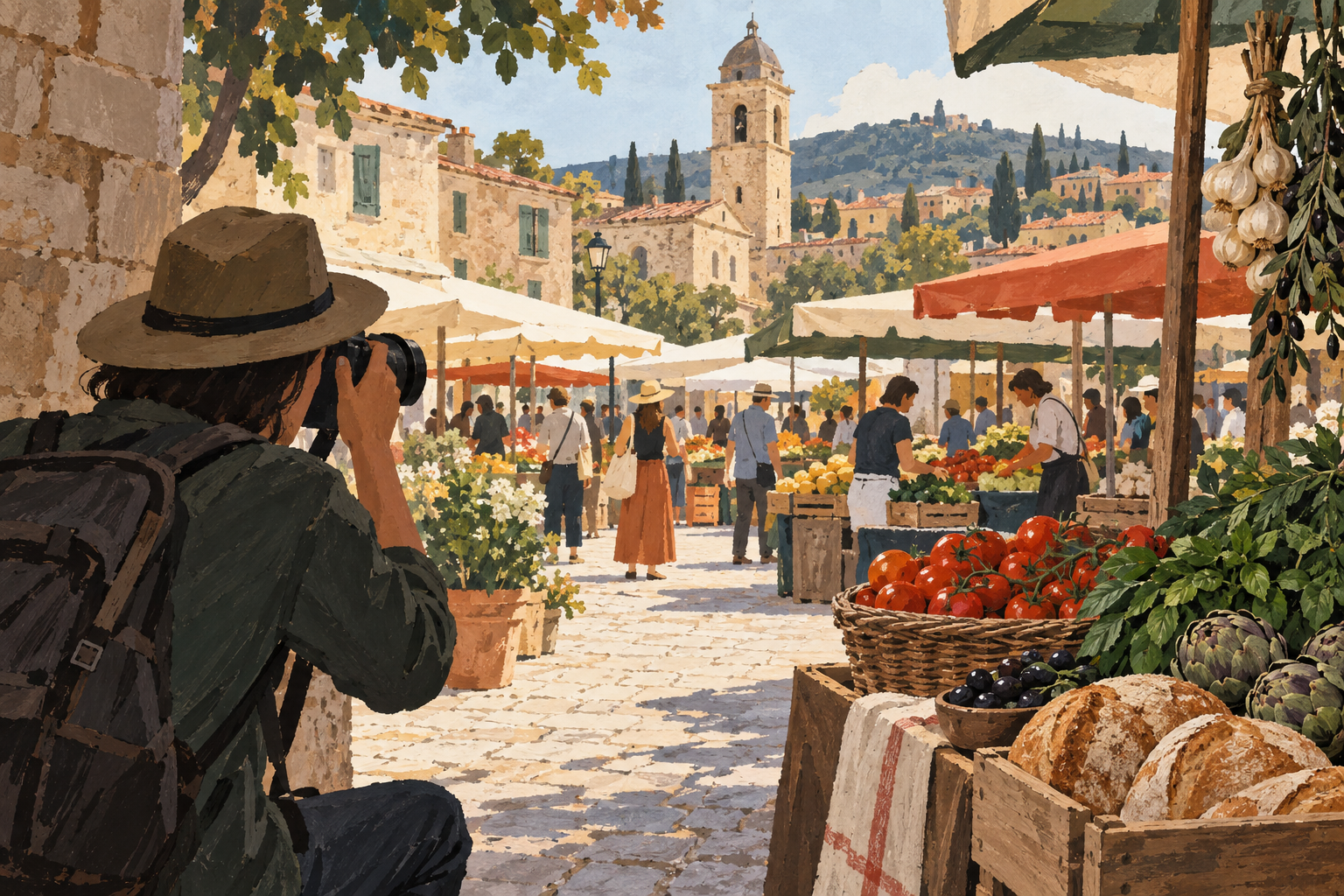
Illustration zur Reportagefotografie auf einem Markt von OpenAI ImageGen Originalbild für SetScout generiert
Reportagefotografie: eine Geschichte am realen Ort erzählen
Reportagefotografie praktisch planen: einen echten Ablauf recherchieren, eine Bildfolge bauen und beobachtete von gestellten Motiven trennen.
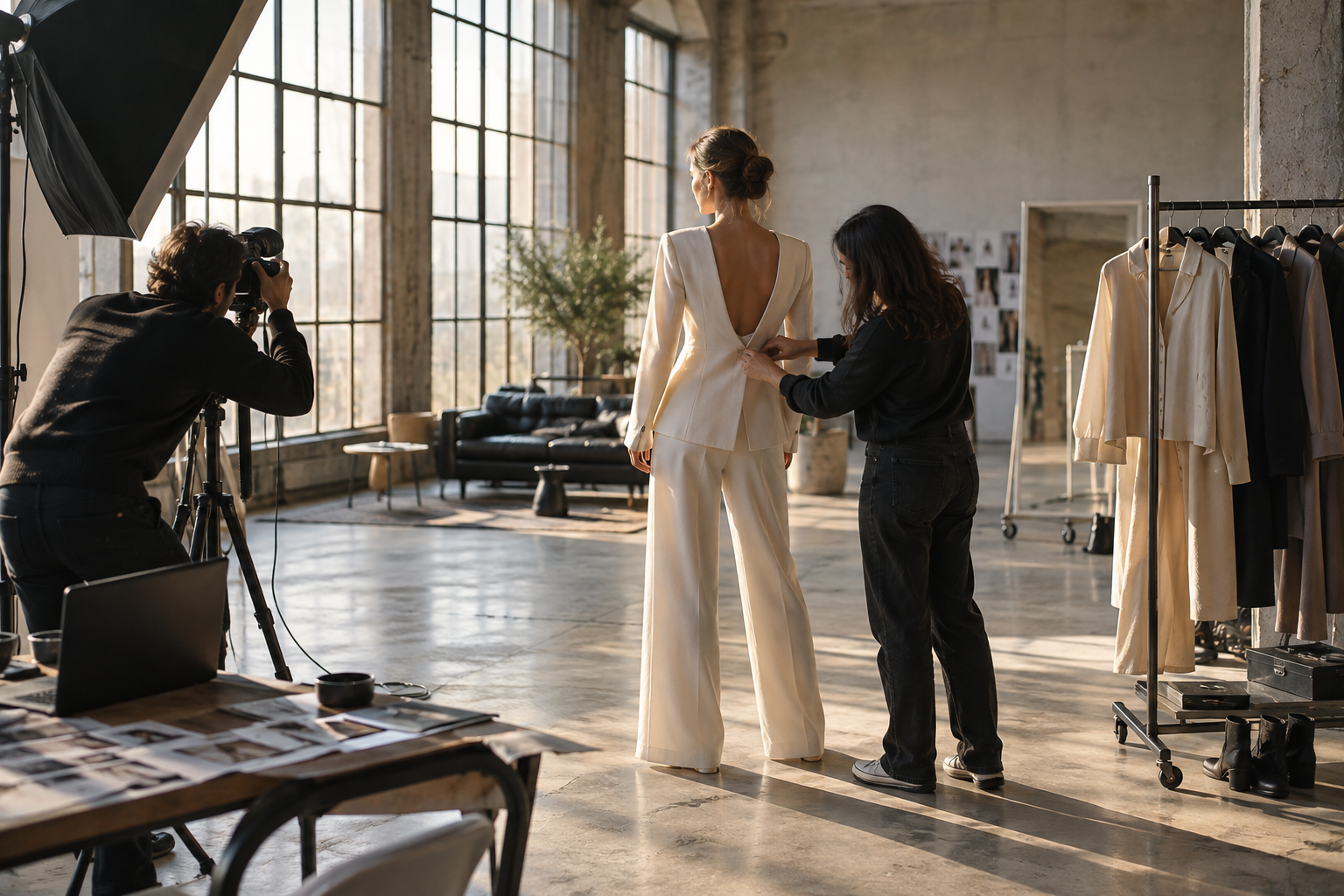
Modefotografie in einem Industrieatelier von OpenAI ImageGen Originalbild für SetScout generiert
Modefotografie on Location: Kleidung bleibt die Hauptsache
Modefotografie am realen Ort planen: Location, Farbwirkung, Licht, Styling und Bildfolge so abstimmen, dass die Kollektion klar zu sehen ist.
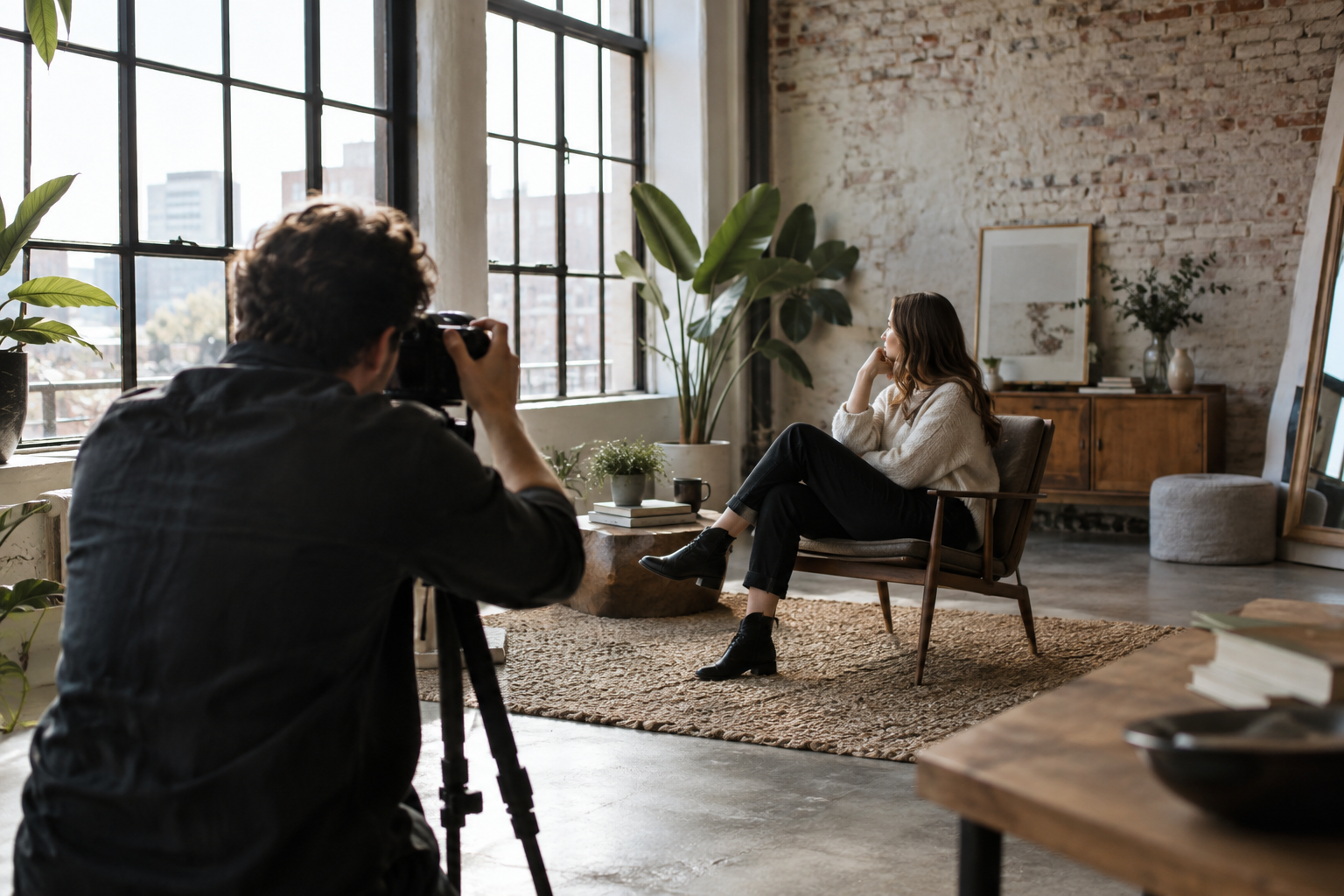
Porträtfotografie in einer hellen Loft-Location von OpenAI ImageGen Originalbild für SetScout generiert
Porträtfotografie on Location: Menschen und Räume verbinden
Porträtfotografie am realen Ort planen: Bildziel, Hintergrund, Licht, Zusammenarbeit und eine kurze Shotlist für brauchbare Bildvarianten.