

Man in gray shirt leaning on table with headphones facing another man by Austin Distel Unsplash License
Rent a Podcast Studio or Book a Content Location?
Podcast studio or content location? Compare audio, video, set design, support, pricing and asset goals before booking.
Renting a podcast studio sounds like the obvious choice once a brand, founder or agency team wants to record audio. For pure conversation formats, it often is. But once video, reels, product shots, multiple sets, brand environment or interview atmosphere matter, a flexible content location may be the better booking.
The decision is not studio versus location. It is control versus flexibility. This guide explains when you need a dedicated podcast studio, when a content studio is enough and which questions to clarify before booking.
Key Takeaways
- A podcast studio is right when audio is the main risk. Acoustics, fixed microphones, monitoring, separate tracks and technical support matter more than a unique look.
- A content location is stronger when video and brand matter. Furniture, lighting, backgrounds, product surfaces, guest arrival and several set corners may matter more than a classic studio table.
- Compare what the price includes. Some rooms are hourly; others bundle half-day minimums, equipment, operator, post-production or support separately.
- For video podcasts, camera logic matters. Angles, eyelines, depth, lighting, cable routes and cutaways decide whether the result feels professional.
What a Real Podcast Studio Does Better
A dedicated podcast studio is built to avoid audio problems. Good rooms offer acoustic treatment, suitable microphones, headphones, interfaces or mixers, monitoring and usually a routine for recording, backup and export. That saves stress when guests have limited time or the episode needs to move straight into editing.
Market examples show the range: G7 Studio Berlin describes audio and video production with cameras, lighting, microphones, recording, editing, mixing, mastering and color grading. The dpa studio positions itself for audio and video, from 4K YouTube episodes to snippets, with technical support from studio operators and audio producers.
Book a podcast studio when
- you need to record up to four people cleanly and quickly;
- separate audio tracks, monitoring and backup matter more than set design;
- you bring little equipment or no dedicated sound person;
- the format repeats regularly and every episode should sound consistent;
- post-production, mixing, mastering or livestream support should be included.
When a Content Location Is Better
A content location wins when the output needs to be more than a conversation at a table. For brand content, founder videos, reels, product demos, customer interviews or podcast plus social assets, you often need several visual worlds: sofa, desk, product surface, daylight, neutral backdrop, kitchen, showroom or office context. A classic podcast studio may be too tight or visually generic.
Flexible studios show where the market is going: Reel2Reel offers a podcast room with four microphones, RODECaster Pro II, lighting, movable furniture and optional cameras while also offering larger photo and video rooms. Publix separates video studio, podcast studio, recording booth and editing suite, which is exactly the decision: which production environment does the format actually need?
Book a content location when
- you want to capture reels, TikTok clips, thumbnails or product shots in addition to the long episode;
- the brand should be visible through furniture, color, background, light, product or office atmosphere;
- you need guest reception, makeup/wardrobe or several interview sets;
- you bring your own camera, lighting or sound crew;
- the room must not look like a standard podcast set.
Cost: Do Not Compare Only Hourly Rates
A low hourly rate can be fair if you bring your own team and equipment. It can become expensive if cameras, sound operator, lighting, gaffer, additional people, post-production or data handoff are missing. A full-service studio may look more expensive, but it can reduce coordination and risk.
Market examples help calibrate the decision: podspace Berlin lists transparent pricing from 35 euros per 30 minutes and separates audio, video and seminar rooms. Hamburger Ding advertises a RØDE podcast studio from 75 euros per hour plus VAT and highlights support, equipment and additional spaces. These are not SetScout prices; they show why included services matter more than the bare room rate.
Checklist Before Booking
- Format: Audio only, video podcast, interview, reels, product video, livestream or multiple assets in one day?
- Sound: Acoustics, HVAC, street noise, reverb, separate tracks, monitoring, headphones and backup.
- Image: Camera axes, background depth, light control, ceiling height, windows, reflections and branding.
- Support: Operator, sound, camera, lighting, data handoff, editing, mixing, mastering and color grading.
- Logistics: Guest arrival, parking, elevator, makeup/wardrobe, catering, Wi-Fi, loading and quiet space.
A Practical Decision Path
If the main risk is audio quality, start with a podcast studio. If the main risk is brand impact, set variety or asset yield, start with a content location. For hybrid formats, look for a room that is sound-reliable and still allows visual variety. With SetScout locations and daylight studios, you can compare those spaces alongside classic podcast setups.
Bottom Line
Do not rent a podcast studio just because the brief says podcast. Rent the production environment that solves the biggest risk. For pure conversation formats, that is often an acoustically controlled podcast room with support. For brand content, video podcasts, social batch days or product communication, a flexible content location is often the better investment.
Recommended articles
More posts you might be interested in

none by Jakub Zerdzicki All photos and videos on Pexels can be downloaded and used for free.
Tax rules for income from renting out a film location
How to report profits from renting out your location correctly for German tax purposes
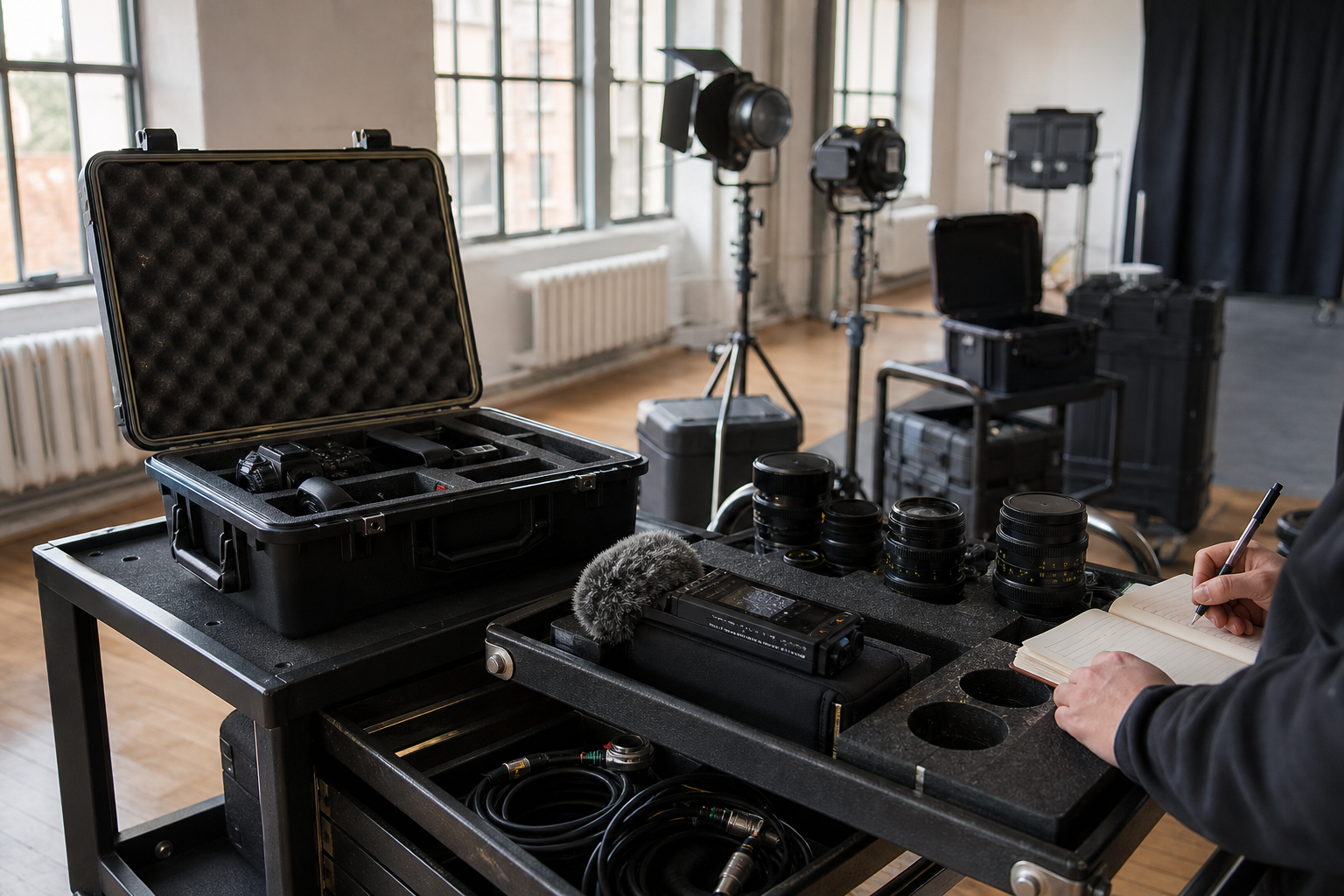
Inventorying film equipment before a location shoot by OpenAI image generation for SetScout Original image generated for SetScout; no third-party source image used
Film Equipment Insurance: Documenting Owned and Rented Gear
A practical checklist for cameras, lighting, sound and rented film equipment: confirm inventory, values, transport, storage and claims procedures before the shoot.
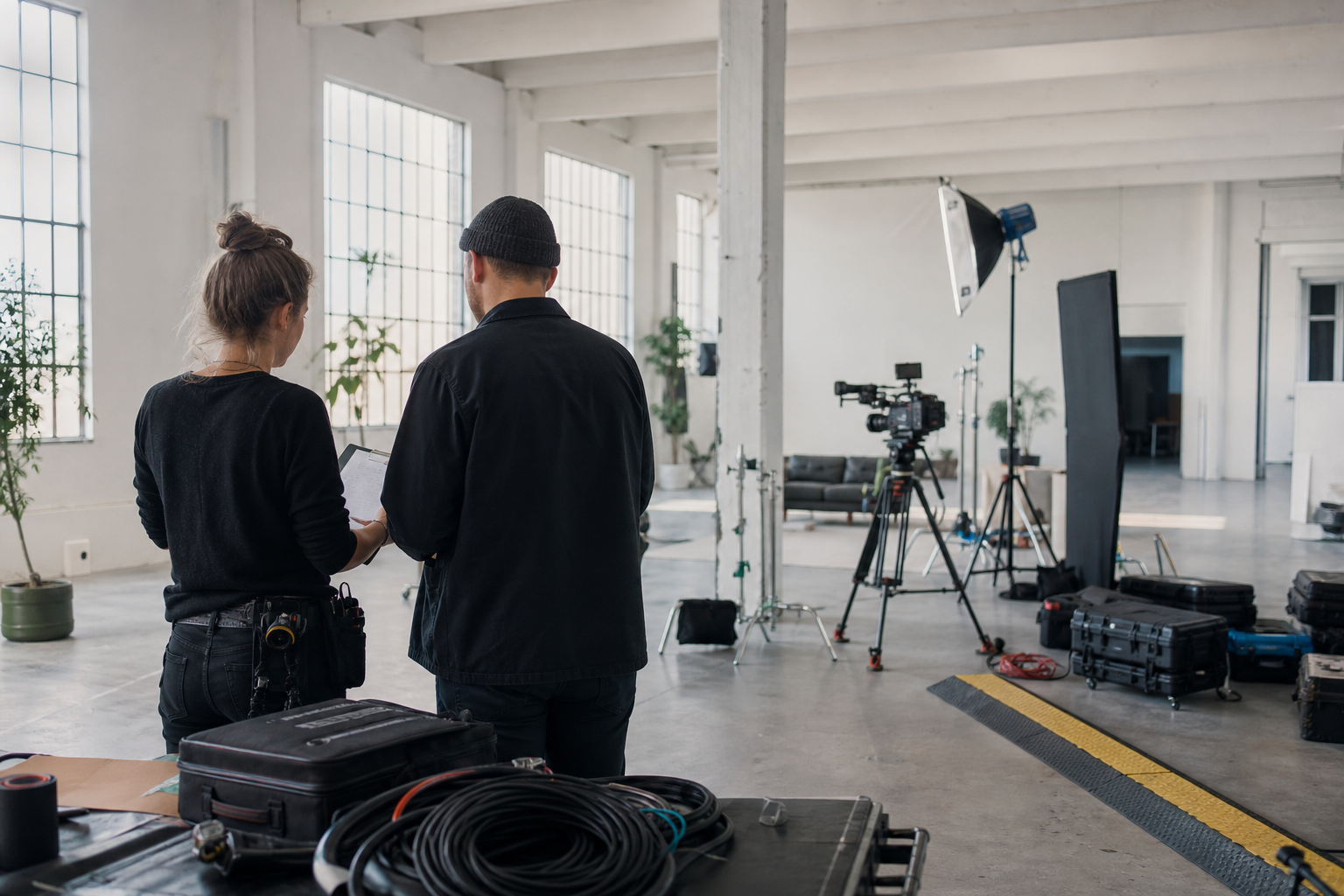
Film insurance for a production at a prepared location by OpenAI image generation for SetScout Original image generated for SetScout; no third-party source image used
Film Insurance for Productions: Coverage, Costs and Location Risks
Which insurance modules a film production should review, which details affect the premium and how to include locations properly in the risk assessment.