
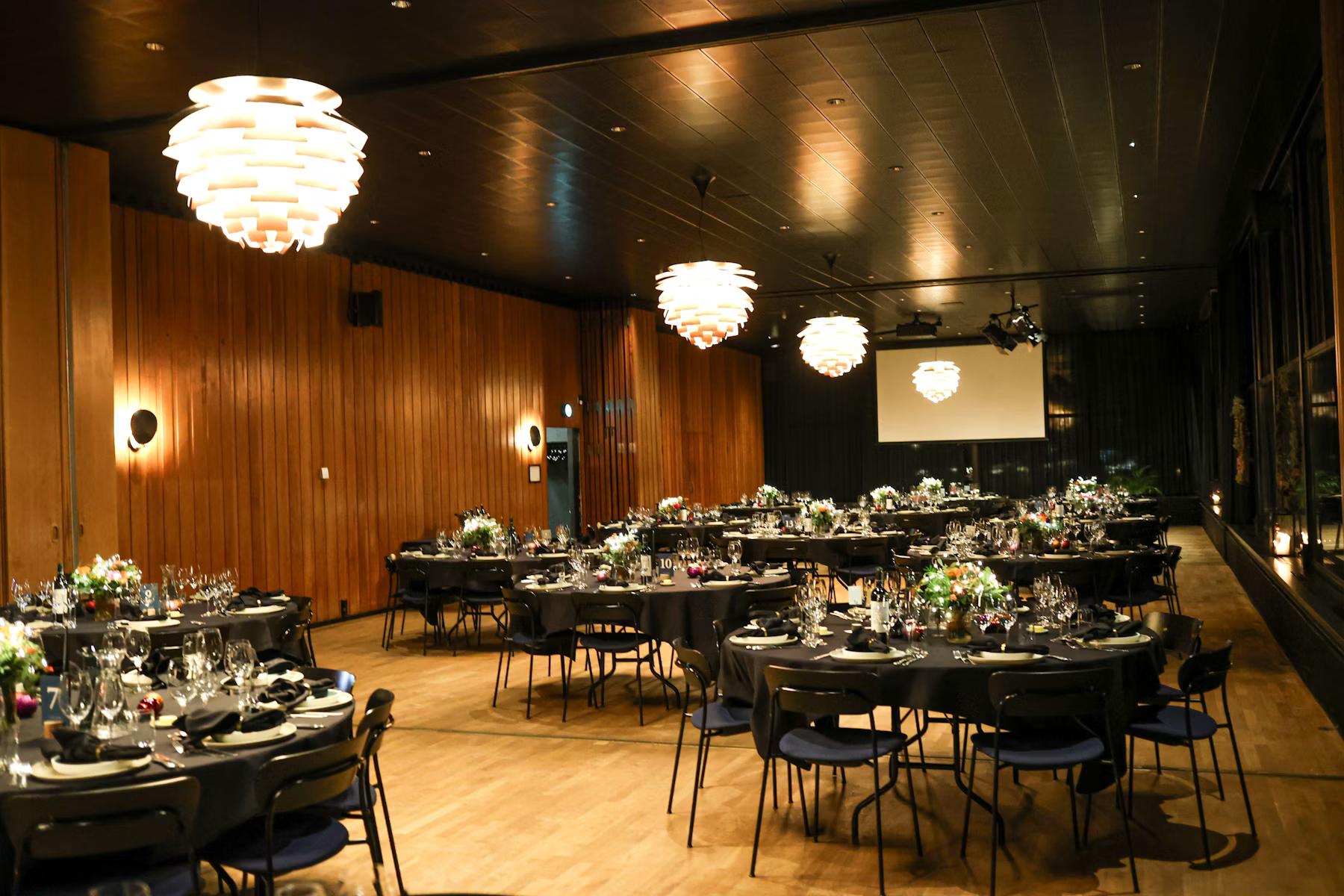
Elegant event space set with round tables for dining by Filip Rankovic Grobgaard Unsplash License
Rent Out an Event Venue for Film and Photo: Why Shoots Work Differently Than Events
Event venues can be strong film and photo locations, but shoots need different checks: image rights, restricted areas, load-in, crew, reset and downtime.
Event venue operators usually think in guest lists, catering, seating, sound systems and service times. Film and photo productions work differently. The venue itself becomes the set.
Key Takeaways
- Event venue rental usually revolves around events; film and photo need their own positioning.
- Shoots evaluate image rights, restricted areas, light, sound, set build, crew routes and reset differently than events.
- Production pricing should reflect blocked time, lost revenue, staff, technology and risk.
- SetScout requests give operators a review step before acceptance and contract.
The space is used differently
At an event, guests move through a prepared setup. During a shoot, cameras move, lights block paths, cables cross floors, furniture shifts, areas are locked and camera angles decide what matters.
Your SetScout listing should describe usable areas, side rooms, load-in, parking, power, noise, blackout times, staff needs, cleaning and limits for set build or decoration.
Rights and brands matter
Event venues often contain logos, sponsor areas, art, signage, drink brands, technical partners, neighboring businesses or guest photos. A production must know what may appear on camera and what needs to be removed, covered or contractually cleared.
Price downtime realistically
A shoot can block other slots through load-in, shoot, reset, cleaning and restoring the normal venue state. SetScout listings use a single day price, so operators should define normal use and handle exclusive, night, staff-heavy or longer uses through request review or counteroffer.
Request review instead of instant booking
SetScout’s request-first logic fits event venues well. A production sends a non-binding booking request with project, usage, time period, crew size, set changes and offer price. The host can ask questions, decline, accept or counteroffer.
When production rules and restricted areas are clear, offer your event venue on SetScout.
Shoot criteria differ from event criteria
Events focus on guest capacity, catering, schedule and atmosphere. Shoots focus on camera angles, sound, light control, set dressing, rights, emergency routes, restricted areas, side rooms and repeatability. Operators should define production rules rather than reuse event terms without changes.
Pricing and downtime
A shoot can block areas that would otherwise be sold or operated. The price should account for blocked time, staff, potential lost revenue, technical use, cleaning, reset and image rights.
How the process works on SetScout
SetScout does not treat a host location like a loose classified ad. The listing captures category, tags, address, basic facts, facilities, photos, areas, rules, price, cancellation policy, booking lead time and availability, so productions can review practical conditions as well as the look.
A request is non-binding at first. It includes the project, requested dates, an offered price and a short brief. Hosts review it in their host inbox and can accept, decline or send a counteroffer with a changed amount.
After the host accepts, the production chooses between direct booking and a site visit (recce). From there, the process can include a final price agreement, a location contract, an insurance check and payment via Stripe Checkout, with the host payout following in two EUR installments.
Practical checklist before accepting
Before accepting a request, hosts should run through the hard production points in writing. That way an attractive location does not fail on shoot day because access, neighbors, protection or responsibilities were unclear.
- Project type, scene use, crew size, shoot hours and requested areas are clearly named.
- Insurance, contract, point of contact and payment steps are clarified.
- Parking, loading, elevator, power, Wi-Fi, toilets and side rooms fit the request.
- Protection, cleaning, trash, reset and final inspection are discussed before acceptance.
- Neighbors, house rules, owner approval and restricted areas are accounted for.
Recommended articles
More posts you might be interested in

none by Jakub Zerdzicki All photos and videos on Pexels can be downloaded and used for free.
Tax rules for income from renting out a film location
How to report profits from renting out your location correctly for German tax purposes
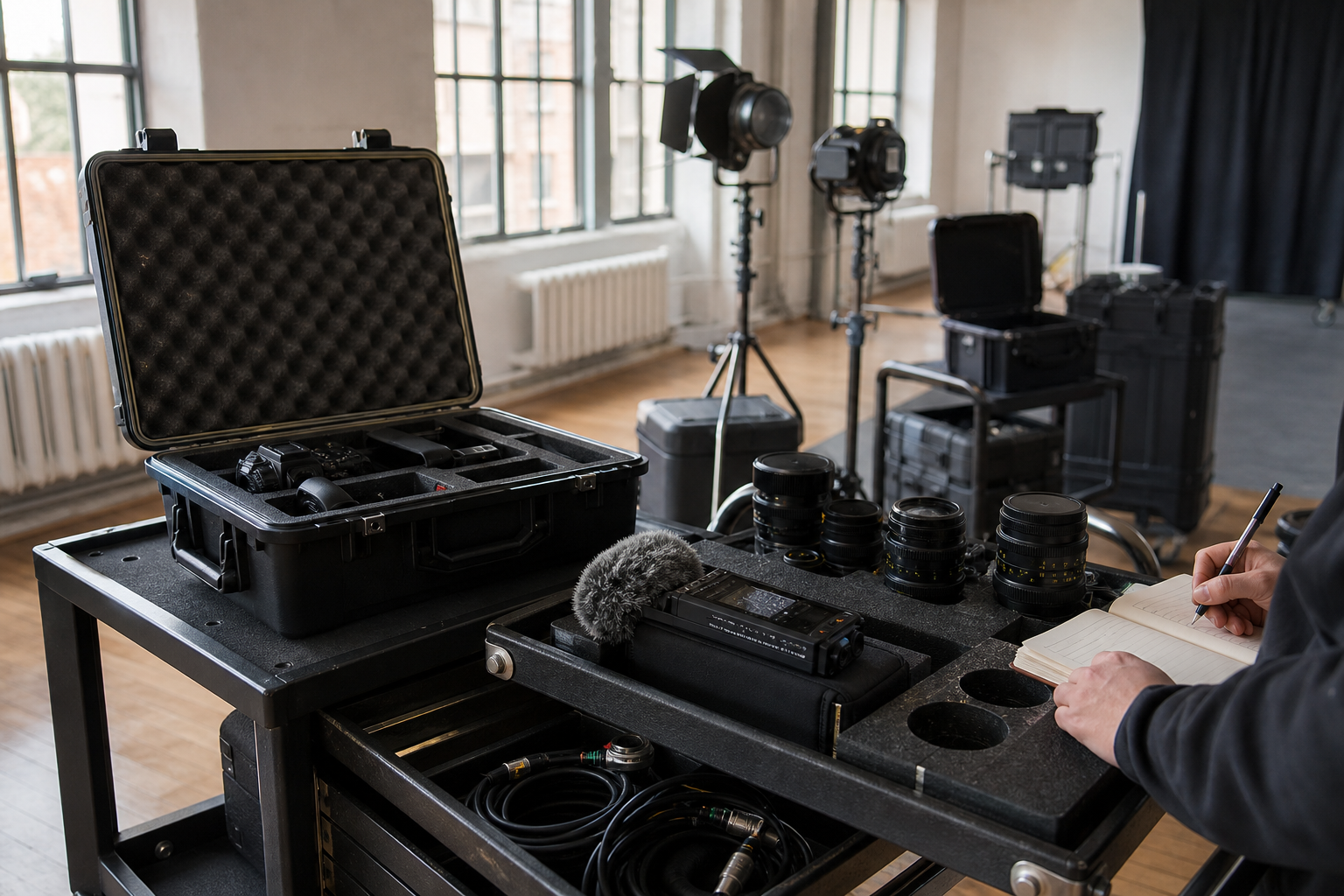
Inventorying film equipment before a location shoot by OpenAI image generation for SetScout Original image generated for SetScout; no third-party source image used
Film Equipment Insurance: Documenting Owned and Rented Gear
A practical checklist for cameras, lighting, sound and rented film equipment: confirm inventory, values, transport, storage and claims procedures before the shoot.

Film insurance for a production at a prepared location by OpenAI image generation for SetScout Original image generated for SetScout; no third-party source image used
Film Insurance for Productions: Coverage, Costs and Location Risks
Which insurance modules a film production should review, which details affect the premium and how to include locations properly in the risk assessment.