
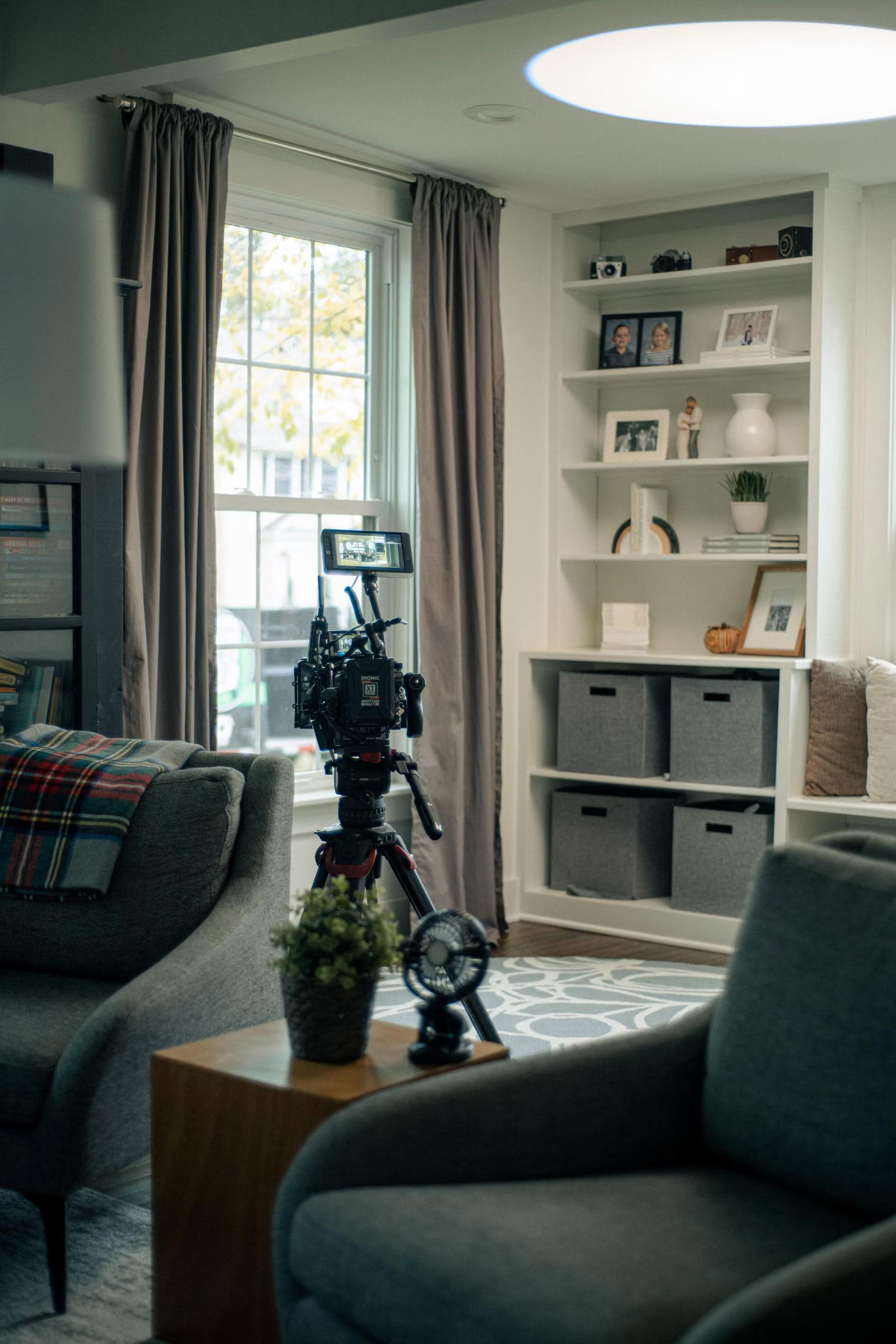
Living room filled with furniture and a large window von Troy Spoelma Unsplash License
Haus für Dreharbeiten vermieten: Preise, Vorbereitung und Grenzen für private Gastgeber
Ein Haus kann als Drehort sehr attraktiv sein, wenn Gastgeber Räume, Grenzen, Preis, Nachbarn, Schutzmaßnahmen und den Buchungsablauf sauber vorbereiten. Dieser Guide erklärt, worauf private Hosts achten sollten.
Ein Haus für Dreharbeiten zu vermieten kann sich lohnen, wenn es mehr bietet als einen guten Look: genug Raumtiefe, klare Zufahrt, planbare Nachbarschaft, nutzbare Nebenflächen, kontrollierbare Regeln und einen Host, der nicht alles dem Produktionsteam überlässt. SetScout trennt deshalb die bloße Idee vom produktionsfähigen Inserat. Wer sein Haus als Filmlocation vermieten möchte, sollte Vorbereitung und Grenzen zuerst durchdenken.
Key Takeaways
- Häuser sind stark, weil sie mehrere Motive an einem Ort bieten: Räume, Garten, Fassade, Garage und Nebenflächen.
- Der Tagespreis sollte Sperrzeit, Crewgröße, Nutzungsumfang, Vorbereitung, Rückbau und Risiko abbilden.
- Nachbarn, Parken, Schutz und Strom entscheiden oft stärker über die Machbarkeit als der Look.
- Hosts sollten einzelne Räume, private Bereiche und Außenflächen klar trennen.
Nicht das ganze Haus muss Drehort sein
Viele Hosts denken zu groß: Entweder das ganze Haus oder gar nichts. Für Produktionen ist oft eine klare Teilnutzung besser. Wohnzimmer, Küche, Flur, Garten, Einfahrt, Bad, Arbeitszimmer oder Terrasse können einzeln stärker sein als ein unübersichtliches Gesamtpaket. Wichtig ist, welche Bereiche betreten, umgeräumt, fotografiert, gesperrt oder ausdrücklich nicht genutzt werden dürfen.
Im SetScout-Inserat lässt sich die Location in Bereiche strukturieren. Das ist für Häuser besonders hilfreich, weil die Küche andere Regeln braucht als das Wohnzimmer, der Garten andere Nachbarn berührt und private Räume vielleicht komplett tabu sind. Bereichsbilder helfen Produktionen, nicht nur schöne Winkel, sondern nutzbare Wege und Raumfolgen zu verstehen.
Preis: Tagespreis statt Fantasiekalkulation
SetScout arbeitet im Inserat mit einem Tagespreis. Versuche deshalb nicht, jedes mögliche Zusatzthema als eigenen Aufschlag abzubilden. Sinnvoller ist ein klarer Ausgangspreis, der die übliche Nutzung realistisch beschreibt: Räume, Zeitraum, Störung, Exklusivität, Vorbereitung, Rückbau, Reinigung und persönlicher Aufwand. Sonderfälle gehören in die Anfrageprüfung oder ins Gegenangebot, nicht in eine unverständliche Preisliste.
Ein guter Preis ist weder Monatsmiete mal Bauchgefühl noch der höchste Betrag, den irgendwo jemand behauptet. Er hängt von Produktionsart, Crewgröße, Zugriff, Nutzungsumfang, Störung, Vorlauf, Nachbarschaft und deinem Mindestpreis ab. Für die detaillierte Kalkulation lohnt der SetScout-Guide zur Motivmiete.
Vorbereitung vor der ersten Anfrage
Bereite Fotos bei Tageslicht und bei realistischen Lichtverhältnissen vor. Zeige nicht nur die schönsten Ecken, sondern auch Türen, Durchgänge, Raumtiefe, Fenster, Deckenhöhe, Treppen, Einfahrt, Parkmöglichkeiten und Nebenräume. Für die Veröffentlichung auf SetScout braucht ein Inserat mindestens vier fertige Bilder inklusive Hero-Bild. Mehr gute Bilder beschleunigen die Entscheidung.
Klärt intern außerdem: Wer darf zusagen, wer ist am Drehtag vor Ort, welche Möbel dürfen bewegt werden, welche Böden brauchen Schutz, wie wird der Zustand dokumentiert, wo steht Technik, wo kann gegessen werden, welche Toiletten sind nutzbar und wie schnell muss alles zurückgebaut sein.
Nachbarn, Versicherung und Vertrag
Private Häuser scheitern selten am Wohnzimmer. Sie scheitern an Nachbarn, Zufahrt, Lärm, Parken, Haustieren, empfindlichen Böden, fehlender Zustimmung oder zu spätem Schutzkonzept. Auf SetScout gehört ein Versicherungsnachweis zur Anfrage und zur Buchung dazu; SetScout ist aber kein Versicherer und sollte nicht als Garantie für jeden Schaden verstanden werden. Hosts sollten daher Zustände dokumentieren, Schutzregeln formulieren und den Motivvertrag ernst nehmen.
Für die Entscheidung helfen der Eignungscheck für Häuser und der Guide zum Motivvertrag. Wenn Preis, Regeln und Bereiche stehen, kannst du ein kostenloses Inserat auf SetScout erstellen.
Preislogik für private Häuser
Der Tagespreis sollte nicht nur aus Wohnfläche oder Mietwert abgeleitet werden. Relevant sind auch Sperrzeit, Personenanzahl, Anzahl der Räume, Außenbereiche, Anlieferung, Vor- und Nachbereitung, empfindliche Oberflächen und ob Bewohner währenddessen ausweichen müssen. Wenn die Anfrage mehr Räume, längere Zeiten oder mehr Risiko umfasst, ist ein Gegenangebot sinnvoll.
Vorbereitung vor dem Drehtag
- Nutzbare und gesperrte Räume schriftlich festhalten.
- Böden, Treppen, Türrahmen, Küchenflächen und Gartenbereiche schützen.
- Private Fotos, Dokumente, Wertsachen und sensible Gegenstände entfernen.
- Parken, Zufahrt, Müll, Catering und Ansprechpartner vorab klären.
So funktioniert der Ablauf auf SetScout
SetScout behandelt eine Host-Location nicht wie eine lose Kleinanzeige. Im Listing werden Kategorie, Tags, Adresse, Grunddaten, Ausstattung, Fotos, Bereiche, Regeln, Preis, Stornoregel, Buchungsvorlauf und Verfügbarkeit strukturiert abgefragt. Dadurch sehen Produktionen nicht nur den Look, sondern auch die Produktionsbedingungen.
Eine Anfrage ist zunächst nicht bindend. Sie bezieht sich auf ein konkretes Inserat und enthält das Projekt, die gewünschten Zeiträume, ein Preisangebot und ein Briefing. Hosts prüfen sie in ihrem Posteingang und können annehmen, ablehnen oder ein Gegenangebot mit anderem Betrag senden.
Nach der Annahme durch den Host entscheidet die Produktion zwischen direkter Buchung und Motivbesichtigung. Danach folgen bei Bedarf finale Preisabstimmung, Motivvertrag und Versicherungsprüfung. Bezahlt wird über Stripe Checkout, die Auszahlung an den Host erfolgt anschließend in zwei Teilbeträgen in Euro.
Praktische Checkliste vor der Zusage
Bevor ein Host eine Anfrage annimmt, sollten die harten Produktionspunkte einmal schriftlich durchgegangen werden. So scheitert ein schöner Ort am Drehtag nicht an Zugang, Nachbarn, Schutz oder unklaren Zuständigkeiten.
- Projektart, Motiv, Crewgröße, Drehzeiten und gewünschte Bereiche sind klar benannt.
- Versicherung, Vertrag, Ansprechpartner und Zahlungsweg sind geklärt.
- Parken, Anlieferung, Aufzug, Strom, WLAN, Toiletten und Nebenräume passen zur Anfrage.
- Schutz, Reinigung, Müll, Rückbau und Endkontrolle sind vor der Zusage besprochen.
- Nachbarn, Hausordnung, Eigentümerzustimmung und gesperrte Bereiche sind berücksichtigt.
Empfohlene Artikel
Weitere Beiträge, die dich interessieren könnten

Illustration zur Reportagefotografie auf einem Markt von OpenAI ImageGen Originalbild für SetScout generiert
Reportagefotografie: eine Geschichte am realen Ort erzählen
Reportagefotografie praktisch planen: einen echten Ablauf recherchieren, eine Bildfolge bauen und beobachtete von gestellten Motiven trennen.

Modefotografie in einem Industrieatelier von OpenAI ImageGen Originalbild für SetScout generiert
Modefotografie on Location: Kleidung bleibt die Hauptsache
Modefotografie am realen Ort planen: Location, Farbwirkung, Licht, Styling und Bildfolge so abstimmen, dass die Kollektion klar zu sehen ist.

Porträtfotografie in einer hellen Loft-Location von OpenAI ImageGen Originalbild für SetScout generiert
Porträtfotografie on Location: Menschen und Räume verbinden
Porträtfotografie am realen Ort planen: Bildziel, Hintergrund, Licht, Zusammenarbeit und eine kurze Shotlist für brauchbare Bildvarianten.