
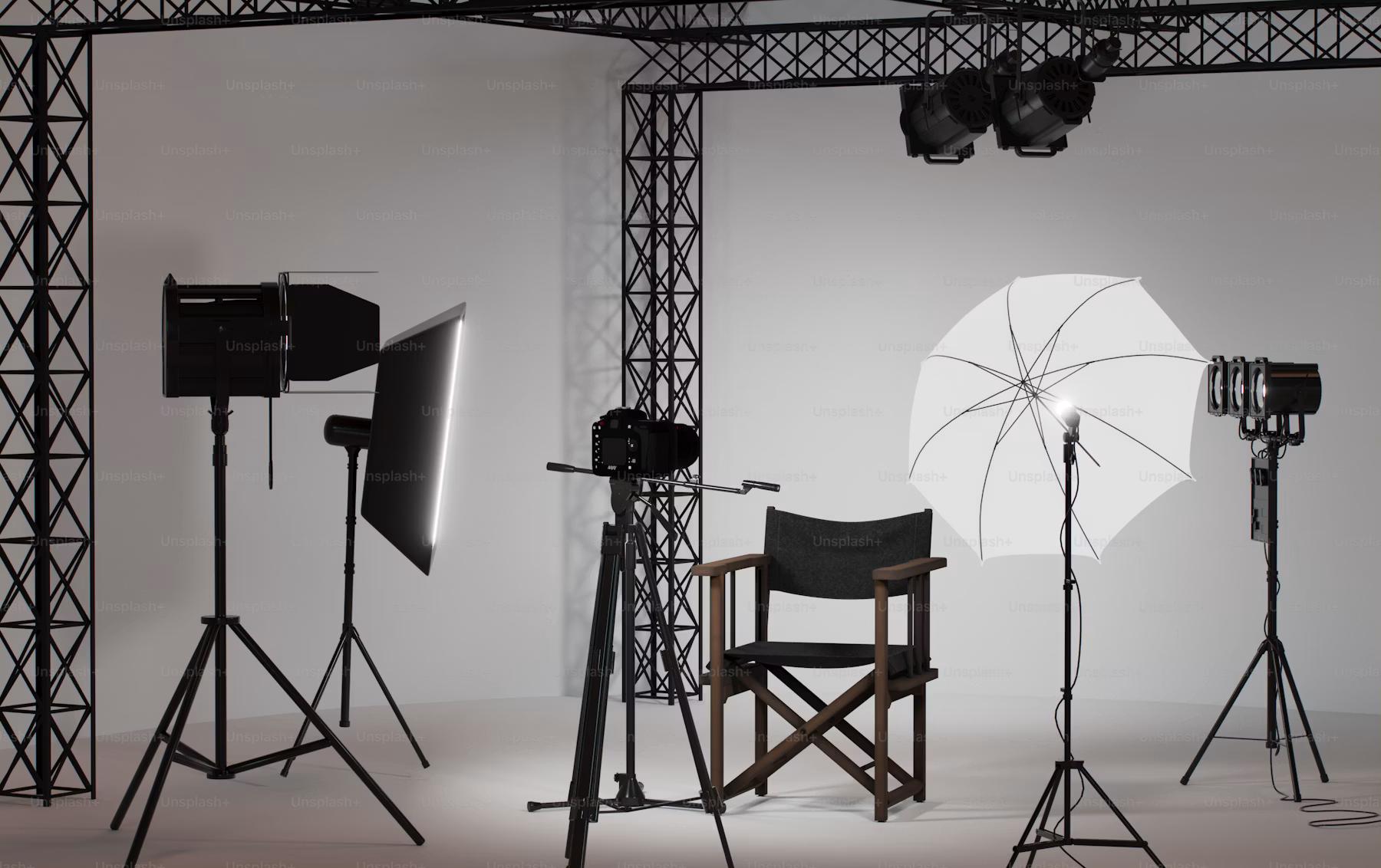
Photo studio with a chair, umbrella and lighting equipment by Planet Volumes Unsplash License
Rent Out a Photo Location: Apartment, Studio or Garden as a Bookable Shooting Space
Photo locations need different preparation than film locations. Learn how hosts can offer apartments, studios, gardens or ateliers for shoots.
Renting out a photo location is often easier than hosting a large film shoot, but it is not automatically simple. Photo and content teams need light, backgrounds, styling space, power, quiet, clear rights and a fast handover.
Key Takeaways
- Photo locations depend on light, backgrounds, styling space and multiple usable angles.
- Small teams still need rules for furniture, props, private items and reset.
- Daylight should be described concretely: direction, timing, direct sun and blackout options.
- Even for smaller shoots, you can review every SetScout request before you commit.
How photo locations differ
Photo jobs are often shorter, smaller and lighter on set build. In return, surfaces, daylight, backgrounds, reflections, styling, makeup, wardrobe, product staging and quick changes matter more.
Apartments, ateliers, lofts, gardens, rooftops, showrooms and small studios can work well when they offer multiple perspectives. A neutral table can matter more for a product shoot than a large sofa.
Photos for the listing
Show more than social-media angles. Productions need room depth, windows, light direction, outlets, ceiling height, walls, floors, doors, mirrors, side rooms, bathrooms, kitchen, exterior areas and styling zones.
Publishing a SetScout listing requires at least four processed images including a hero image. For photo locations, more good images help because decisions are strongly visual.
Short bookings still need rules
A three-hour shoot can still scratch floors, disturb neighbors or expose private areas. Define crew size, shoes, furniture movement, wall use, product storage, makeup, styling and reset.
Rights and private objects
Photo jobs often create stills for social ads, websites, ecommerce, press or campaigns. Clarify which art, brands, family photos, design objects, screens, license plates or neighbor areas may appear.
When light, rules and image rights are clear, add your photo location to SetScout.
What photo teams need to know
For photo work, repeatable light is often the main question. Describe window direction, brightest time of day, direct sun, shadows, blackout options, power, Wi-Fi and whether flash or continuous lights are allowed. For product, fashion and content, mention styling space, makeup area, clothing rack, mirrors, table surfaces and client seating.
Position the space clearly
- Apartment: lifestyle, interiors, social content, interview, editorial.
- Studio: controlled light, neutral surfaces, product, portrait, repeatable series.
- Garden: food, family, fashion, outdoor content, seasonal looks.
- Atelier: material, patina, creative work environment, authentic backdrops.
How booking works on SetScout
SetScout does not treat your location like a loose classified ad. The listing captures category, tags, address, basic facts, facilities, photos, areas, rules, price, cancellation policy, booking lead time and availability, so productions can review practical conditions as well as the look.
A request is non-binding at first. It includes the project, the requested dates, an offered price and a short brief, and it opens a conversation about your listing. You review the request in your host inbox and can accept, decline or send a counteroffer with a different amount.
Once you accept, the production either books directly or arranges a recce (a short scouting visit) first. Depending on the project, the next steps can include settling the final price, signing the location contract, an insurance check and payment via Stripe Checkout. Your payout then arrives in two EUR instalments.
Practical checklist before accepting
Before accepting a request, run through the hard production points in writing. That way an attractive location will not fail on shoot day because access, neighbors, protection or responsibility was unclear.
- Project type, scene use, crew size, shoot hours and requested areas are clearly named.
- Insurance, contract, point of contact and payment are clear before you accept.
- Parking, loading, elevator, power, Wi-Fi, toilets and side rooms fit the request.
- Protection, cleaning, trash, reset and final inspection are discussed before acceptance.
- Neighbors, house rules, owner approval and restricted areas are accounted for.
Recommended articles
More posts you might be interested in

none by Jakub Zerdzicki All photos and videos on Pexels can be downloaded and used for free.
Tax rules for income from renting out a film location
How to report profits from renting out your location correctly for German tax purposes
Inventorying film equipment before a location shoot by OpenAI image generation for SetScout Original image generated for SetScout; no third-party source image used
Film Equipment Insurance: Documenting Owned and Rented Gear
A practical checklist for cameras, lighting, sound and rented film equipment: confirm inventory, values, transport, storage and claims procedures before the shoot.
Film insurance for a production at a prepared location by OpenAI image generation for SetScout Original image generated for SetScout; no third-party source image used
Film Insurance for Productions: Coverage, Costs and Location Risks
Which insurance modules a film production should review, which details affect the premium and how to include locations properly in the risk assessment.