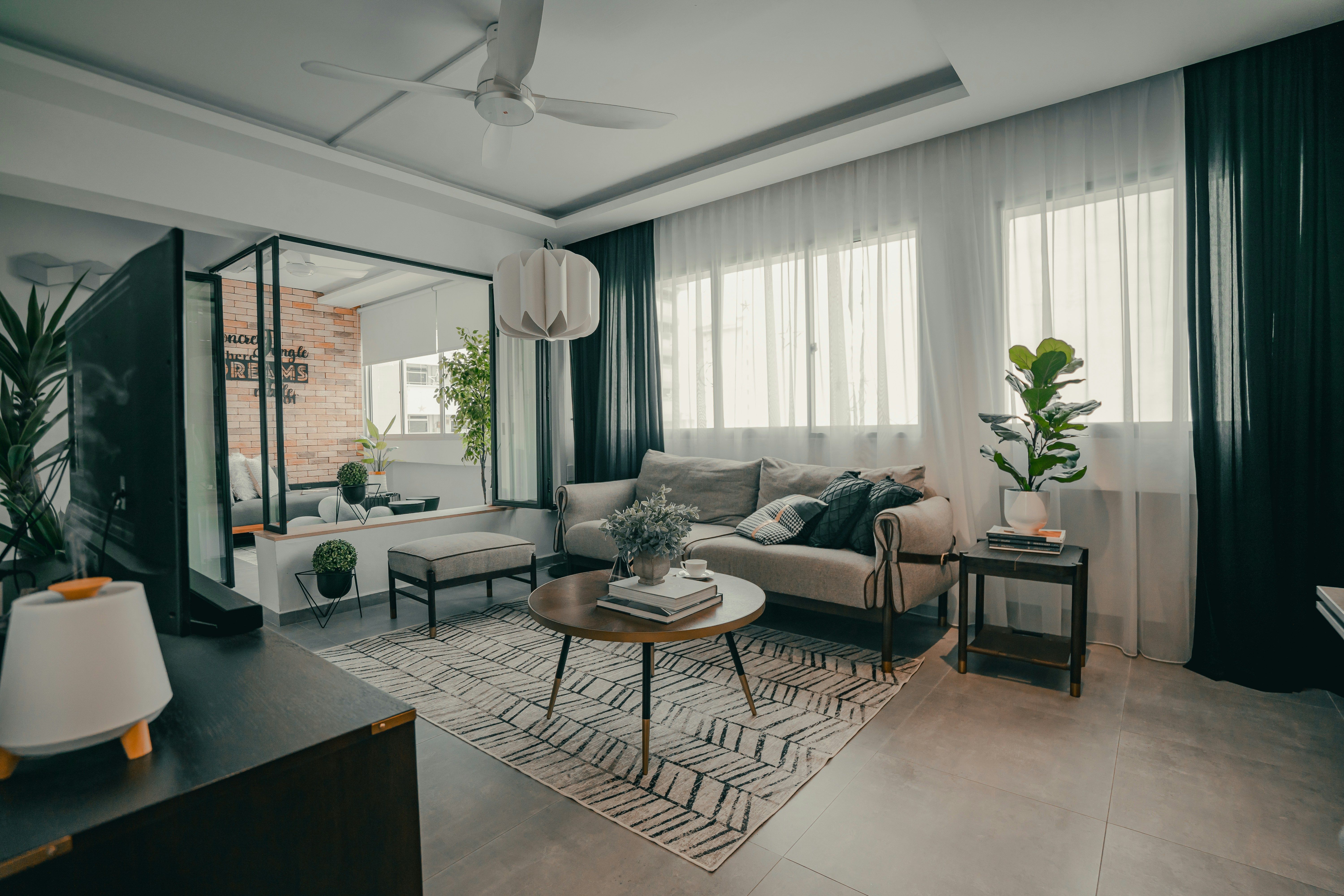
A comprehensive guide that covers everything you need to know about searching for film locations.
This comprehensive guide is aimed at anyone who wants to learn more about location scouting for films: emerging production companies and location scouts, low-budget filmmakers and film students. It covers every aspect of finding shooting locations – from the basics and legal issues to best practices and practical checklists. In short, everything you need to find the perfect location for fictional film productions of any size.
In a film production, the choice of location can determine whether a scene succeeds or fails.Location scoutingrefers to the process during pre-production of finding suitable shooting locations and assessing their suitability for the shoot.
This is not just about finding visually suitable backdrops, but about gathering comprehensive information on every potential location – from visual aspects to logistical details. The goal is to provide a location for each scene that meets the creative requirements (mood, aesthetics, period) and at the same time is practically feasible (accessible, safe, affordable, with filming permits, etc.).
It’s not uncommon for an entire crew with expensive equipment to be on set and then be held up by issues that were actually foreseeable. Good location scouting is meant to prevent these kinds of surprises. A carefully chosen location can make the shoot significantly easier, while an unsuitable one can lead to delays, additional costs, or compromises in quality. That’s why location scouting should start early in the pre-production phase and be closely coordinated with directing, production design, production, and other departments.
The objective of the location search can be summarized as follows:
· Creative fit:The shooting location should convey the setting described in the script in a believable way. Ideally, the location itself becomes acharacterin the film that supports mood and story. This must be clarified in particular with the director and the camera department, who safeguard the creative vision.
· Practical feasibility:A location may be visually impressive, but it also has to belogisticallyworkable. This includes access for trucks and equipment, sufficient space for base, camera, lighting and crew, as well as existing infrastructure (power supply, sanitary facilities, etc.). Equally important are legal feasibility (filming permits, owner’s permission) and safety. And the noise level of the surroundings can also be crucial for achieving good sound recordings.
· Staying within budget:The location should fit the financial concept. A location that entails high rent or travel costs must be weighed against its benefits. A targeted search can reveal more cost‑effective alternatives without compromising the creative vision. Budget restrictions.
Depending on genre and the mood of the film, the requirements for the shooting location vary significantly. Genre alignment is an important first step: the chosen location should support the genre both visually and atmospherically. Here are some examples:
· Drama / Romance:Authentic everyday locations or idyllic settings that carry emotion. A romantic comedy benefits from lively, welcoming environments – for example a charming street café, a blossoming park, or a bright city apartment. A warm atmosphere is important, potentially in busy places with visible “life,” as long as any sound issues can be managed.
· Thriller / Noir:Darker, high-contrast locations. Narrow alleys at night, abandoned warehouses, subway shafts, or neon-lit streets create tension. Here you need to pay particular attention tolight sources and shadowsto capture the desired mood.
· Horror:Rather isolated, eerie places – for example an abandoned house, a patch of forest in the fog, or an old factory ruin. These locations should convey a sense of threat or loneliness. At the same time, such locations come with specific challenges: they are often remote (logistically demanding), may be dilapidated or dangerous (check safety!), and may require extensive permits (e.g. for night shoots in the forest).
· Historical film / period piece:Authentic historical settings are in demand. These can include listed buildings, castles, old town alleys, or museums. What matters isperiod accuracy– modern elements must be removed or concealed (antennas, traffic signs, etc.) or later digitally retouched. Historical locations often requireadditional coordinationwith authorities (monument protection) and careful handling, also for sustainability reasons (protecting valuable building fabric).
· Action:Large, open locations for chase scenes or stunts (e.g. wide roads, parking lots, industrial sites) or special locations such as airports, train stations, etc. Here, safety is the top priority – barriers, stunt and fire department supervision are usually required. At the same time, there must be enough space for high speeds, stunt equipment or pyrotechnics. Action locations also require extensive permits and often cooperation with local authorities (road closures, police).
· Fantasy / Science Fiction:Futuristic or unusual locations (modern architecture, high-tech labs) or neutral “blank canvases” (such as large halls, greenscreen studios) that can be transformed via VFX. In sci-fi you often have to get creative and improvise: an inconspicuous place can become an alien world with the right set design. What matters is that the environment is controllable – productions often shoot as a studio/on-location hybrid: real sets combined with extended digital backgrounds.
The available budget has an enormous impact on location selection. Approaches differ here between large-scale productions and low-budget/no-budget films:
Larger budgets make it possible to realize almost any desired filming location – whether by traveling to original locations abroad, renting high-profile locations, or building sets in the studio. Expensive set buildsoffer maximum control (weather, light, noise) and can match the script exactly, but are costly.
Many film productions opt for a mix: real locations for exterior shots and studio sets for interiors, in order to balance authenticity and control.
A high budget framework also makes it possible to secure alternative shooting locations (backup locations), carry out elaborate modifications to locations, and implement extensive logistical measures (e.g. closing off entire streets, vehicle fleets, etc.).
Nevertheless, even at the high end, budgets have to be managed sensibly: funding and incentives often influence the choice of location. In Germany, there are regional film funds that require spend within the respective federal state (funding effects). And abroad, there are often tax rebate systems that reimburse a percentage of the money spent there. Producers weigh up tax incentives or subsidies before deciding on a shooting location. This is why major international productions, for example, shoot in regions with film funding or tax rebates, provided the content requirements allow it.
Here you’re operating between the extremes. There is budget for a few secured top locations, but not for everything. Compromises are often made: a costly location might only be rented for key scenes, while less important scenes are shot at more affordable places. Or the story is adjusted slightly so that filming can take place at a more cost-effective location. With a lot of work in the production office, you can sometimes save on bringing in a location scout.
When resources are very limited, creative solutions are needed. The motto is often: maximum production value for the money. In practical terms, this means finding locations that cost little or nothing, but still look cinematic.
Your own locations and relationships become important here: perhaps a friend’s house can serve as a filming location, or a local business will let you shoot after closing time – often free of charge or for a small expense allowance.
Authorities sometimes support student films and indie productions in a flexible way, for example by charging lower fees for filming permits.
The key is to choose locations that are as close together as possible to save on transport costs and time.
For no-budget projects, it’s advisable to deliberately reduce the number of locations in the script and set multiple scenes in the same places in order to keep the effort involved to a minimum.
In addition, there is a stronger focus on using existing conditions instead of costly conversions: a basement that already has atmosphere may need only minimal dressing to serve as a horror setting.
Across all budget levels, one thing applies: careful planning can reduce costs. For example, remote, hard-to-reach places are often more expensive (transport, crew accommodation) than urban, well-connected locations.
Permit fees or requirements for filming (chaperones, fire department, cleaning) can also vary greatly depending on the type of location – this needs to be factored in at an early stage.
In case of doubt, it’s worth considering alternatives: Could a green screen or miniature model work instead of the original location? Can a scene be rewritten so it can be shot in a more cost-effective place? Questions like these accompany the creative process to ensure that, in the end, both the visual quality and the budget are on target.
In summary:The script defines the look and atmosphere of the locations, the budget defines how feasible they are. A good location scout or production manager always considers these two dimensions together. This is how you arrive at a realistic location plan that is artistically convincing and practically achievable.
The search for suitable filming locations is both detective work and a creative research process. There are various methods that should be combined depending on the project:
The internet is a powerful tool. There are numerous location databases – both public portals run by film commissions and commercial location agencies. For example, the film commissions of the federal states or individual cities operate online catalogues with filming locations across Germany. In such databases you can apply certain filters and view photos, descriptions, and contact details. The advantage: these places are generally film‑friendly and have already hosted shoots – so you can assume that permits are fundamentally possible and that the owners are open to productions.
In addition to government databases, there are platforms such as Locationhero, Locationrobot, Luricky, Giggster or Peerspace, which broker locations based on the Airbnb model (particularly popular for photo shoots and commercial shoots).
DisadvantageThese location databases usually contain between 500 and 1,500 filming locations and are not easy to search. Anyone looking for very specific locations, such as a green kitchen, has to sift through hundreds of locations and look at the images to find such a kitchen.
In such cases, a visual meta search engine is often the better choice, one that, like Skyscanner or Check24, aggregates filming locations from across the web into a single index and makes them visually searchable using AI. One example of this is SetScout.
Traditional search engines and social media platforms are surprisingly helpful.Google Maps/Earthenablesvirtual scouting: in satellite mode you can explore terrain and buildings from a bird’s-eye view, useStreet Viewto take virtual walks along streets, and with tools like Google Earth Pro even simulate the position of the sun at specific times of day.
Social platforms are helpful: with hashtags or geo-tags you can find real locations that people have photographed. For example, if you are looking for an enchanted lake in Brandenburg, you could search hashtags like #Brandenburg #See #Morgennebel – you might come across exactly the right setting via photos from day-trippers. Photography communities** (Flickr, 500px) or websites such as locationscout.net (primarily for photographers) can also provide inspiring spots. Tip: influencers and photographers often tag photogenic places; their posts are indirectly location ideas. Of course, this does not replace an on-site visit later on.
The film industry runs on contacts. Often, the informal route gets you where you need to go:ask colleagues, film schools, and regional film networksfor recommendations. Maybe a camera operator you know has recently shot in a great factory hall, or a production manager at another company can recommend a school that allows filming.
In Germany, almost all federal states have a Film Commission or cities have a film office that can provide advice. These contact points cannot always directly arrange a location, but they know the local conditions well and can offer tips on where to make inquiries and which authorities are responsible. It can also help to ask for advice in communities (e.g. Facebook groups for filmmakers) – sometimes locals share their insider tips.
Example: In a low-budget group, someone might offer their office free of charge in the evenings or put you in touch with the owner of a café. A broad network is one of the most important tools for location scouts – the best shooting locations are often off the official radar and are found through personal recommendations.
If budget and scope allow, commissioning an experienced location scout or a location agency can be very worthwhile. Professional scouts usually have their own archive pool of locations and know their region inside out.
They know which owners are good to work with, which locations are available and affordable, and which pitfalls to watch out for. They also handle preliminary research, take photos, and present a selection of options.
One advantage: a scout thinks both creatively and logistically. Good scouts not only pay attention to the visuals, they also check during the search whether the location is practically feasible – enough space, access, whether the owner allows filming at all and at what price. This saves the production time and protects you from unpleasant surprises.
Especially for international shoots or in unfamiliar cities, a local location scout is often indispensable for handling official procedures and navigating cultural specifics. Many film commissions (e.g. Film Commission Bayern) also offerto support scouting for foreign projectsin order to make their region more attractive.
Disadvantage: Location scouts are often associated with higher costs and are frequently not affordable for low- and mid-budget projects. They often charge daily rates of 500€ and additionally take a commission of 10–15% based on the total rental price for a filming location.
An unorthodox but useful approach is to draw inspiration from existing works. Are there films with a similar mood? Where were they shot? Film databases or DVD bonus material often reveal the locations of famous scenes. If, for example, a particular Berlin period apartment in a series felt very authentic, it’s worth checking whether this apartment actually exists or was a set.
Location guides (as books or websites) that list famous film locations can also be helpful. However, popular film locations (e.g. the Brandenburg Gate or Neuschwanstein Castle) may be iconic, but they are logistically demanding and not very original. So it’s better to use them for inspiration, and then filter according to the specific needs of your own project.
Tip:From the very beginning, create a list of potential locations (e.g. in a spreadsheet or notes app) where you collect all promising ideas – including links, contact details, and first impressions. This helps you keep track of the available options and weigh up the pros and cons. It’s often worth researching several alternatives for each planned shooting location in case one doesn’t work out. This systematic approach pays off in the next phase – the recce/visit.
Here is another list of tools and resources that make it easier to find and evaluate locations.
--> Anyone who wants to search all of these sites at once with an easy-to-use search can use SetScout.
For larger productions, there is software that makes managing locations easier. Tools like Yamdu, StudioBinder or PreProducer offer modules to centrally store location data, upload photos, manage approvals, and even enable team access. This allows you, for example, to provide all department heads with a digital location folder. These tools are less relevant for the actual search, but indispensable for organization when there are dozens of shooting locations.
An advanced tool for presenting locations is drone footage or 360-degree panoramas. A location scout can use a drone to capture aerial shots of the location to give the director an overall impression of the surroundings and access routes, and to show the technical crew, for example, where a crane could be positioned or how isolated the site is.
360° photos (taken with special cameras or now also with smartphones) make it possible to later look around virtually back at the office and view the location from every angle. These technologies are not strictly necessary, but they can create a professional impression and help prepare the team in advance for the on-site conditions.
Once you have identified a promising location, the next step is perhaps the most sensitive part: making contact and negotiating with those who decide on its use – that is, the owners (or managers) and, where applicable, the relevant authorities. A professional and transparent approach is absolutely essential here, both to obtain approval and to build strong long-term relationships.
First contact with private owners:Locations are often privately owned – whether a house, a shop, company premises, or a factory. If possible, the initial approach should be made throughpersonal contact. This can be a phone call or – for publicly accessible places – a brief visit on site to identify the person responsible.
Introduce yourself and the project politely: Who are you (e.g. film student, independent production, or commissioned location scout for a company), what is planned (type of film, rough scope of the shoot), and why you have set your sights on this particular location.
Authenticity and enthusiasm can help: owners often respond positively when they sense that their place will play an important role in the film. At the same time, you need to be honest about the impact: how many people will be coming, what equipment you’ll bring, how long you plan to shoot there, whether loud effects or night shoots are planned, etc. This information is important so the person can assess what they are agreeing to. Many people have no idea how much work a shoot involves – this is where you need to explain things clearly, without scaring anyone off.
Negotiation and agreement:If there is interest in principle, the next step is to go into the details.Location fee(location rental) is a key topic: for low-budget projects you can hope for goodwill (“We can unfortunately pay very little, but we can offer an end credit, an invitation to the premiere, and of course we will provide insurance coverage”), while for professional projects a rental price is negotiated.
One key point to understand here is: there are no fixed rates, the amount of the location fee is freely negotiable. Often, people refer to comparable figures: for example, for apartments a rough guideline is about one month’s net rent per shooting day; for longer shoots, a flat fee is more common. For vacant or unused buildings, the rate is usually lower, as no residents are being disturbed.
In addition to the price, further points should be discussed:Schedule (including setup and dismantling times), Restoration and cleaning (will everything be restored to its original condition? Who is responsible for final cleaning?), Liability for damages (confirmation that the production has liability insurance), any restrictions imposed by the owner (e.g. “Please do not repaint the walls, or if you do, repaint them back afterwards”, or a no‑smoking rule indoors, protection of delicate floors, etc.).
These points are usually included in a location agreement, which absolutely must be concluded. Such an agreement protects both sides: the production knows what the owner has agreed to, holds the rights to exploit the footage created at the location, and the owner has written confirmation of what is permitted and that, for example, in the event of damage the production is liable.
Tip:Present yourselfprofessionally, but not unapproachably.This is especially important if you are not a major production: personal trust helps. Put yourself in the owners’ position: they are giving strangers access to their property. Show that you understand their concerns. Offer to arrange an on-site meeting in advance, where you walk through all rooms and clarify any questions. This often helps to ease worries – for example by explaining that the crew will be considerate, lay down protective mats, store away delicate furniture, etc.Be sure to keep these promises!If you say you will wrap by 10 p.m., then make sure you do. Good communication and reliability mean that owners will be happy to host film crews in the future. Negative experiences get around and make negotiations harder for future productions.
As soon as public areas are involved (e.g. shooting on streets, squares, parks) or special permits are required, you can’t avoid dealing with the authorities.
It is advisable to get in touch early, as processing times can take several weeks. In Germany, the responsible authority is usually the municipal public order office (Ordnungsamt) or, for federal highways/motorways, the relevant road traffic authority.
Many cities – especially media hubs like Berlin, Munich, Cologne – have their own film offices, which act as an interface and can say exactly which authority is responsible for what, or issue permits themselves. Some cities, such as Cologne and Munich, provide forms and specify lead times of around 10 working days.
The tone towards authorities should be formally polite and precise. An application for a filming permit typically includes: details of the production company, on-site contact person, date and time of the shoot, exact address or description of the location, description of the scene (important for assessing whether, for example, loud effects or crowds are to be expected), a dimensioned plan of the area, and a list of the planned setups on public property (tripods, lights, scaffolding, cable runs, barriers, parking spaces for vehicles, etc.).
In Munich, for example, a standardized location sheet is used as the application form, which covers all of these points.
Important: It’s better to apply generously – for example, for a bit more time than you actually need, or a few extra parking spaces – because adding things later is harder than simply not using something that has already been approved.
The authority reviews the application, coordinates with other offices if necessary (traffic authority, police, parks department as required), and then issues a filming permit / special use permit, often linked to conditions and fees.
In many cases, very small shoots that do not significantly affect the public and use only minimal equipment (handheld camera, no closures, no vehicle presence) do not require a permit.
Nevertheless, caution is advised: municipalities interpret what counts as “permit-free” differently. It’s best to ask in advance or, if in doubt, submit an informal shoot notification (e.g. an email to the public order office: “We are shooting at such-and-such location, we are 3 people, no equipment apart from the camera – for your information”). In sensitive areas (government district, train stations, airports), you should always request permission in advance, even with a small team, to avoid conflicts.
If a permit requirement applies, the on-set procedures are coordinated with the authority in charge. The city may impose additional conditions, for example that residents must be informed about night shoots, that a municipal enforcement officer must be present on site, or that noise levels must be reduced to a certain level after 10 p.m.
Also traffic control measures (no-parking zones, road closures) are regulated here. As a production manager you have to take this very seriously – these requirements serve safety and a smooth process. An approved shoot also enjoys protection: within the approved framework, the team is allowed to work without being held liable for noise or obstruction of traffic. The police must be informed so that no unnecessary interruptions occur.
Tip: Important to know: Different locations = different authorities. For federal highways (Autobahnen), for example, the road construction authority/state road agency is responsible; for rail facilities, Deutsche Bahn (DB press office for stations/tracks); for bodies of water, possibly the Waterways and Shipping Authority. If it’s unclear, ask the municipal film office to confirm.
Build a relationship of trust – both with private owners and public authorities. For property owners, it can be a nice gesture to leave a small token of appreciation after the shoot (e.g. flowers, a thank-you card) and invite them to the preview so they can see what became of their location.
With public authorities, it pays offto be reliable: strictly adhere to the times stated in the application, report when filming is completed, and leave public spaces clean.
Next time, people will respond positively when they hear your name. For series or recurring formats, you’ll build a routine with the cities this way. And remember:Stay friendly and patient.Sometimes it takes several phone calls or follow-ups before all permits are in place. Don’t push rudely – officials follow defined procedures. If time is tight, a Film Commission staff member may be able to mediate, or you can arrange an in-person appointment.
In summary: Successful communication is based on honesty, clarity, and reliability. Essentially, you are selling the idea that a film shoot does involve effort, but also brings benefits and will run smoothly and professionally. If you can convey this sense of trust, most doors will open.
In this section, we bring together the key legal and organizational obligations related to the location – the dry but essential side of searching for a film location.
Filming permits in public spaces:As already mentioned, filming on public property generally requires a permit from the relevant authority.
Usage agreements (location contracts) with private individuals:Filming in or on private property always requires the owner’s consent. Even though verbal agreements are theoretically valid, it is strongly recommended to conclude a written location rental agreement (Location Agreement). This contract defines the rights and obligations of both parties: the owner (location provider) permits the use of their property for the purpose of filming, and the production company agrees to certain conditions (paying rent, compensating for damage, limiting the period of use, etc.). Such a document protects both sides, as described above. In Germany there are sample templates, for example from the Bundesverband Locationscouts (BVL), which provides a standardized location rental agreement as a PDF/Word file[Link zum PDF].
This usually covers the following points:
Both parties sign this contract. This provides legal security in case of any later disputes (for example about a scratch in the parquet floor – in that case, you refer to what the contract says about damage).
A very important point – not only because of contracts, but also for your own protection. Every professional production should have a production liability insurance policy in place. This covers personal injury and property damage that occur in connection with the shoot (e.g. a lighting unit tips over and damages the floor or injures someone).
Without insurance, the producer or organizer is personally liable in case of doubt – an immense risk. Therefore: take out appropriate insurance already in the planning phase. For student films, there are often framework agreements via the university or associations. Many cities require proof of insurance when issuing filming permits, especially if public property is involved.Important:In the event of damage, document everything immediately (photos, report) and notify the insurer so that the claim can be processed quickly.
A sometimes overlooked aspect: what if there are protected works visible at the shooting location (e.g. paintings, art objects) or people who do not want to be filmed? Strictly speaking, you must obtain usage rights from the copyright holder for copyrighted works (art, architecture).
If the artwork is shown prominently, and possibly even as an important element of the film or series, you must obtain usage rights from the copyright holder. This applies EVEN if the image was purchased from the property owner, because usage rights are not transferred in that process. If it is at most a secondary element that is only partially visible in the background and does not play an artistic role, you are on the safe side. If the work is located in a public space, it falls under freedom of panorama (this does not apply to interiors).
Some filming activities require additional permits:
The legal aspects may seem tedious, but they are the backbone of the production. When contracts and permits are in good order, you can focus on the creative work on shoot day, knowing that everything is legitimate.
Otherwise, the risk of cancellation or conflict is always present. Low-budget teams in particular should not be careless here. Ignorance is no defense, and a missing piece of paperwork can, in the worst case, mean fines or a shutdown of the shoot. Better to handle a bit more bureaucracy in advance than face chaos during production.
Behind every beautiful location there is a lot of organization. As soon as a filming location is seriously considered, numerous logistical questions need to be answered and planned. These aspects determine whether the shoot day runs smoothly. Here is a checklist of key points:
How can crew and vehicles reach the site? Is the location easily accessible by road, or are there restrictions (e.g. old town with bollards, pedestrian-only zone, narrow access)? Do you possibly need to plan for shuttle runs from the nearest car park or train station? Ideally, a truck or Sprinter should be able to get close to the location, especially if heavy equipment needs to be unloaded.
Is there sufficient space on site to park the production vehicles (equipment trucks, catering trucks, crew cars)? If not, you will need to apply for no-parking zones, or arrange a central parking area and shuttle. When applying for the filming permit, you should request parking zones at the same time. Also consider resident parking – blocking residents’ parking spaces can cause resentment, so plan in a way that avoids unnecessary disruption (if necessary, inform residents in advance and ask for their understanding).
Hardly any shoot can take place without power. Check early on whether the location has sufficient power outlets and what type they are. In buildings you usually find standard 230V Schuko sockets, but can you run larger fixtures on them? For lights over 2kW or several at once, you often need three-phase power (380V/400V Starkstrom). Many commercial buildings have three-phase connections (32A or 63A CEE outlets). If that’s not the case, consider alternatives: generator (rent a silent generator) or switch your equipment to LED lighting that can run on household power. If you use a generator: where can it be placed (noise! exhaust fumes!) and who will operate it? Plan your cable runs – sometimes you need to lay dozens of meters of cable; make sure you have enough cable ramps to avoid trip hazards.
Especially for interior shoots: Is there enough space on site for make-up, wardrobe, director’s discussions, and a holding area for actors? One thing that’s often underestimated: in private apartments, for example, there are hardly any side rooms; in that case you may need to rent an additional apartment as a green room, or at least provide a heated tent outside. For exterior locations, a base camp should be organized nearby (perhaps you can use a room in a nearby restaurant, or bring in motorhomes). Toilets are another issue – are there any on site, and are they accessible? Are there restaurants nearby? If not, Dixi toilets or mobile restroom trailers will need to be rented.
Is the location weather-protected? If you are shooting outside: Is there shelter in case of rain? Do you need to set up a tent or pavilion to protect equipment/talent? In full sun: arrange shaded areas for the crew and provide enough water (sun protection is also part of logistics!). Also: How does the location behave inbad weather– does bare ground turn muddy and become impassable? Is there an alternative access route if the primary way is flooded? Consider whether special measures are needed in extreme weather (storm, snowfall). Ideally, you have abad-weather planfor exterior shoots (more on that later).
A location does not end at its property line – you also need to consider the surroundings. Will residents or neighbors be affected? In residential areas you should inform neighbors early (e.g. by putting an information letter in their mailboxes stating date, time, and contact person, and asking for their understanding). This helps prevent complaints. Assess the noise level: film crews are loud (set-up, tear-down, generator, acting scenes). If you are shooting in an apartment building, you should involve all tenants and, if necessary, put them up in a hotel temporarily or compensate them if there is no other option. Better that than having an angry neighbor call the police in the middle of the shoot.
Make sure that all permits are available in writing and that you get any required keys or access cards in good time. It sounds trivial, but it happens: shoot starts at 6 a.m., and nobody remembered to pick up the key for the gate – the crew is standing in front of a locked site. Agree in advance who will unlock (does a crew member get the key beforehand? Do you meet the caretaker in the morning?). You should have the names and contact details of key people (owner, caretaker, property manager, security service) ready. Also clarify: Who locks up at the end? Possibly a handover protocol (especially for sensitive locations, you do a final walk-through together for sign-off). It’s also helpful to know the location and access for the fuse box.
Besides power, there are other points:Network coverage – do you have mobile reception at the location? If you need internet, for example for a livestream to the director, you have to check this in advance.Fire safety: In some locations (e.g. public buildings) there are fire safety regulations: you are not allowed to block emergency exits, use open flames without fire department supervision, etc. You should clarify these kinds of issues with the person responsible for the property beforehand.
Logistically, therouting of accessis also important: How does the equipment get from the truck to the set? Do you need to use an elevator (load capacity, key required?), how many stairs are there to climb? Note these details meticulously so that there are enough crew or aids (dollies, ramps) available on the shoot day. You should also know whether there areloading timesor access restrictions (some city centers, for example, only allow delivery traffic at certain times of day).
It is advisable to record these points in a logistics checklist for each location. Many productions create a location sheet for every shooting location that compiles all key information in one place: address, contact person, directions, parking layout, nearest hospital, nearest workshop, etc. This information later also goes into the schedule or call sheet so that the entire team is informed.
Overall, logistics often require just as much attention as the creative staging. A fantastic location is of little use if the crew arrives hours late because of traffic chaos or the power keeps cutting out.Anticipationis the key: think through every possible problem in advance and have solutions ready. That’s what truly makes a location “ready to shoot.”
Especially for newcomers and filmmakers with a tight budget, location scouting can become a major challenge. But necessity is the mother of invention – there are many tricks for securing great locations with little money.
Ask yourself which locations are already accessible to you or your team. Your own apartment or your parents’ house, your uncle’s allotment garden, a friend’s office, the shared flat kitchen – all of these can be low-cost shooting locations.
Maybe someone on the team works in a café or a school and can ask for permission. Personal relationships open doors that would otherwise stay closed.
Important: Maintain a professional attitude, even when you’re shooting “at friends’ places.” Put the ground rules (times, cleanup, etc.) in writing to avoid misunderstandings. And show your appreciation. A small gift or a mention in the end credits is the least you can do when people let you use their space for free.
Many public places cost nothing as long as you keep the setup small.Guerrilla filming(shooting without official permits) is risky, but if you only shoot a scene with a handheld camera and two actors, for example in a pedestrian zone, it can work as long as you don’t disturb anyone.
Use off-peak timesUse them. On Sundays, public holidays, or very early in the morning, many places are practically deserted. A city-center shoot at 5 a.m. may be possible where at 10 a.m. you wouldn’t get through at all. So consider scheduling your shoots outside peak hours. You can also make use of the weather: on a rainy Sunday, parks are empty and you may be able to shoot there without being disturbed.
However, be aware of the risks – as soon as larger setups or long shooting days are involved, it’s better to ask for official permission.
You might be able to exchange a location for a service. For example, the owner of a record store might allow you to film there if you produce a short promotional clip for the shop in return. Arrangements like this can be a win-win for both sides.
Sometimes it also helpsto ask publicly,for example in Facebook groups (“Film shoot looking for barn”) – you’ll be surprised how many people find this exciting and are happy to help for free, simply because they want to be part of a film project. Especially for short films and student films, there is a certain willingness to support.
If necessary, rewrite your script to reduce or simplify locations. A chamber piece set in one place can be just as exciting as five chase scenes across half the city. Concentrated locations save a huge amount of money. A classic example: many indie films take place largely in a single apartment or one house, which the team could fully dress and adapt. Maybe scenes originally planned for different places can be combined at a single shared location. For example: instead of shooting a police station and a hospital scene separately, you might be able to use a large office building to stage both a makeshift “station” and a “hospital corridor” – simply by redressing the set.
Forests, beaches, meadows. Naturally, nature conservation rules and, where applicable, permit requirements also apply here (strict in nature reserves, and regulated in urban parks as well). It is often difficult to identify the owners of woodland and meadows, but once you overcome this hurdle you can often shoot for a small fee or even free of charge. No infrastructure, weather-dependent.
If you are shooting student projects, feel free to mention that in your inquiries. Many institutions offer special terms for educational productions. Companies, museums, and private individuals are often helpful as well (image: “We support emerging talent”).
The topic of sustainability is also becoming increasingly important in film production. “Green shooting” has now become an established term: it is about keeping the environmental impact of a shoot as low as possible. In countries like Austria, there is an additional 5% tax rebate if green shooting requirements are met. Sustainability therefore also has financial incentives. The choice of locations and the way you shoot there play an important role. Here are some approaches for acting in an environmentally conscious way:
One of the biggest sources of CO₂ emissions during productions is travel and transport. Plan your shooting locations so that unnecessary back-and-forth trips and long journeys for crews, especially flights, are avoided. This means, for example, clustering locations geographically (better to shoot all setups in one region than to film in the north of Germany today and in the south tomorrow). Where possible, shoot multiple scenes at the same location or in the immediate vicinity instead of constantly moving the team.
If long-distance travel is required, look into more environmentally friendly alternatives: for example, can you take an overnight train instead of a domestic flight? Does the entire crew really need to travel, or can you hire local staff?
Encourage the crew to come to set by train, bus, or in carpools. If many people are staying at the same hotel, you might be able to organize a shuttle bus. In large cities, public transport tickets could be provided instead of mileage or travel allowances.Carpoolingis a simple measure with a big impact.
Choose locations where you have access to power and avoid using diesel generators. LED lighting consumes far less power than conventional halogen/HMI fixtures and can, in some cases, be operated with battery solutions.
One essential point:Leave the location as you found it – or in better condition.This means: Do not leave any trash behind (waste management plan, waste separation on set), no permanent changes without restoring them afterwards, and respect flora and fauna (no off-road driving with vehicles, protect plants). In natural areas, the following applies: Do not leave marked paths, do not disturb animals (adjust shooting times, take breeding seasons into account).
Film shoots can be complex and full of unpredictable events. That’s why risk management is an integral part of location planning. It’s about identifying potential hazards on set at an early stage, taking preventive measures, and being prepared for emergencies. The safety of crew, cast, and any audience present comes first – no shot is worth someone getting hurt. Here are the key aspects of risk mitigation:
For every filming location, a risk assessment should be carried out, ideally as part of a technical location check.
Identify potential hazards: Does the building have structural defects (rotten floors, asbestos, low ceilings for a crane)? Is there a fire risk (many cables, open flames planned)? What is the terrain like (slopes, bodies of water, risk of falling rocks in the mountains)?
You should already note such things during location scouting. Officially, a location hazard form is often filled out – larger productions have checklists for this, where you enter, for example, “Location X: tripping hazards, darkness, sharp edges, etc.” and then plan countermeasures. For sensitive locations (e.g. an old industrial building), it can be advisable to bring in a safety expert to assess the set.
Once potential risks have been identified,protective measuresmust be planned. Examples: For shoots in public streets, high-visibility vests for crew members. For night shoots, pathway lighting so no one trips in the dark. In dilapidated buildings, cordoning off unstable areas and mandatory helmets when overhead work is taking place.
Provide fire extinguishers when working with pyrotechnics or smoke. In general, preparation also includes keeping emergency exits clear, knowing escape routes and marking them if necessary. The film crew should receive a safety briefing: at the start of the shoot, point out all hazards once (“Watch out for the low ceiling in the basement,” “Don’t climb onto the roof without permission,” etc.).
For projects with increased risk (action, large sets, stunts, special effects), it is advisable – and in some cases required – to bring in safety coordinators or qualified specialists. These individuals (often stunt coordinators, safety supervisors, or similar) are responsible for checking the set for safety and monitoring all high‑risk procedures. You can also stay in contact with local emergency services.
For challenging locations such as railway lines, personnel from the operating company are usually present on site, and release-of-liability agreements must be signed stating that the production assumes full responsibility. These experts cost money but are vital – consider accidents like the “Midnight Rider” case (2014 in the USA), where a negligent shoot on railway tracks without permission led to a fatality and the director was criminally convicted. Situations like this must be avoided at all costs.
For every filming location there should be an emergency plan B. This applies on the one hand to medical emergencies: Where is the nearest hospital? Who is responsible for first aid on set? Where can a first-aid kit be found?
Does everyone know the address so they can direct emergency services to the location if something serious happens? Are there defined escape routes and assembly points in case, for example, a fire breaks out? Secondly, production-related emergencies: What if a storm suddenly comes up and the shoot has to be stopped – where does everyone take shelter, and where can equipment be stored safely?
As mentioned above, liability insurance coverage is mandatory. Beyond that, it should be clearly defined who is responsible for safety. This is usually the 1st AD on set or a dedicated safety person who ensures that all regulations are followed. They are the point of contact if anyone notices an unsafe condition. Encourage an open culture: everyone on the team should feel able to speak up about hazards without being ridiculed.
Risk management also applies to equipment and data. So: Are cameras and technical gear protected against the weather? If anything is stored overnight at the location, is it only in secured rooms or with security present? Don’t forget on-site data backup (footage copies), and plan the necessary rooms and infrastructure for this.
Make sure that all required permits are in place (otherwise, in the worst case, the authorities can stop the shoot = major damage) and that all contracts are signed (so that no one can later assert claims that were not anticipated). NDAs or filming releases for participants (e.g. extras) are also part of this, to be legally safe.
Ideally, keep a safety protocol on set: who was responsible for safety, what briefings took place, any special incidents. If an accident occurs, it is important to be able to prove that you did everything reasonably possible. Not pleasant, but part of risk management – in the worst case, a public prosecutor or insurance assessor will review it.
In this section, we summarize general best practices – essentially golden rules that have proven effective for location scouts and production decision-makers. They are based on experience and are intended to help organize collaboration around locations in an efficient and professional way:
Start your location search as early as possible. Do a thorough script breakdown and list all locations you will need. Prioritize by importance: secure central key locations first. The more time you have, the greater the chance of finding suitable locations even with a smaller budget.
Location scouts and staff tasked with the search workin service of the visionof directing and production design. Stay in close contact with the director, camera department, and production design to understand their requirements precisely. Communication is very important.
Show them reference photos early and get feedback – this helps you avoid searching in the wrong direction. Nothing is more frustrating than presenting 10 locations that all get rejected because communication broke down somewhere. A good location scout listens and also advises proactively: “You want XY, but keep in mind that we can hardly set up any lighting there, so maybe we should look for Z instead.”
Once potential locations have been found, document them in detail. Take plenty of photos from different angles, in different lighting conditions, with a size reference (a person in the frame for scale). Create sketches or floor plans, note dimensions and special features (ceiling height, access doors, window orientation). Record contact details for owners, points of contact, etc. All of this information belongs in a location dossier. This allows the team to plan from the desk and know what to expect on site.
Once a shortlist has been made, a joint location visit is carried out with the key heads of department (director, DoP, production design, sound, 1st AD). This is where final decisions are made. Each department focuses on different aspects: camera on framing and light, sound on acoustics, and the 1st AD on logistics.
These tech recces are important for identifying problems in advance. For example, the sound recordist may notice that there is a factory next door with constant noise (in which case you might have to change the location after all). Write down all the requirements discussed there (e.g. “we need a platform for the dolly here” or “we have to bring equipment to black out the room”). You can then create checklists so that everything needed is brought along and set up on the shoot day.
As a producer or location manager, you make sure that the Drehplan-Schedule is as location-optimized as possible. This means that scenes using the same location are, where the script allows, shot together to avoid resets and rebuilds. Travel between locations costs time – minimize company moves. If moves are necessary, build in buffer time and clarify in advance how the transfer will be handled.
A location manager often serves as the interface between location providers and the film crew.Maintain these relationships with tact and sensitivity.Be transparent with property owners, but also represent the production’s interests.
Even with the best planning, things often turn out differently.Best practice is to always have a plan B up your sleeve.Whether that’s an alternative location or a bad-weather option. As a producer, you should build some flexibility into the shooting schedule instead of planning everything down to the last minute.
Stick to the agreed rules at the location (house rules, etc.). Make it clear to the team that you are a guest – whether in a private home or a rented castle – and behave accordingly. That means: do not deliberately damage anything, do not enter restricted areas, only smoke where it is permitted, etc. A culture of respect increases the chances that you may be allowed to return in the future. A dirty or damaged location, on the other hand, ruins your reputation and that of future productions.Courtesy and professionalismon set are your best calling card.
A professional scout works in the interest of the project, not for commissions. The Bundesverband Locationscouts, for example, emphasizes that reputable scouts work on a daily fee basis instead of taking percentage kickbacks – so they can give neutral advice and don’t push a location out of self-interest. As best practice, a scout should always present several options and transparently outline the pros and cons instead of forcing a single choice. Producers should value this level of professionalism and compensate it appropriately, because that is how you secure independence and quality.
Some of these best practices may sound obvious, but they are easy to forget in the rush of production.
Despite all planning, it can happen: a planned shooting location falls through or has to be changed – sometimes at short notice during prep, or even on the shoot day itself. It’s the nightmare of every production manager, but it does happen. What matters isstaying calm and focused on solutionsThe following strategies help you deal with such situations:
Already in the planning phase, you should have alternative locations up your sleeve for critical scenes. Or at least be aware: “What would I do if location X falls through?” Ideally, you have a fully approved backup option ready to go for key locations (although that can mean double the work). More realistic is: you have another place in mind and the key information about it on hand, even if you don’t yet have full approval. Especially for weather-dependent exterior shoots, a cover set is standard – meaning an indoor location, or a different scene you can switch to. Example: planned park scenes in sunshine? As an alternative, maybe a café interior where, if necessary, you shoot a “bad weather scene” instead of the park scene. That way you don’t lose the entire shoot day if the weather turns.
Check your contracts in advance so that you are not left with huge costs if something falls through. For example, if you have rented a location and the shoot is postponed, what does the contract say about cancellation? It is good to have a written cancellation clause in place (e.g. “no costs if cancelled up to 7 days before, after that 50% of the rent”). Conversely, if the location provider cancels, what happens then? This should also be clearly defined in the contract.
Overall, the rule is: no matter how well you plan, uncertainties are part of filmmaking. Handling them professionally is what sets a good production team apart. Those who avoid panic, have alternatives ready, and communicate calmly can handle spontaneous location changes without harming the film.
Once all (or most) locations have been confirmed, it is worth recording all information in a structured way in a location list. This serves as a kind of reference work that consolidates all key information about the shooting locations of a production. It supports internal organization and also acts as an information source for all departments.
For each filming location, the following information is typically recorded
Format and tools:This information can be created in the classic way as a table or document and distributed digitally, or made available as a printed copy in the production team office. Most people now create it digitally and update it continuously so that changes are available to everyone.
There is also specialized software: some production management tools (e.g. Yamdu, StudioBinder) let you share the location database directly. There are templates in Excel or Word online that you can adapt. But in the end, the format is less important than clarity, the content and keeping it up to date.
This location list should be accessible to all key personnel.
To wrap up, we’ll introduce a few checklists and templates that can be extremely helpful in practice. These templates make it easier to work through all points in a structured way and help ensure that nothing important is overlooked. They also speed up workflows, because you don’t have to reinvent the wheel every time. Here’s an overview:
A list of all the questions you should ask yourself when scouting a location – essentially a summary of all the points from sections 3 and 7. You can print out this checklist and take it with you when visiting the location.
Project & Scene
Address & Contact
Picture & Sound
Safety & Legal
Logistics
Space & Set Flow
Environment & Sustainability
special project
Documentation
Dates & Costs
Backups & Weather
To-dos
Many film commissions provide templates for applications.
This guide is designed to give you a solid foundation for successfully searching for and selecting filming locations in Germany (and beyond). From the first idea to the final take, it’s a long road, but with a systematic approach, clear communication, and a dose of creativity, you can find the right locations for any project.
And if you want to make your life a bit easier and save time and money, use SetScout.
We have over 5,000 filming locations across Germany, Switzerland, and Austria in our index, and the number is constantly growing. You can search these locations with our visual search engine, which understands what you are looking for and uses AI to assess images visually, so you immediately get relevant results, no matter what you are searching for.
And you can filter by logistical and production-related criteria, which saves a lot of effort.
More posts you might be interested in
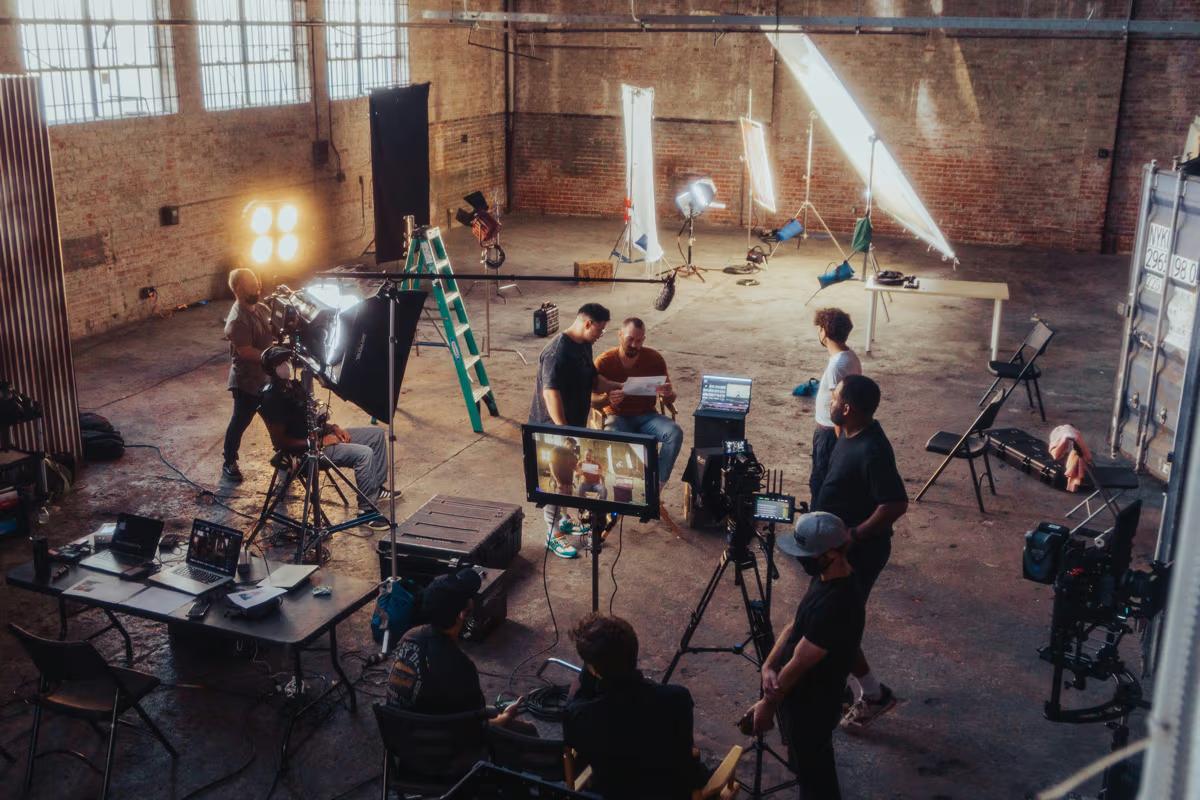
Where filming takes place, how much is being produced, and where the industry is heading.
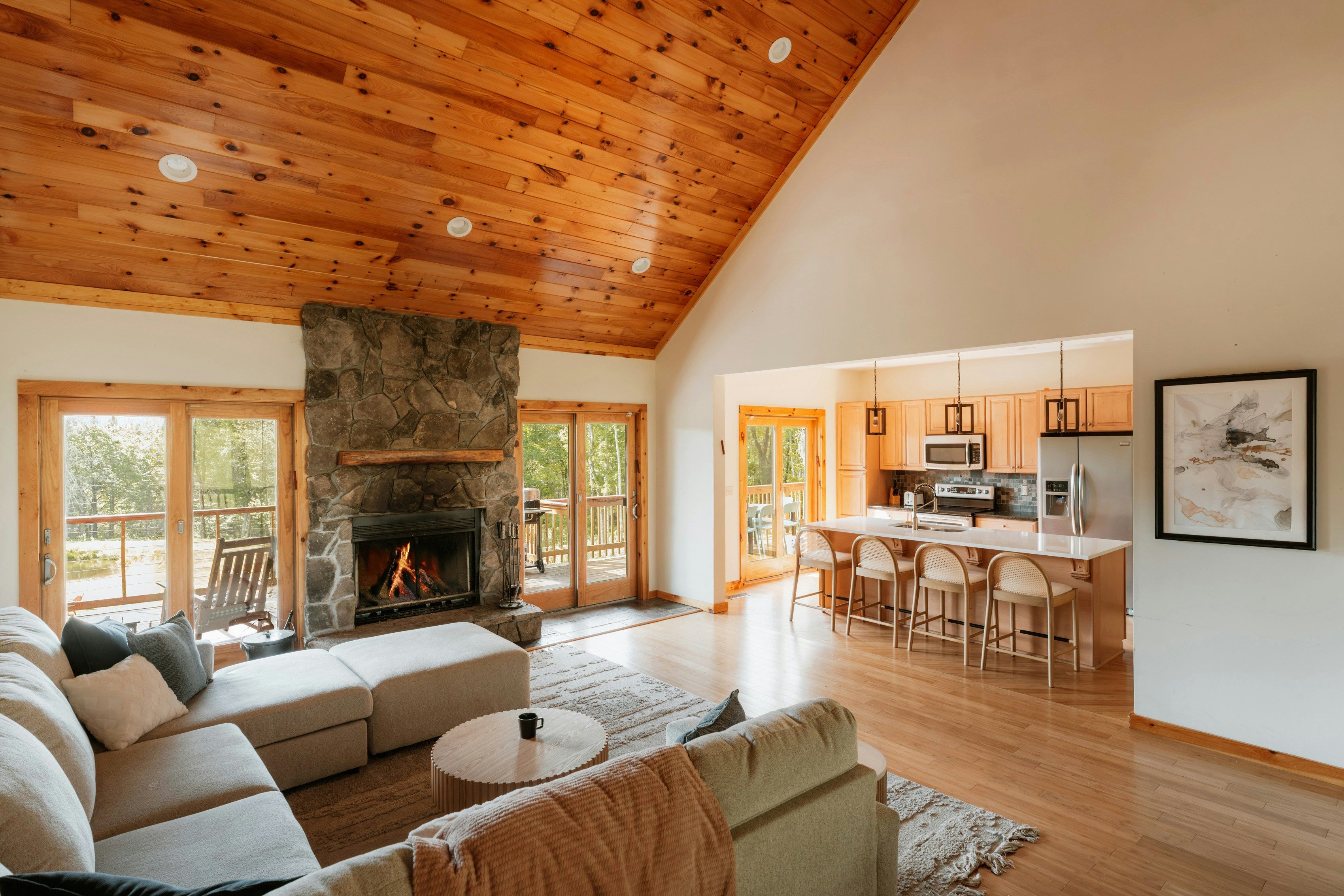
Productions are constantly looking for real filming locations – and soon you’ll be able to offer your apartment directly via SetScout. Find out how the platform works, what opportunities it offers, and what you should keep in mind when getting your home ready for filming.

"Traditional location scouting costs time, nerves, and a lot of money. Discover how SetScout digitizes the process, makes locations instantly visible, and makes life significantly easier for filmmakers and property owners."
