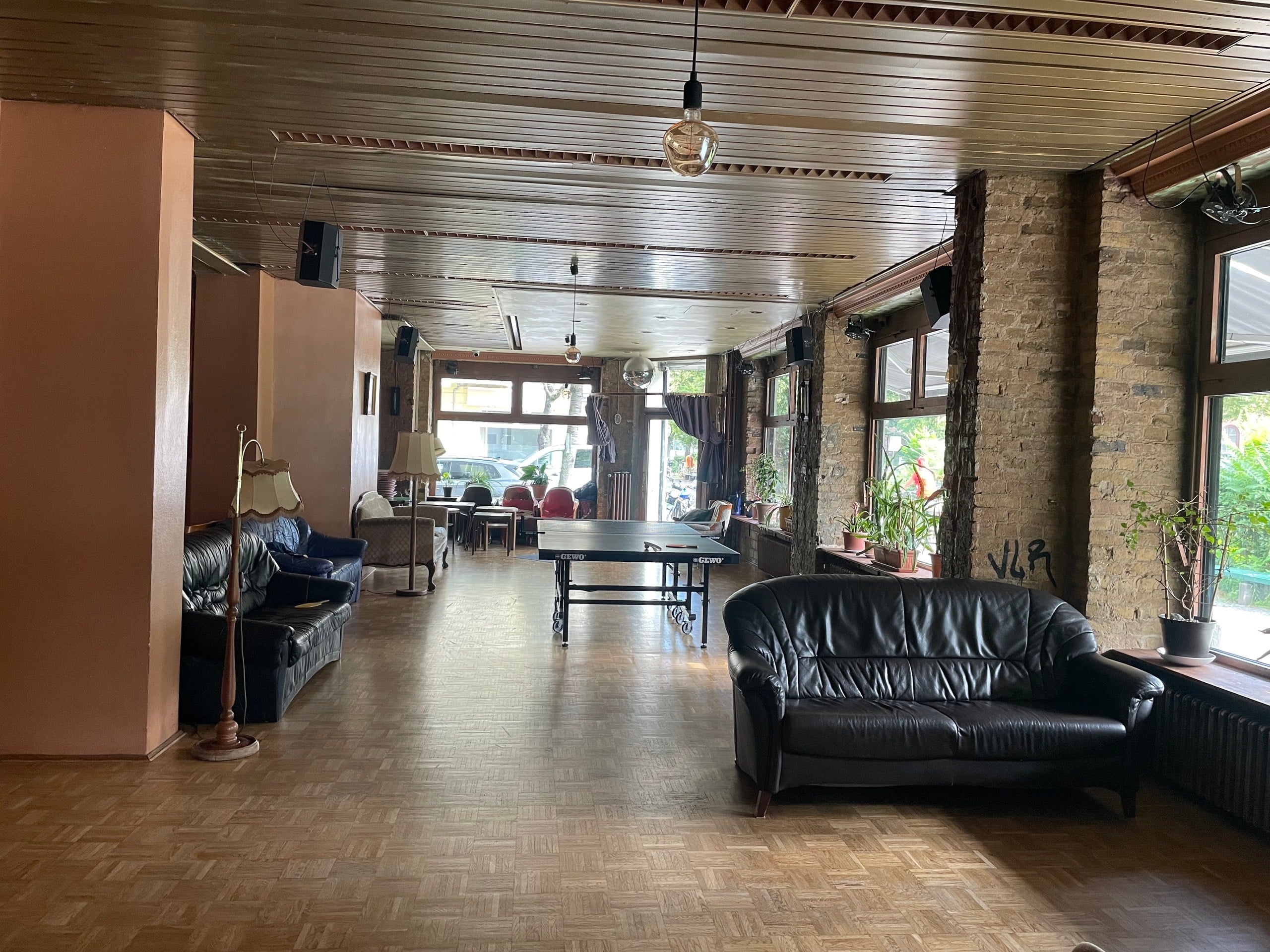
Mid-century filming locations
Curated mid-century, Bauhaus and 1970s residential motifs for productions that need precise period architecture instead of generic modern homes.
Compare preserved Bauhaus, mid-century and retro residential motifs by state of preservation, interior angles and how the light moves, and see which property holds its era consistently across every room.
Curated mid-century locations
No results found
We could not find any locations for your search.
What to look for when choosing
Access and delivery
Mid-century houses often sit on slopes or in quiet spots. Clarify how close vehicles can get, whether there are steps or narrow paths and how gear reaches the house.
Parking for the crew
Check how many vehicles can stay on the grounds or nearby, and plan consideration for a usually quiet, residential neighbourhood.
Garden and architectural connection
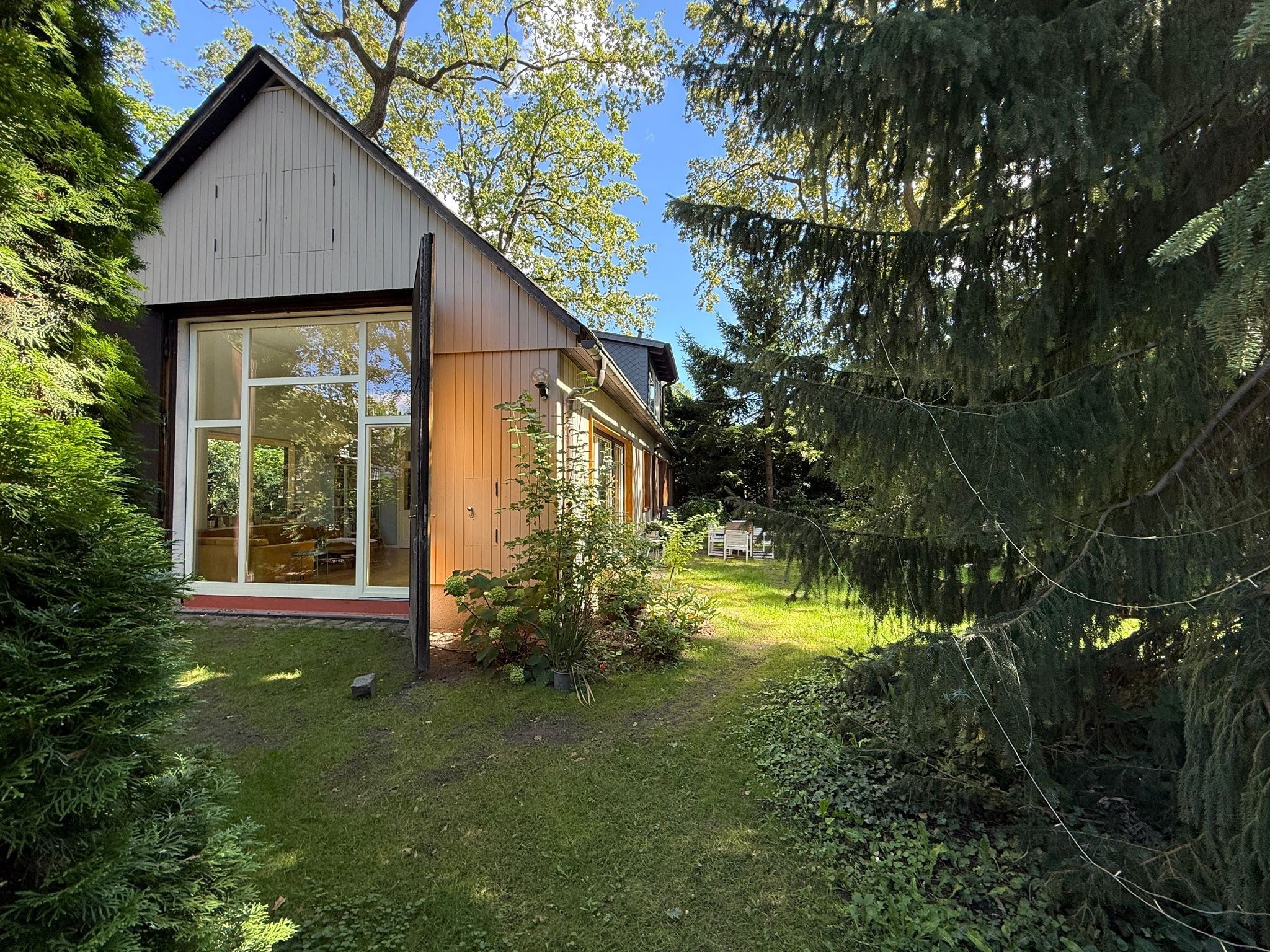
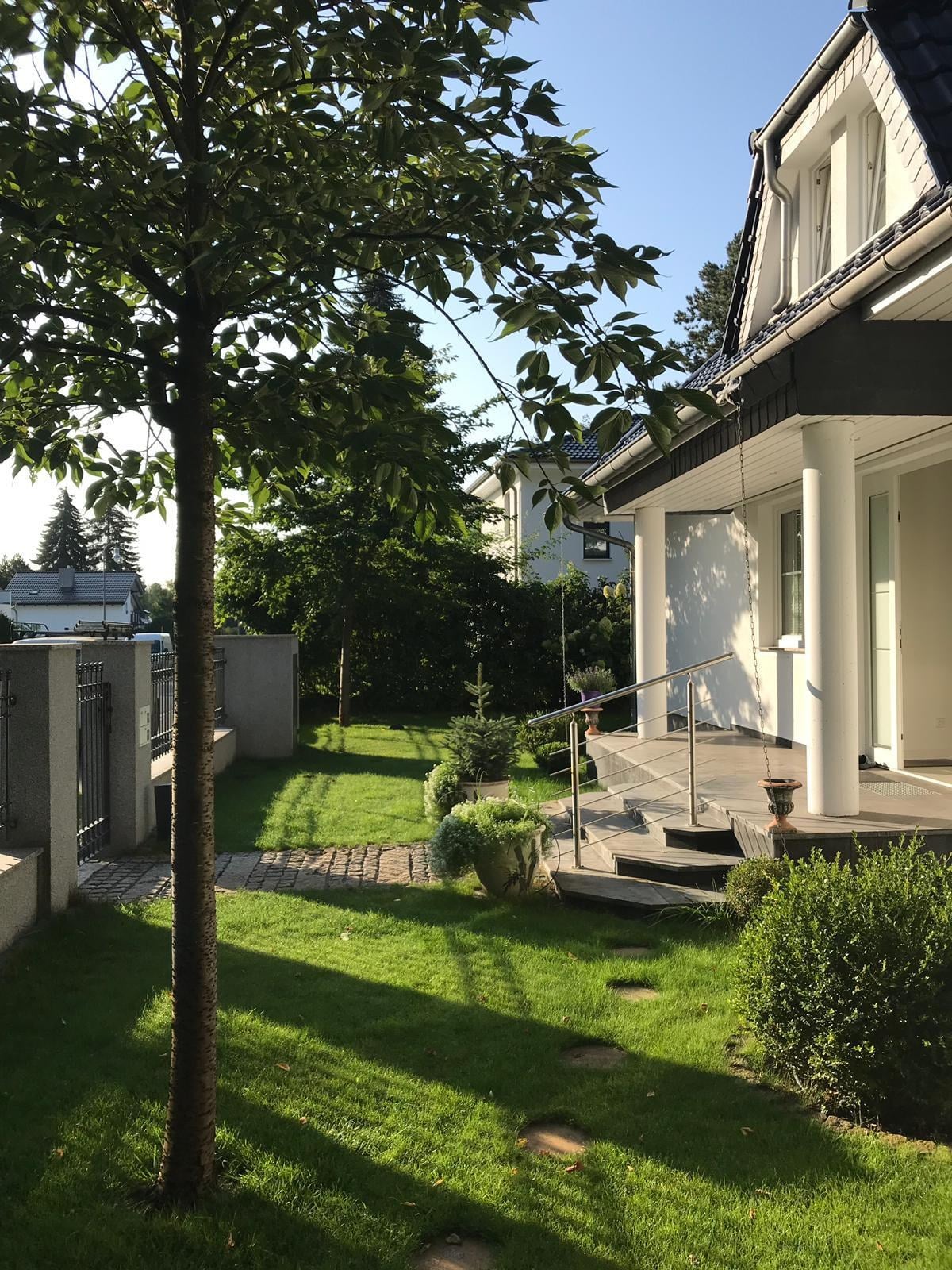
In period houses, indoors and outdoors often merge through large windows. Look at well-kept gardens, terraces and sightlines that suit the architecture.
Preserved details and interior depth
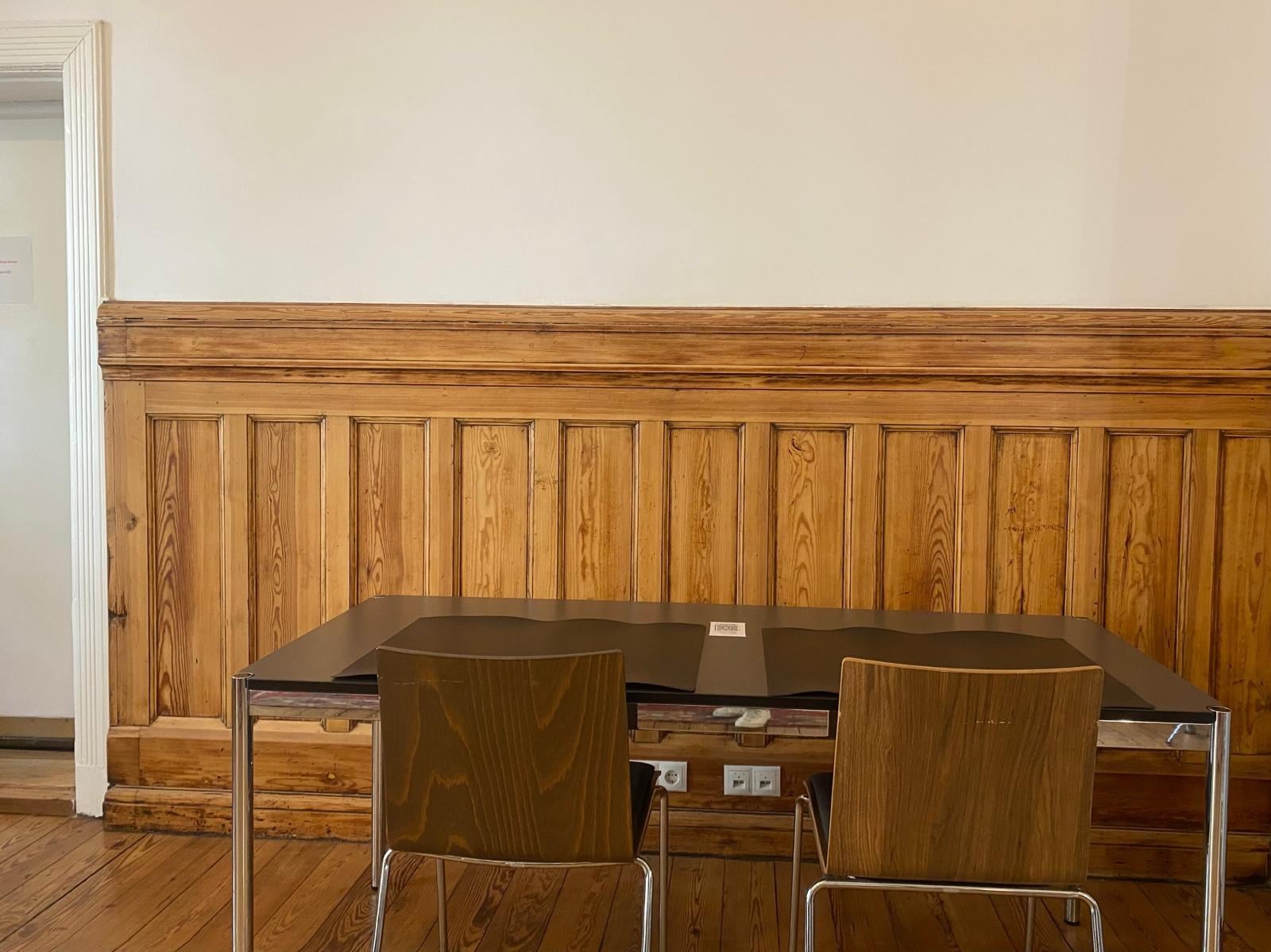
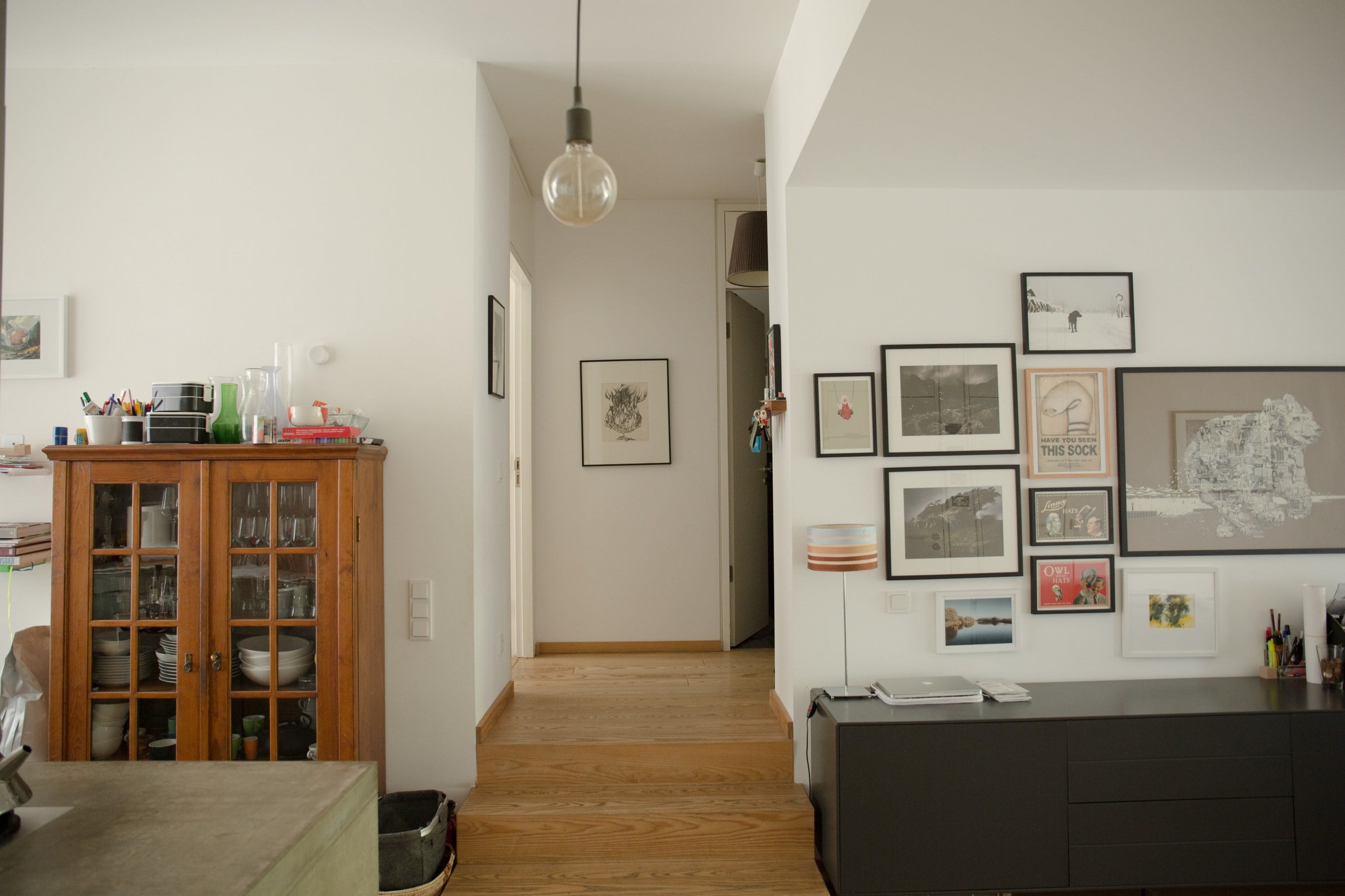
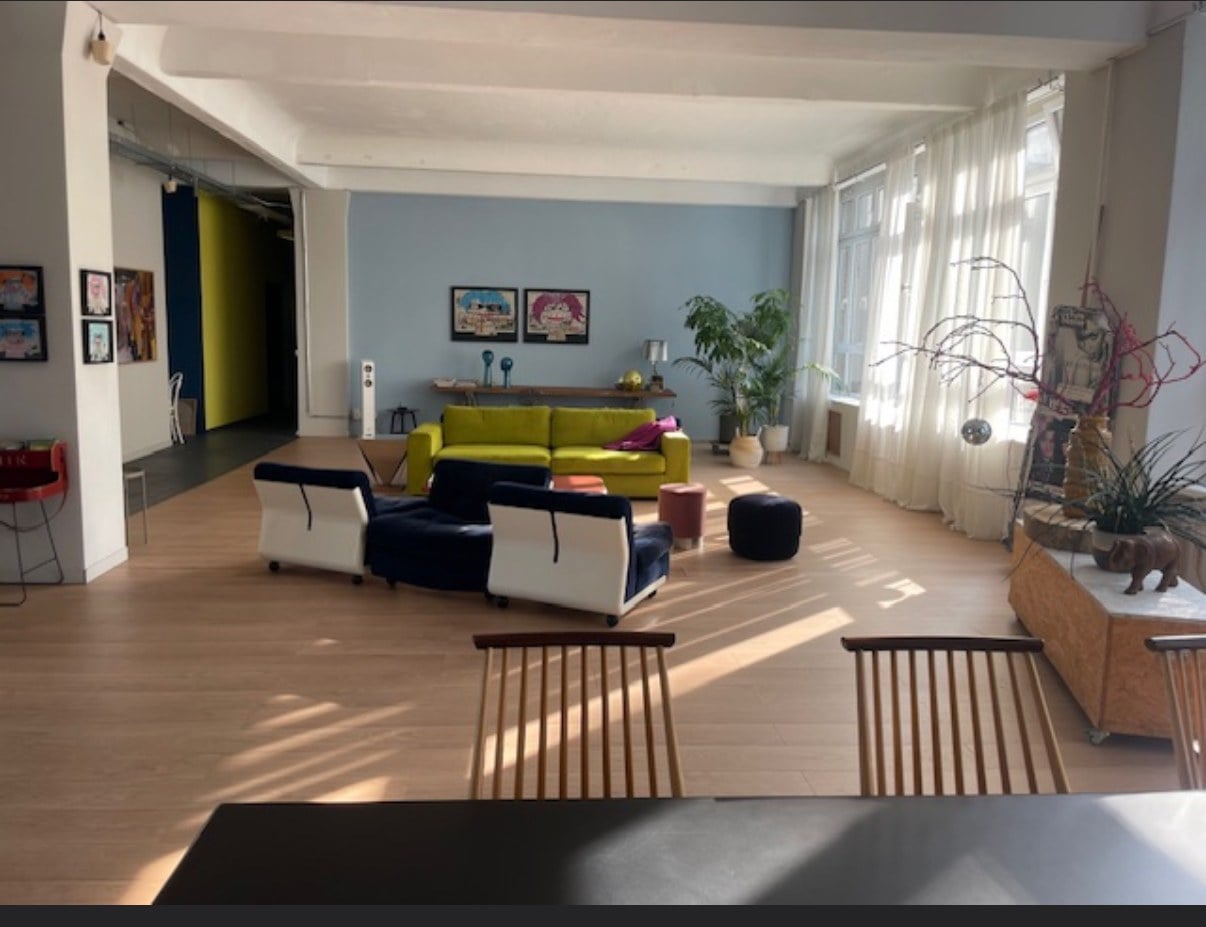
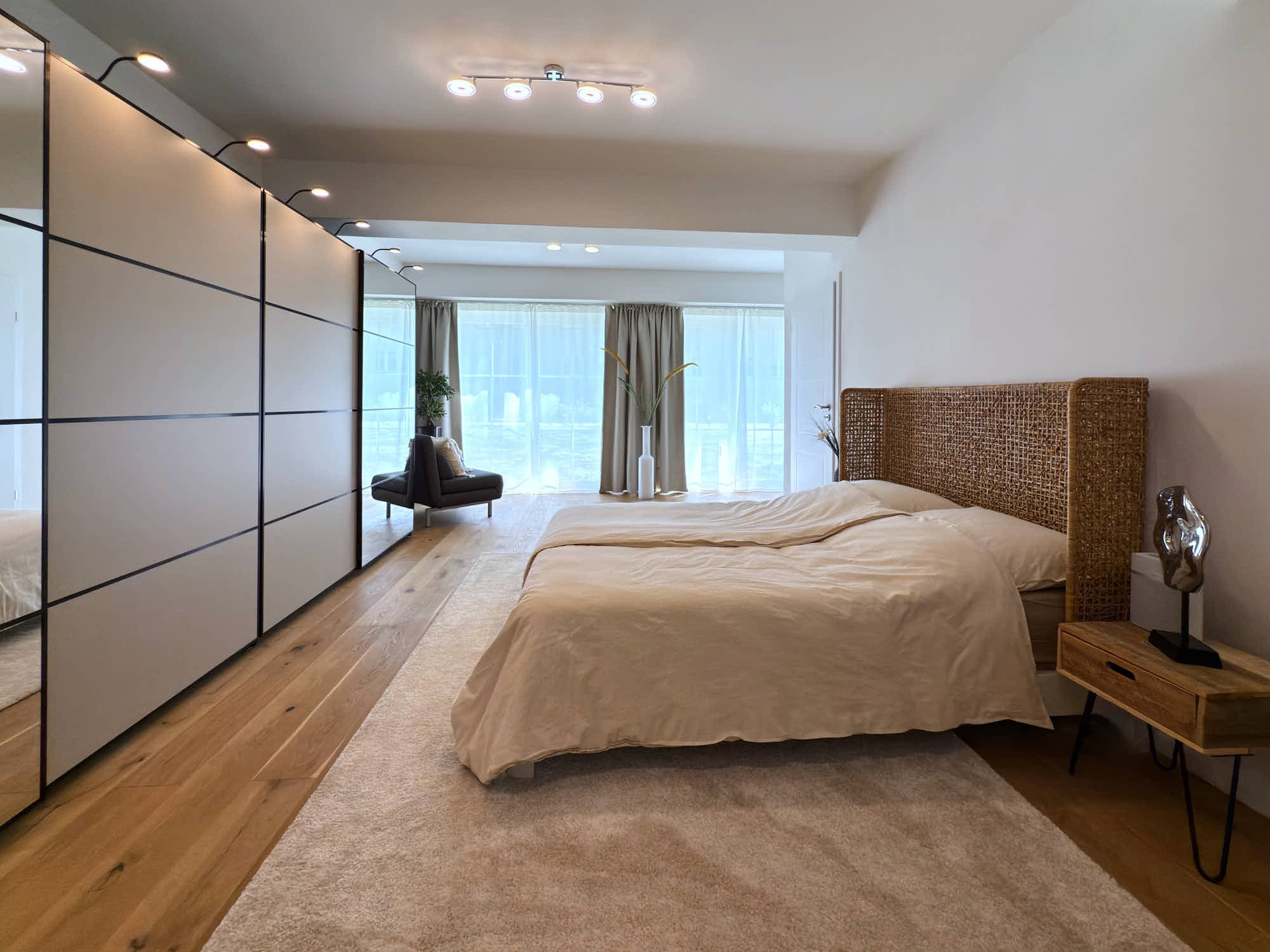
Original surfaces, built-ins and period kitchens carry the visual world. Check whether details are preserved and whether there are enough angles for camera setups.
Power and surface protection
Ask about power supplies for lighting and about limits for set dressing, so sensitive original materials and built-ins are not damaged.
When a mid-century house is the right motif
A mid-century house is the right call when clean lines, warm wood and a design-led atmosphere belong to the visual world: for design and lifestyle campaigns, automotive and furniture advertising, editorials and music videos with a retro or architectural theme. Flat roofs, floor-to-ceiling windows and original built-ins deliver a look that a neutral studio cannot produce, giving your production a curated, high-end character right away.
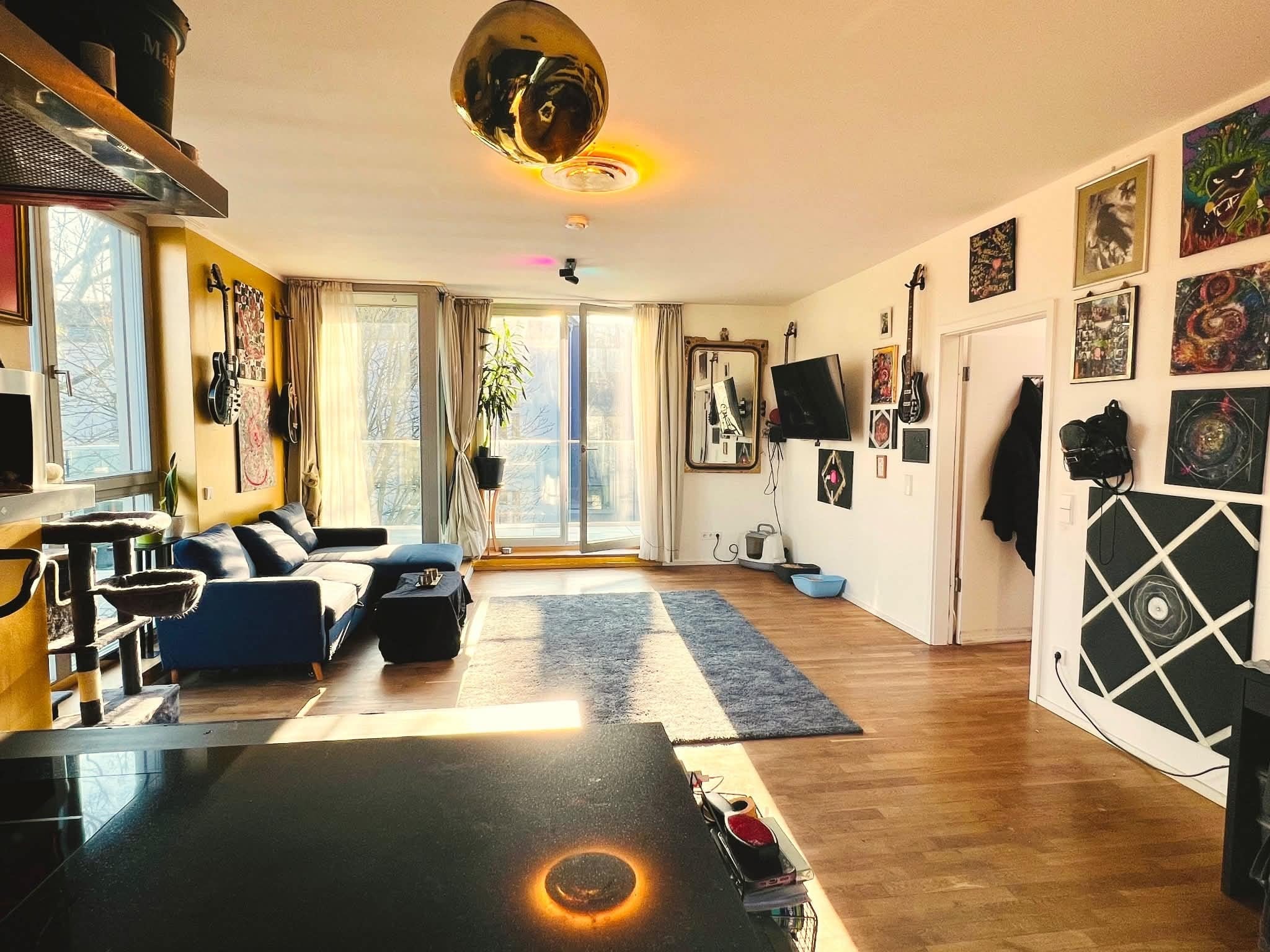
The value of this motif stands or falls with authenticity: a consistently preserved period house reads as genuine on camera instantly, while a renovated or generically modern house quickly looks interchangeable and can hardly be convincingly dressed back to the era even with set dressing. That is exactly why research matters more here than for interchangeable motifs, and exactly what you pay the premium over a neutral location for.
This motif is intended for design-led productions, not generic modernism, real-estate marketing or private parties. Clarify first whether the era fits the story: strict Bauhaus purism carries a different story than playful 1970s warmth. If that visual-world fit holds, you move on to the concrete points of the individual house, namely state of preservation, light and protection of the fabric, which you will find below.
What does a mid-century house cost per day as a filming location?
Day rates depend on state of preservation, rarity and visual impact. Because original period architecture is rare, prices spread widely:
- Partly preserved period house
- from approx. €1,000/day
- Authentic mid-century house
- €2,000–3,500/day
- Architecturally outstanding property
- varies widely, often €3,500–6,000/day
Indicative ranges for period and architecture motifs; the spans vary by rarity. The host sets the actual day rate, and there are no separate platform fees, so rarity, protection of original surfaces, preparation and set-dressing limits are reflected in that single rate.
What affects the day rate
- State of preservation and authenticity of the period features.
- Rarity and architectural value of the property.
- Protection of original surfaces and limits for set dressing.
- Location, crew size and owner supervision.
What matters about the specific mid-century house
Once the motif is set, the property takes over: what the period architecture delivers, which picture cues to verify and what to watch for in the light and the original fabric.
What a period house adds over a set
The era is in the fabric, not the decor: aged proportions, original materials and considered architecture a neutral studio cannot reproduce. That is precisely the difference between authentic and dressed, since design, lifestyle and architectural stories read as credible because the space itself carries the statement rather than merely illustrating it.
Visual signatures to verify
Authenticity lives in consistency: flat roof lines, large window fronts, wood panelling, original kitchens and built-ins, and period-appropriate furniture across every room. A single renovated room can break the look, so check the era reads the same wherever the camera lands.
Light, sightlines and original fabric
Beyond the markers, plan for what makes these houses move: the daylight from large windows, the sightlines and the merging of indoors and outdoors. Confirm there is enough depth and perspective for your setups, and clarify limits for set dressing and rigging so delicate original surfaces stay protected.
Frequently asked questions
Own a distinctive property?
List your villa, house or historic motif as a filming location and reach productions searching specifically for character, interiors and outdoor space, with enquiries that actually fit your property.