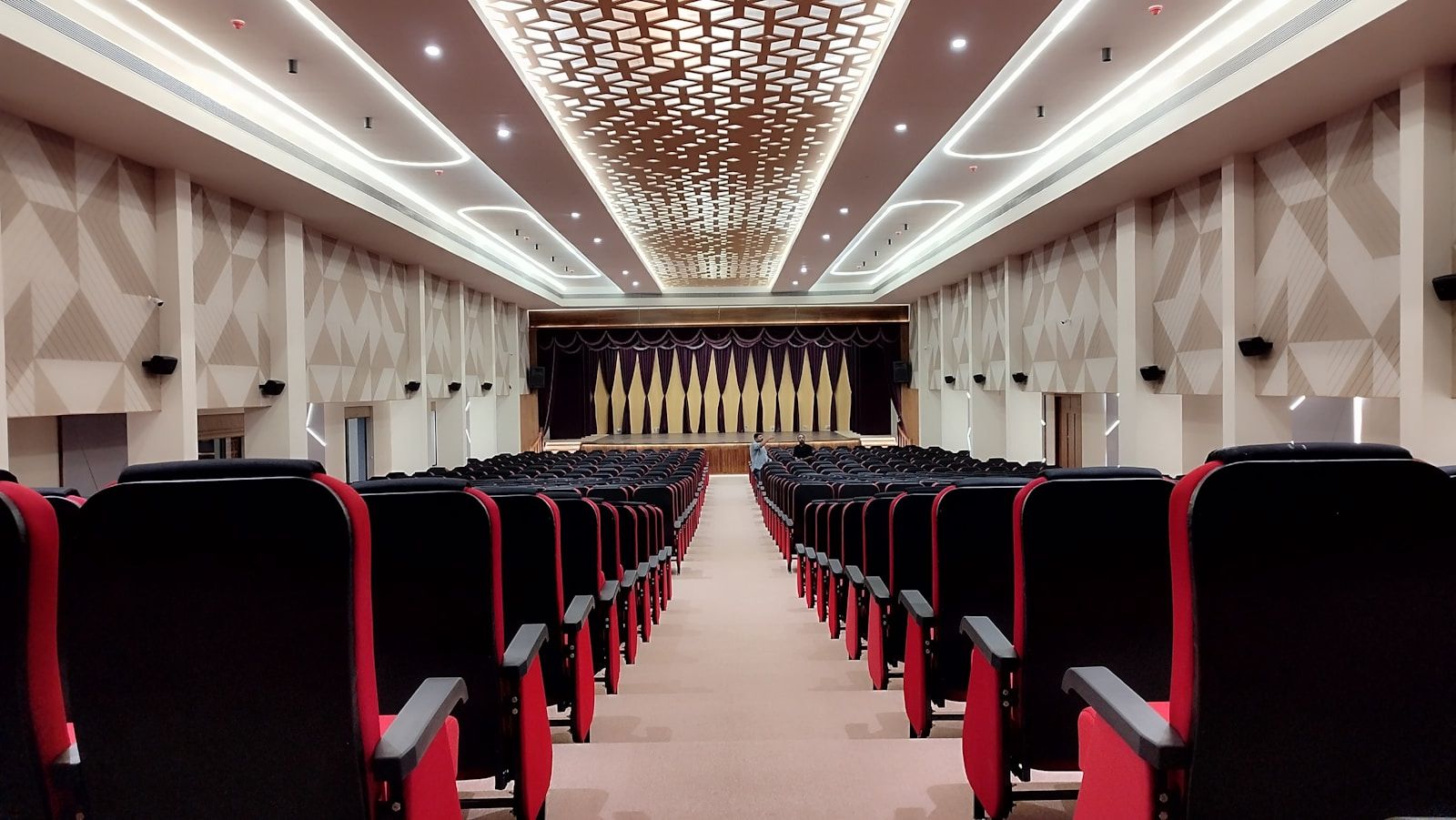
Photo by SR Engineers and Consultants on Unsplash by SR Engineers and Consultants Unsplash License
Event venues can work as film and photo locations when production logistics, tech, rights and strike are clarified before booking.
An event location can be strong for film and photo shoots: large rooms, existing tech, furniture, catering areas, stage, dressing rooms and staff on site. It still has to be checked differently from an event booking. A good event works for guests. A good shoot works for camera, sound, lighting, logistics and strike.
This guide helps producers and photographers evaluate event venues as production spaces. Start with locations on SetScout, compare the film locations hub and use choosing a film location platform for the data productions need before a request.
Do not judge an event venue only by style and capacity. For film and photo work, check load-in, time windows, blackout, sound, house tech, power, dressing, branding, staff, cleaning, insurance and whether the venue is public, semi-public or fully closed during the shoot.
Event spaces are designed to host people. Productions need different rights and workflows: early build, technical vehicles, lighting stands, cable routes, quiet, set dressing, sensitive areas, lock-offs, client video, strike and sometimes full exclusion of the public.
That does not make event venues wrong. They can be excellent when the existing space fits the motif and the venue team understands that a shoot requires different decisions from a reception, conference or wedding.
Event venues often offer advantages private spaces do not: bathrooms, dressing rooms, freight access, house tech, bar, kitchen, foyer, stage, seating, a named contact and experience with suppliers. That can reduce prep.
For photography, commercials, interviews, music videos, brand content and product launch films, one venue can provide several looks in the same building. The benefit exists only when furniture, tech and staff are cleared for production use.
If you are still deciding between an event space, private location or classic film location, start broad with location search and narrow by production requirements.
Event furniture can look simple on a floor plan but be heavy, delicate or tied to another booking. Clarify what can move, who moves it, where it is stored and whether the venue team or production handles strike.
Stage lighting, PA and projectors are not automatically film-ready. Ask about controllable light, dimming, flicker, color temperature, power load, stage access, rigging, sound equipment and whether your own crew can build in parallel.
Many venues look perfect in the evening and are hard to control during the day. Check windows, skylights, curtains, glass, mirrors, illuminated signs and whether blackout is realistic.
Event venues often sit inside hotels, cultural buildings or hospitality spaces. Clarify HVAC, kitchen noise, deliveries, neighboring rooms, rehearsals, public areas, staff routes and whether guests or other tenants will be in the building.
Logos, sponsor walls, beverage brands, menu boards, artwork, monitors and house signage can become image issues. Confirm what may be covered, removed or shown before the shoot.
A beautiful hall does not help if load-in runs through a foyer, up stairs or during guest arrival. Productions need access, holding zone, freight lift, door widths, floor protection, cable routes, parking, crew paths and separation between set, backstage and storage.
Time windows are different too. An event usually uses a defined event slot. A shoot may need build, prelight, rehearsal, shooting, client approval, strike and cleaning. Put those times into the booking agreement or written use confirmation before the date.
Event venues often have staff on site: venue manager, tech, security, cleaning, catering, house operations. Clarify who can make decisions on the shoot day, which services are included, what costs extra and when cleaning or security is mandatory.
Insurance and liability should be explicit. Clarify damage, overtime, floors and walls, technical builds, open flames, haze, heavy loads, indoor drones and room handover. If something is not allowed, plan another solution instead of improvising on the day.
An event venue fits when the space itself reads as event, stage, club, hall, hotel, conference, foyer or representative interior. It also fits when production and client need support spaces, staff and clear operations.
It is weaker when you need absolute quiet, heavy dressing, very early call times, substantial set build or a look without visible event infrastructure. Then a private location, studio or specialized film location may be better.
Include motif, scene type, crew size, equipment, vehicles, build times, shoot times, rooms needed, dressing, blackout, sound needs, client team, catering, branding, staff needs, insurance, cleaning standard and whether venue operations continue in parallel.
SetScout should be used here for production suitability, not only venue style. Compare event spaces with film locations and ask for the details a general event directory often does not capture.
No. Many venues look strong but work for photo or film only when light, sound, access, furniture, use rights and strike are clear. A short test shoot or precise recce prevents conflicts later.
Event rental usually centers on guests, catering and schedule. Production rental centers on build, equipment, image rights, quiet, dressing, lock-offs, strike and decision-making on set.
Common misses include tech supervision, security, cleaning, overtime, furniture storage, build and strike, power, parking, protection materials, catering areas and closing public areas. Put these into the estimate before confirming.
Define your production requirements first, then search for the right space. Start broad with locations, compare event venues with film locations and book only when style, tech and operations fit together.
More posts you might be interested in
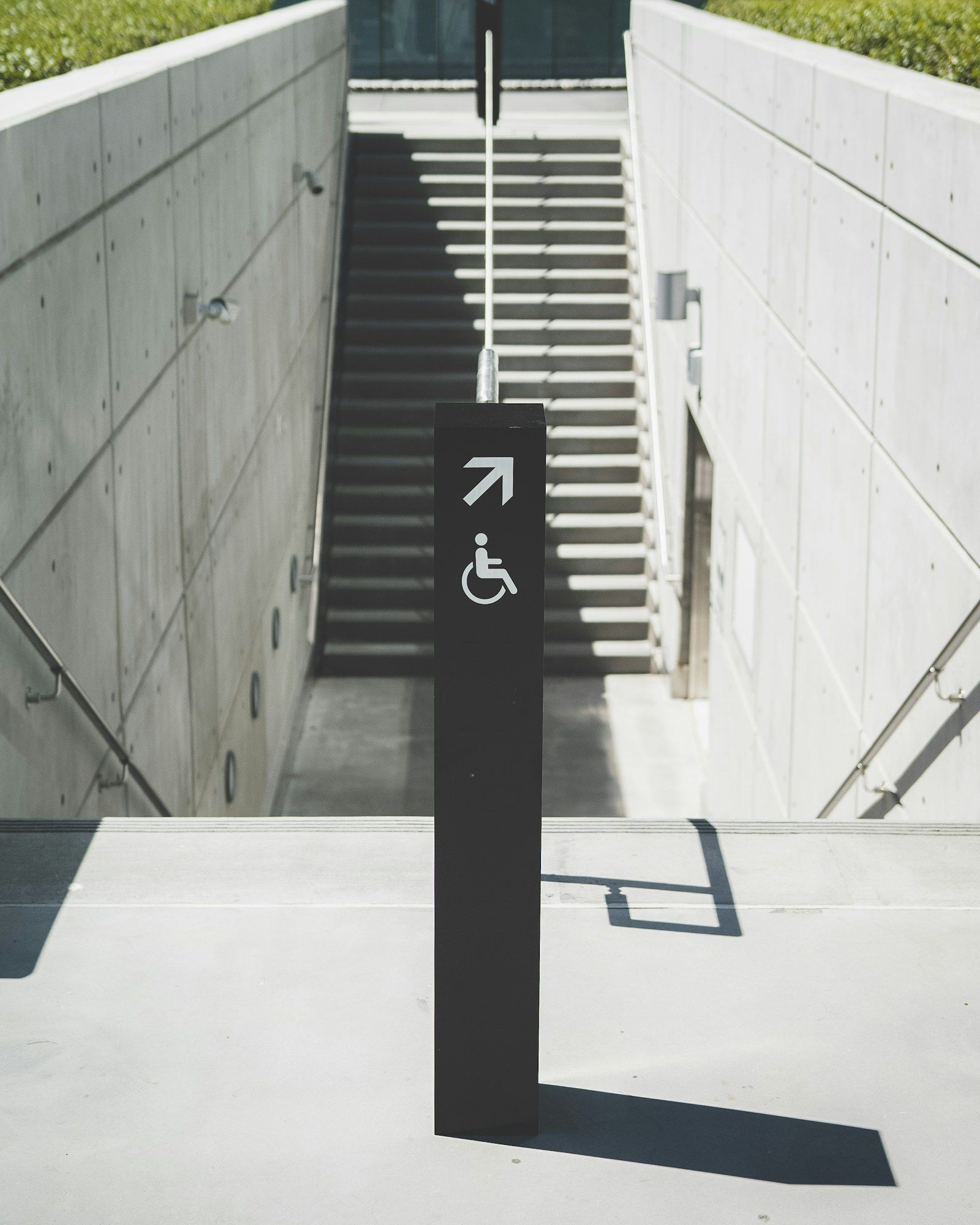
Photo by Joey Banks on Unsplash by Joey Banks Unsplash License
A practical access planning guide for productions and hosts documenting real routes, bathrooms, ramps, holding and limitations before booking.
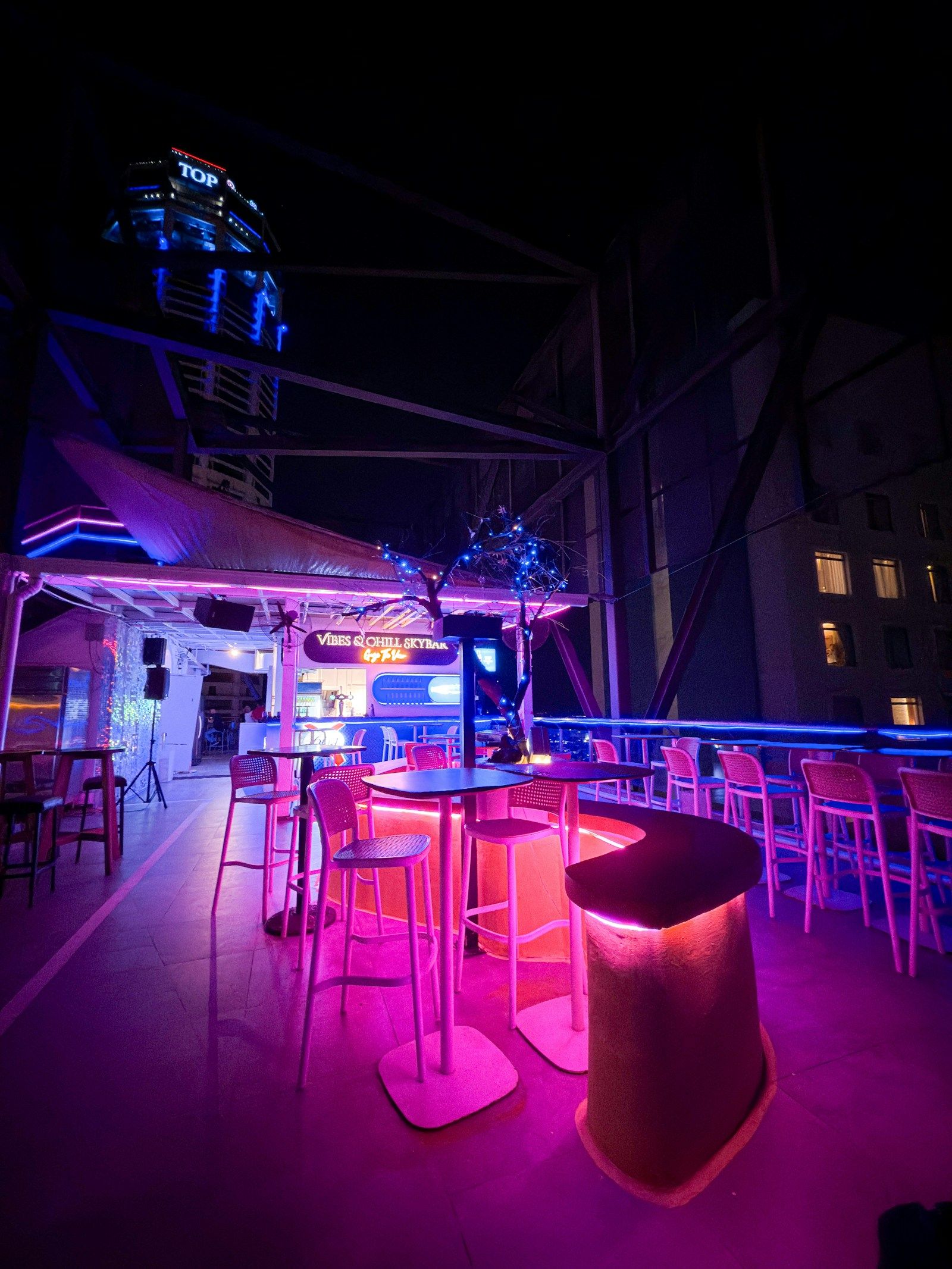
Photo by Ryan Liu on Unsplash by Ryan Liu Unsplash License
How productions should prepare bar, club and nightclub locations for music videos, fashion, commercials and nightlife content.
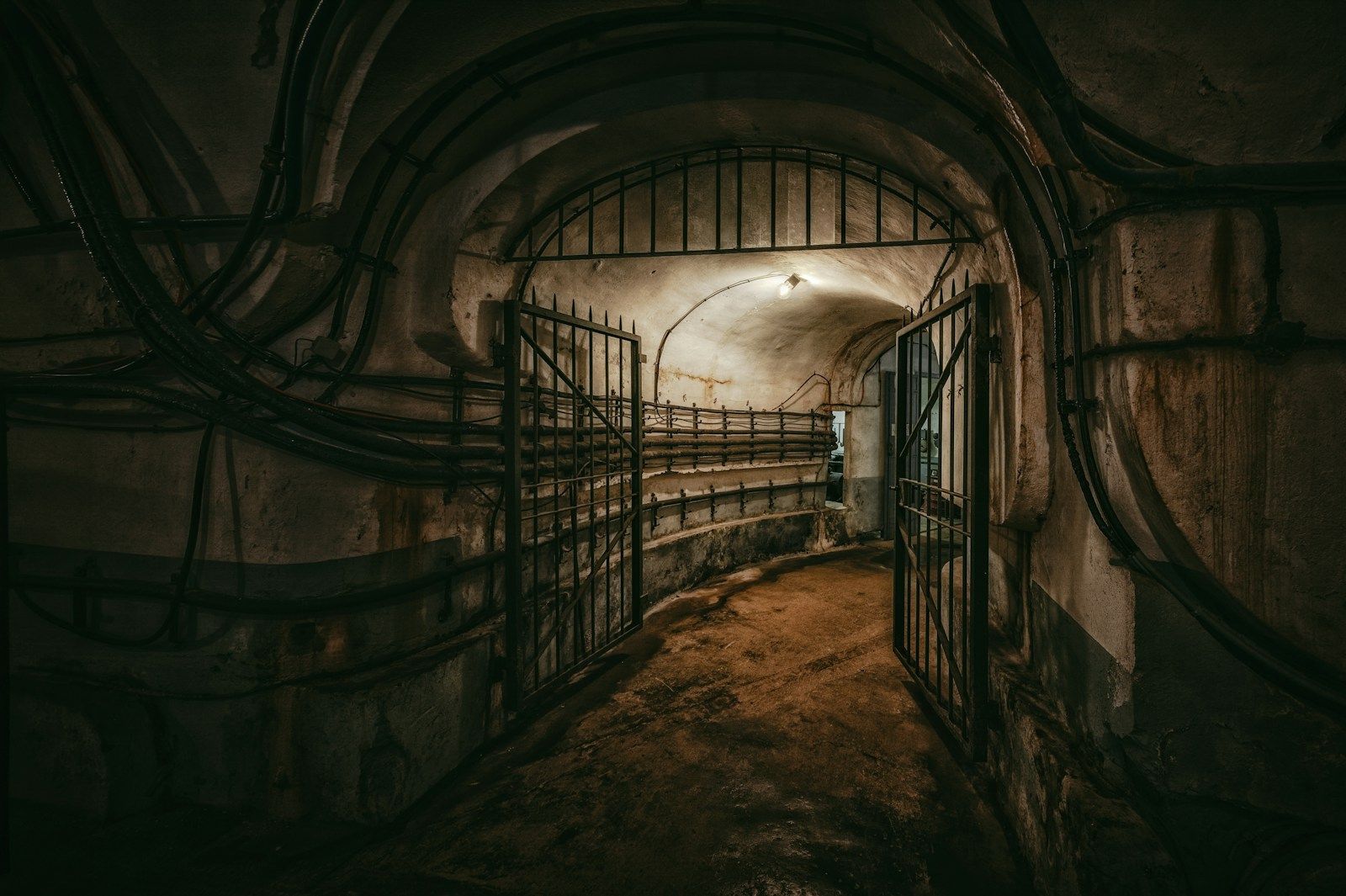
Photo by Peter Herrmann on Unsplash by Peter Herrmann Unsplash License
How productions should assess bunker, lost-place and special-motif locations without creating legal or safety risk.
