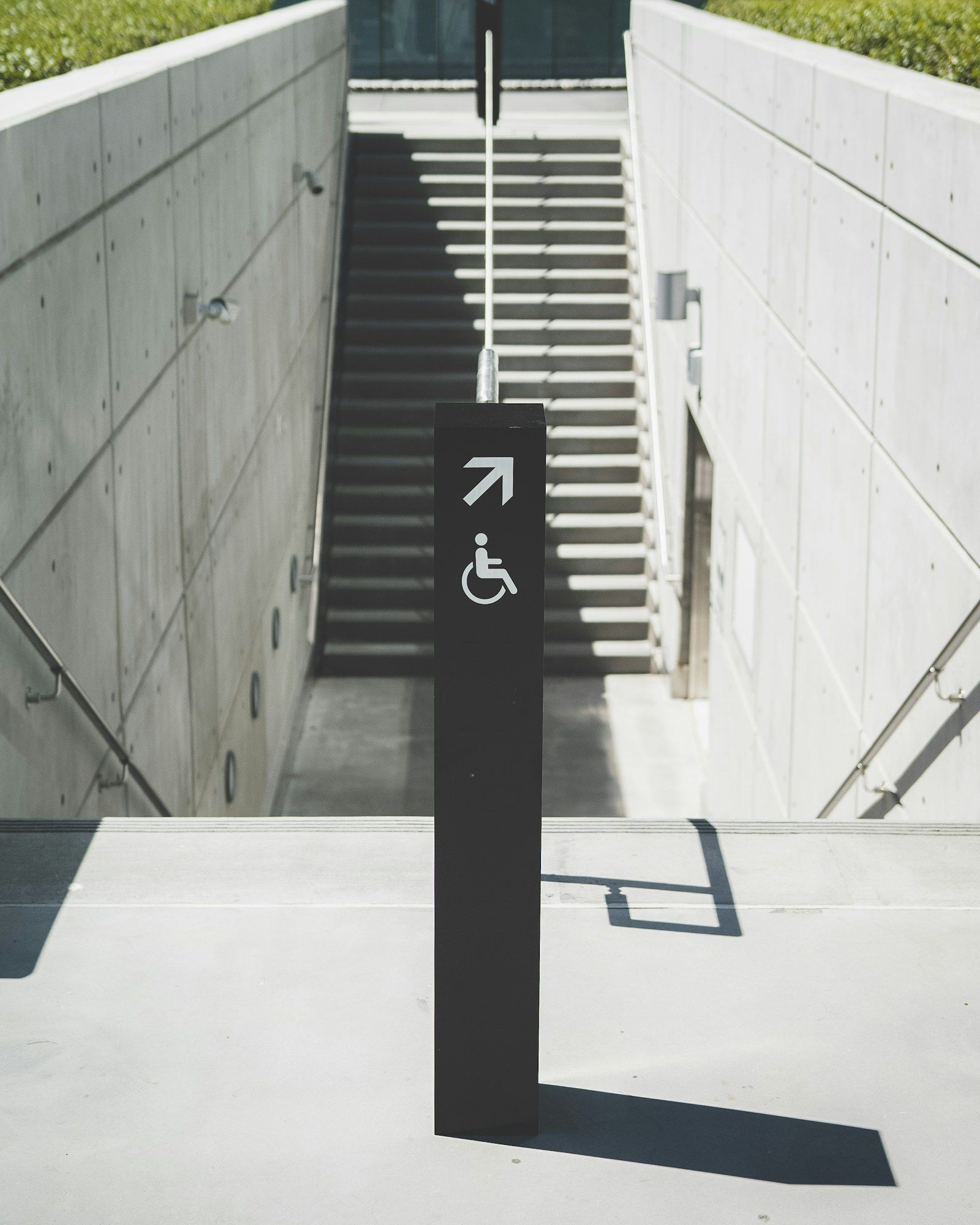
Photo by Joey Banks on Unsplash by Joey Banks Unsplash License
A practical access planning guide for productions and hosts documenting real routes, bathrooms, ramps, holding and limitations before booking.
Accessibility at a film location is more than a symbol near the entrance. For crew, cast, clients, guests, hosts and suppliers, the concrete route matters: from parking to door, through the building, to set, bathroom, holding, emergency exit and back again.
This guide shows which access details productions and hosts should clarify before confirming a location. It complements the production-ready location listing, the location recce checklist and the perfect location request.
The most important principle is honesty. A location should not be described broadly as accessible when only one area is easy to reach. Better information is specific: step-free entrance, lift, door widths, ramp details, surface, bathrooms, parking and limitations.
Productions can plan around honest limitations. What they cannot use is vague language like “should work” or “somehow possible.” Access planning requires knowing where movement is simple, where assistance is needed and where an alternative has to be planned.
The accessible route does not start at the set door. It starts with arrival. Are reservable parking spaces close to the entrance? What is the surface? Are there curbs, slopes, gravel, cobblestones, narrow gates, barriers or long routes between parking and set?
The meeting point should not force anyone through unclear backyards, stairwells or construction routes. If the best access is not the main entrance, it belongs in the location brief with a map, photo and contact person.
Access depends on details: number of steps, thresholds, door widths, automatic or heavy doors, ramps, slope, landings, lift size, load, control height, keys, opening hours and failure risk. A lift helps little if it can only be reached by a step.
Temporary solutions also need to be realistic. A mobile ramp needs length, landing space, securing, people and time. If it only works with several helpers, document that clearly. Improvised solutions on shoot day create avoidable stress for both the person affected and production.
Many locations reach the set but fail in the support areas. An accessible bathroom, holding space, quiet room, makeup, wardrobe, catering and client area are part of the workday. Checking only the camera angle is not enough.
The location brief should separate these facts: set accessible, bathroom accessible, holding accessible, catering accessible, green room accessible, exterior accessible. If an area is not accessible, production needs an alternative or a clear decision not to use the location.
A step-free entrance is not enough if cable runs, mats, track, carpet edges, stands, sandbags or cases block the route later. Accessibility is also set discipline. Crew routes need to stay wide, clear and understandable.
Cable routes should avoid crossing access paths where possible. Cable ramps, mats and covers must work not only for gear, but also for people using wheelchairs, mobility aids, strollers, carts, luggage or moving with an injury.
Access is not only comfort. In an emergency, it has to be clear how people can leave the location or be reached. Emergency exits, assembly points, lifts, stairs, rescue paths, contacts, keys and alternative routes belong in safety planning.
If a route depends on a lift, production needs to ask what happens during failure or evacuation. That question should not wait until shoot day. It belongs in the recce, location brief and production plan.
Hosts can help productions a lot by structuring access facts: parking, surface, step-free entrance, number of steps, ramps, lift, door widths, bathrooms, route to set, route to support rooms, photos of critical points and known limitations.
Negative information is professional too: no lift, bathrooms only by stairs, gravel path, narrow old-building hallway, heavy fire door, ramp only by request, freight lift not approved for people, outdoor area difficult in rain. These details prevent false expectations.
Before confirming, production should know who needs access: crew, cast, clients, agency, host, guests, suppliers or extras. Different groups move at different times and through different areas.
The next question is whether the whole location needs an access solution or only a specific set area. For some productions, an accessible interview room is enough. For others, every work area, client zone and break space has to be reliably reachable.
The location brief should not handle access in one sentence. Better fields are arrival, parking, entrance, lift, ramps, doors, set area, bathroom, holding, catering, emergency routes, contact person and limitations. Photos are often more useful here than polished descriptions.
If a limitation remains, name it clearly. That is not a weakness. It is the condition for production, host and affected people to decide in time whether the location fits or what adaptations are needed.
SetScout cannot claim accessibility when data is missing. The better approach is to make concrete access information visible: routes, parking, lift, bathrooms, support spaces, photos and limitations. That creates a realistic check instead of a marketing claim.
When teams compare film locations, access should be checked as early as light, sound, power and load-in. A location documented honestly reduces back-and-forth and makes inclusive production planning much easier.
More posts you might be interested in
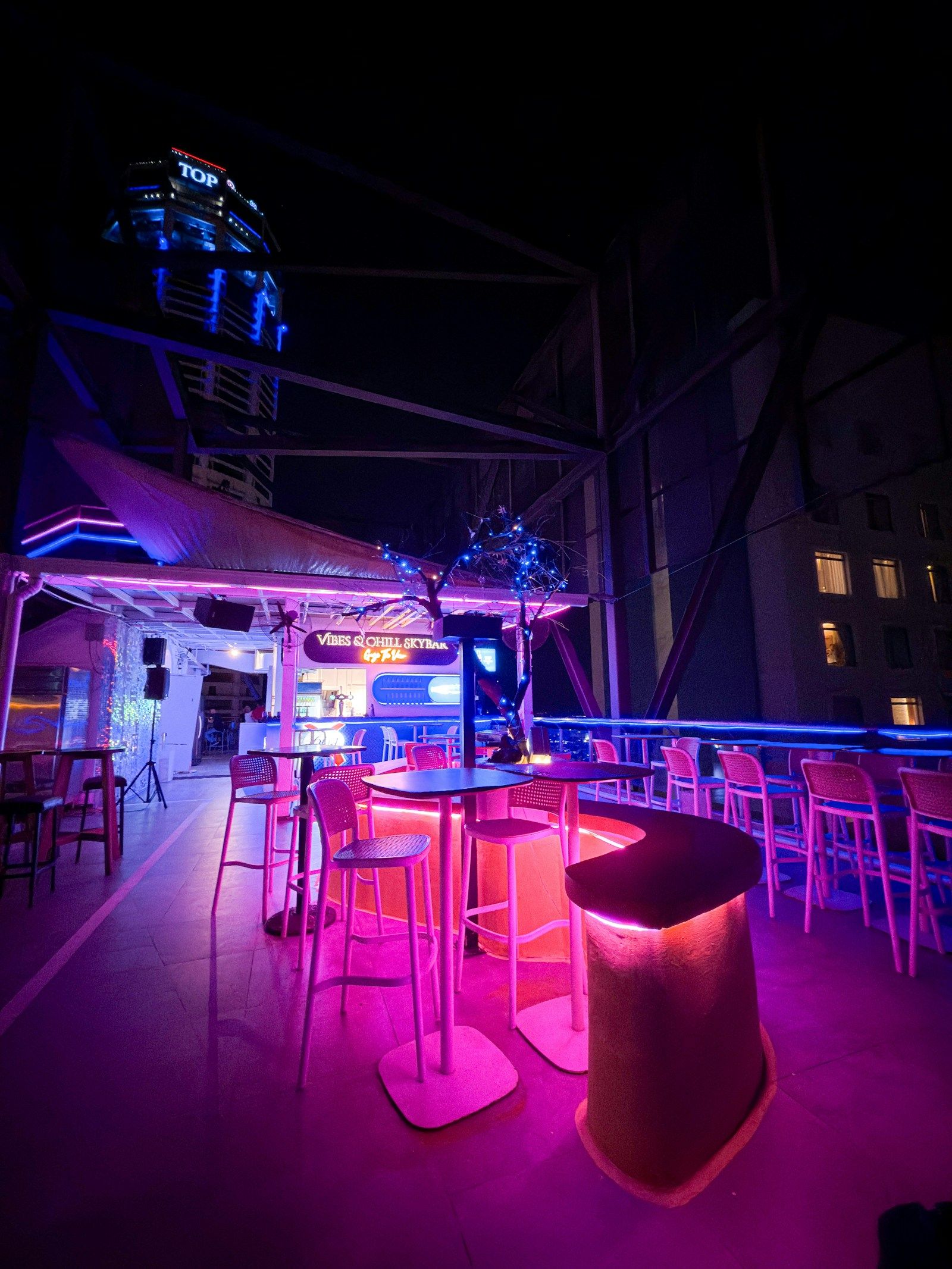
Photo by Ryan Liu on Unsplash by Ryan Liu Unsplash License
How productions should prepare bar, club and nightclub locations for music videos, fashion, commercials and nightlife content.
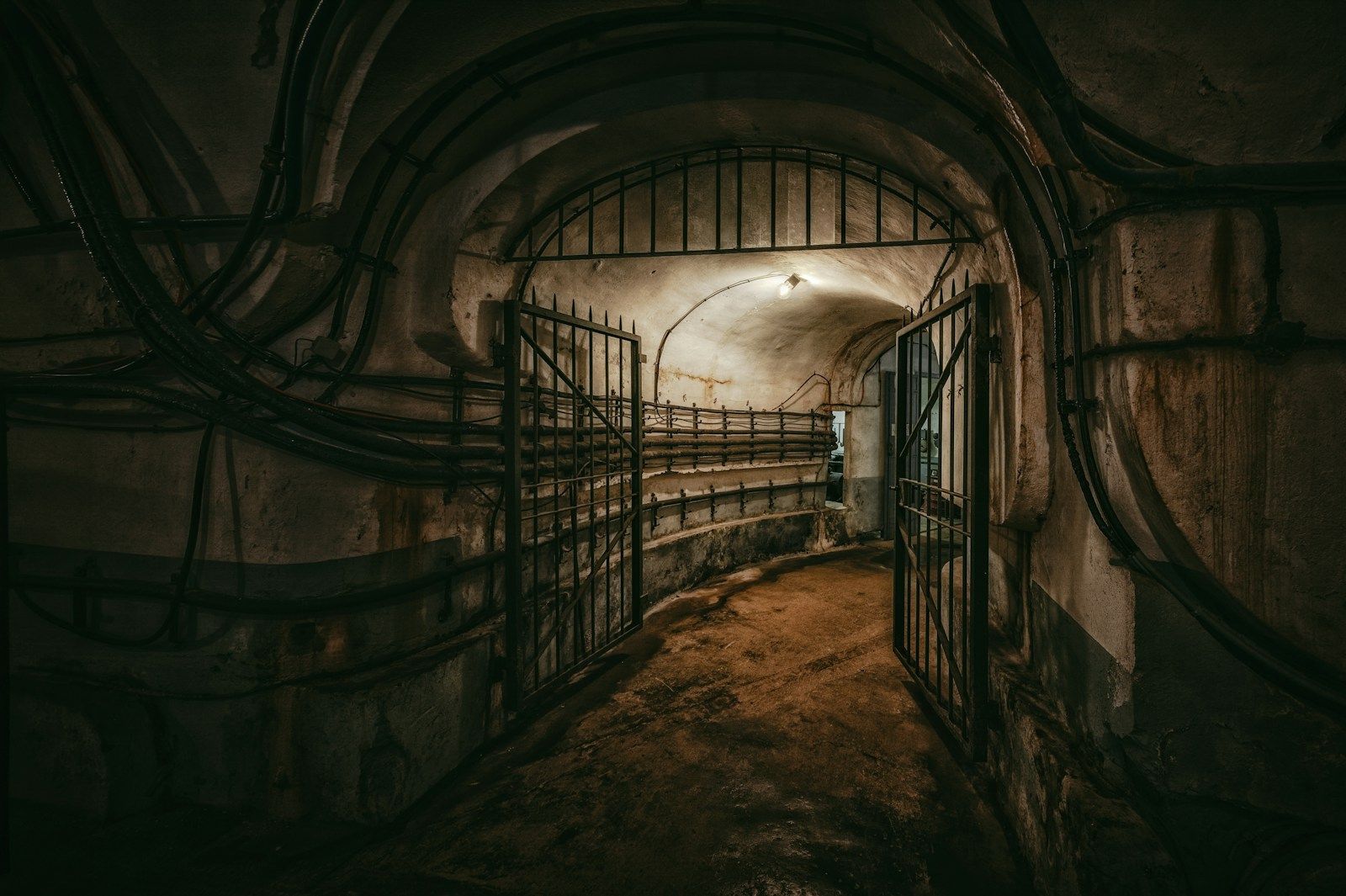
Photo by Peter Herrmann on Unsplash by Peter Herrmann Unsplash License
How productions should assess bunker, lost-place and special-motif locations without creating legal or safety risk.
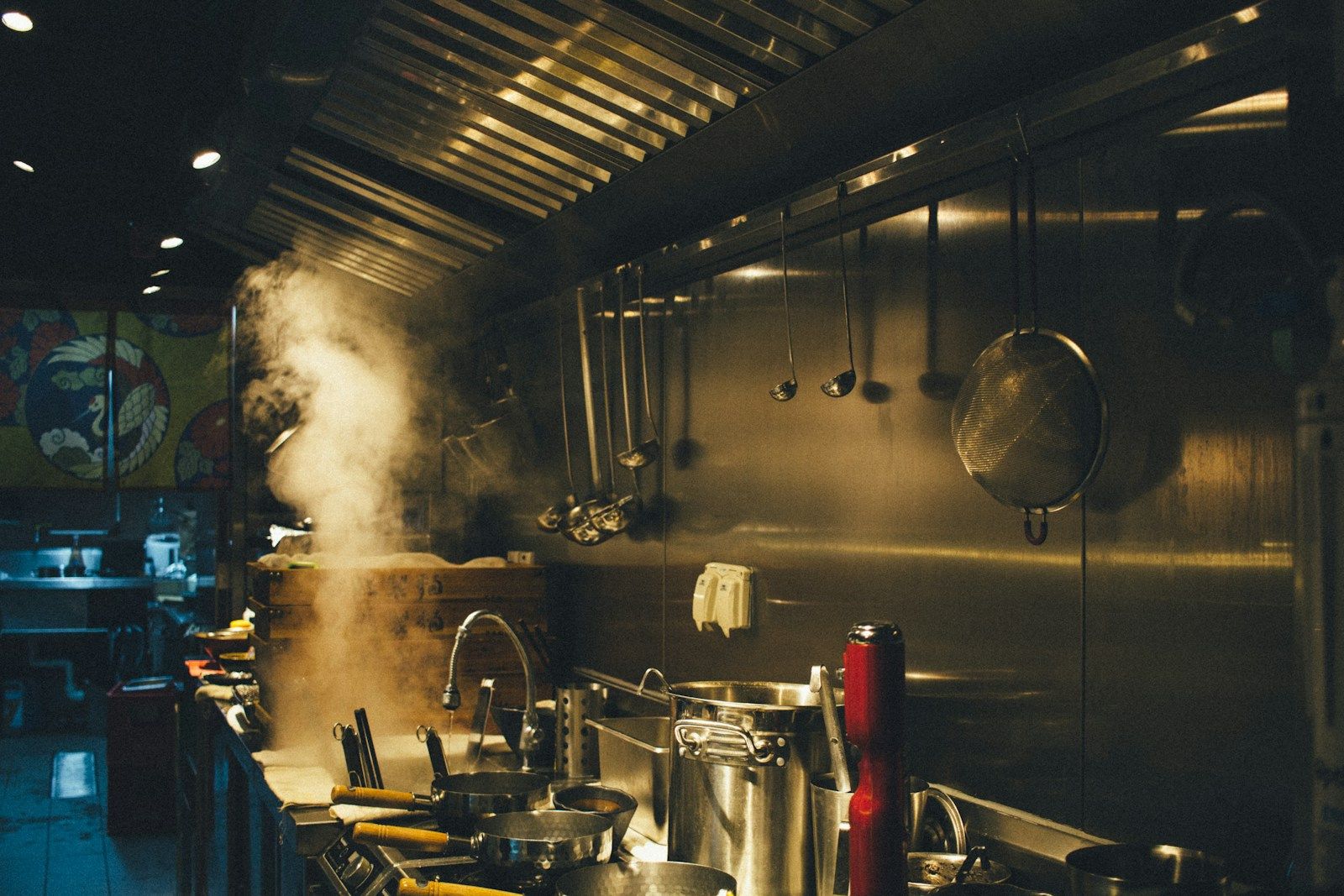
Photo by Francisco Suarez on Unsplash by Francisco Suarez Unsplash License
What small and large teams really need at a location for catering, kitchen access, coffee, water, breaks, waste, delivery routes and reset.
