SetScout
SearchHost
LocationsBlogChangelog
LoginSign up
Back to blog
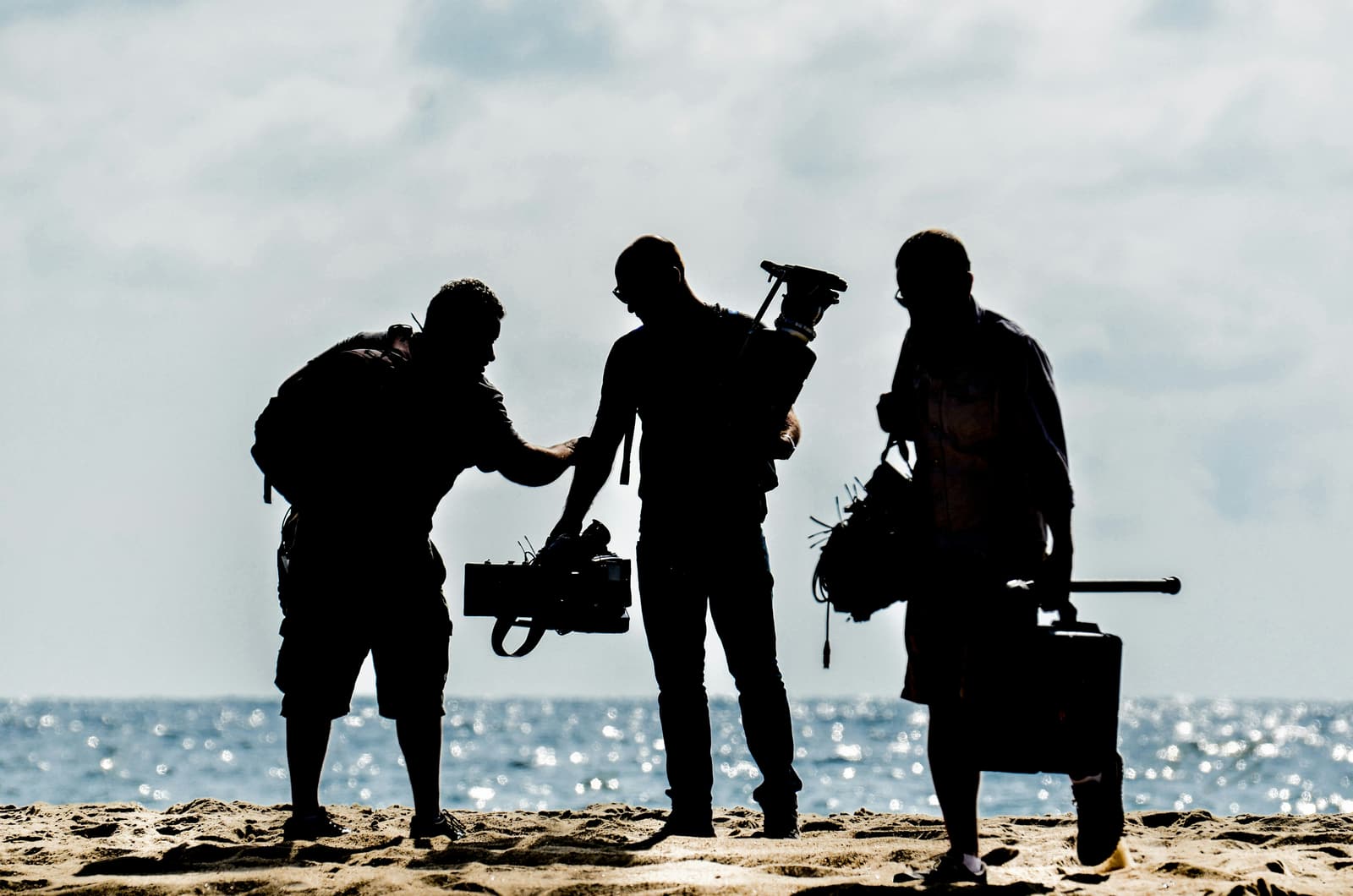
Camera crew on location used as an example for a recce checklist.

Camera crew on a beach location by Stephane YAICH / Unsplash Unsplash License

SetScout Blog article
July 3, 2026

Location recce checklist: 50 points for tech, sound, light, access and neighbors

A good location recce checks more than the look. This 50-point checklist helps production, camera, sound and location management assess tech, light, access, power, protection, neighbors and reset before shoot day.

Chapters

  1. Key takeaways
  2. Before the recce: what to bring
  3. 50 points for the location recce
  4. After the recce: turn notes into decisions

A location recce decides whether a place only looks good or can actually hold a shoot. The look is the start. The real test is tech, sound, light, access, neighbors, power, protection, weather, reset and who is responsible for what on shoot day.

This checklist is for producers, assistant directors, camera, sound, location management and production managers. Use it before the booking is firm, not when the truck is already unloading.

Key takeaways

  • A recce must check image, sound, tech, safety, permits, neighbors and reset at the same time.
  • Photograph not only the motif, but also access, power, parking, toilets, locked-off areas and risks.
  • If public space, vehicles, exterior light or night work are involved, permit questions belong in the recce.

Before the recce: what to bring

Do not arrive unprepared. Bring the creative brief, scene list, crew size, rough equipment list, schedule, budget assumption, contacts, camera or phone, tape measure or laser, compass app, charger and a list of open decisions.

If public space is involved, check the permit path early. BBFC explains that filming on public streets and grounds in Berlin and Brandenburg generally requires a permit when use goes beyond ordinary public use (BBFC).

50 points for the location recce

  • 1. Confirm address, entrance, contact person and day-of-recce availability.
  • 2. Check which rooms, exterior areas and support spaces are actually available.
  • 3. Mark no-go zones, private areas, operating areas and sensitive rooms.
  • 4. Measure shooting areas, ceiling height, door widths, corridors, stairs and pinch points.
  • 5. Check whether camera, lighting, sound, director, client and cast can fit at the same time.
  • 6. Photograph every room from wide angles and likely camera positions.
  • 7. Document windows, orientation, daylight path, shadows and blackout options.
  • 8. Check whether exterior lights, stands or flags can be placed safely.
  • 9. Note existing light sources, flicker, reflections and color temperatures.
  • 10. Listen deliberately: street, neighbors, ventilation, fridge, lift, schools, construction.
  • 11. Ask about recurring noise times, deliveries, waste collection, breaks, music and animals.
  • 12. Check echo, creaking floors, loud doors, window seals and likely sound traps.
  • 13. Photograph outlets, fuse board, circuits and possible high-voltage connections.
  • 14. Clarify what power is safely available and what must not be plugged into the location.
  • 15. Check water, toilets, sinks, kitchen, heating, AC, Wi-Fi and mobile reception.
  • 16. Define load-in route, stopping zone, driveway, lift, stairs and rolling paths.
  • 17. Measure lift, doors, thresholds and turns for cases, lighting and props.
  • 18. Check parking for picture vehicles, equipment, production, client and vendors.
  • 19. Clarify whether parking, no-parking zones or street use need permits.
  • 20. Check escape routes, fire doors, extinguishers, smoke detectors and maximum occupancy.
  • 21. Look for trip hazards, loose rugs, sensitive floors, low ceilings and sharp edges.
  • 22. Clarify whether floor protection, wall protection, blankets, shoe rules or tape rules are needed.
  • 23. Ask which furniture may be moved, covered, removed or never touched.
  • 24. Document valuables, art, plants, tech, stock and private belongings.
  • 25. Check where makeup, styling, wardrobe, props, director and client team can work.
  • 26. Plan catering, eating area, waste, cold storage and drinks.
  • 27. Check holding areas for cast, extras, drivers and inactive crew.
  • 28. Clarify house rules for shoes, smoking, animals, music, food, alcohol and doors.
  • 29. Ask about neighbors, quiet hours, building management, concierge, security and contacts.
  • 30. Check whether neighbors need notice and who handles it.
  • 31. Check whether doorbell names, license plates, customer data, photos or private documents are visible.
  • 32. Review brands, logos, artworks, packaging, posters and third-party rights.
  • 33. Ask what usage rights are allowed for stills, film, social, advertising and duration.
  • 34. Check whether drone, exterior shots, sidewalk, street, park, courtyard or facade are involved.
  • 35. Clarify who applies for permits, resident notice, parking holds and special use.
  • 36. Check weather risk, rain plan, shade, wind, cold, heat and exterior power.
  • 37. Decide where equipment can sit safely during rain, breaks or resets.
  • 38. Note opening hours, blackout times, delivery windows, school hours or business routines.
  • 39. Clarify keys, access codes, alarm system, lock-up times and responsible people.
  • 40. Ask about insurance, production liability, damage process and damage contact.
  • 41. Agree on before photos and condition notes for sensitive areas.
  • 42. Clarify cleaning, waste disposal, overtime, extra staff and reset time.
  • 43. Decide whether a separate technical recce with camera, lighting and sound is needed.
  • 44. Document open questions, owners, deadlines and decision criteria.
  • 45. Rate whether the location suits small, medium or large crews.
  • 46. Compare location fee, extra costs, staff, cleaning, security and possible overtime.
  • 47. Decide whether a backup location or backup plan is needed.
  • 48. Create a labeled photo report with risks after the recce.
  • 49. Write a recommendation: book, investigate further, book with conditions or reject.
  • 50. Translate recce findings into request, contract, call sheet and set rules.

After the recce: turn notes into decisions

A recce is complete only when the findings become a decision. Share photos, risks, open points, costs, conditions and recommendation with the relevant departments. Sound, camera, production, location management and assistant direction need the same reality.

Use the results for a better location request, the workflow for finding a film location and your next search for film locations in Germany.

Recommended articles

More posts you might be interested in

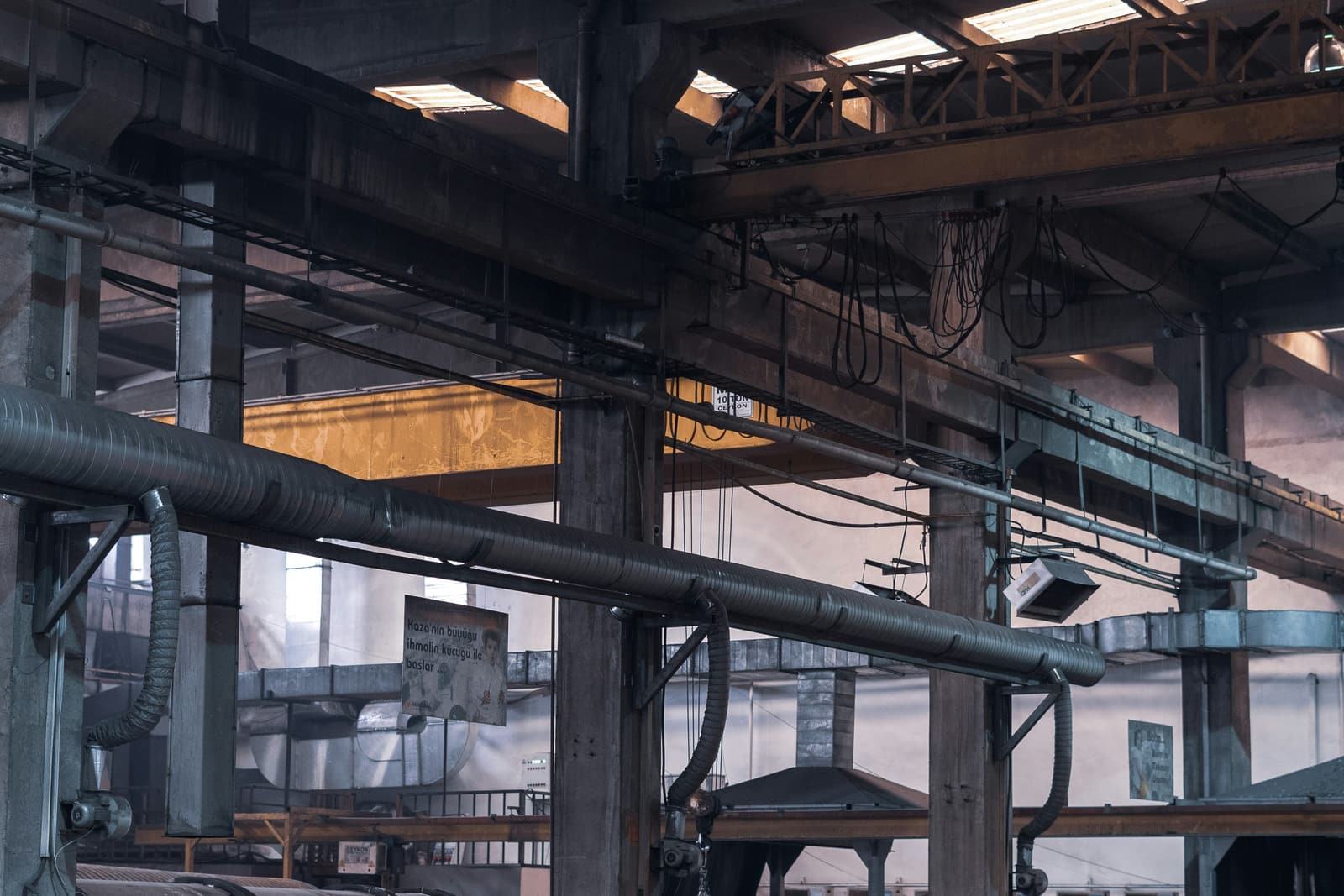
Industrial interior used for motif-based location search by space type.

Industrial interior location by Ümit Yıldırım / Unsplash Unsplash License

July 4, 2026

Search Film Locations by Motif: Altbau, Clinic, Office, School, Lake, Forest and Industry

Searching film locations by motif works best when each category is briefed with look, era, rooms, logistics, rights and hidden constraints.

Storyboard and planning materials used for schedules, shot lists and location planning.

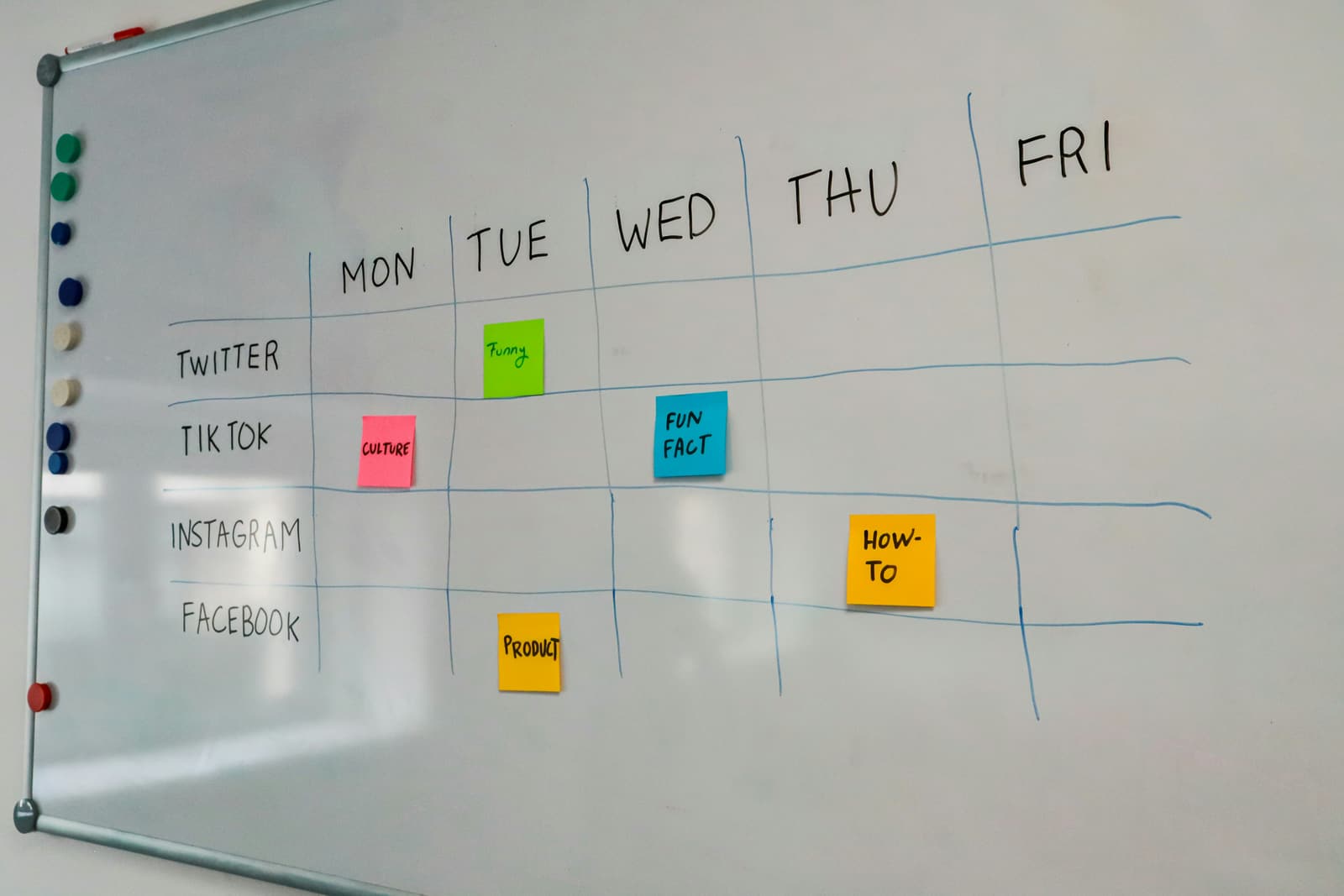
Production planning board by Walls.io / Unsplash Unsplash License

July 4, 2026

Production Schedule, Shot List and Storyboard Templates for Location Planning

Production schedule templates, shot lists and storyboards help location planning only when they expose rooms, access, light, sound, permits and recce risks.

German city skyline used for production hubs in Germany.

German city skyline by Florian Wehde / Unsplash Unsplash License

July 4, 2026

Film Production Hubs in Germany: Berlin, Hamburg, Cologne, Munich and Rhine-Ruhr

A practical comparison of Germany’s production hubs: Berlin, Hamburg, Cologne, Munich and Rhine-Ruhr by look, permits, crew base, transport, seasonality and private-location search.
SetScoutSetScout

© 2026 SetScout

SetScout is funded through the EXIST program by the Federal Ministry for Economic Affairs and Energy and the European Social Fund Plus (ESF Plus).

Federal Ministry for Economic Affairs and EnergyCo-funded by the European UnionEXIST - From Science to Business
Contact

PRODUCT

  • Script Analysis
  • Search

RESOURCES

  • Locations
  • Changelog
  • Blog

COMPANY

  • Imprint
  • Terms for searchers
  • Cookie Settings
  • Terms for hosts
  • Privacy Policy
  • Cookie Policy
  • P2B
  • Consumer Information for Hosts
  • Online Marketplace Information
  • Right of Withdrawal
  • Notice and takedown
  • DSA Information
  • Payment Terms
SetScoutSetScout

© 2026 SetScout

Contact

PRODUCT

Script AnalysisSearch

RESOURCES

LocationsChangelogBlog

COMPANY

ImprintTerms for searchersCookie SettingsTerms for hostsPrivacy PolicyCookie PolicyP2B
Consumer Information for HostsOnline Marketplace InformationRight of WithdrawalNotice and takedownDSA InformationPayment Terms

SetScout is funded through the EXIST program by the Federal Ministry for Economic Affairs and Energy and the European Social Fund Plus (ESF Plus).

Federal Ministry for Economic Affairs and EnergyCo-funded by the European UnionEXIST - From Science to Business
LoginSign up