
Photo editing laptop by Radek Grzybowski / Unsplash Unsplash License
A strong location request reduces back-and-forth and prevents false yeses. This template shows what hosts need: project, dates, times, crew, rooms, equipment, sound, sensitive content, insurance, budget and decision deadline.
A good location request is not a friendly “is this place available?”. It is a working document. The host needs to understand what will be filmed, when it happens, how many people arrive, which areas are needed and what risk that creates.
The clearer the request, the faster a host can say yes, no or yes under conditions. Vague requests waste time, create false expectations and cause expensive questions right before the shoot.
A location request rarely fails because one sentence is missing. It fails because the host cannot judge the risk. A private house, shop, office or apartment looks very different when 4 people arrive for stills than when 28 people arrive with lighting, sound, client team and props.
From the host’s point of view, the request is the first rehearsal for shoot day. If the inquiry is vague, the host may expect the same vagueness around reset, rules, budget and responsibility.
The host first needs the project type: advertising, social content, music video, editorial, interview, TV, feature film, test shoot or internal format. Add the brand or client when you can, plus where the material will be used.
Usage matters because a private host may respond differently to a local interview than to an international campaign. If the client is confidential, say so clearly and still describe sector, format and sensitivity.
Hosts need more than the shoot date. They need setup, strike, prelight, recce, possible hold days, deliveries, return handover and buffer. A location can be free on the shoot day and still fail on prep or reset.
State the preferred date, alternate dates, exact call and wrap, earliest arrival, latest departure, and whether night work, weekend work or public holidays are involved.
Vehicle and location lists are not just internal production details. For certain public-space applications, BBFC’s form overview includes location and vehicle lists (BBFC application forms). Private hosts need similar information to judge parking, load-in and neighbor impact.
Write down headcount, team roles, client team, vehicles, vans, generator, lighting, sound, camera, stands, dolly, haze, drone, catering, makeup, styling, props and whether heavy or bulky items need to enter the location.
A request should not only say “we shoot in the living room.” Explain which rooms are on camera, which rooms are needed as work areas, where makeup, styling, client, catering and equipment will sit, and which routes the team uses.
Scene context helps the host set limits. A conversation at a kitchen table, a party scene, an argument, a product shoot with water or a scene with children each affects space, noise, protection and privacy differently.
Sound recording, exterior lights, generators, stairwell traffic, parked vehicles, smoke, music, many extras or night work can change the character of a location. If these points appear only after approval, the request can turn into a conflict.
As soon as public streets, sidewalks, squares or traffic measures are involved, permit questions need early attention. BBFC explains that filming on public streets and grounds in Berlin and Brandenburg generally requires a permit when use goes beyond ordinary public use (BBFC).
Hosts want to know who carries responsibility if something is damaged. Mention production liability or insurance proof, floor, wall and furniture protection, locked-off areas, before photos, cleaning and reset time.
If furniture needs to move, art comes down, light is mounted outside, private items are cleared or rooms are redressed, put that in the request. A late “just briefly” is not a professional standard.
A budget range saves time on both sides. It does not need to be the final number, but it shows whether location fee, additional costs, overtime, cleaning, staff, security or business interruption can work at all.
Also state when the decision will be made. Hosts rarely want to hold dates indefinitely. A clear decision deadline makes it easier to keep availability realistic or offer an alternative.
SetScout makes it easier to turn a search into a request when you describe motif, timing, crew, usage and open questions clearly. Read the workflow on how to find a film location, browse film locations in Germany and clarify the key film location agreement clauses before booking.
Yes, at least as a range. Without budget, the host cannot judge whether the location fee, extra costs, cleaning, overtime or disruption risk are realistic. A range prevents unnecessary back-and-forth.
Say that clearly and describe as much as possible: sector, format, crew size, rooms, sensitive themes, usage type and contact person. If needed, a confidentiality agreement or fuller approval can follow later.
Short enough to read, concrete enough to decide. A structured request with clear bullets is better than a long paragraph or a friendly note with no production data.
More posts you might be interested in

Industrial interior location by Ümit Yıldırım / Unsplash Unsplash License
Searching film locations by motif works best when each category is briefed with look, era, rooms, logistics, rights and hidden constraints.
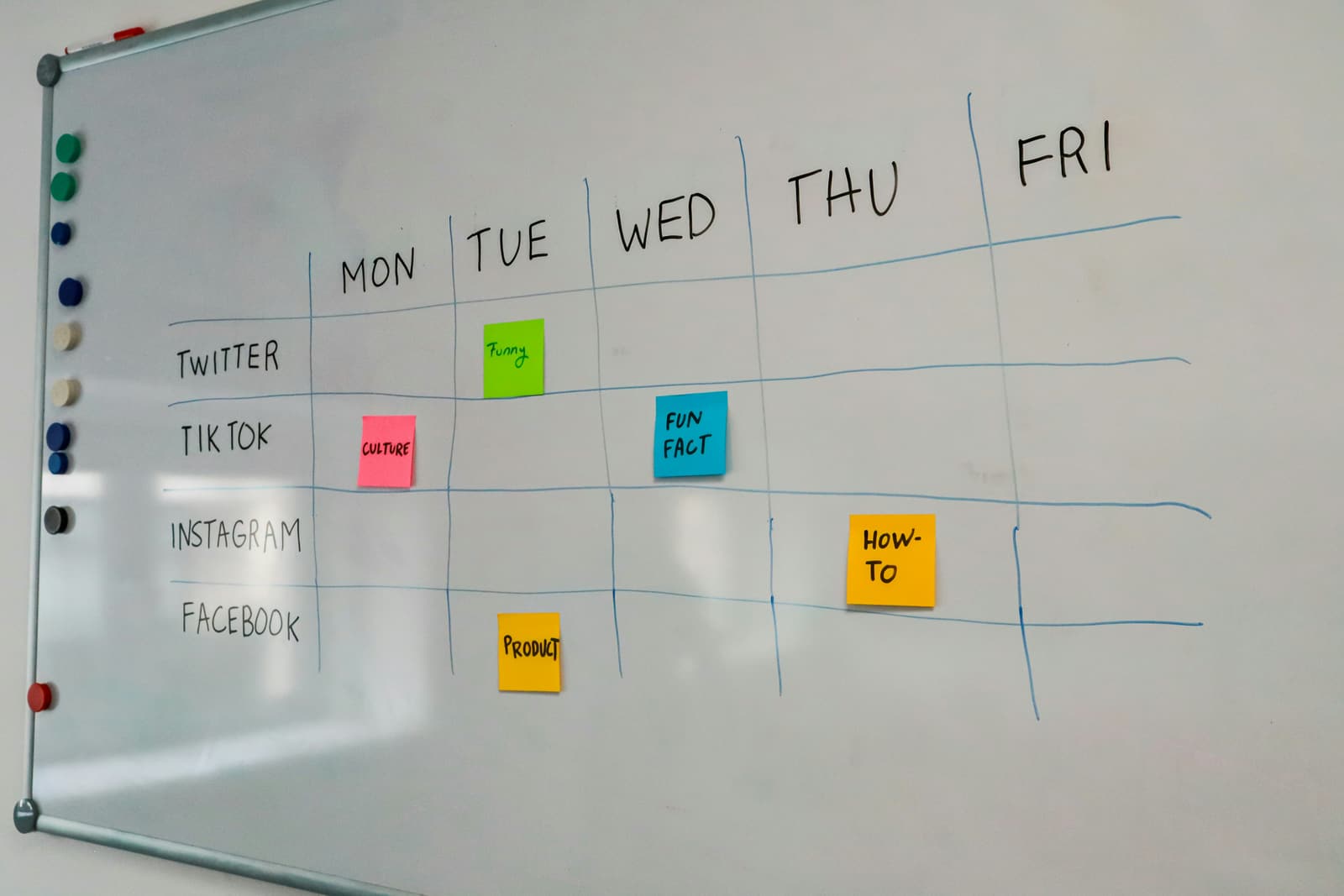
Production planning board by Walls.io / Unsplash Unsplash License
Production schedule templates, shot lists and storyboards help location planning only when they expose rooms, access, light, sound, permits and recce risks.
German city skyline by Florian Wehde / Unsplash Unsplash License
A practical comparison of Germany’s production hubs: Berlin, Hamburg, Cologne, Munich and Rhine-Ruhr by look, permits, crew base, transport, seasonality and private-location search.
