Photo by Francisco Suarez on Unsplash by Francisco Suarez Unsplash License
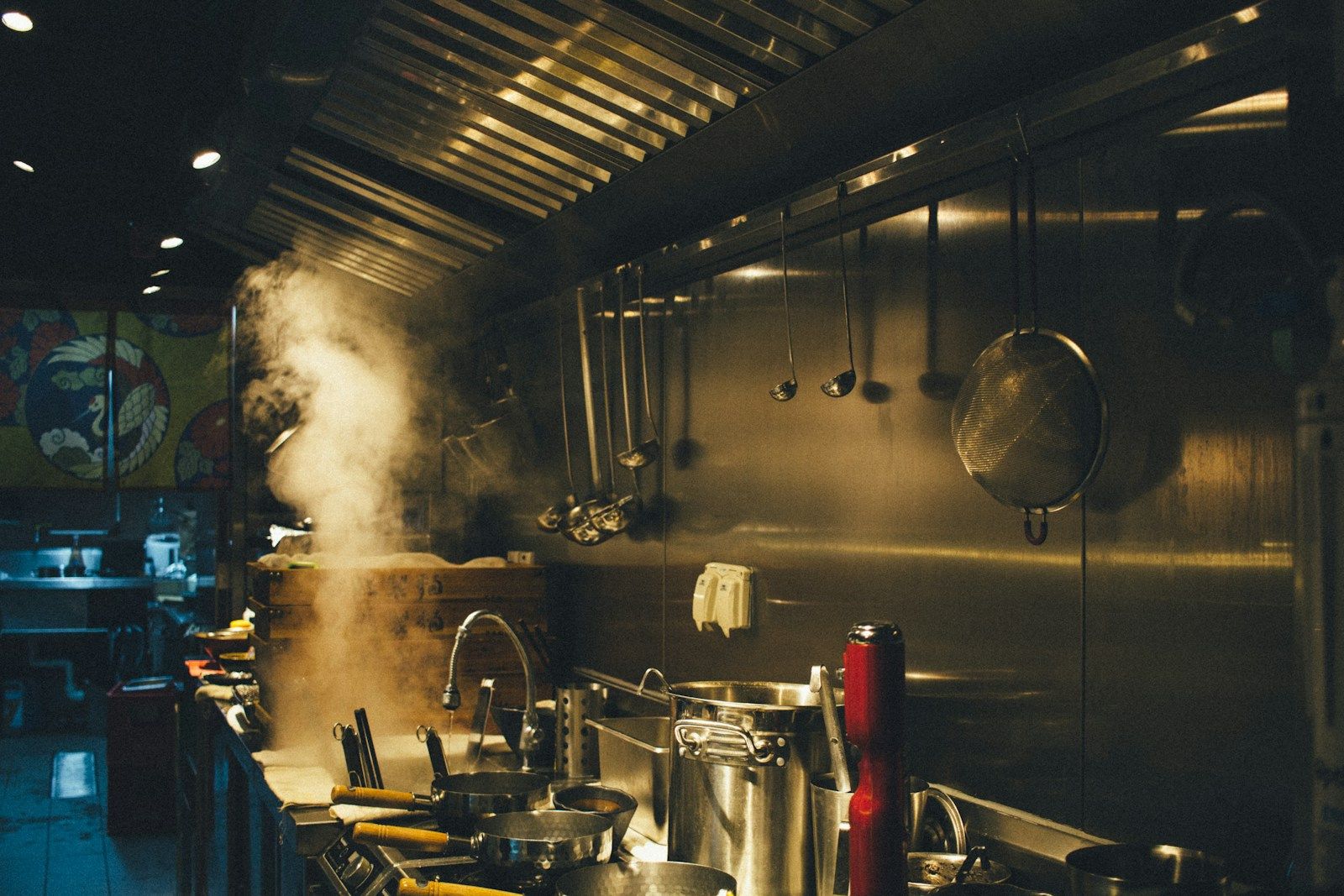
What small and large teams really need at a location for catering, kitchen access, coffee, water, breaks, waste, delivery routes and reset.
Catering and kitchen access often feel secondary until the shoot day starts. Then coffee, water, waste, refrigeration, seating, delivery routes, break areas and cleaning decide whether the team works calmly or every pause becomes improvised.
This guide shows what small and large teams should clarify before booking. It complements the perfect location request, the production-ready location listing and planning for crew base and holding area.
Many locations have a beautiful kitchen. That does not mean production may use it for catering or that it works operationally. A kitchen can be the hero set, private host space, caterer prep, coffee station or simple storage. Those roles should be separated.
Small teams often need only water, coffee, some fridge space, waste and a snack area. Larger teams need a separate catering area, delivery route, warming option, seating, cleaning, power and a clear boundary between set kitchen and crew food.
Catering needs water, power and cooling. Coffee machines, kettles, induction plates, microwaves, fridges, warming boxes, chargers and work lights can use the same circuits as production gear. Catering therefore belongs in power planning, not only in the lunch break.
Refrigeration matters during long days, summer shoots, fresh food, milk, talent-specific meals or meal prep. If the host fridge is private, production needs to know in advance whether any space may be used and how much.
The key decision is whether food is only served on site or actually prepared there. Prep means food arrives ready, is placed, warmed or portioned. Full catering means more space, power, water, waste, smell and cleaning.
External delivery does not solve everything. Delivery teams need address, doorbell, contact person, loading zone and clear handoff. In buildings with stairs, courtyards, reception, security or confusing access, a missing handoff can disrupt the schedule quickly.
Eating while standing works for short mini shoots. Longer days need real break areas. Seating, shade, warmth, rain cover, quiet and distance from set matter. A catering area beside sync sound, makeup or client area creates conflict fast.
For outdoor locations, weather planning has to be concrete. Where does the team eat in rain, wind, heat or cold? Is there indoor space, tent, shelter, vehicle solution or external unit base? A nice lawn is not a catering plan.
Catering creates waste: packaging, cups, leftovers, bottles, boxes, napkins, coffee capsules, deposits and sometimes grease or liquids. The host should know which bins may be used, what leaves with production and who checks the space at the end.
Cleaning belongs in the schedule. Counters, floor, fridge, sink, dishes, coffee machine and waste area need clear responsibility. If a private kitchen is used, reset should be documented especially carefully.
Productions should not assume every kitchen can support every meal. Private kitchens, office kitchens, show kitchens, restaurant kitchens and commercial kitchens have different limits. The caterer needs to know what is allowed and practical on site.
Hosts should name house rules clearly: no cooking, no grease, no fish dishes, no alcohol, no private appliance use, no overnight storage, no food in specific rooms. Clear limits are better than lunch-break arguments.
Long shoot days change catering needs. If the schedule slips, the original meal plan may not be enough. Production should know where last-minute food can come from, who orders, where delivery happens and whether the location allows longer use of kitchen or break areas.
Coffee and water also scale differently than expected. Small teams need a few bottles. Larger shoots need replenishment, storage, cooling, waste handling and someone tracking supply.
Useful listing details include kitchen access yes or no, water, fridge, freezer, coffee machine, microwave, stove, oven, dishwasher, seating, outdoor space, waste rules, delivery access, lift, loading zone, cleaning rules and restrictions.
Realistic headcount matters just as much. A kitchen that is perfect for six people can be difficult for 25. If a location only supports snacks and coffee, the listing should say exactly that.
SetScout does not make catering easy by itself, but it can surface the right data early. When hosts describe kitchen, support spaces, waste, access and limits clearly, productions ask more precise questions and plan more realistically.
Hosts listing a location on SetScout for hosts should not treat catering as an afterthought. Good details prevent false expectations and make both small and large shoot days easier to plan.
More posts you might be interested in
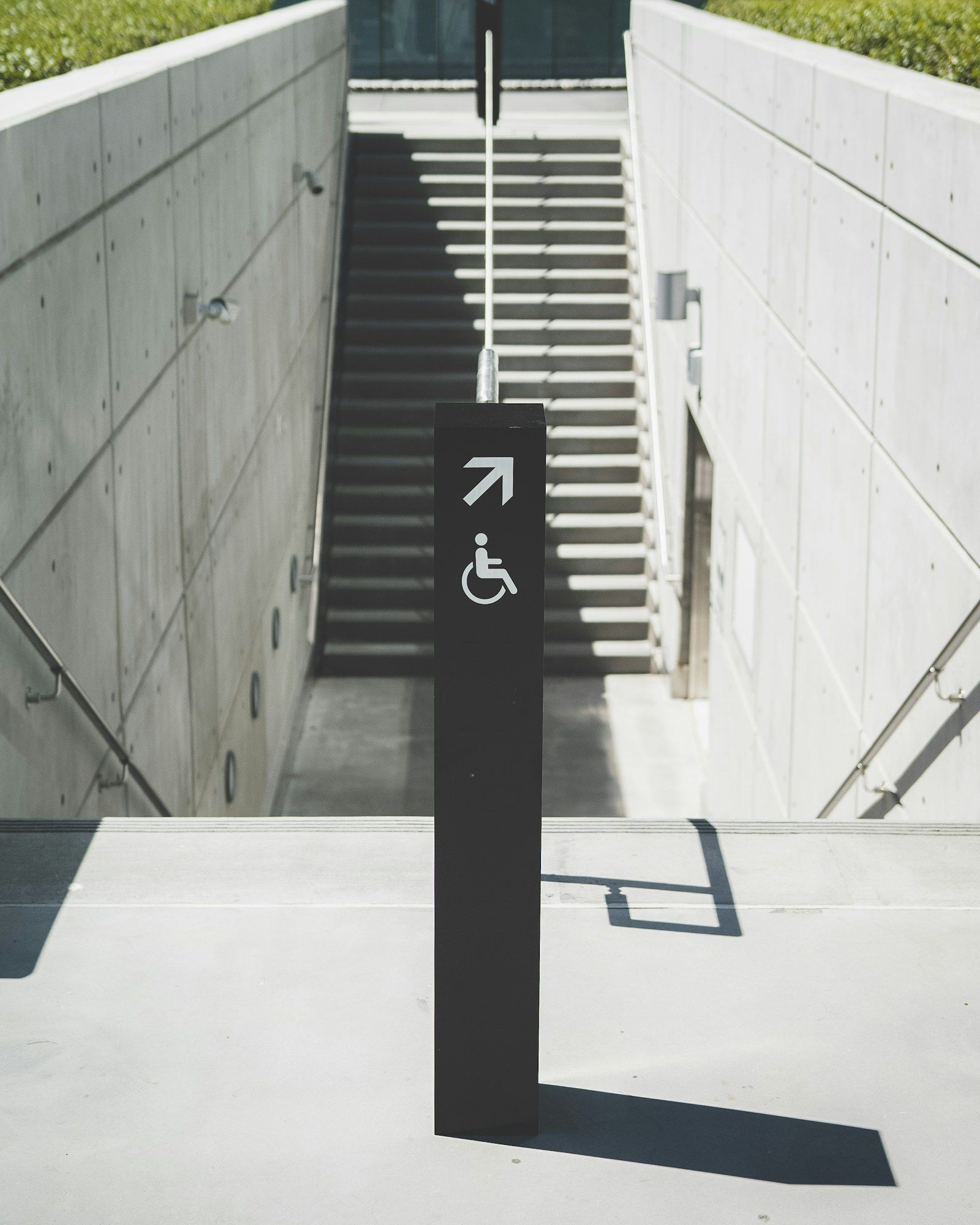
Photo by Joey Banks on Unsplash by Joey Banks Unsplash License
A practical access planning guide for productions and hosts documenting real routes, bathrooms, ramps, holding and limitations before booking.
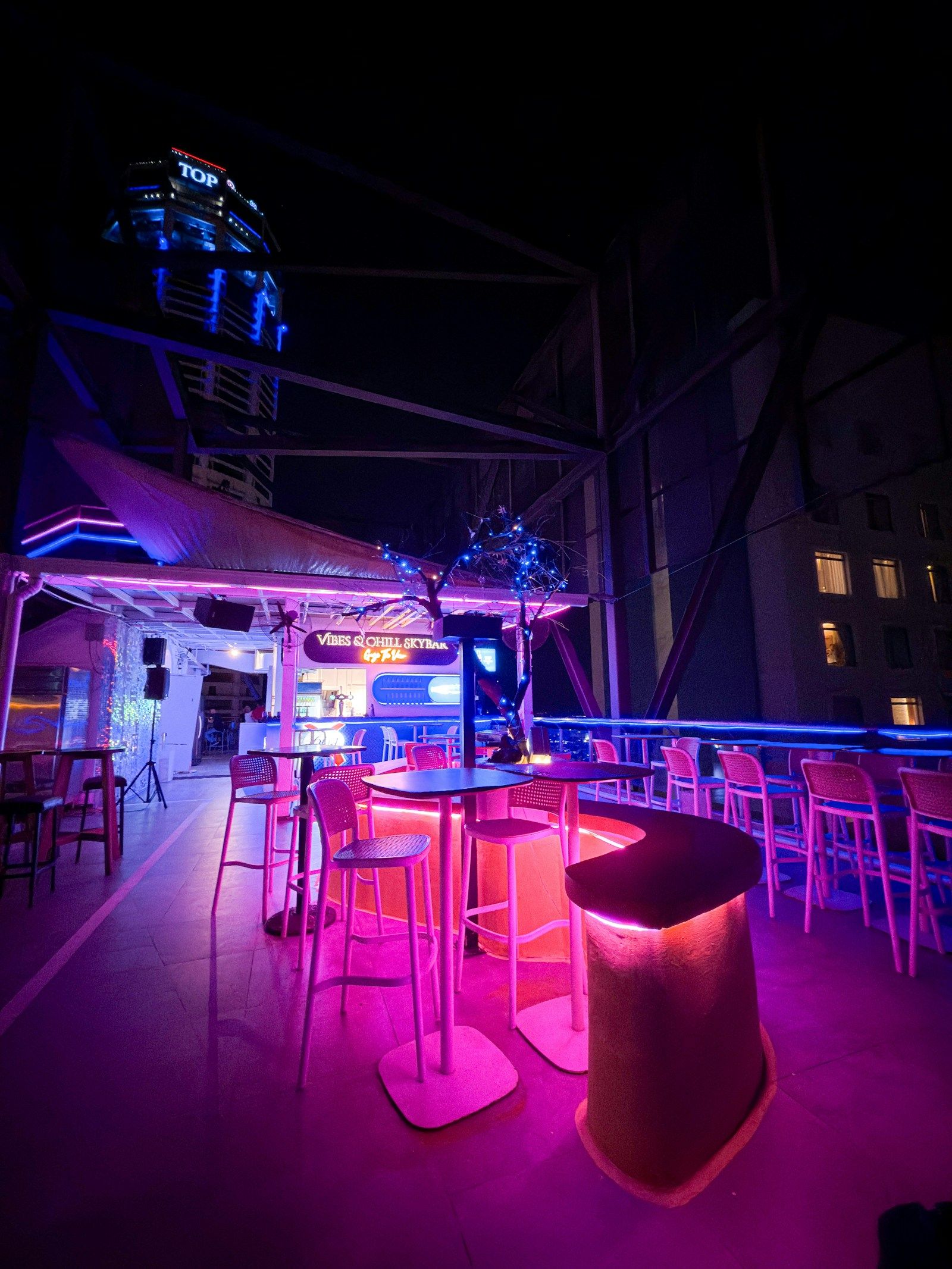
Photo by Ryan Liu on Unsplash by Ryan Liu Unsplash License
How productions should prepare bar, club and nightclub locations for music videos, fashion, commercials and nightlife content.
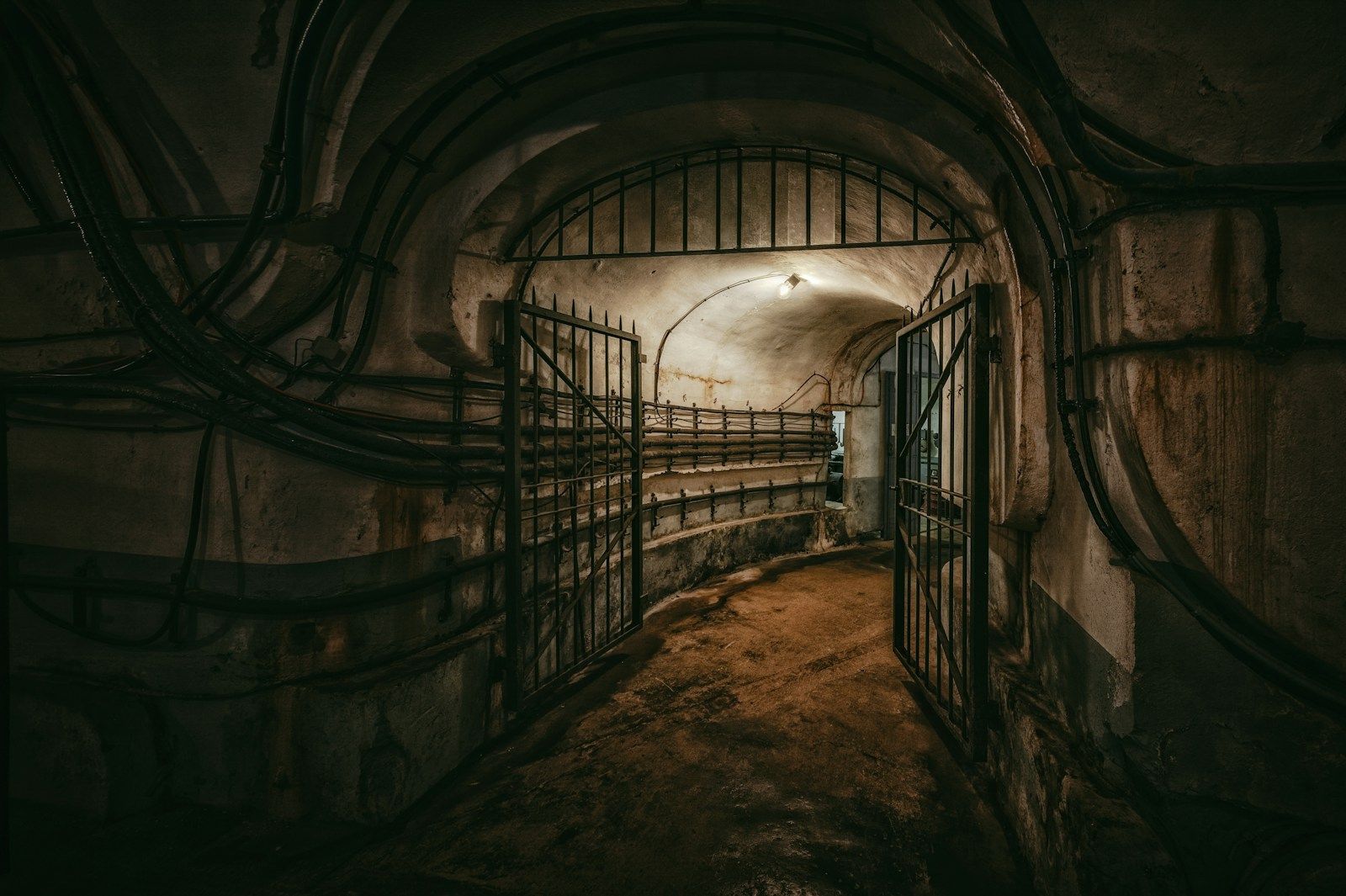
Photo by Peter Herrmann on Unsplash by Peter Herrmann Unsplash License
How productions should assess bunker, lost-place and special-motif locations without creating legal or safety risk.
