Photo by Peter Herrmann on Unsplash by Peter Herrmann Unsplash License
How productions should assess bunker, lost-place and special-motif locations without creating legal or safety risk.
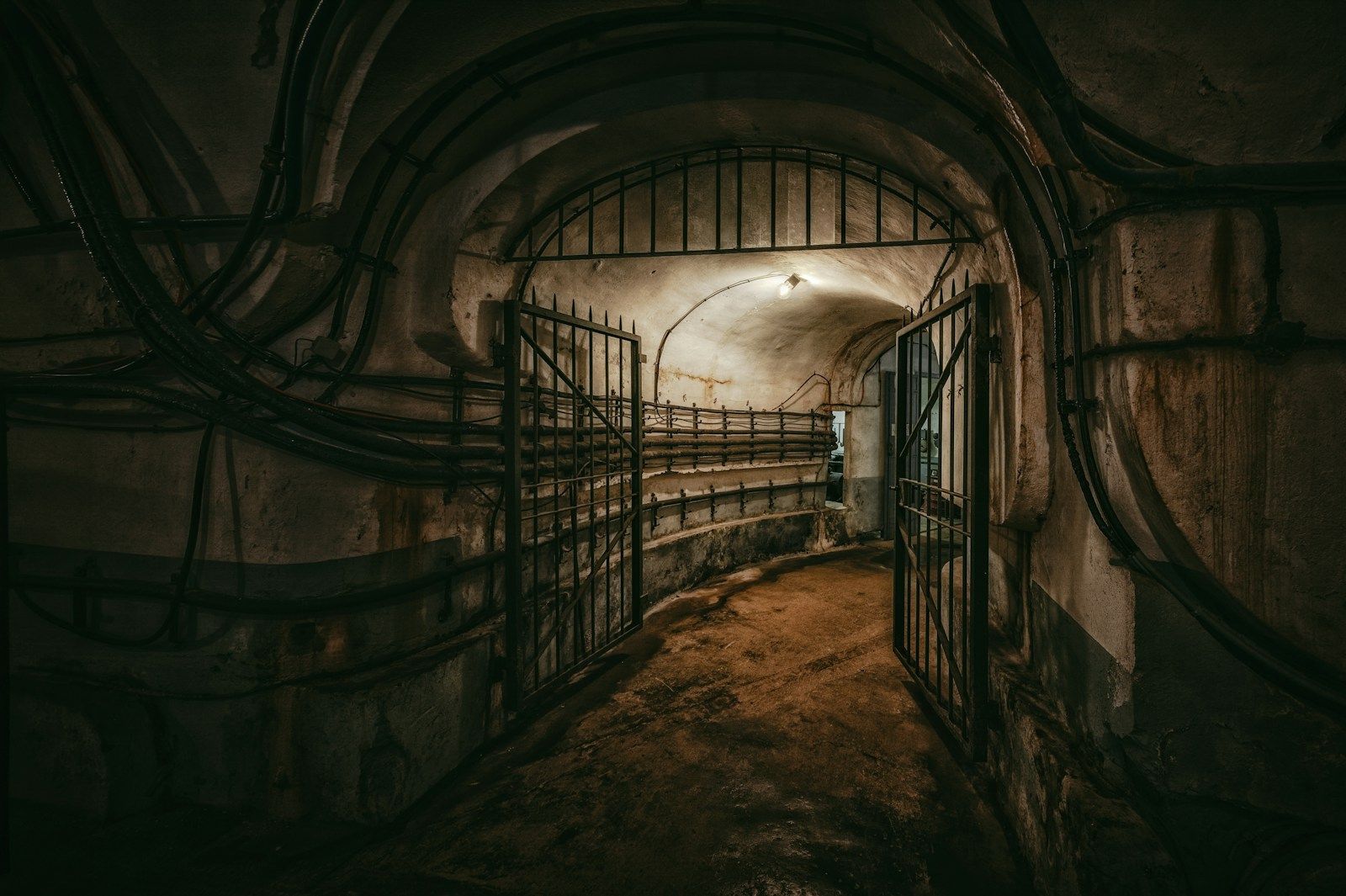
Bunkers, lost places and special motifs are powerful film and photo locations because they carry atmosphere immediately: concrete, darkness, traces, patina, industry, history and a sense of risk. That risk has to be controlled before the request. A good special motif is legally accessible, supervised and technically checked.
This guide is for producers, location scouts and operators planning extreme motifs without legal or safety risk. Start with special motifs on SetScout, compare industrial locations and use the guide to fire safety on set as a companion.
A bunker or lost-place look is a serious film location only when ownership, access, structural safety, hazardous materials, emergency routes, insurance, supervision, power, light, communication and reset are clear. The look must never become the reason to enter a site without permission.
For productions, the best alternative is often not the truly abandoned place, but a supervised special motif with similar patina. That could be an old cellar, inactive hall, secured bunker, industrial set or one area that has deliberately been released for shoots.
A lost place is almost never ownerless. In Germany, unauthorized entry into another person’s rooms or enclosed property is addressed in Section 123 of the Criminal Code on trespass. For a production, a forum tip is not enough. You need a responsible contact, usage permission and clear area boundaries.
The request should answer: who owns or operates the site? Who can approve use? Which areas are allowed? Which stay closed? Are there tenants, authorities, heritage rules, security, management, neighbors or other stakeholders? Without those answers, the place is not a location. It is a risk.
Abandoned buildings can look stable from outside and be dangerous inside. Floors, stairs, railings, ceilings, shafts, glass, water, rust, loose parts, darkness and missing guardrails are not props. They decide whether crew and equipment may enter at all.
A safe request describes supervised areas only and does not require improvised exploration. Before the shoot, plan a recce with a responsible person, clear blocked zones, marked routes, work light, exits, communication and a decision on which setups are excluded because of structure or access.
Old industrial and bunker sites can contain hazardous substances. For asbestos, BAuA maintains TRGS 519 on asbestos demolition, reconstruction and maintenance work; its asbestos information portal emphasizes planning and preparation before work in potentially asbestos-containing areas. For filming, that means: do not chip, drill, sweep, open or create dust from untested materials.
Productions should not create a dust look by moving old materials. Paint, insulation, flooring, pipe lagging, mold, bird droppings, oil, chemical residues or contaminated water can also rule out a space. If an area is unsafe, block it or replace it. Do not work around it creatively.
Bunkers, cellars, tunnels and inactive facilities often have no daylight, weak mobile reception, low ceilings, wet floors, echo, cold and confusing routes. This affects camera, sound, lighting, safety and evacuation at the same time.
Plan work light separately from picture light. Define meeting points, routes, radio or alternative communication, toilets, breaks, first aid and stop criteria. Nobody should enter a side room alone just because the background might look interesting.
A special motif is usable only when people can leave quickly. Narrow stairs, gates, heavy doors, shafts, darkness, water, haze, cables and equipment must not hide exit routes. Smoke, candles, pyro or haze can make an already difficult site unreasonable.
If the look needs smoke, candles, pyro or dark exits, read the SetScout guide to fire safety on set. Special motifs do not need less safety planning. They need more.
For special motifs, a generic agreement is usually too thin. The agreement should name exact areas, prohibited zones, supervision, access, liability, insurance, damage, cleaning, alterations, props, lighting, haze, vehicles, person limit and stop rights.
The insurance confirmation should match the actual use. A small supervised photo shoot is not the same as a music video with playback, haze, many people, night timing, vehicles or stunts. If the insurer would not understand the place from the request, the request is not precise enough.
The strongest part of a lost-place look is often not the most dangerous area. Good motifs separate picture zone, working zone and blocked zone. The camera can show depth, doors, corridors and texture without sending crew and talent into unsecured sections.
Mark approved routes, safe camera positions, stand areas, lighting positions, client zone, make-up, catering and equipment holding. The clearer these zones are, the more the look can work without constant improvisation.
Documentary, artistic or historical intent can be a strong reason for a motif. It does not replace owner permission, safety inspection or authority coordination where needed. Bunkers, monuments, former authority sites or critical infrastructure can carry additional rules.
If the site is historically sensitive, the request should explain the story, respectful handling, whether names, signs or graffiti stay visible and where the work will be shown. Serious operators respond better to precision than secrecy.
The safest path to a lost-place look is often a legal substitute: factory hall, storage cellar, inactive wing, supervised industrial site, built set, parking garage, tunnel-like space, technical room or studio with patina. That reduces risk and gives more control over power, routes, light and time.
Compare industrial locations on SetScout, the guide to factory and warehouse locations and the route for special motifs. The right place carries the look and makes the shoot responsible.
A useful request names motif, usage, crew size, technical needs, desired areas, blocked zones, lighting, power, haze, vehicles, stunts, night timing, sound, insurance, supervision, exits and publication scope. It does not ask for hidden access or unsecured areas.
For operators, that kind of request is easier to assess. For productions, it shows professional intent. Downplaying the risk usually leads to a no from serious special motifs. Accepting limits often leads to better and more reliable options.
SetScout can help productions request extreme motifs legally and responsibly. Describe not just bunker, lost place or dark industry, but ownership, supervision, safety limits, crew size, equipment, lighting, haze, routes and publication scope.
If you need a special motif, start with special motifs on SetScout and request only places that are legally accessible, supervised and possible to assess for production use.
No, that should not be a production option. Abandoned places can still be private property, secured facilities or closed areas. A shoot needs responsible permission, defined areas and a safety plan. Without that, the place is not a professional film location.
Check ownership, access, structure, exits, darkness, communication, moisture, power, hazardous materials, blocked zones, supervision, insurance and stop criteria. A bunker can look strong, but low ceilings, heavy doors or no mobile reception can change the whole schedule.
Supervised industrial spaces, cellars, parking garages, technical rooms, old halls or sets with patina often work better. They give the rough look with clearer routes, power, toilets, contacts and agreement terms. For commercials, music videos and social content, that is usually more production-friendly.
More posts you might be interested in
Photo by Joey Banks on Unsplash by Joey Banks Unsplash License
A practical access planning guide for productions and hosts documenting real routes, bathrooms, ramps, holding and limitations before booking.
Photo by Ryan Liu on Unsplash by Ryan Liu Unsplash License
How productions should prepare bar, club and nightclub locations for music videos, fashion, commercials and nightlife content.
Photo by Francisco Suarez on Unsplash by Francisco Suarez Unsplash License
What small and large teams really need at a location for catering, kitchen access, coffee, water, breaks, waste, delivery routes and reset.
