Photo by Tak Kei Wong on Unsplash by Tak Kei Wong Unsplash License
A practical safety workflow for productions and hosts clarifying escape routes, cables, candles, haze, smoke, pyro and responsibilities before filming.
Fire safety and set safety often become visible only when a creative idea changes how a location is used: candles on the table, haze in the room, a blocked hallway, cables through an exit, many extras, fog in a stairwell or pyrotechnics for a short effect.
This article is not a safety approval. It helps productions and hosts ask the right questions before inquiry, recce and booking. For German production practice, the VBG/DGUV guide on safety at events and productions is a useful framework; for pyrotechnics, fog and scenic effects, DGUV Information 215-312 gives dedicated guidance.
In the SetScout workflow, safety belongs next to the location recce checklist, the film location agreement and damage prevention on set.
The most common safety conflict is not dramatic: the escape route becomes storage. Cases, lamps, cables, stands, catering, wardrobe, client tables or props end up there because space is tight. For production, that feels practical. For the host and safety planning, it is a problem.
Before confirmation, the team should know where exits, emergency exits, escape routes, stairwells and assembly points are. Which doors must stay clear at all times? Which routes may not be narrowed? Who checks after build that the route is still usable?
Cable routes are not only technical. They affect trip hazards, escape routes, thresholds, fire doors and movement areas. Tight old buildings, active offices, stores, stairwells, basements, parking garages and locations with many people are especially sensitive.
Headcount changes safety too. A room that works for ten crew members may become too tight with client, agency, cast, extras, catering and gear. The expected maximum number of people belongs in the inquiry, not only in the daily call sheet.
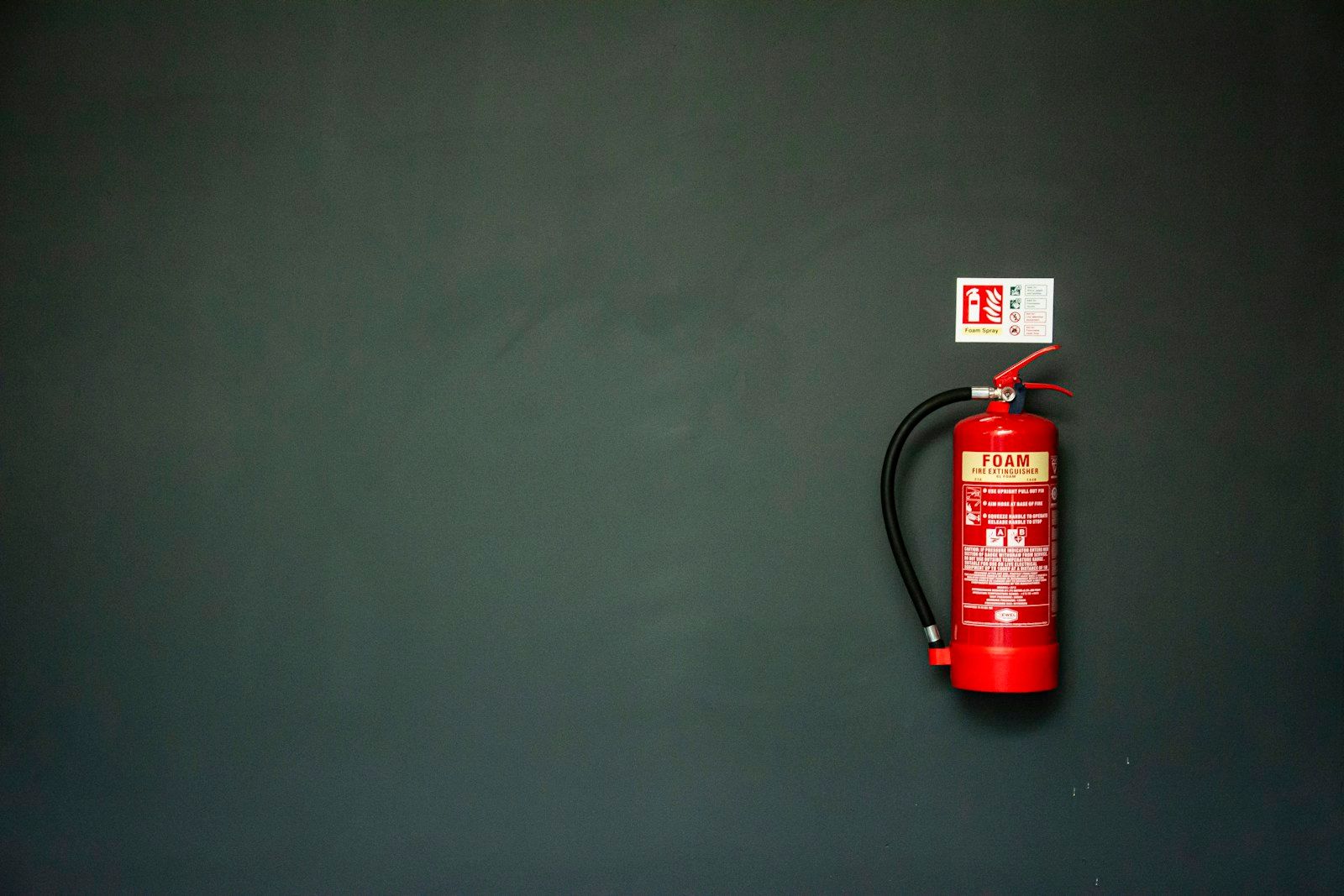
Candles, matches, fireplaces, cooking, heaters, soldering irons, sparks and older hot lights are not minor details. They need distance, supervision, extinguishing equipment, suitable surfaces, house rules and one responsible person who stays assigned.
If a host excludes open flame, that is not a negotiation for shoot day. Production has to work with LED candles, set dressing, framing or another creative solution. The earlier the limit is known, the less painful the alternative becomes.
Haze and fog can add depth, but they can also trigger fire alarms, reduce visibility, obscure escape signage, affect sensitive people or breach house rules. In offices, hotels, museums, stores and residential buildings, “just a little haze” is not a harmless default assumption.
Before booking, productions should ask: are there smoke detectors? Who may assess or manage them? Are haze, smoke or fog allowed? Is host approval, fire watch, a specialist company or official coordination required? What happens if an alarm is triggered?
Pyrotechnics, sparks, smoke devices, fireballs, squibs, explosions, pressure effects and other scenic effects are not improvised production wishes. They belong in the request early and need review by suitable specialists, the location, insurance and responsible authorities or venue teams.
For hosts, the practical rule is simple: if pyro, smoke, fire or special effects are not expressly approved, they are not allowed. For productions, the practical rule is just as simple: these wishes are disclosed before booking, not added on setup day.
Safety needs ownership. Who is the producer or production manager? Who is responsible on site? Who speaks for the host? Who may operate building systems? Who decides when weather, alarms, crowding, open flame or blocked routes become a stop condition? Who documents handover and reset?
Insurance proof should not only exist as a PDF; it should match the intended use. A simple interview shoot is different from a night scene with candles, haze, many people and a generator. If the creative plan changes, the risk review has to change too.
The inquiry should disclose all safety-relevant wishes: headcount, lighting setup, cable routes, candles, haze, smoke, fog, pyrotechnics, stunts, animals, vehicles, cooking, night work, audience, closures and sensitive building areas.
During the recce, the team checks routes, rooms, detectors, exits, extinguishers, stairs, doors, exterior areas, access routes and contacts. The location brief should then say more than “safety checked.” It should list allowed, prohibited, approval required, responsible person, proof or open issue.
SetScout does not replace safety specialists or official approval. Its value is earlier: productions can name safety-relevant requirements before booking, and hosts can make house rules, escape routes, no-go areas and restrictions visible.
When teams compare film locations, safety should not be checked after the visual choice. If candles, smoke, pyro, large crowds or blocked routes are part of the idea, they belong in the inquiry, recce and briefing before shoot day.
More posts you might be interested in
Photo by Joey Banks on Unsplash by Joey Banks Unsplash License
A practical access planning guide for productions and hosts documenting real routes, bathrooms, ramps, holding and limitations before booking.
Photo by Ryan Liu on Unsplash by Ryan Liu Unsplash License
How productions should prepare bar, club and nightclub locations for music videos, fashion, commercials and nightlife content.
Photo by Peter Herrmann on Unsplash by Peter Herrmann Unsplash License
How productions should assess bunker, lost-place and special-motif locations without creating legal or safety risk.
