
Photo by Romina Farías on Unsplash by Romina Farías Unsplash License
Crew Base and Holding Area: Where Team, Makeup, Wardrobe and Clients Go
An operational location guide for support rooms beyond the hero set: makeup, wardrobe, crew base, clients, catering, holding and storage.
Film locations are often judged by the hero room: living room, loft, office, hall, kitchen, stairwell or roof terrace. But shoot days rarely fail because of the prettiest frame. They fail because support rooms are missing and makeup, wardrobe, clients, catering, gear and talent have nowhere realistic to go.
This guide shows how production and host should check crew base and holding areas before booking. It complements the production-ready location listing, the perfect location request and the location recce checklist.
Think separately about hero room and support rooms
The hero room is the space that appears on camera. Support rooms make the workday possible: makeup, wardrobe, talent holding, client area, video village, catering, bathrooms, gear storage, bags, quiet space, production desk and sometimes weather cover.
A small location can work for a small workflow. It becomes difficult when the same area has to be set, waiting room, wardrobe, catering, client monitor and gear storage at once. That is why headcount and room functions belong in the request.
What actually happens in crew base
Crew base is not just “somewhere to put things.” It holds bags, personal items, production paperwork, batteries, water, snacks, breaks, quick meetings and often the first operational overview of the day. The space needs to be reachable, secure and out of frame.
Useful details are power, Wi-Fi or mobile reception, heating or cooling, seating, waste, proximity to bathrooms and enough distance from set so conversations do not disturb sync sound. In private homes, crew base should not automatically occupy private rooms.
Makeup and wardrobe need different conditions
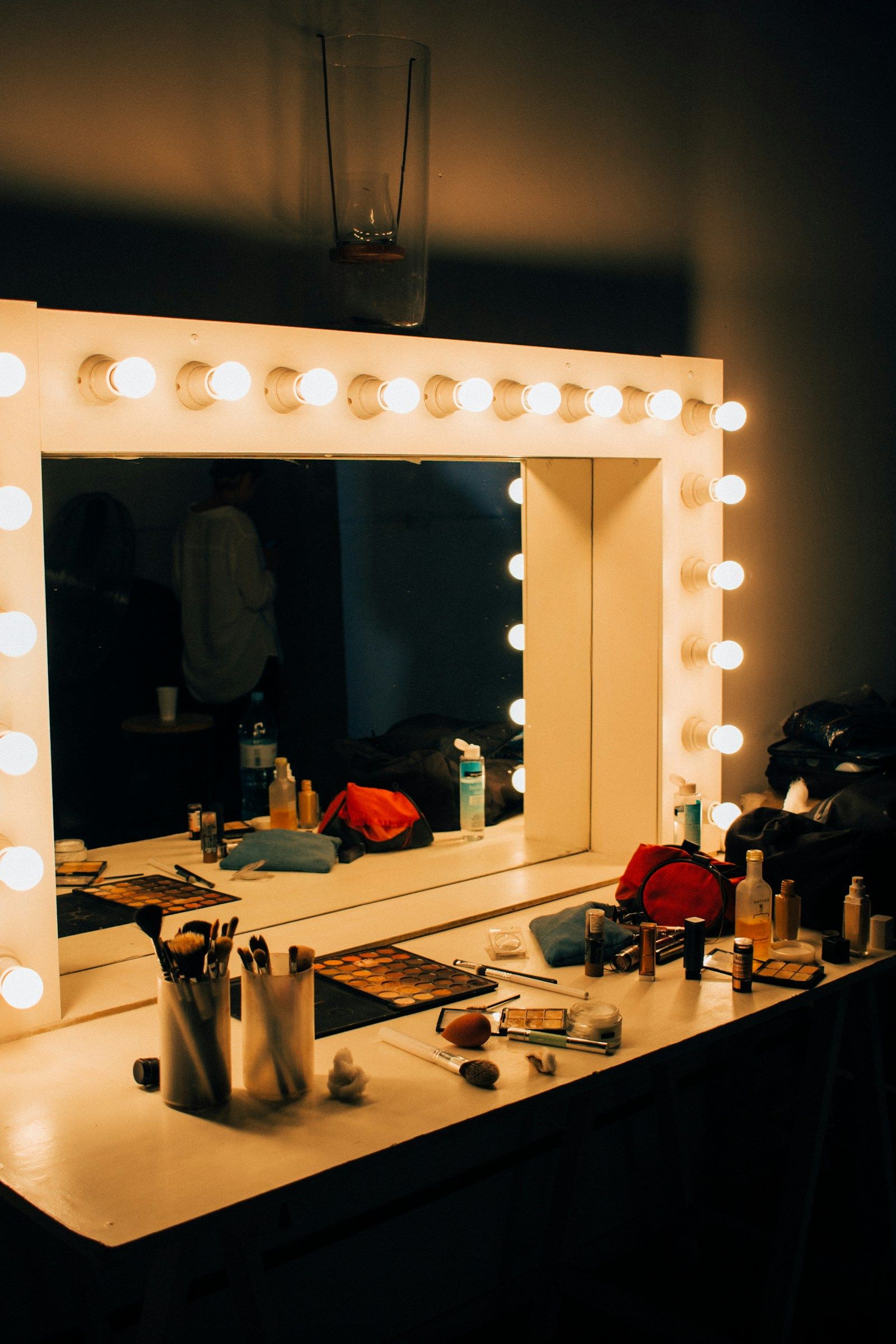
Makeup needs light, mirrors, power, table space, proper chair height, water access or short routes, warmth, quiet and privacy. Wardrobe needs a clothing rack, steamer or ironing option, full-length mirror, changing area, surfaces and protection from dirt.
When makeup and wardrobe share one room with catering, clients or gear, chaos builds quickly. For small shoots, one combined room may be enough. For talent, clients and several looks, clearer separation is usually needed.
Holding area for talent, extras and clients
Holding is the waiting area for people who are not currently on set. That may include cast, extras, clients, agency, host or interview guests. Holding needs seating, temperature control, bathroom access, drinks and a clear route to set.
Privacy matters on sensitive productions: talent may not want to wait in the hallway, clients should not walk through private rooms, and guests should not see confidential set areas. The path between holding and set should be planned as carefully as the camera angle.
Video village and client area
Video village or a client monitor needs signal view, power, sound control, seats, limited foot traffic and enough distance from set. In small locations, the client area is often the hidden bottleneck because it needs to stay quiet while remaining close to decisions.
If clients do not have a defined place, they end up on set, in doorways or beside gear. That slows work and adds image, sound and safety risk. Production should clarify before confirmation how many external people will actually be present.
Catering, bathrooms and waste
Catering needs space, routes, power, water or clear alternatives, a waste plan and distance from sensitive areas. Food beside wardrobe, gear or private documents creates conflict quickly. Coffee machines, kettles and fridges can also become power and noise issues.
Bathrooms are part of capacity too. One bathroom may work for a small interview, but not for a large team, clients and extras. The location brief should state number, location, accessibility, house rules and cleaning expectations.
Weather, heating, cooling and breaks
Support rooms need to work for the season. In winter, crew base needs heat, dry storage and space for wet coats. In summer, it needs ventilation, shade, water and break space. Outdoor shoots need real weather cover, not just a vague tent idea.
If holding or makeup is too cold, too hot or too loud, performance and schedule suffer directly. A room that feels fine during a ten-minute visit can become unusable after six hours.
How many rooms are realistic
A simple rule helps: a mini interview needs set, small storage, bathroom and maybe makeup. A corporate shoot with clients needs set, makeup/wardrobe, client area, crew base and catering. A larger cast shoot adds holding, quiet room, gear storage and clear routes.
The question is not whether a location theoretically has enough square meters. The real question is whether spaces can be used at the same time without blocking set, sound, privacy, safety and movement.
What hosts should include in a listing
Hosts help productions when they describe more than the beautiful room. Useful details include support rooms, bathrooms, kitchen, holding spaces, wardrobe, mirrors, power, Wi-Fi, heating, cooling, outdoor space, parking, stairs, lift, no-go rooms and a realistic maximum headcount.
Limitations are valuable too: no clients in private areas, no makeup in the bathroom, no catering in the kitchen, no bags in the hallway, no use of certain rooms, no access to garden or basement. Clear boundaries prevent false expectations.
How SetScout helps with crew base and holding
SetScout should not make locations comparable only visually. Good production data shows whether a place works operationally: which support rooms exist, which routes are possible, which areas are off limits and how many people realistically fit the workflow.
When teams choose film locations, they should check support spaces before booking. The strongest hero room will not save the day if makeup, wardrobe, clients and crew have to improvise for hours.
Recommended articles
More posts you might be interested in

none by Jakub Zerdzicki All photos and videos on Pexels can be downloaded and used for free.
Tax rules for income from renting out a film location
How to report profits from renting out your location correctly for German tax purposes
Inventorying film equipment before a location shoot by OpenAI image generation for SetScout Original image generated for SetScout; no third-party source image used
Film Equipment Insurance: Documenting Owned and Rented Gear
A practical checklist for cameras, lighting, sound and rented film equipment: confirm inventory, values, transport, storage and claims procedures before the shoot.
Film insurance for a production at a prepared location by OpenAI image generation for SetScout Original image generated for SetScout; no third-party source image used
Film Insurance for Productions: Coverage, Costs and Location Risks
Which insurance modules a film production should review, which details affect the premium and how to include locations properly in the risk assessment.