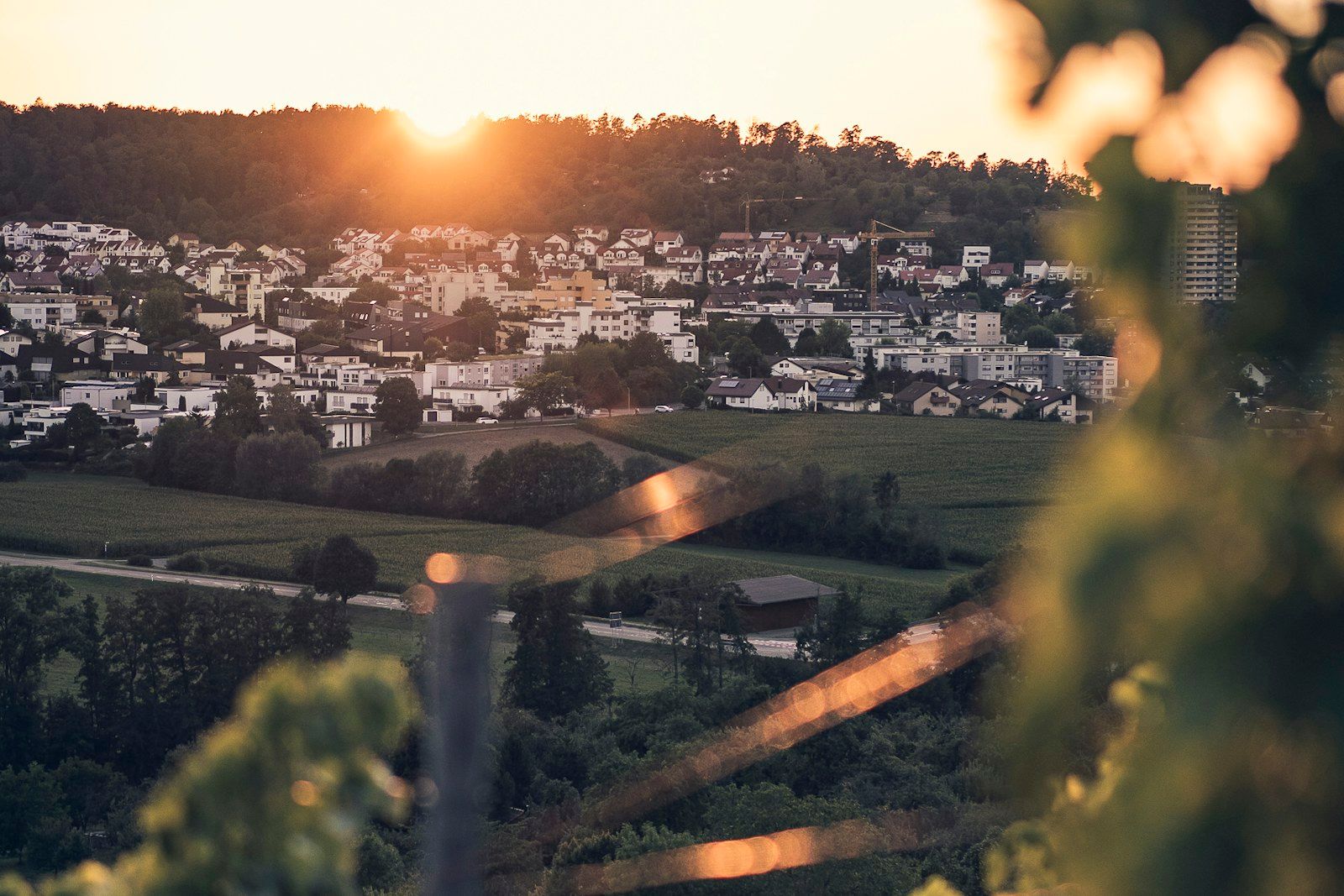
Green trees and city buildings during sunset by Daniela Bay Unsplash License
Plan Stuttgart film locations: automotive, industry, vineyards, studios, permits, operator-controlled spaces and private alternatives.
Stuttgart is less obvious than Berlin, Munich or Frankfurt, but that is exactly why it can work well for production. The region combines automotive, industry, research and campus spaces, hillside views, vineyards, modern architecture, airport logistics and Baden-Württemberg character within short distances. If you only search for a studio or an event venue, you miss the actual advantage: Stuttgart can feel technical, industrial and regional at the same time.
To use that advantage, your shortlist must separate official, operator-controlled and private locations early. This guide explains when the Film Commission Region Stuttgart is the right starting point, which permit questions matter in the city, and when private search through SetScout Stuttgart may get you to a bookable production space faster.
Stuttgart is credible for vehicles, engineering, machinery and precise work environments. For production, that does not automatically mean filming inside a plant. A workshop, showroom, office with technical equipment, car park, industrial yard or modern hall may be enough if light, sound, access and usage rights work. Real brands, prototypes or active production lines trigger a much more complex approval path.
The Stuttgart basin is useful for images that combine city, elevation and green edges. That works for recruiting, brand film, editorial and music video. The practical options are not only public viewpoints. Controlled interiors with a view, terraces, hotels, offices or hillside apartments can provide context while making sound, clients, equipment and reset easier to manage.
Baden-Württemberg broadens the Stuttgart search: vineyards, historic towns, university cities, research campuses, airport and trade-fair surroundings, rural motifs and Mittelstand architecture. The German Film Commissions overview for Baden-Württemberg describes the regional film commissions as contacts for locations, permits, regional service providers and authorities. That matters when the best look is near Stuttgart rather than in the city center.
The City of Stuttgart states that filming and TV recordings using public traffic areas require prior approval by the Office of Public Order. If road closures, stopping restrictions or other traffic measures are needed, additional agencies including police may be involved; the city therefore asks for applications in good time, at least two weeks before filming begins.
The additional information sheet for film and shooting permits distinguishes simple, non-disruptive camera work from cases involving public traffic areas, setups, special effects or traffic measures. The production implication is simple: do not request “Stuttgart city center.” Specify exact areas, times, equipment, vehicles, people and interventions.
Not every publicly accessible place is public space in the permit sense. Stuttgart Airport is a good example: editorial, commercial and supported shoots are treated differently, commercial work needs a permit and is fee-based, and requests should include motif, target medium, period, locations and number of people. Safety rules, other companies and busy travel periods can also restrict filming.
Think similarly about trade-fair grounds, universities, museums, office complexes, factories, clinics, car parks and shopping centers. The key question is not only whether you can enter. It is who holds the house rules, what brands or data are visible, whether staff or visitors are affected and what on-site supervision is required.
Stuttgart projects rarely fail because there is no look. They fail because availability, access, sound, rights or safety rules do not match the schedule. A private location is strong when it credibly suggests the desired context: an engineering office instead of a factory, a workshop instead of a production line, a rooftop instead of a public viewpoint, or a studio dressed for automotive work instead of manufacturer approval.
With SetScout film locations, you can compare those alternatives earlier: rooms, daylight, access, crew areas, usage rules, host communication and request quality. This does not replace a permit if your shoot uses the sidewalk, street or an operator-controlled area. It does reduce how many scenes depend on those approvals.
Stuttgart is strongest when you are not just looking for “a city in southern Germany,” but for a precise production context: technology, automotive, industry, premium Mittelstand architecture, vineyards and modern workplaces. The best path is rarely only official or only private. Use official bodies for complex public and regional motifs, give operator-controlled locations enough lead time and keep private alternatives open in parallel so the look remains bookable with less risk.
More posts you might be interested in
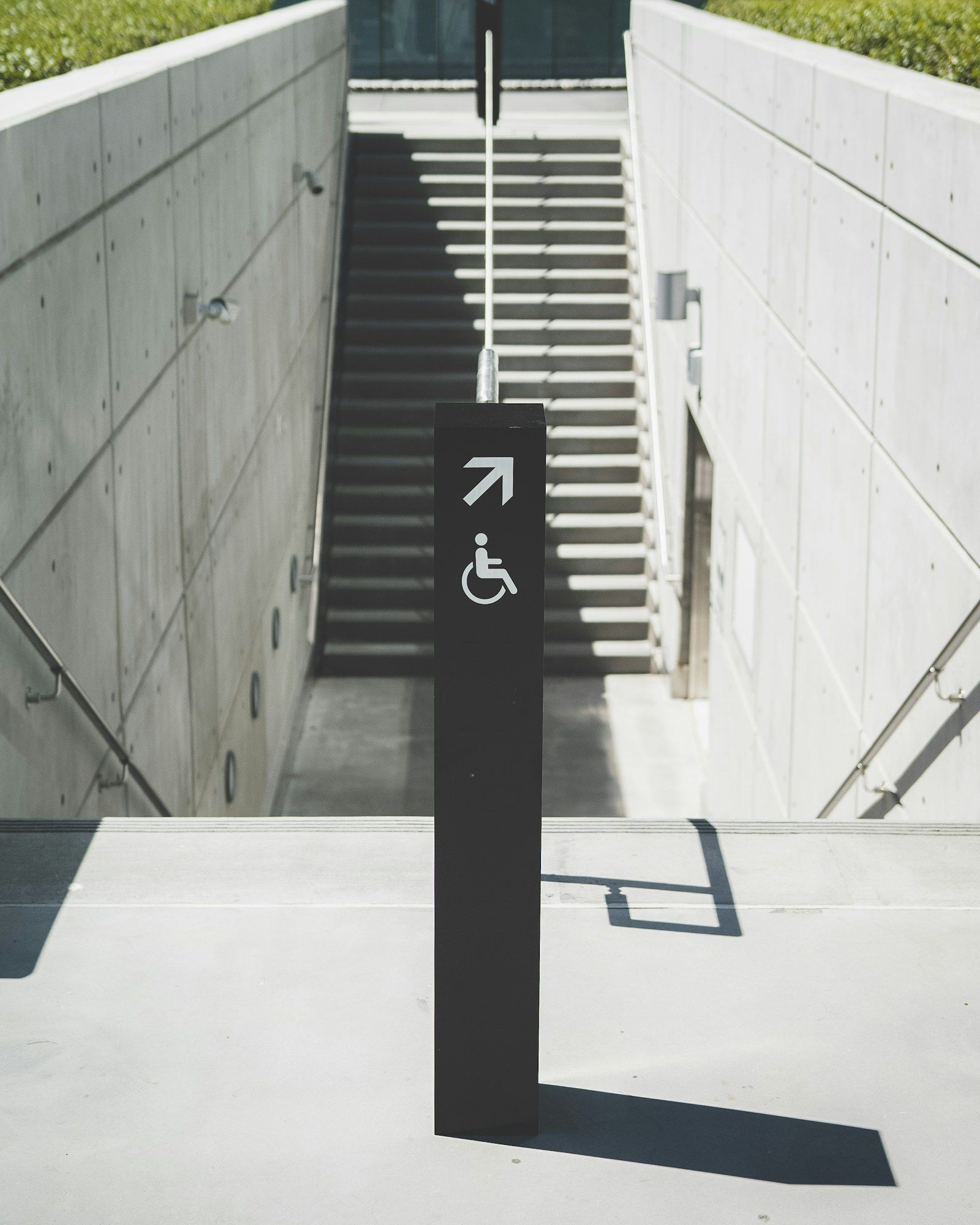
Photo by Joey Banks on Unsplash by Joey Banks Unsplash License
A practical access planning guide for productions and hosts documenting real routes, bathrooms, ramps, holding and limitations before booking.
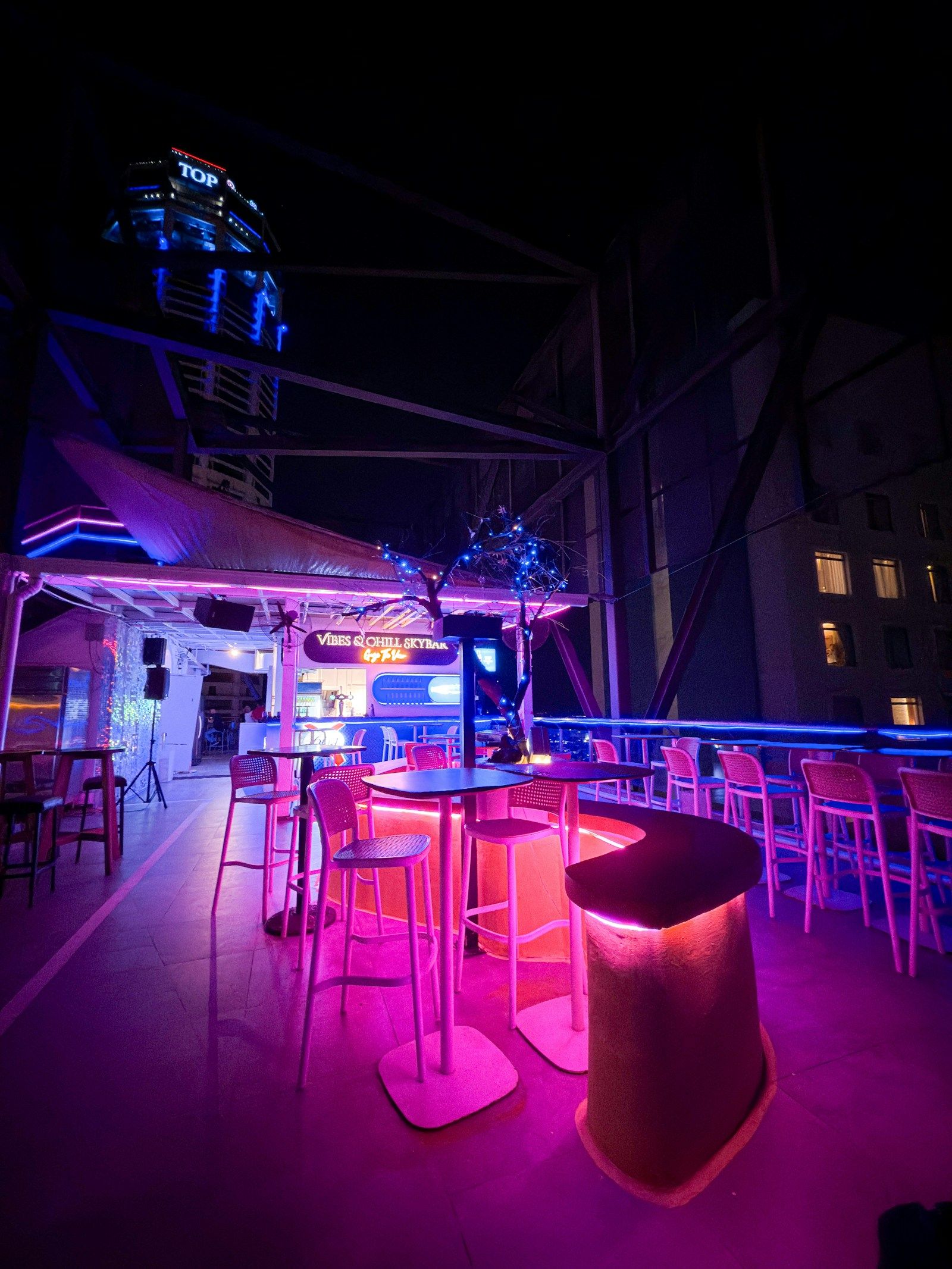
Photo by Ryan Liu on Unsplash by Ryan Liu Unsplash License
How productions should prepare bar, club and nightclub locations for music videos, fashion, commercials and nightlife content.
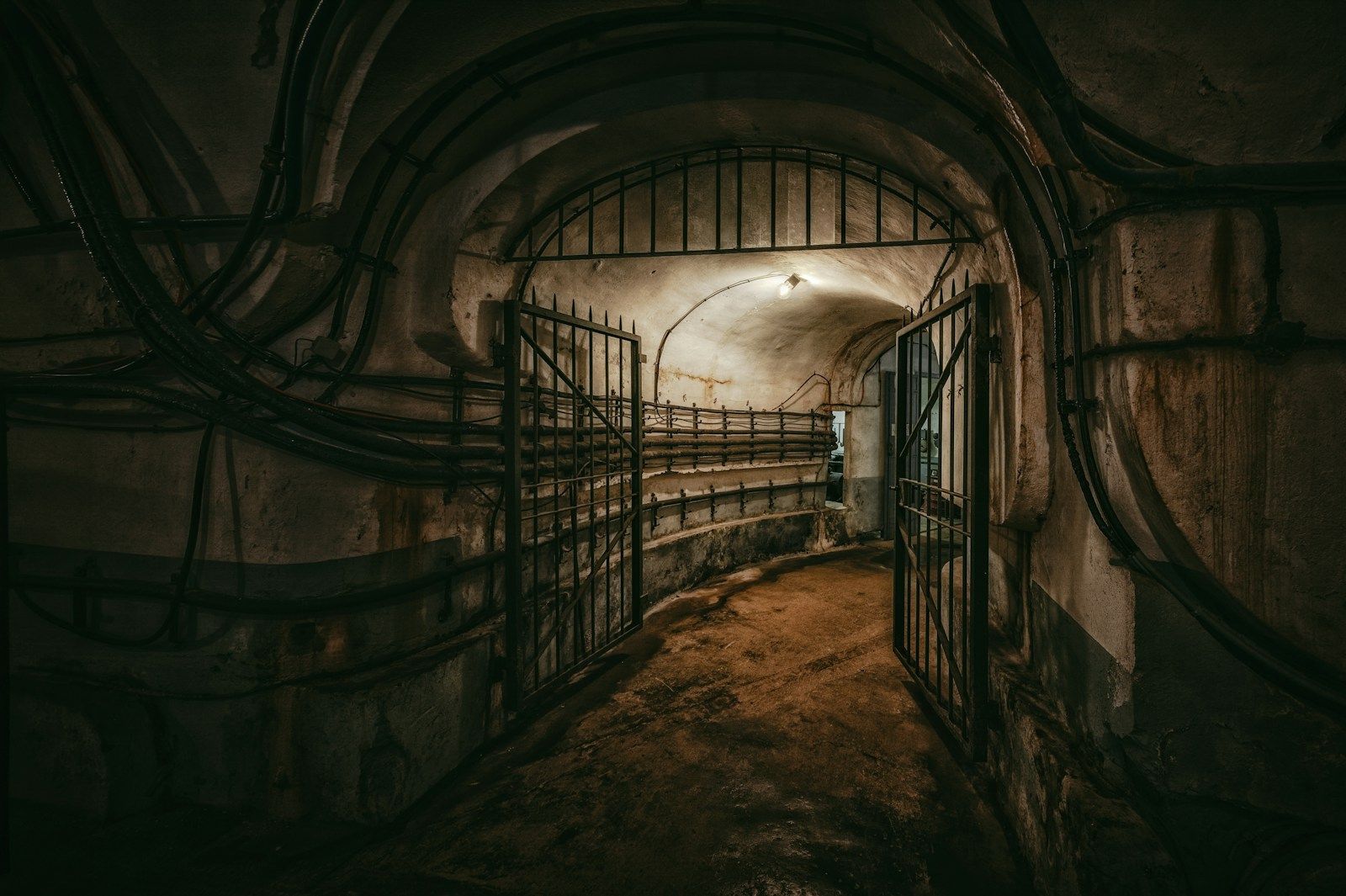
Photo by Peter Herrmann on Unsplash by Peter Herrmann Unsplash License
How productions should assess bunker, lost-place and special-motif locations without creating legal or safety risk.
