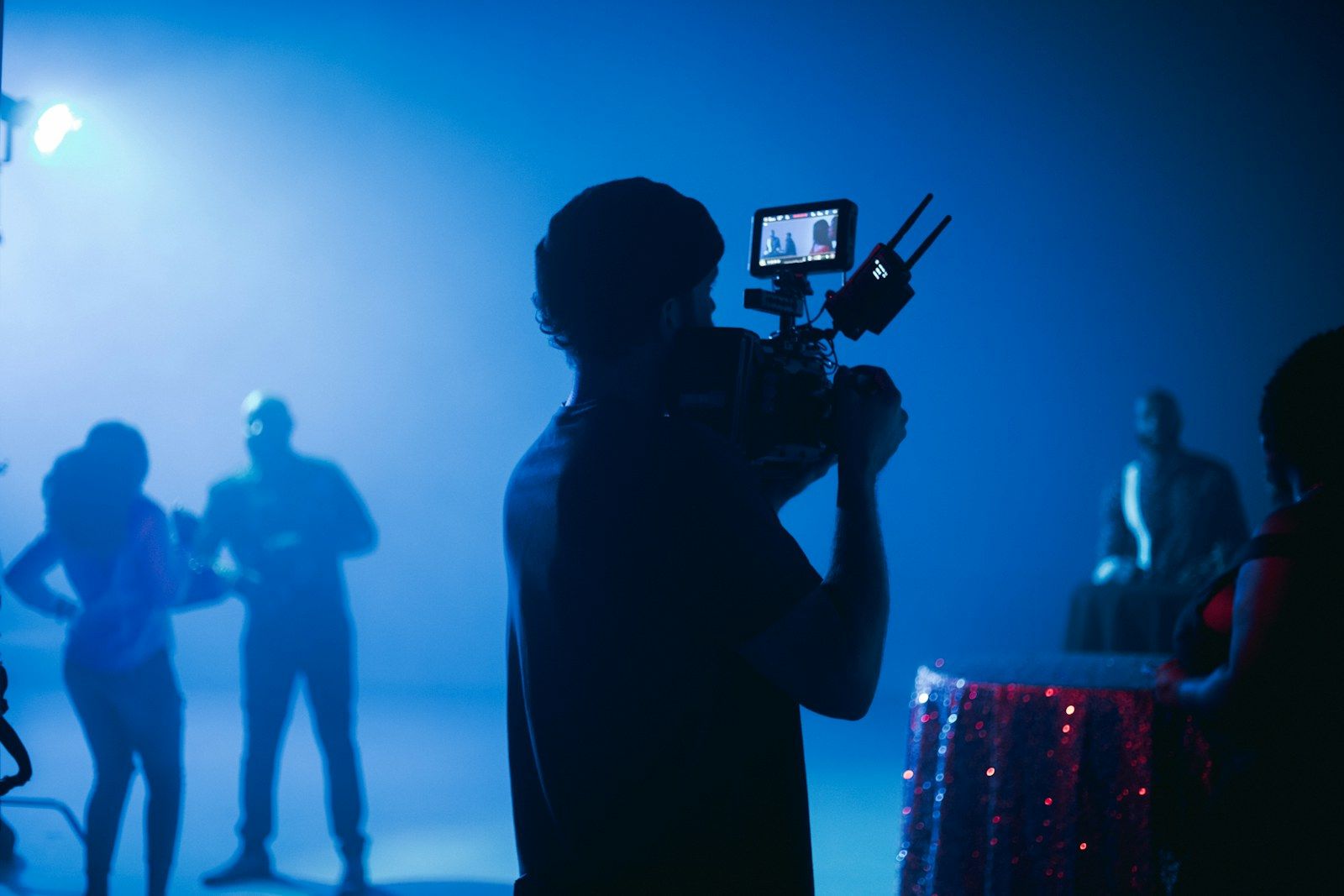
Photo by Kyle Loftus on Unsplash by Kyle Loftus Unsplash License
How to choose music video locations that support playback, performance, parking garages, clubs, rooftops, permits, rights and production logistics.
A good music video location has to do more than look strong. It has to support performance, playback, light, crew, wardrobe, power, noise, movement, rights and permits. Parking garages, clubs, rooftops and street ideas often fail late because those production details were not checked early enough.
The short answer: do not start with “cool location”. Start with the setup. Do you need performance playback, dance space, vehicles, a rooftop, club lighting, a parking deck, an exterior scene or a controlled studio alternative? Only then should the location search begin.
Music video locations are often sold through mood. That makes sense: a Locationhero page about music video locations shows how urban lofts, industrial halls and exterior areas work through light, space and atmosphere. For production, the key question is whether that atmosphere still works with playback, lighting, artist team, styling and repeated takes.
The core difference between a music video and a normal video shoot is repetition. A hook, performance or dance sequence is not filmed once; it is repeated from multiple angles. The location must therefore work consistently for hours, not just for a three-minute track.
Clarify whether playback is allowed, how loud it can be, whether bass travels through walls or floors and whether quiet hours apply. In apartments, lofts and hotels, even a small speaker can become a problem. In clubs or rehearsal spaces, sound is easier, but lighting, opening hours, cleaning and staff can raise the cost.
The best music video location gives the visual impact with the lowest production risk. Parking decks, rooftops and clubs can look iconic, but they carry conditions. Studios are easier to control, but can look generic. Choose by shootability, not only by cool factor.
Parking garages give concrete, depth, lines, night looks and vehicle energy. Check height limits, public traffic, camera paths, generators, lighting stands, security, number plates, fire safety and whether a level can really be closed. Without control, a parking deck becomes a safety problem.
Clubs give lighting, texture, stage energy and performance atmosphere. They work best when the shoot can happen outside opening hours. Clarify minimum hire, staff, cleaning, sound system, smoke machine, fire alarms, broken glass risk, wardrobe and whether logos, brands or artworks can remain visible.
Rooftops offer skyline, wind, sunset and exclusivity. They also bring fall protection, wind load, noise, neighbours, freight elevator access, drones, fire access and weather risk. If the rooftop shot is central to the edit, plan an indoor backup.
A studio can be the better choice when the performance needs precise control. On SetScout, teams can search film locations, industrial locations or special motifs that feel stronger than a neutral studio but remain production-friendly.
If a music video uses a street, square, bridge, publicly used parking deck or park, a chat approval is not enough. In Berlin, visitBerlin states that even small photo and film teams working on public streets and squares in Berlin and Brandenburg need filming permits, issued through the relevant district authorities.
Municipal pages show how detailed these requirements can become. Berlin-Mitte lists fees for special-use permits and separate permissions for public green spaces. The city of Nürtingen describes permit requirements for public traffic areas, possible exceptions for hand-camera or tripod work without disruption, and documents such as exact location details, site plans, structures and closure times. Check the responsible local authority, for example Berlin.de or the relevant municipal service portal.
This is not legal advice, but it is a production rule: if the shoot blocks paths, sets lights, moves vehicles, needs barriers, attracts a crowd or is intended for release, the permit question has to be solved before the location is treated as approved.
Music videos are published, promoted, shared and often used commercially. Visible people, brands, artworks, number plates and private areas are therefore more sensitive than in internal videos. Clarify with the host which rooms and objects may stay on camera, and secure releases for people who appear recognisably rather than incidentally.
In clubs, bars, hotels, shops and offices, also check logos, artworks, house rules and off-limit areas. If extras, fans or real guests are visible, production needs a plan for releases, wristbands, notices, camera zones or a closed set.
A strong music video request is more specific than a normal “can we film here?” message. The clearer the production explains the setup, the easier it is for the host to approve, price or reject the request before it becomes a shoot-day problem.
Use marketplaces such as Peerspace Music Video Locations for quick inspiration and price sense. You can often see hourly rates, minimum durations, capacity and studio examples. For Germany, filter harder afterwards: is the location actually shootable, low-friction and reachable for the team?
On SetScout, the search can stay closer to production language: urban parking deck, rough industrial motif, club look, rooftop terrace, performance space, Berlin film location or controlled studio. The goal is not the longest list; it is five options that are visually strong and operationally realistic.
A music video location is good when it connects performance with production reality. Parking garages, clubs, rooftops and exterior spaces can look strong, but only when permits, noise, safety, rights and logistics are clarified early.
Start with the setup, not the look. If the team needs a high-impact motif, build the shortlist through SetScout film locations so director, artist, management and production see both a strong image and a realistic shoot plan.
More posts you might be interested in
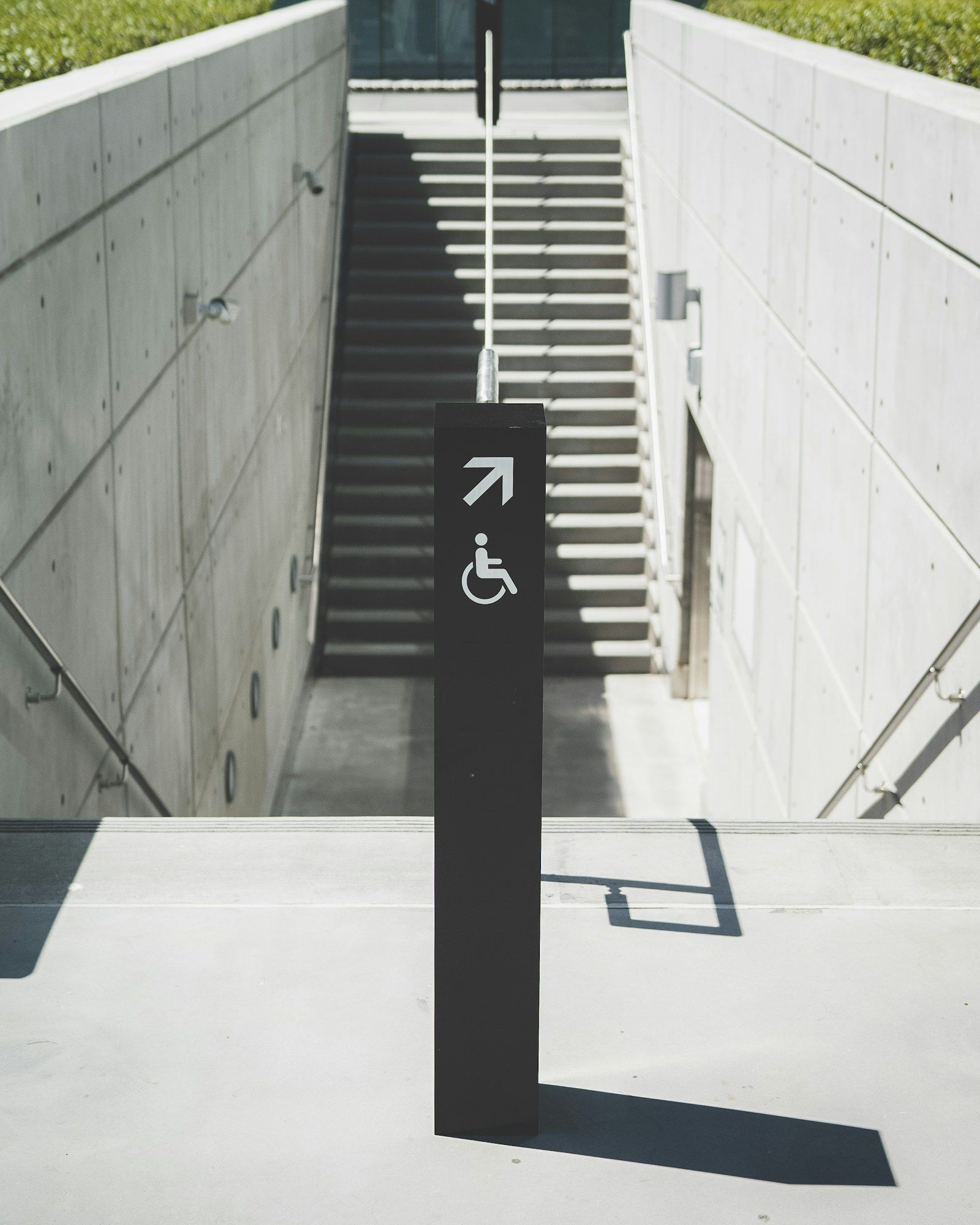
Photo by Joey Banks on Unsplash by Joey Banks Unsplash License
A practical access planning guide for productions and hosts documenting real routes, bathrooms, ramps, holding and limitations before booking.
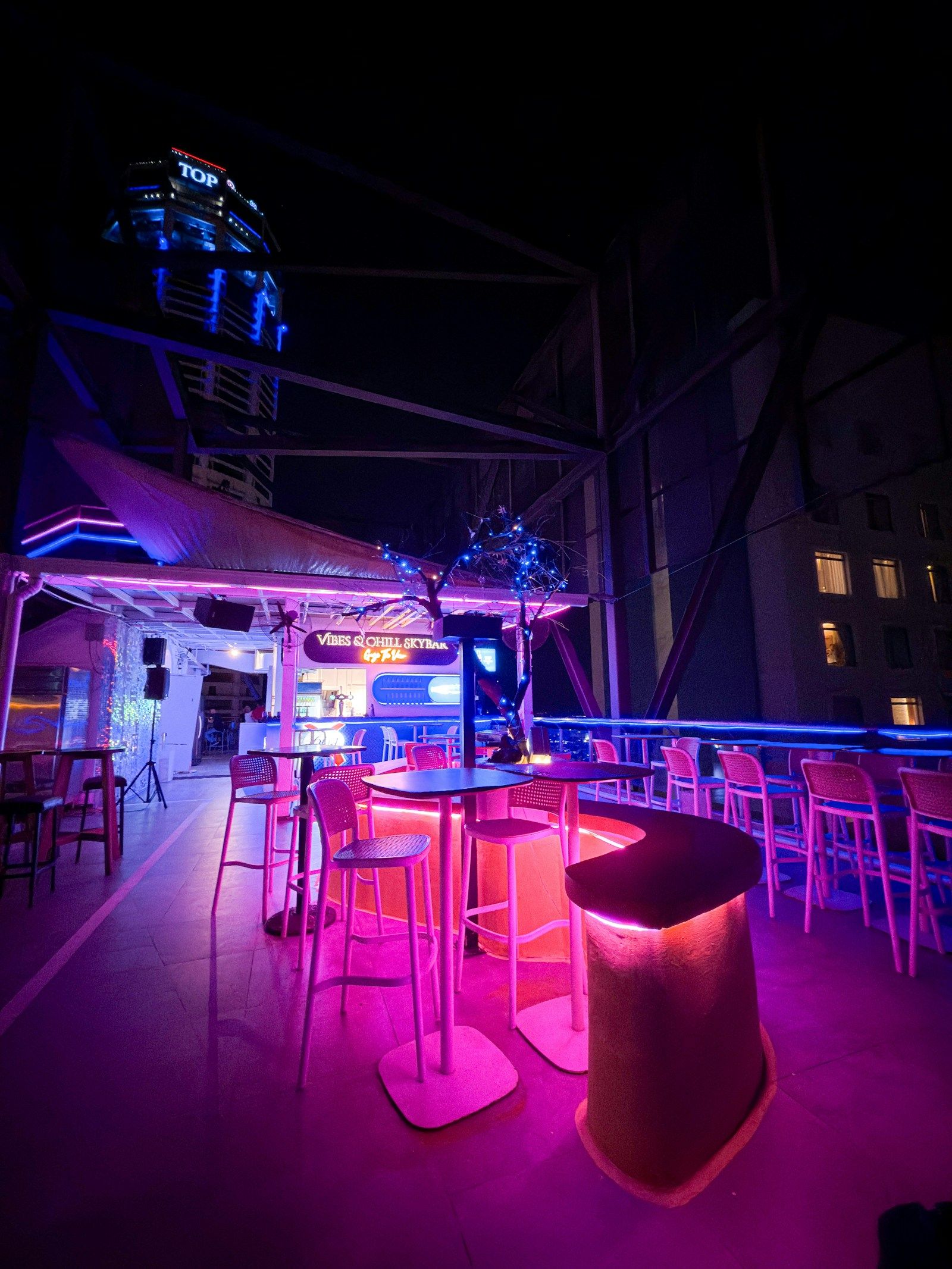
Photo by Ryan Liu on Unsplash by Ryan Liu Unsplash License
How productions should prepare bar, club and nightclub locations for music videos, fashion, commercials and nightlife content.
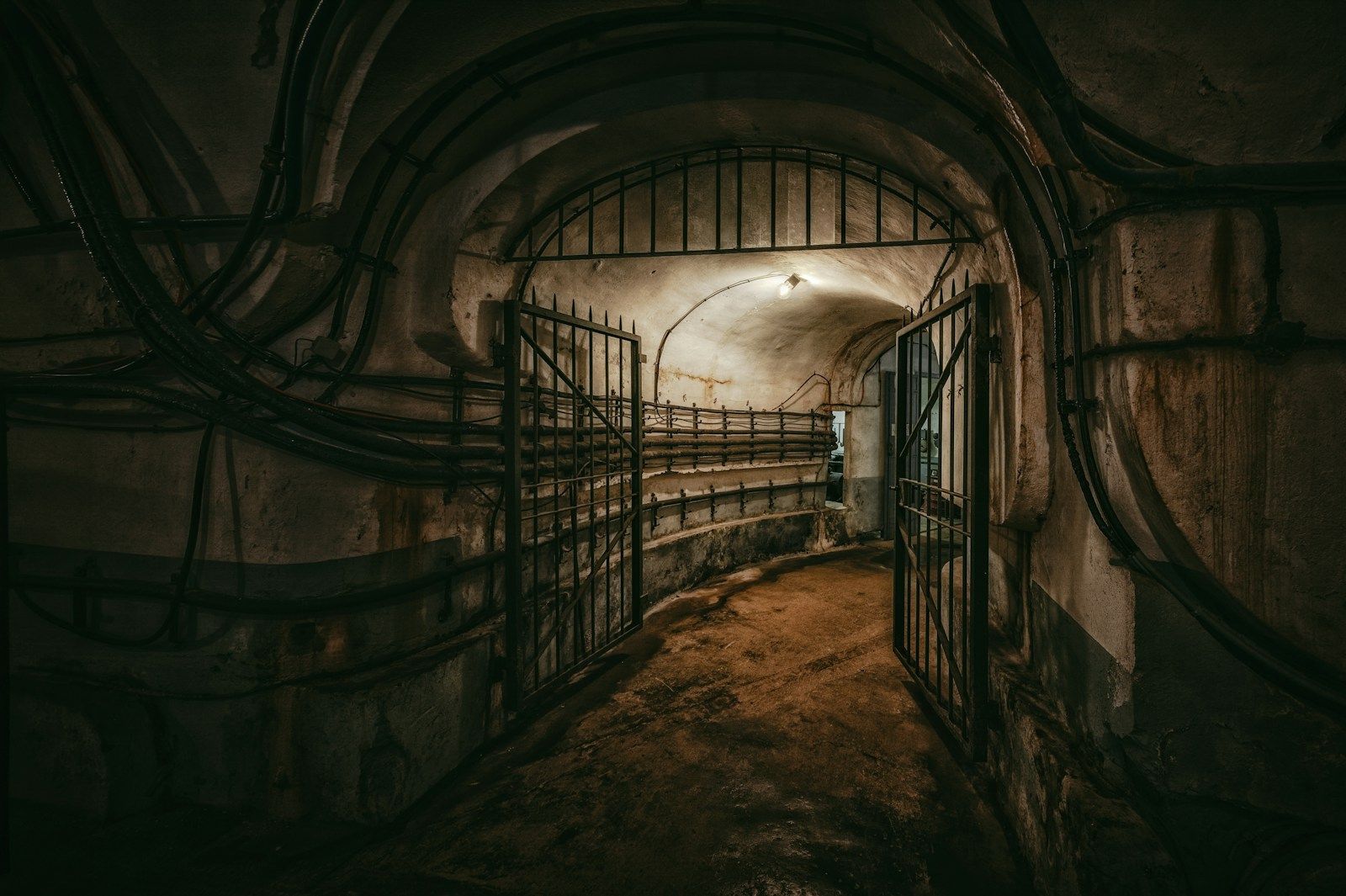
Photo by Peter Herrmann on Unsplash by Peter Herrmann Unsplash License
How productions should assess bunker, lost-place and special-motif locations without creating legal or safety risk.
