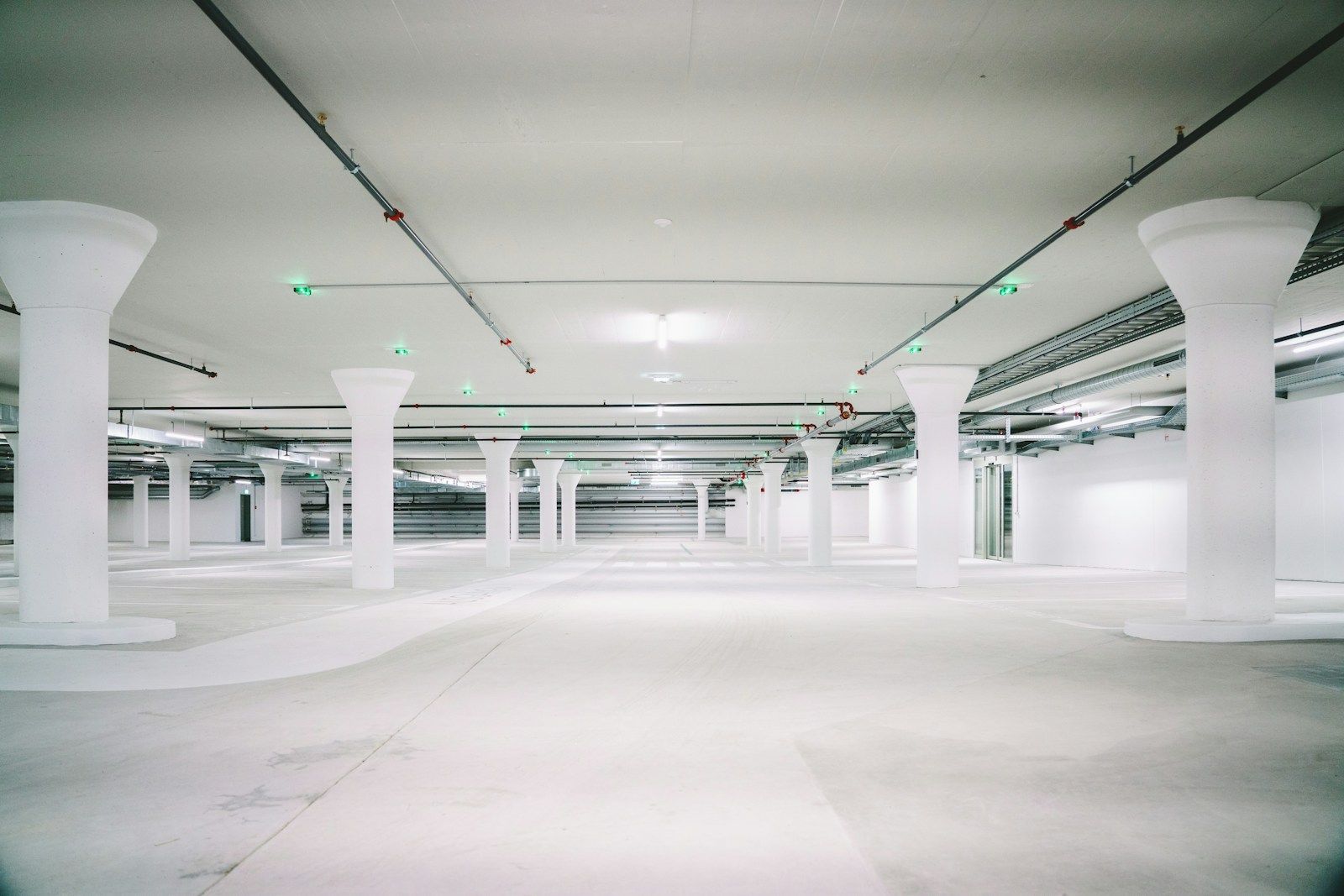
Photo by Claudio Schwarz on Unsplash by Claudio Schwarz Unsplash License
How to plan a parking garage or underground garage as an urban film location: ownership, closures, vehicle movement, lighting, haze, fire routes and traffic control.
A parking garage can instantly read as a music video, car commercial, fashion editorial or urban thriller location. That visual strength is also why the motif gets underestimated. A garage is not just empty concrete; it is a traffic environment with ownership, fire routes, ramps, ventilation, lighting systems, neighbors and sometimes a direct connection to public roads. The prep determines whether the shoot feels controlled or turns into constant improvisation.
On SetScout, start with special motifs when the brief needs controlled concrete, ramps, roof decks or unusual infrastructure. For harder industrial textures, compare the brief with industrial film locations. If the exact look is still open, begin with the broader location search and then filter by access, night window, vehicle movement and shutdown control.
The first question is not whether the concrete looks good. It is who can actually approve the shoot. A private garage needs permission from the operator or owner. If the production touches public streets, sidewalks, holding areas, no-parking zones or access roads, a separate public permit may be needed. Portland PBOT, for example, treats film-related parking and traffic use as a permit issue; the exact authority changes by city, but the boundary between private property and public right-of-way should be mapped before the scout is approved.
This distinction also changes the creative plan. A private deck may be easier to close, light and use overnight. An active public garage may bring more realism but also more coordination: monthly parkers, customers, deliveries, ticket machines, security cameras, barrier systems and on-site guards all become part of the production plan.
Parking garages are often chosen because vehicles can move through them: a car descends a ramp, talent performs under hard light, or a camera follows motion between concrete columns. A general location release is not enough for that. The production should define whether vehicles only park, slowly reposition, drive through frame, work with a camera vehicle or enter stunt-adjacent territory. Every level changes the safety plan.
A serious operator will want to know who drives, whether pedestrians cross the action, how lanes are separated, where crew can stand, whether fire routes remain open and who has stop authority. Even a short reverse move is a planned vehicle movement on set. It should be described in the location agreement or production approval, not left as an informal day-of decision.
A closure is not just a convenience in a garage. It decides whether camera, light, sound, cables and vehicles can work safely. Dedicated marketplace listings such as film-ready underground parking garages show that productions actively seek controllable parking environments, but the useful inventory is the inventory that can explain what is closed, what remains live and who controls the boundary.
In practice, the location package should include access points, blocked bays, routes for crew and gear, alternatives for regular parkers and a named on-site decision maker. If the garage stays partly open, production zones and public routes need hard separation. A useful approval does not only say “level three”; it names the entrance, loading path, toilets, power points, fire routes, holding area and wrap procedure.
Parking garages offer strong lines, low ceilings and existing fluorescent or LED strips. That can look great, but it can also flicker, shift color or provide too little output for high-speed, performance or product work. Before booking, test the existing lighting with the camera package and decide whether it will be used, supplemented or fully controlled.
Technical checks should include ceiling height, cable paths, power load, generator position, exhaust routing, fire alarms, sprinklers, emergency lighting and shadows from columns. If haze or smoke is planned, the operator must confirm whether detection systems could be triggered and whether a fire watch or temporary isolation is even allowed. That is a safety decision before it is a look decision.
Music videos and car shoots often bring bass, playback, engine noise, tire sound, generators or haze. In a garage, those effects can travel through concrete and ventilation paths more than expected. Sound pressure, exhaust and air exchange should be discussed before the shoot day. Neighboring buildings, apartments above the structure and overnight noise limits can matter even when the crew is technically indoors.
If the garage remains operational, customer communication matters: signs, blocked bays, security, alternate parking and a clear contact person. If the shoot uses a full overnight shutdown, the questions change: who opens, who stays on site, which alarm areas remain active, how exit is secured after wrap and what happens if strike runs late?
Many productions want the roof deck as much as the underground levels: skyline, dusk light, concrete edges and a wider camera move. That can be strong visually, but it is also more sensitive. Parapets, fall protection, wind, drone rules, generators, heavy stands and vehicle positions should be approved separately. A ramp is not a hallway either; it is a sloped traffic surface with sightlines and braking distance.
The more concrete the request, the faster the operator can approve, reject or price the shoot. Send a package that explains both the creative motif and the operational risk:
A good parking garage location can look controlled, urban and expensive, but only when safety, traffic and operations are settled first. If the scout only chases concrete, ramps and strip lights, the real work is missing. The best garage is the one whose operator understands what closes, which vehicles move, how light and haze are handled and who is responsible on site. Then the garage becomes a strong film set instead of a production risk.
More posts you might be interested in
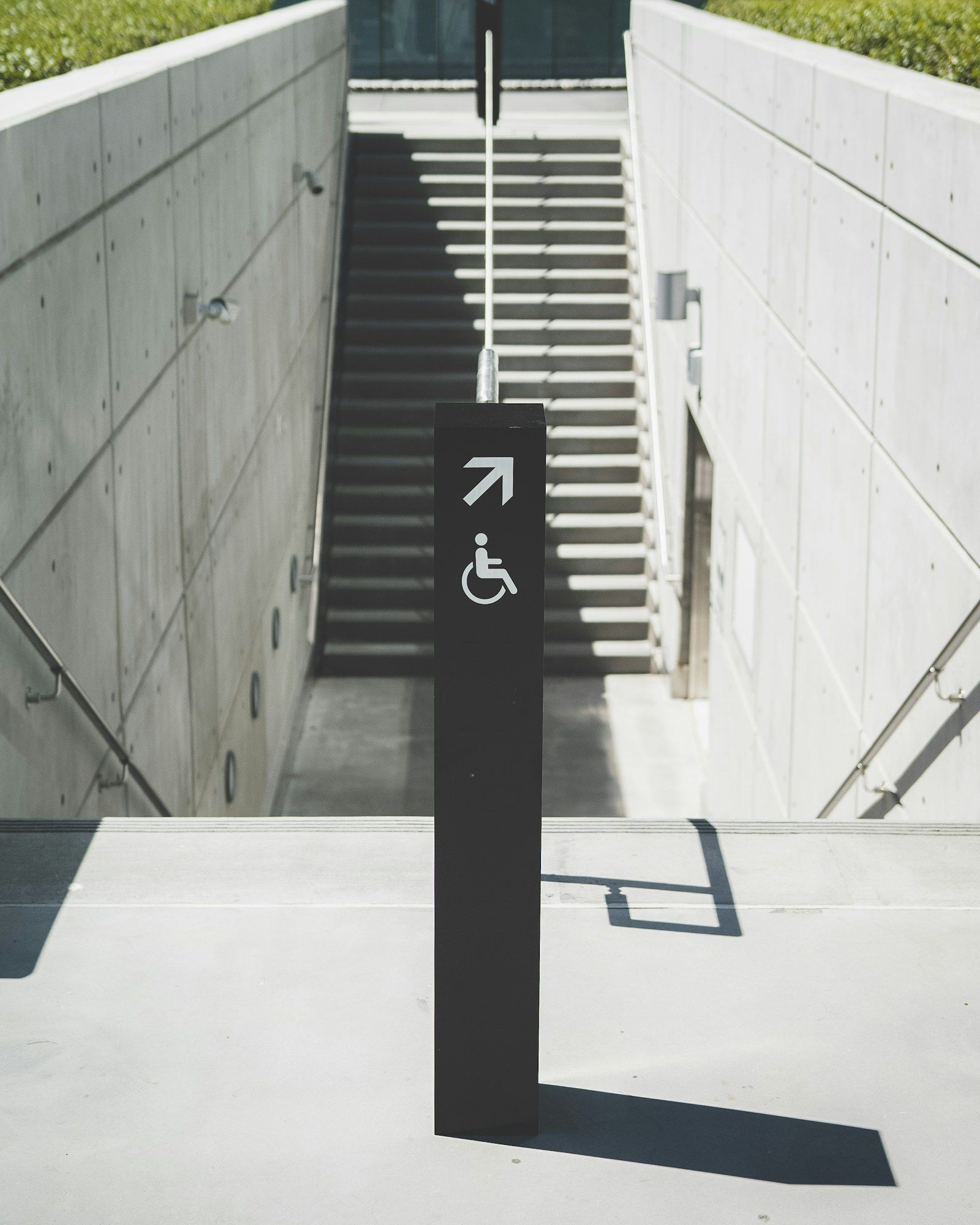
Photo by Joey Banks on Unsplash by Joey Banks Unsplash License
A practical access planning guide for productions and hosts documenting real routes, bathrooms, ramps, holding and limitations before booking.
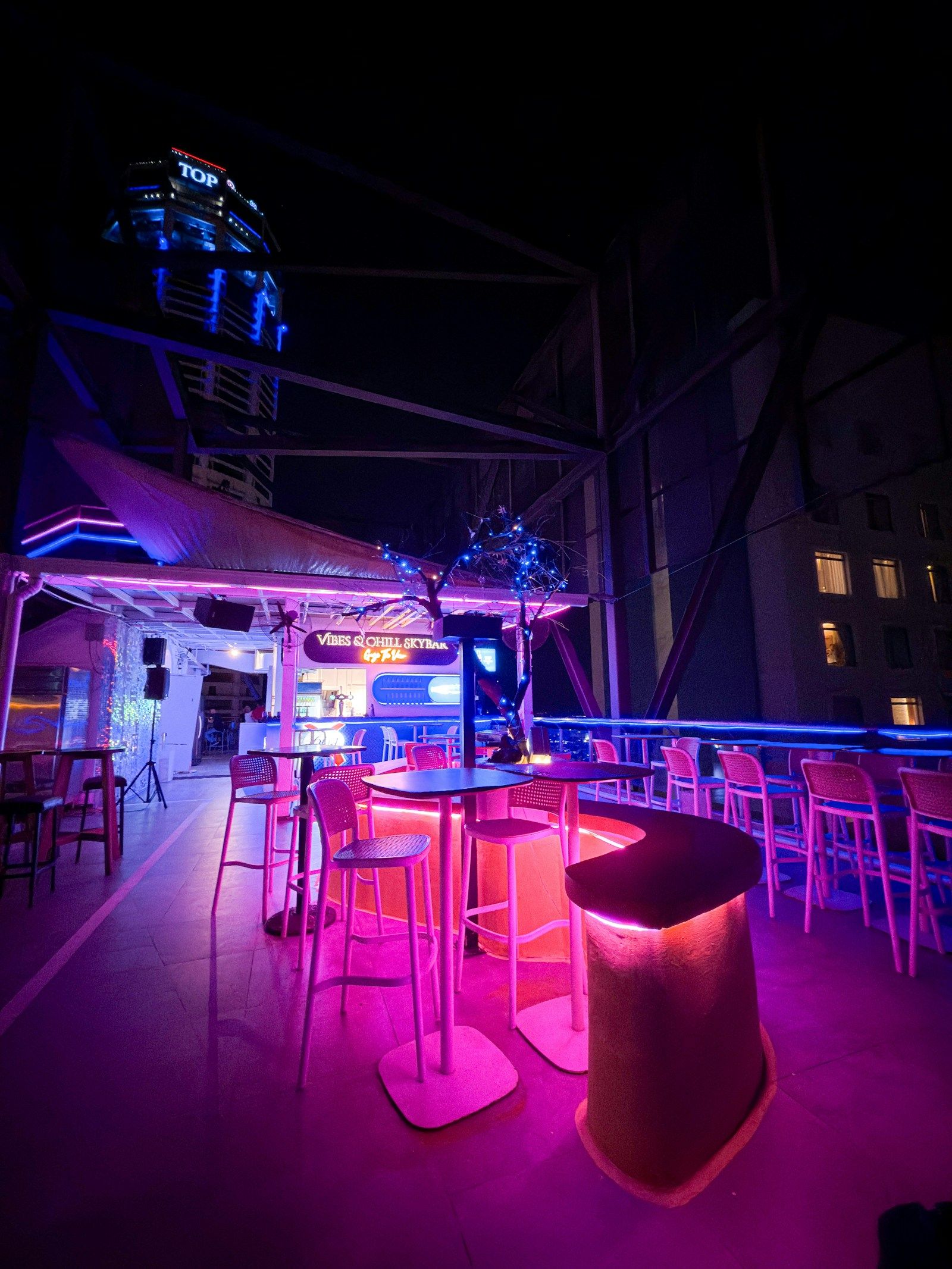
Photo by Ryan Liu on Unsplash by Ryan Liu Unsplash License
How productions should prepare bar, club and nightclub locations for music videos, fashion, commercials and nightlife content.
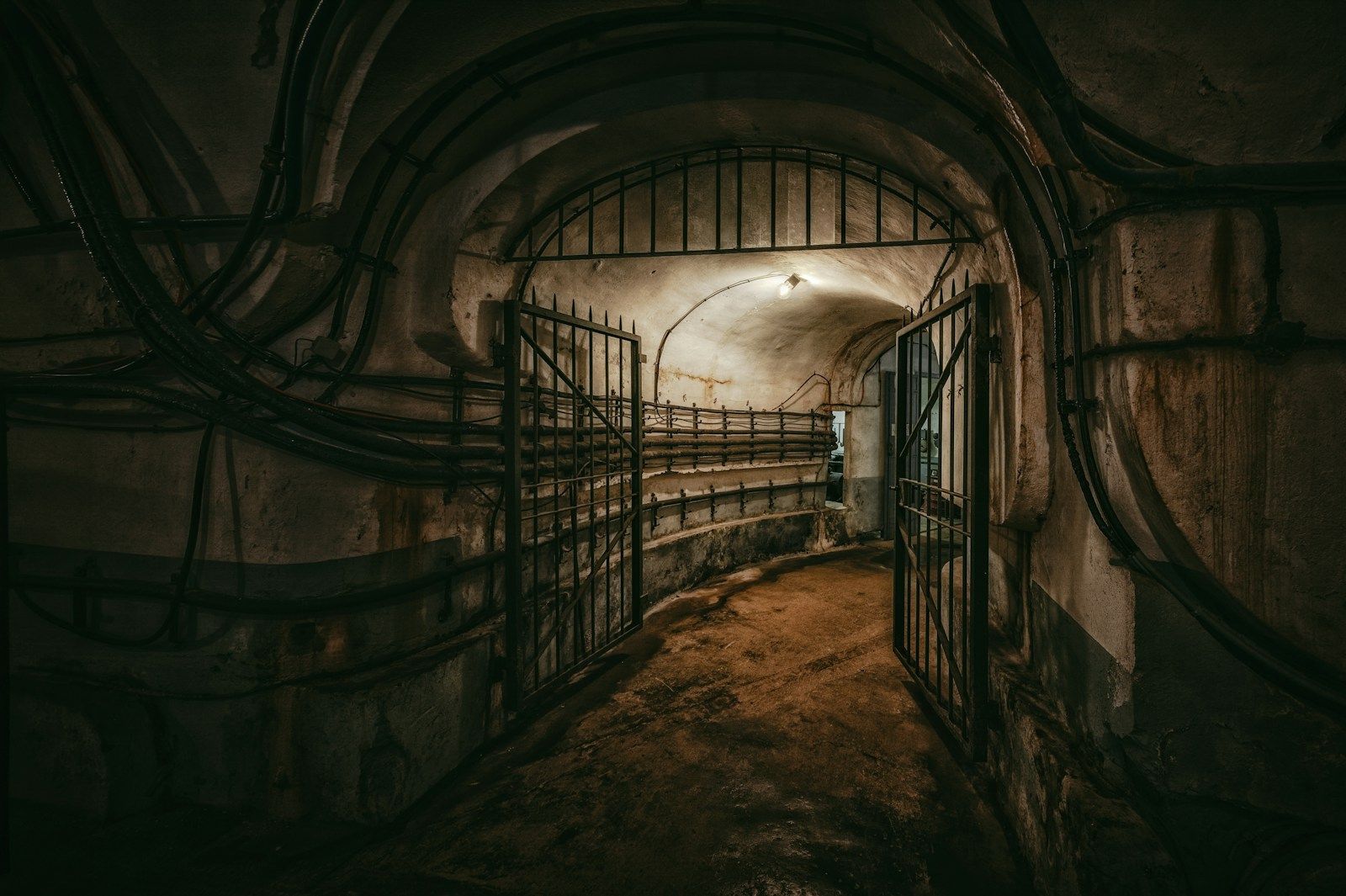
Photo by Peter Herrmann on Unsplash by Peter Herrmann Unsplash License
How productions should assess bunker, lost-place and special-motif locations without creating legal or safety risk.
