Photo by Alexander Dummer on Unsplash by Alexander Dummer Unsplash License
A decision framework for choosing between a rental studio and a real location: control, authenticity, light, sound, cost, privacy and production risk.
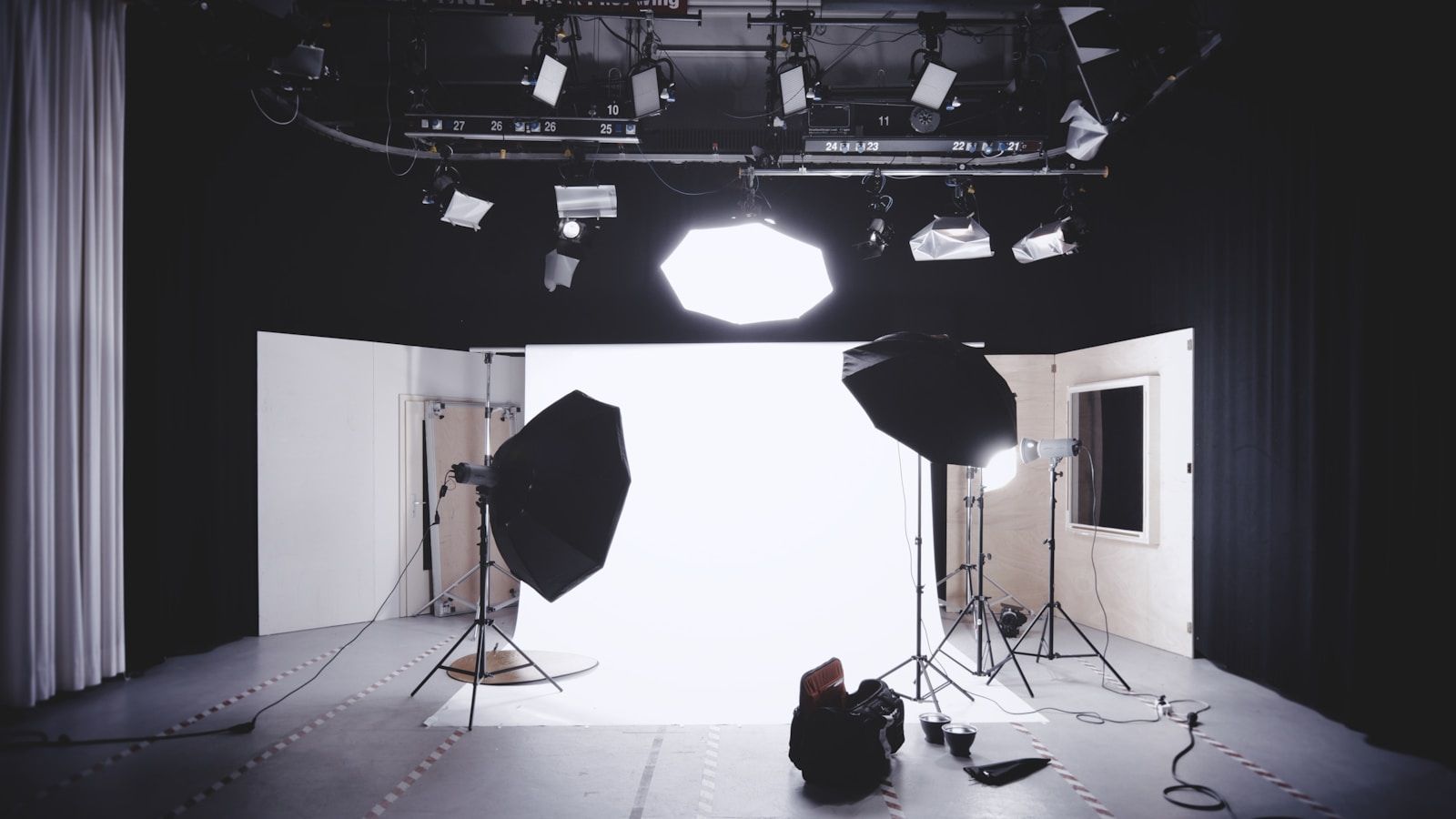
Rental studio or real location is not a taste question. The right choice depends on whether control or authenticity creates more production value. If light, sound, repeatability, privacy, client approval and schedule matter more than the character of the room, choose the studio. If the place itself carries the story, a real location can justify the extra coordination.
SetScout already has a guide to rental studio or real location and a dedicated page for film studio rental. This article turns that into a practical decision framework for producers, photographers and client teams deciding what to book before the shoot risk becomes visible.
A rental studio is usually the better choice when the production needs repeatable conditions. Product, beauty, interviews, social content, packshots, green screen, motion control, e-commerce and campaign variants all rely on controlled light, sound, set changes and reset. In those cases, the room matters less than the ability to reproduce conditions again and again.
A real location wins when the room does more than hold the crew. Texture, architecture, signs of use, a street, courtyard, workshop, school, store or lived-in home can give the image a credibility that would be expensive to build. The tradeoff is uncertainty: access, neighbors, weather, noise, house rules, restricted areas and sometimes permits.
A studio gathers the core technical conditions in one controllable place. Mammoth Film Studios describes studio filming as a controlled indoor setup, while location filming happens in real places and can affect cost, flexibility and the final look. That distinction is the point: if the image depends on precision, control is not a luxury. It is the production value.
The advantage shows up fastest on client-led sets. A studio allows more variants per day, cleaner approvals, protected products, predictable breaks, clear styling areas and fewer arguments about private rooms or existing furniture. If a client needs to approve small differences at the monitor, a controlled room can be cheaper than a real location that looks affordable at first.
A real location wins when the place visibly tells the story. Mammoth’s comparison points to real-life texture and natural light as the value of genuine locations. That is why homes, stores, offices, garages, schools and workshops remain attractive for productions: they bring scale and lived-in detail before the art department starts working.
The cost is coordination. On a real location, the team has to confirm what may be changed, where equipment can stand, which rooms stay closed, whether neighbors or normal operations continue and how the place will be reset after wrap. Authenticity is useful only when the production can protect it without losing the day.
Do not compare studio and location only by day rate. Broadley’s studio argument is built around the value of staying in one controlled place, while many location guides point to transport, permits, weather and external disruption as hidden variables. The useful comparison is full production cost, not listing price.
Add setup time, overtime, transport, parking, generators, weather cover, lost daylight, set build, cleaning, strike, support rooms, catering routes and the cost of a second approval round. A higher studio fee can be cheaper if it prevents an extra shoot day. A real location can be cheaper if its existing look saves construction and dressing.
Unreleased products, high-profile talent, sensitive campaigns and tight client groups often need privacy more than atmosphere. A studio is easier to lock down: access list, closed doors, fewer strangers, no active residents and clearer control over what appears in the background. A real location can work, but only if exclusivity, sightlines, neighbor areas and photo restrictions are explicit.
Sound belongs in the same category. A room can look perfect and still fail if elevators, traffic, HVAC, neighbors or business operations cannot be controlled. If sync sound or live recording matters, a real location should stay provisional until a recce confirms a usable sound window.
Authenticity is worth the risk when the place is not interchangeable. A period stairwell, real clinic, working shop, rooftop with a city relationship or apartment with genuine patina can carry the scene. In that case, do not treat the location like a studio. Plan around the character that made you choose it.
That usually means fewer heavy changes, lighter equipment, clearer zones, smaller crew windows, strict house rules and a backup for light or weather. A real location gets stronger when the production accepts its limits. If the plan is to neutralize everything, rent a studio and build the look there.
Instead of debating studio vs. location in the abstract, score the brief against a few hard criteria. More answers on the left point toward studio. More answers on the right point toward a real location:
Whichever side wins, the request should make the comparison visible. On SetScout, you can shortlist studios and real locations, then compare both with the same production criteria: light, sound, access, parking, support rooms, house rules, approvals, set changes and reset.
Studio or location should not be decided by moodboard alone. The better choice is the space that carries the most important production value and makes the biggest risks controllable. If repeatability, sound, light and approval matter most, the rental studio is often clearer. If credibility, architecture and real texture carry the image, the real location can be worth the extra work.
More posts you might be interested in
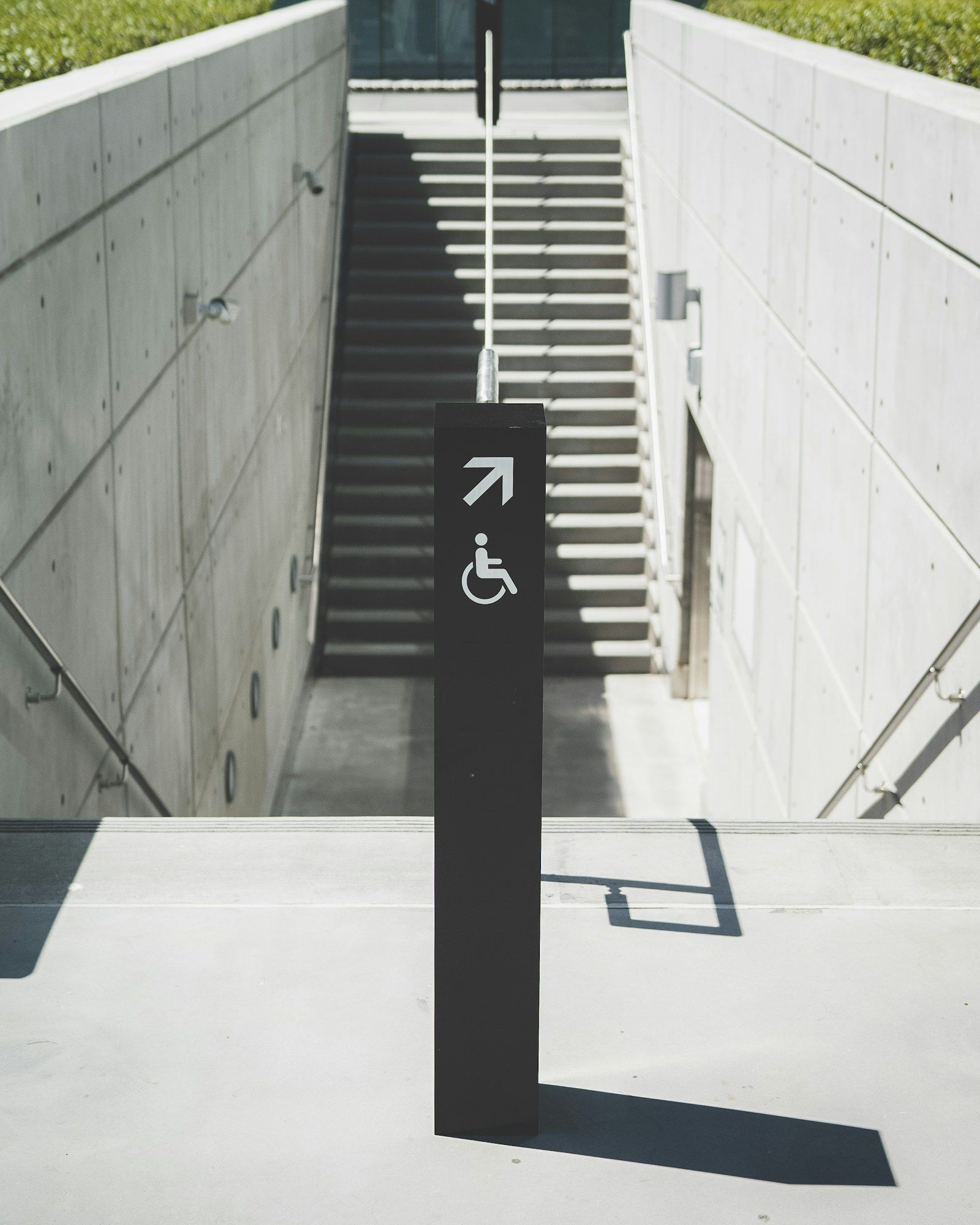
Photo by Joey Banks on Unsplash by Joey Banks Unsplash License
A practical access planning guide for productions and hosts documenting real routes, bathrooms, ramps, holding and limitations before booking.
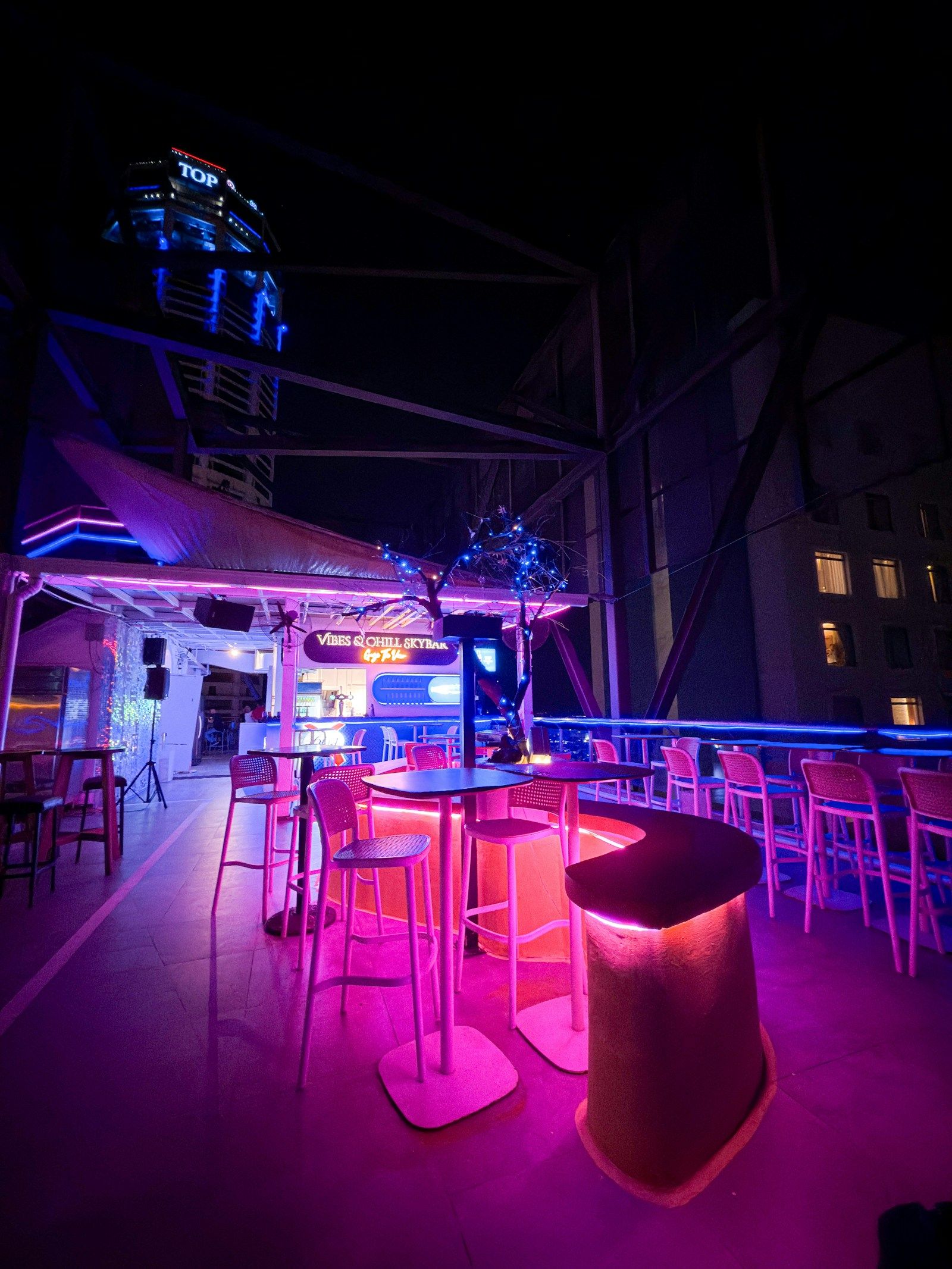
Photo by Ryan Liu on Unsplash by Ryan Liu Unsplash License
How productions should prepare bar, club and nightclub locations for music videos, fashion, commercials and nightlife content.
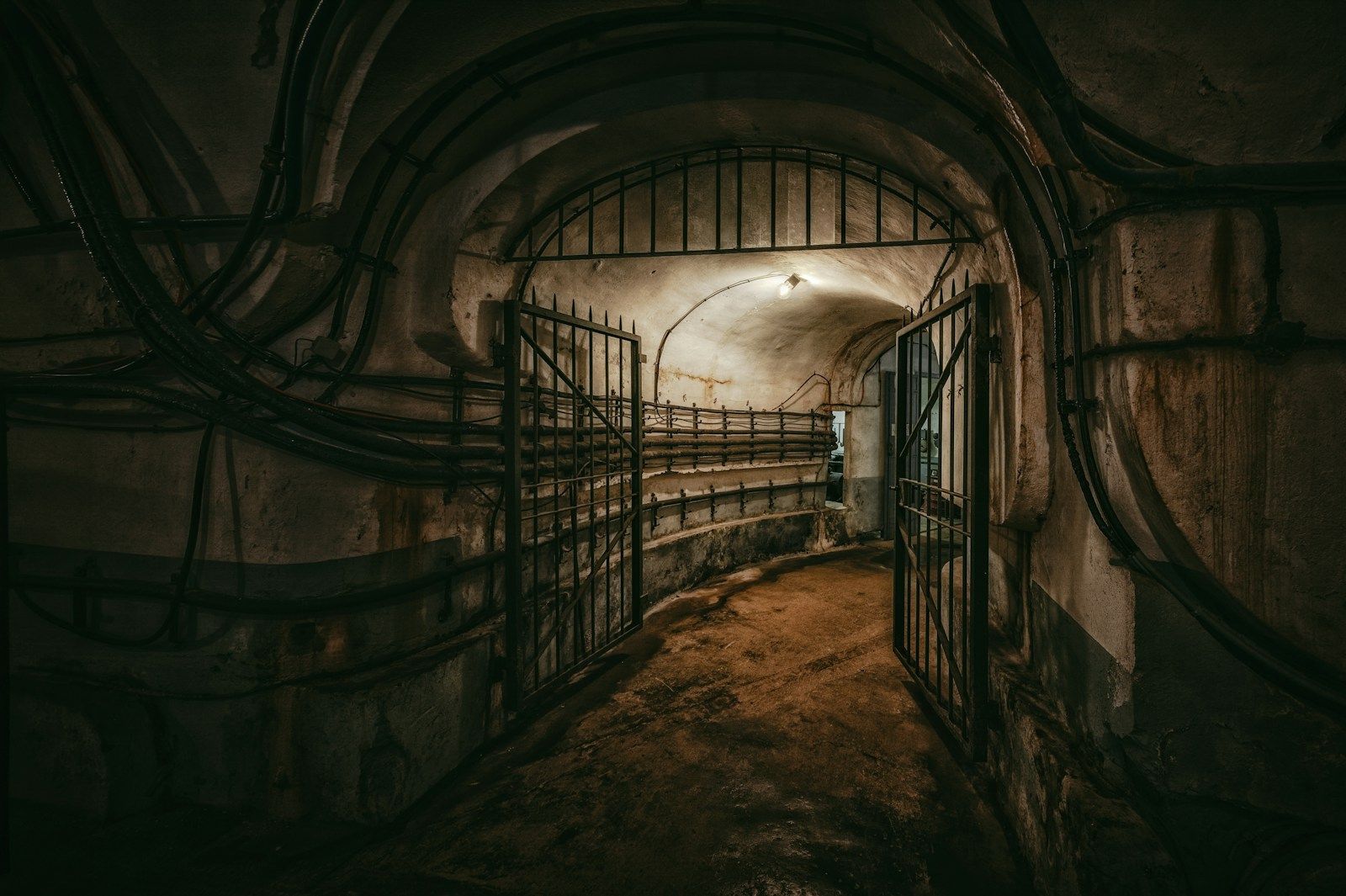
Photo by Peter Herrmann on Unsplash by Peter Herrmann Unsplash License
How productions should assess bunker, lost-place and special-motif locations without creating legal or safety risk.
