Photo by garrett parker on Unsplash by garrett parker Unsplash License
A practical rooftop location guide for productions and hosts checking access, railings, wind, load, neighbors, drones and weather backup before booking.
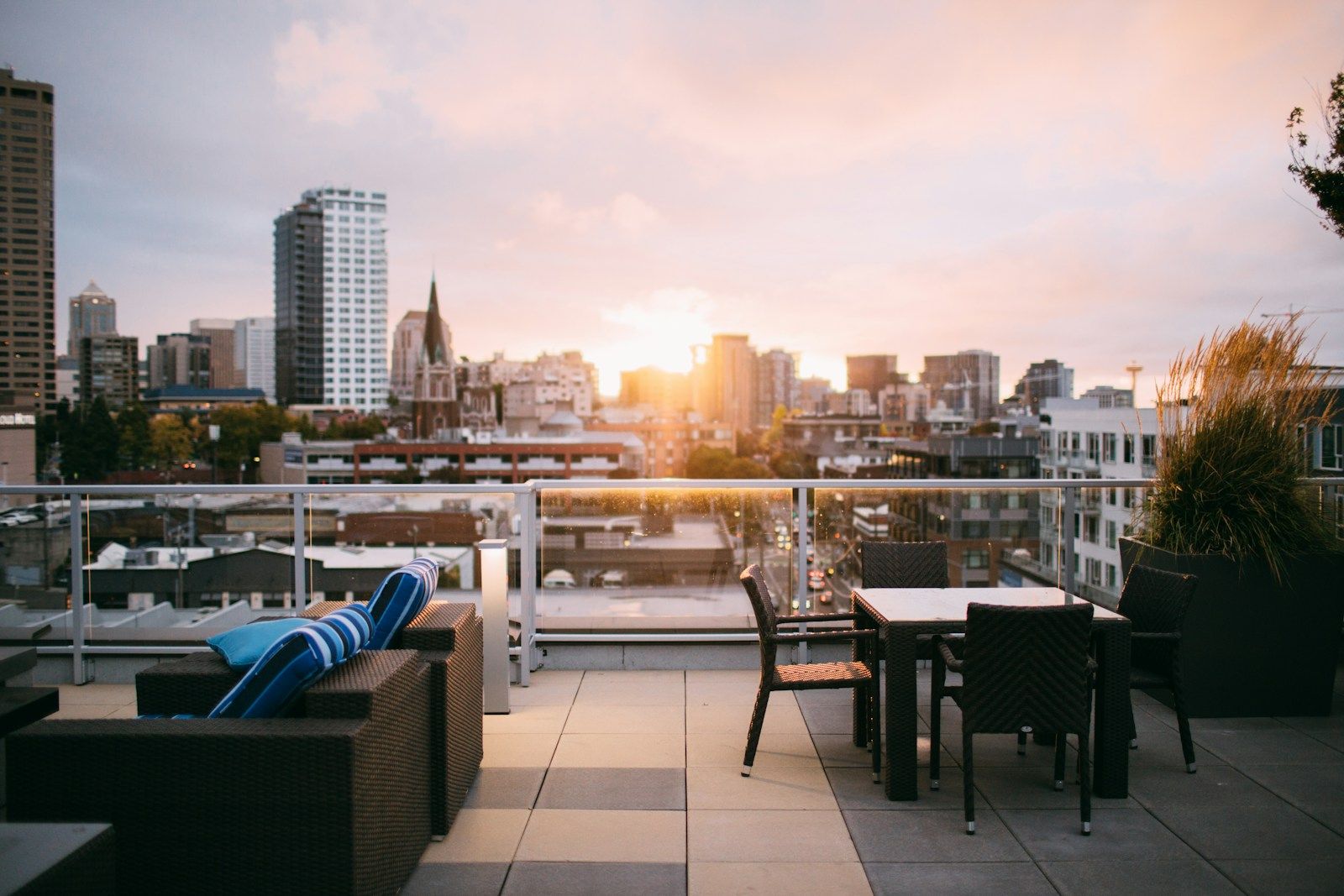
A rooftop or terrace can look strong for photo and film shoots: skyline, evening light, depth, wind and urban context. But these locations are rarely simple. Access, fall protection, wind, load, neighbors, night light, drones and weather backup need to be clarified before booking.
This guide helps productions, photographers and hosts evaluate rooftop locations realistically. In larger cities, rooftop looks can be compared through film locations in Frankfurt, film locations in Berlin or the general film locations hub.
A beautiful view is not automatically a usable work area. A terrace may work as a background but still lack space for camera, lighting, clients, makeup, bags, movement and safe distance from edges. The request should include a plan or clear description of the usable area.
Production should answer early: where is camera, where is talent, where can crew and clients wait, which area is off limits, and which edge must not be approached? If these questions are answered only on shoot day, the location was checked too late.
Access decides whether a rooftop is practical. Narrow stairs, small lifts, roof hatches, heavy doors, long routes, no freight lift or complicated key handoffs can turn a beautiful terrace into a slow and risky location.
Before confirmation, production needs concrete details: which door is used, how wide is it, is there a lift, may gear travel in it, how far is the route from loading point to roof, who opens up, who stays reachable, and what happens in rain or wind?
Work near fall hazards is not an improvisation issue. Germany’s BAuA ASR A2.1 covers protection against falls and falling objects in workplaces. For productions, the practical point is clear: edges, railings, fragile roof areas and restricted zones need assessment before filming.
A railing in frame does not prove that the area is safe for crew, lighting stands or movement. Height, condition, distance, surface, wind, trip points, furniture, cables and whether areas behind or beside the railing may be entered all matter.
Rooftops are wind locations. Wind moves hair, wardrobe, diffusion, reflectors, stands, boom poles, microphones, props, papers and lightweight furniture. What feels pleasant during a visit can become unsafe or unusable once lighting and crew arrive.
Wind should be part of the location decision: what can be secured, which gear is excluded, is there wind cover, how does the place sound in wind, and what alternatives exist for sound, hair, wardrobe and product shots?
Terraces are weather-dependent. Rain, storms, heat, cold, snow, wet surfaces and low sun can change the location quickly. A good rooftop brief describes not only the desired slot but also stop conditions and backup areas.
For photo and commercial shoots, it also matters whether the location still delivers the same look after a delay. Golden hour, skyline light and night windows are short. If build, safety briefing or waiting time takes too long, the desired look is gone.
Rooftops feel open, but they can be sensitive for neighbors and sound. Voices, music, generator, drone, lights, footsteps, furniture and walkies can carry into courtyards, apartments and hotels. Night lighting can also open sightlines into private rooms.
Production should clarify quiet hours, affected courtyards or neighboring terraces, light direction and complaint contact. For sync sound, the rooftop look is often expensive: traffic, wind, HVAC and aircraft are hard to control.
A rooftop makes drone shots tempting, but booking the roof is not drone permission. EASA explains UAS geo-zones as areas where drone operations may be facilitated, restricted or excluded. Productions need to check drone, pilot, zone, distance, privacy and local requirements separately.
Hosts should not approve drones casually. Better workflow: flag the drone request early, name responsibility, check the flight area, consider neighbors and sightlines, and plan only after explicit approval. Many rooftop shoots can get strong angles without flying.
Rooftop terraces often contain furniture, planters, awnings, glass walls, outdoor kitchens or loose decor. These objects can add production value, but they can also block routes, catch wind, distribute weight unevenly or make reset harder.
Hosts should state what may move, what is fixed, which loads are not allowed and which surfaces are sensitive. Productions should not assume large fixtures, dollies, big groups or heavy props are possible on every roof.
A useful rooftop listing includes access, lift, door widths, approved area, railings, no-go zones, wind exposure, power, water, furniture, neighbors, quiet hours, night light, sync sound risks, drone rules, weather backup and realistic maximum headcount.
Limitations can be attractive when they are honest: no drones, no night work, no stands near edges, no large groups, no generator, no loud sound, no use in high wind. Clear limits prevent wrong-fit inquiries.
SetScout cannot make a roof safer than it is. Its value is earlier evaluation: productions see not only view and style, but also access, boundaries, support spaces, neighbors and technical risks before sending a request.
When teams want to rent a rooftop location, they should judge the look only after feasibility. The best terrace is not the highest one. It is the one that is safe, reachable, planable and honestly documented.
More posts you might be interested in
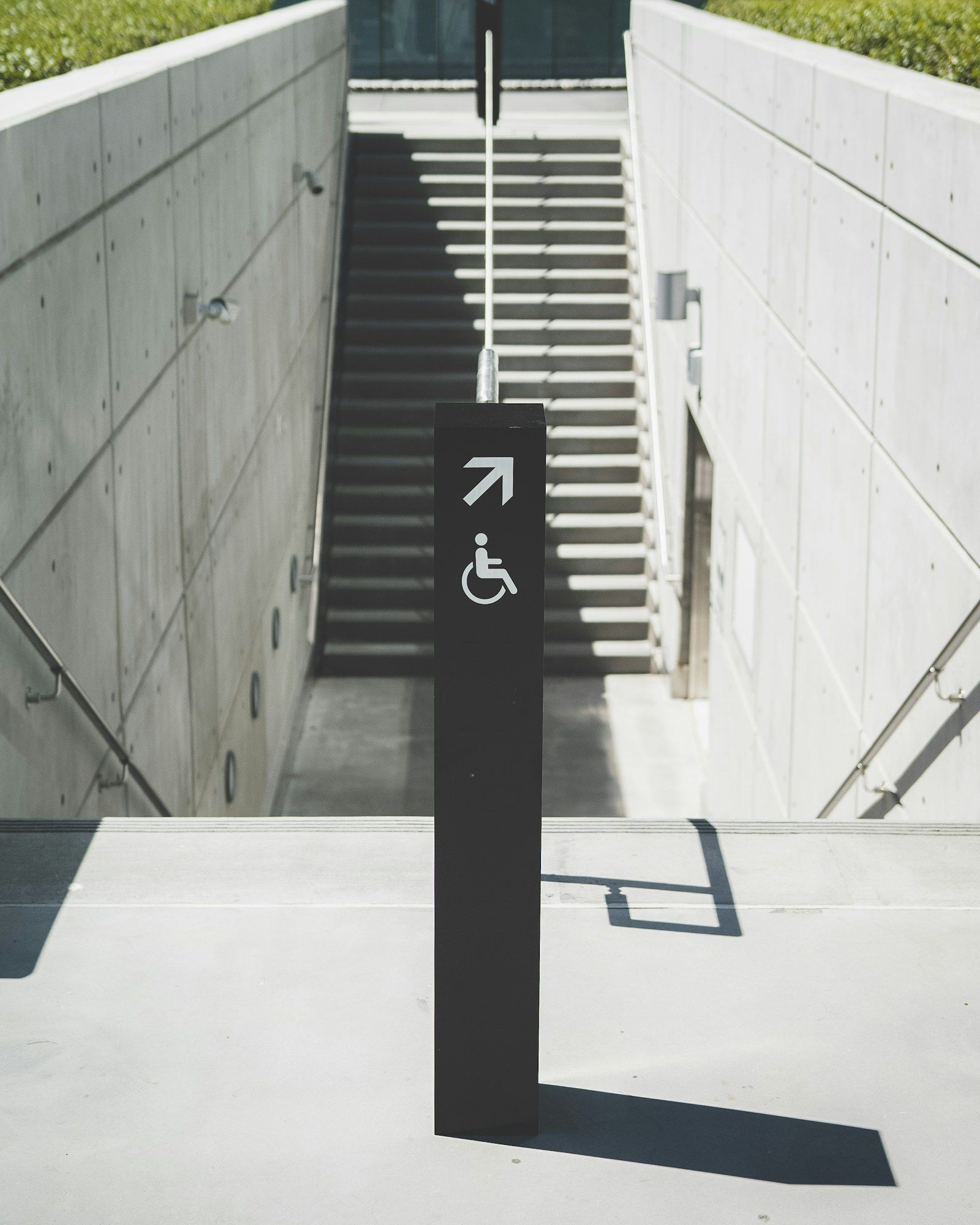
Photo by Joey Banks on Unsplash by Joey Banks Unsplash License
A practical access planning guide for productions and hosts documenting real routes, bathrooms, ramps, holding and limitations before booking.
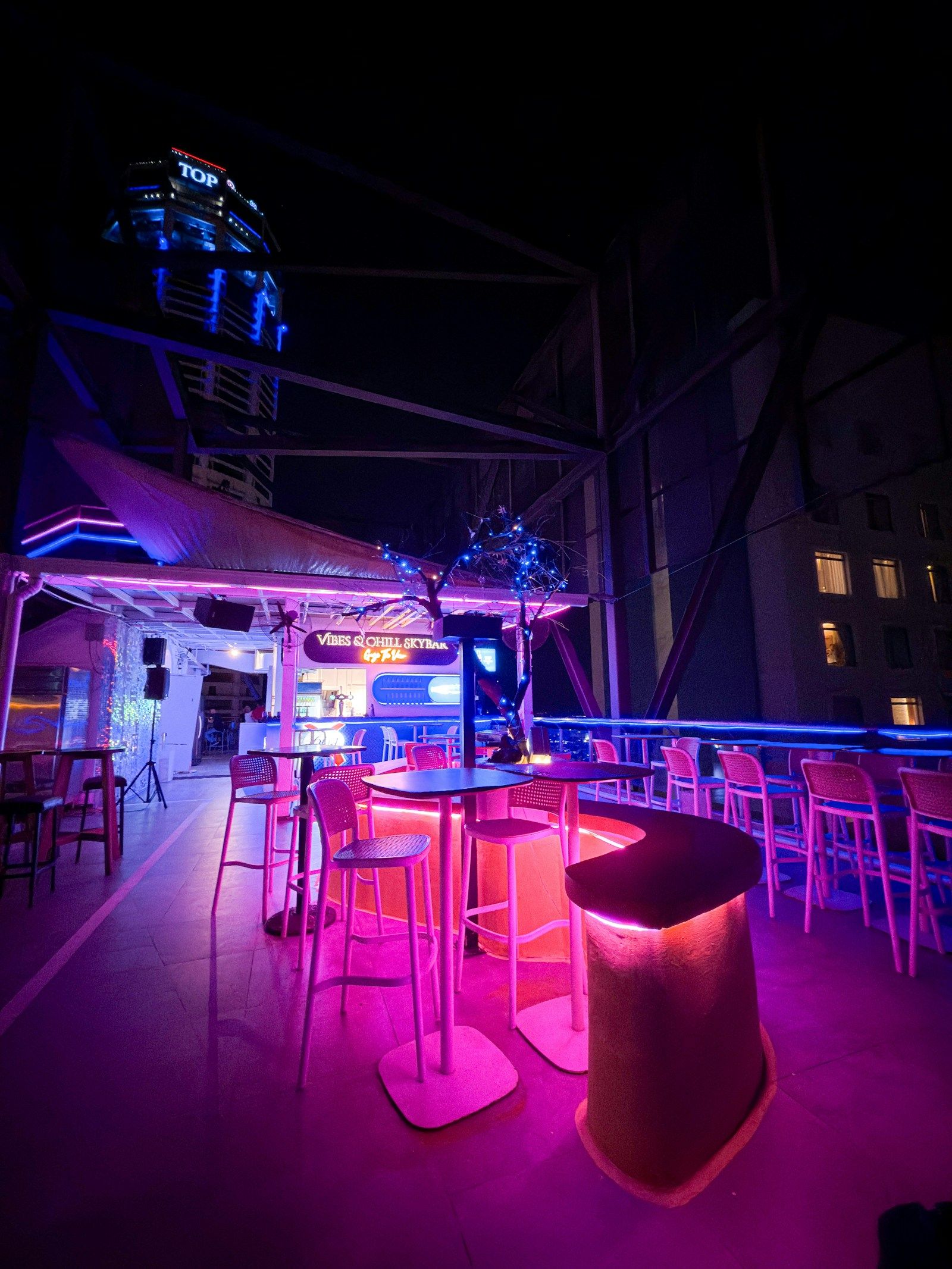
Photo by Ryan Liu on Unsplash by Ryan Liu Unsplash License
How productions should prepare bar, club and nightclub locations for music videos, fashion, commercials and nightlife content.
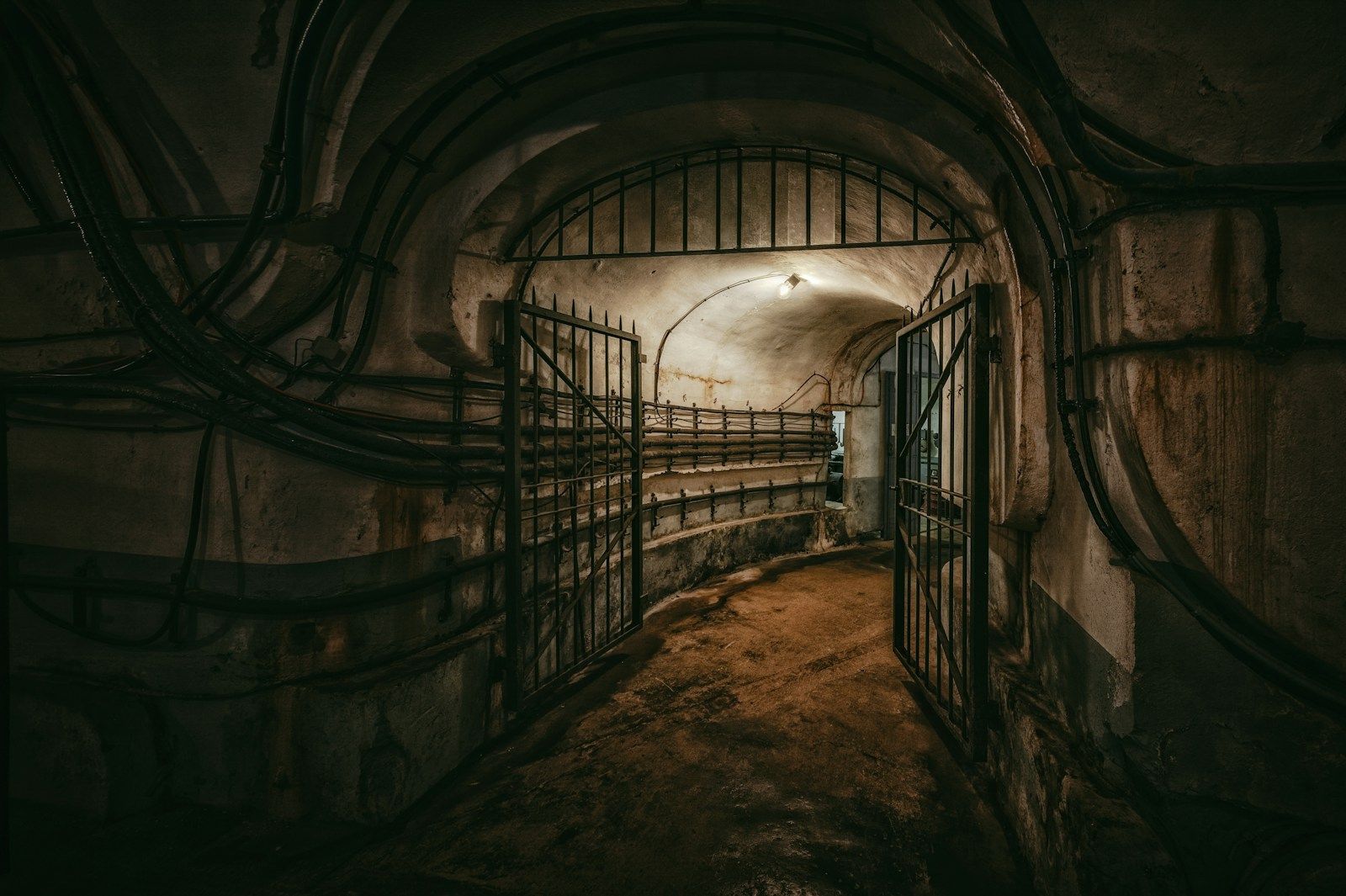
Photo by Peter Herrmann on Unsplash by Peter Herrmann Unsplash License
How productions should assess bunker, lost-place and special-motif locations without creating legal or safety risk.
