Photo by Bernd Dittrich on Unsplash by Bernd Dittrich Unsplash License
How to compare Ruhr area film locations: industry, mining look, offices, private spaces, parking, power, noise, access and permissions.
Ruhr area film locations are not only mining nostalgia. For productions, the region is useful because industry, infrastructure, offices, private homes, clubs, roads, waterfronts and workers’ housing sit close together. That density is the strength of the Ruhr, but it also creates planning risk: a strong visual motif only works if access, parking, power, noise, owner approval and city coordination are handled early.
Start by comparing film locations in NRW, specialist industrial film locations and specific Ruhr motifs. This guide helps producers compare Dortmund, Essen, Duisburg, Bochum and nearby cities by production function instead of treating the region as one interchangeable industrial backdrop.
A Ruhr shoot can combine several worlds in one day: former mine, warehouse, office floor, backyard, workers’ house, club, street, parking deck, canal, Rhine harbor or modern service space. That is useful when a production needs multiple motifs without treating every move as a new city.
The Route of Industrial Heritage presents the region as a network of major industrial monuments. For film teams, that structure is practical: the industrial look is not limited to one photo spot. It is spread across many locations with different owners, uses and permit paths.
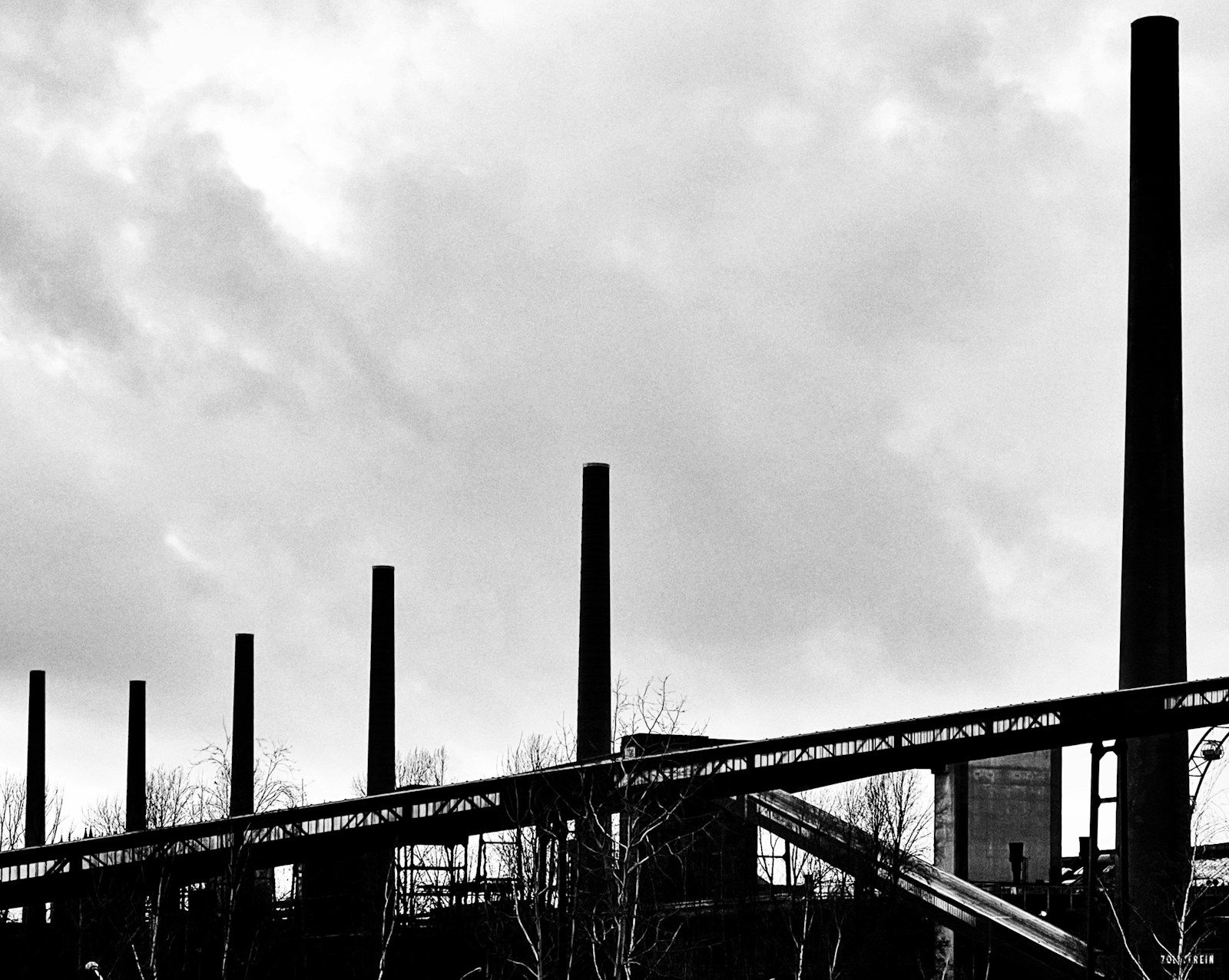
Mines, coking plants, blast furnaces and old workshops bring immediate visual value: steel, brick, concrete, pipes, high rooms, hard light and traces of work. For advertising, music videos, series, documentary or B2B industrial content, that can carry a scene.
The mistake is confusing visual accessibility with production clearance. Zollverein separates private use from professional inquiries and publishes its own photo and filming permit information. Landschaftspark Duisburg-Nord also treats commercial and editorial work as a separate permission case; its park rules point to special permits and exclude drone launches for safety and liability reasons.
Duisburg works when a project needs steel, harbor, logistics, water, bridges, broad roads or post-industrial areas. Landschaftspark Duisburg-Nord is only one example. Active industrial sites, harbor areas, public traffic space and event halls often each require different approvals.
The City of Duisburg names its communications office as the first contact for supporting film and television productions. That matters because Ruhr motifs rarely function in isolation. A location can look perfect and still fail if loading, controlled areas, traffic authority, owner approval or safety requirements are clarified too late.
Essen is useful when a project wants industrial icons, offices, cultural sites, residential districts and central NRW access. Dortmund often reads more technical, university-driven and logistical: campuses, commercial areas, stadium surroundings, public transport, warehouses, office parks and private rooms can sit closer together than in a single-city search elsewhere.
Traffic and public space are city-specific. Essen explains that street closures for film and television shoots are treated differently from purely pedestrian camera work. Dortmund’s DSW21 shows that commercial filming in transit contexts can generally require permission. Operator rules like these matter in the Ruhr because transport, stations, roads and technical infrastructure are often part of the look.
Many Ruhr productions start by looking for industry and end up needing an office, apartment, makeup room, catering base, holding area, interview room, client monitor or retreat space. The region can be strong here: private homes, former administration buildings, modern commercial units, ateliers, clubs, restaurants and small studios are often within practical driving distance.
That does not make the search automatic. Private spaces need clear rules for set dressing, protection, neighbors, parking, toilets, noise, night work and handback condition. Offices need approval around logos, privacy, employee areas, technical rooms and weekend access. Teams that search only for the industrial look often miss the rooms that make the shoot operationally stable.
Industrial and mining motifs may look large, but they do not automatically have production-friendly infrastructure. Check ceiling height, truck access, loading doors, freight elevators, floor load, power, generator position, cable runs, fire safety, escape routes, water, heating, dust, oil, acoustics, mobile reception, toilets and safe walking paths.
Noise is a real decision factor. Rail, motorway, active industry, harbor operations, clubs, neighbors or visitor traffic can make sync sound impossible. The reverse can also be true: a loud location may be perfect for music video, industrial content or stills. The request should always state the planned use: sync sound, dialogue, stills, playback, vehicle movement, drone, effects, rain, generator or night lighting.
The Film Commission NRW is the right starting point when a search touches several cities, authorities, service providers and motif types. It supports producers with location and studio information, contacts and authority coordination. In the Ruhr, that cross-regional view is important because a project rarely belongs to one municipality only.
For SetScout, the practical order is: define the motif profile and production risks first, then compare NRW film locations and industrial motifs, then approach owners, city offices and operators. That prevents a strong image from failing late because of parking, power or permissions.
A useful request should include preferred city, motif type, visual references, production type, shoot date, time window, crew size, vehicles, loading needs, sound, light, generator, drone, set dressing, controlled areas, night work, visitor traffic, safety requirements, holding space and backup options. The key question is whether each area is private, public, actively operated or heritage-protected.
If you are choosing between Cologne, Düsseldorf and the Ruhr, do not calculate only the location fee. Calculate driving time, hotel base, unit base, location moves, parking zones, authority loops and the probability that several motifs can sit inside one production radius. In that calculation, the Ruhr can outperform a single iconic location.
The Ruhr area is one of NRW’s strongest regions for industry, mining atmosphere, warehouses, offices and private rooms. Its advantage is density and variety, not guaranteed simplicity. Teams that check owner approval, city coordination, traffic, parking, power, noise and safety early can get more from the region than a beautiful industrial background.
More posts you might be interested in
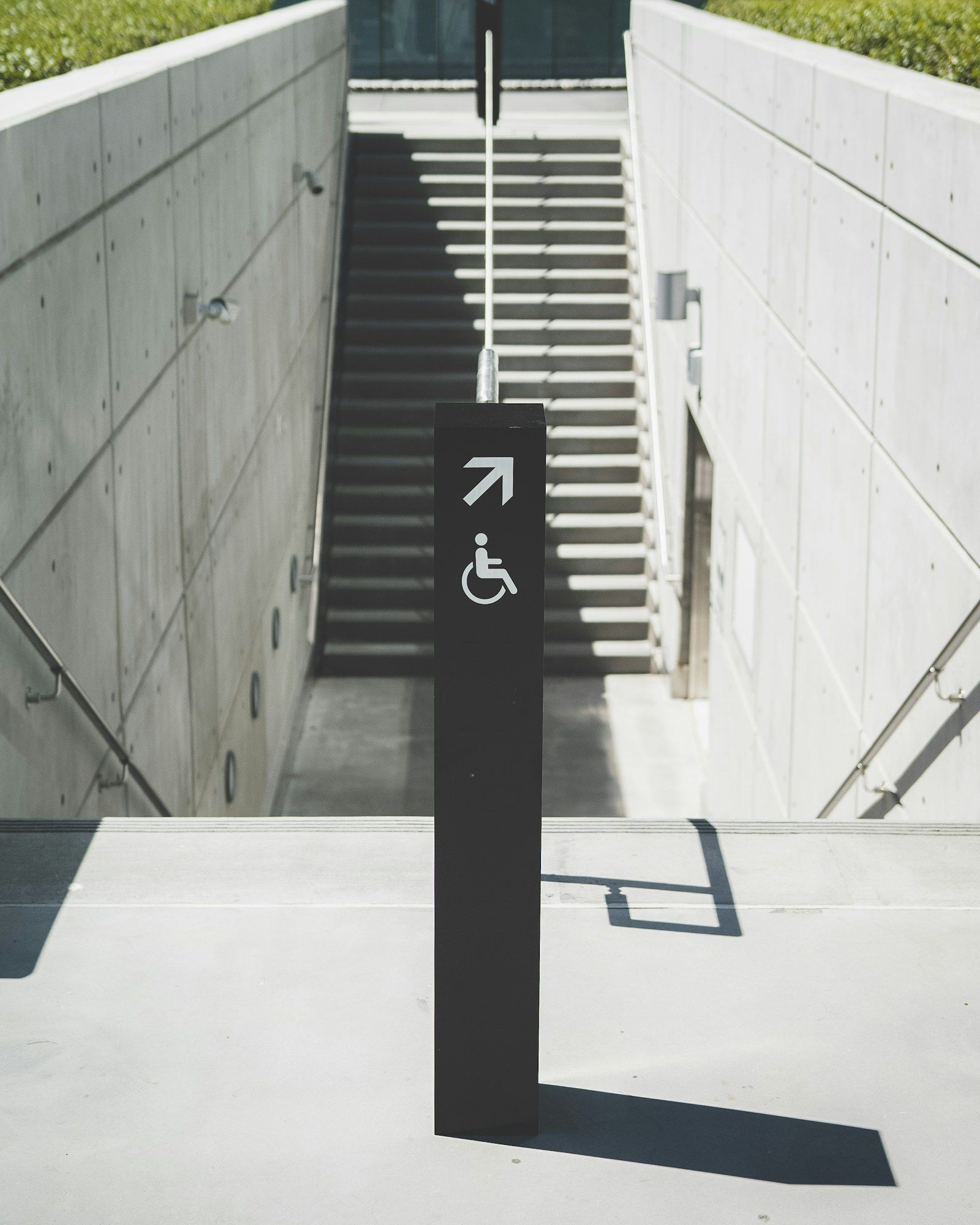
Photo by Joey Banks on Unsplash by Joey Banks Unsplash License
A practical access planning guide for productions and hosts documenting real routes, bathrooms, ramps, holding and limitations before booking.
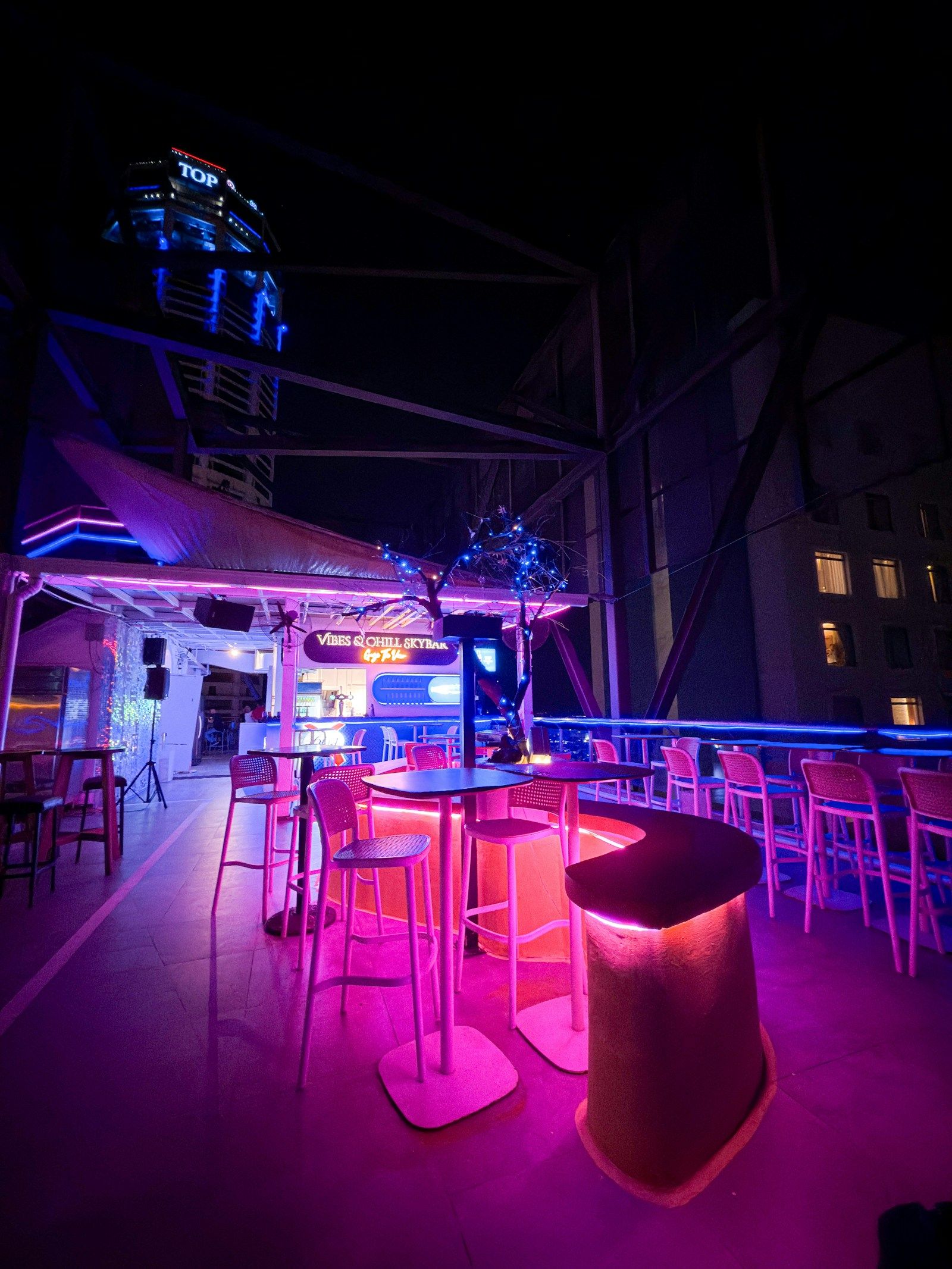
Photo by Ryan Liu on Unsplash by Ryan Liu Unsplash License
How productions should prepare bar, club and nightclub locations for music videos, fashion, commercials and nightlife content.
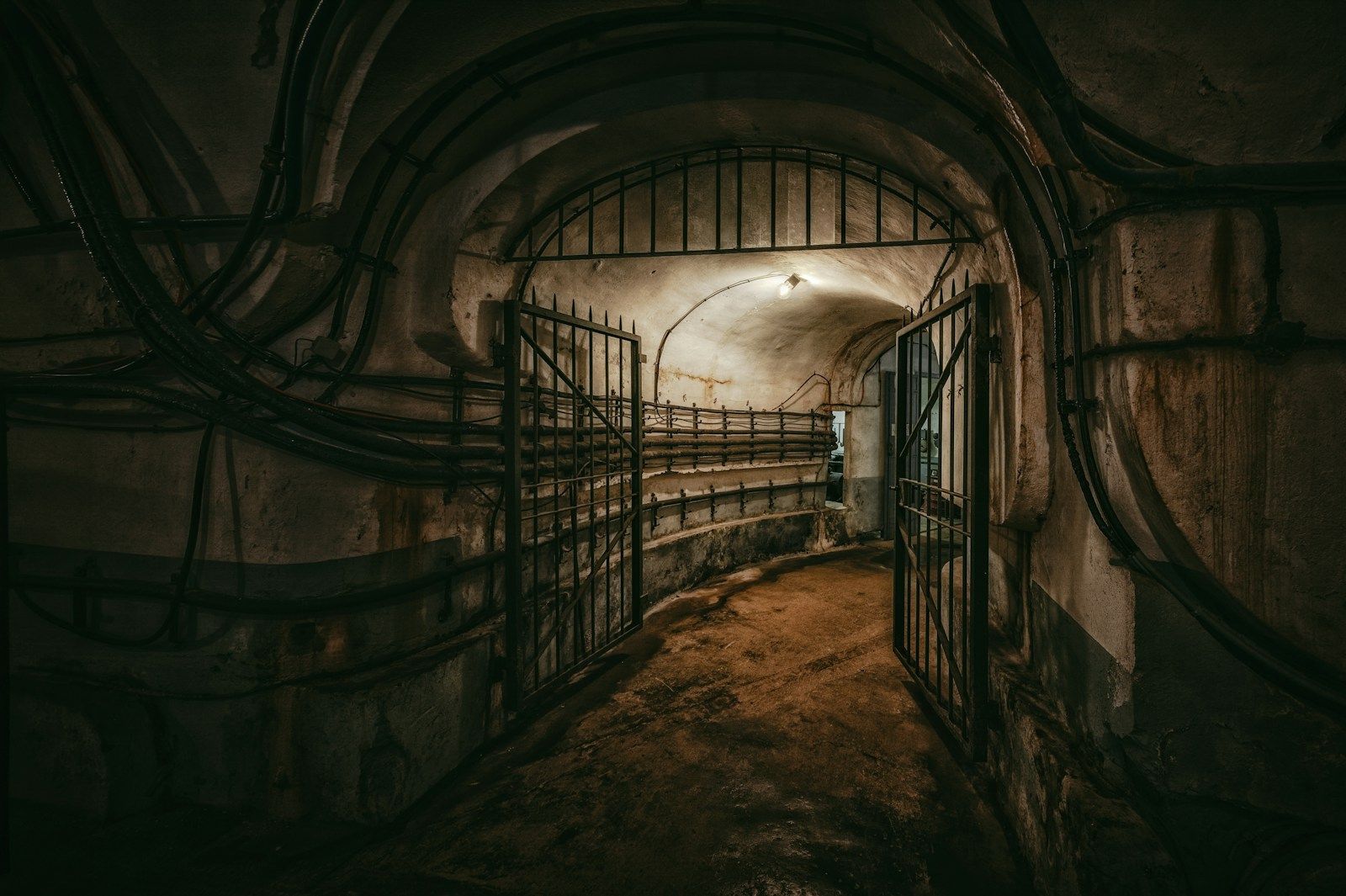
Photo by Peter Herrmann on Unsplash by Peter Herrmann Unsplash License
How productions should assess bunker, lost-place and special-motif locations without creating legal or safety risk.
