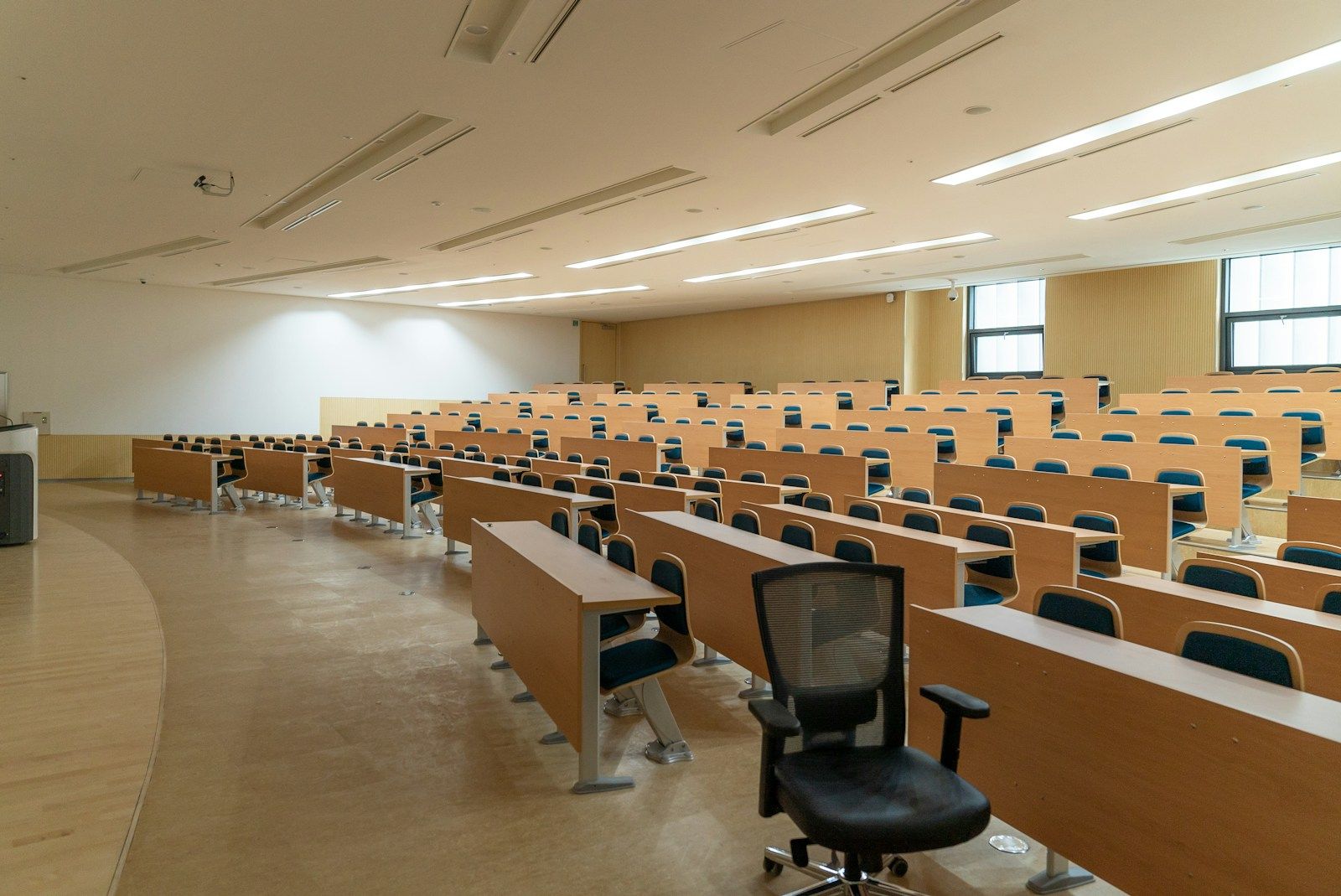
Classroom with desks and chairs by Changbok Ko / Unsplash Unsplash License
How to request school, university and campus film locations responsibly: consent, minors, privacy, corridors, break flows, holiday windows, security and realistic dressing.
A school, university or campus can instantly tell the audience where a scene takes place. Classrooms, lecture halls, corridors, lockers, gyms and courtyards are clear motifs. They are also sensitive locations: minors, privacy, teaching, exams, house rules, security and circulation decide whether a shoot is realistic at all. When searching SetScout for film locations, start with who must approve the shoot and which areas must stay untouched.
For scripted school or campus scenes, a real active institution is not always the best choice. An empty floor, seminar room, former school building, community space or office with the right corridors can deliver the same visual language without touching classes, student flows or internal data. The more real education operations are affected, the stronger the case for a controllable substitute location.
For education locations, a private room approval is rarely enough. Productions need clear permission from the owner or operator and often additional approval from security, facilities, communications or academic departments. Campuslocation Frankfurt describes a process that moves from scout visit to offer, filming permit and production support. International campus policies show the same principle: Stanford’s campus guidance prohibits filming in student residences, dining halls, libraries, classrooms and labs without advance written permission. Treat approval as part of the location choice, not paperwork after the fact.
Once real pupils might be visible or audible, the shoot becomes much more complex. The NRW data-protection authority says photo and film recordings in school lessons are tightly limited and require consent. Lower Saxony’s education portal similarly explains that schools may create and publish recordings of pupils only with valid consent declarations. For productions, the practical consequence is simple: the cleanest option is a completely pupil-free shoot.
In schools and universities, privacy risk is not limited to faces. Timetables, name lists, whiteboard notes, learning platforms on screens, door labels, exam lists, locker names, ID cards and notices can all expose personal data. The location should decide what gets removed, covered or replaced. The production should avoid collecting documentary background detail just because it looks authentic.
The real conflict is often not the room itself, but the movement around it. Breaks, class changes, cafeteria periods, exams, deliveries, parent events, university events and cleaning rounds can make a simple corridor scene impossible. Ask for movement windows, not just rooms: when is the corridor empty, which entrance can be used, where does the crew wait and which paths must stay open?
A classroom is usually easier to dress, but more sensitive when actively used. A lecture hall offers scale and clean sightlines, but often has fixed AV, fire routes and exam schedules. A gym needs floor protection, equipment control and changing-room boundaries. Labs, workshops, libraries and cafeterias are separate risk categories because safety rules, inventory, opening hours and operator responsibilities can differ.
The best school or campus location is often the one that can offer a clear window without real operations. School holidays, lecture-free periods, weekends, exam-free days and evening windows reduce privacy, noise and circulation conflicts. These windows are not automatically free: cleaning, construction, events, holiday programs, security and lock-up systems need the same planning as the shoot itself.
Many school and campus motifs can be adjusted with modest changes: neutral notices, production-owned books, desk props, changed chair layouts, covered logos, empty whiteboards and controlled coat areas. Harder elements include fixed signage, trademarks, digital displays, wall art, lab equipment, historic building fabric and anything affecting escape routes or fire safety. The operator should define what may be moved, taped or covered and how the original state will be documented.
Do not send only visual references. Include motif, age group on camera, whether real pupils or students should appear, crew size, gear, sound, time of day, rooms, corridors, exterior areas, vehicles, catering, security needs, dressing, privacy risks and closed areas. For campus and school motifs in cities like Frankfurt, early location scouting helps because operator, city and motif requirements can overlap quickly.
Schools, universities and campuses can be strong film locations when they are controllable. Consent, minors, privacy, movement, breaks, security and a realistic shoot window matter more than the first impression of the room. The best next step is a request that describes both the look and the boundaries. On SetScout you can compare school, university and campus motifs and clarify early whether the location can actually support the production.
More posts you might be interested in
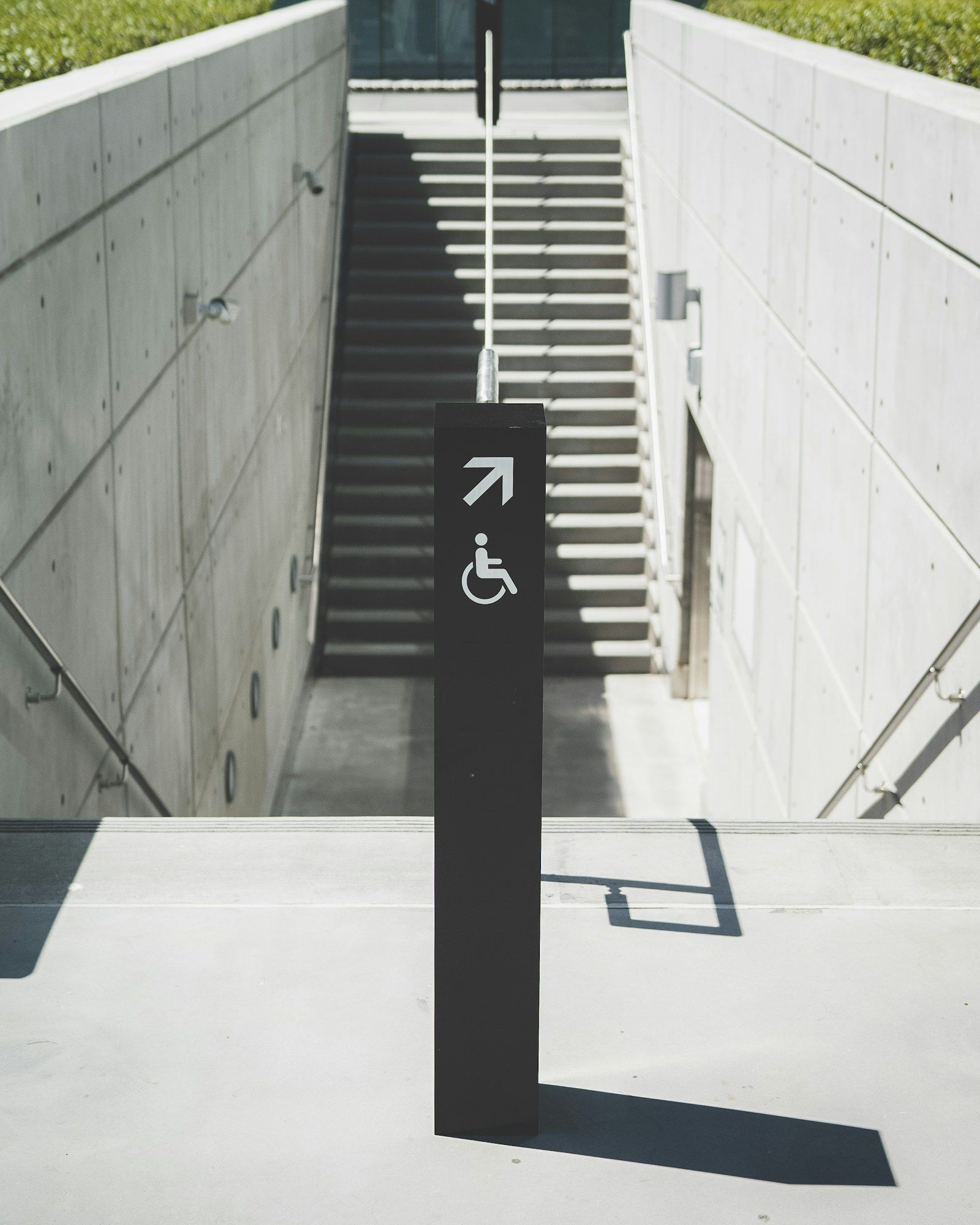
Photo by Joey Banks on Unsplash by Joey Banks Unsplash License
A practical access planning guide for productions and hosts documenting real routes, bathrooms, ramps, holding and limitations before booking.
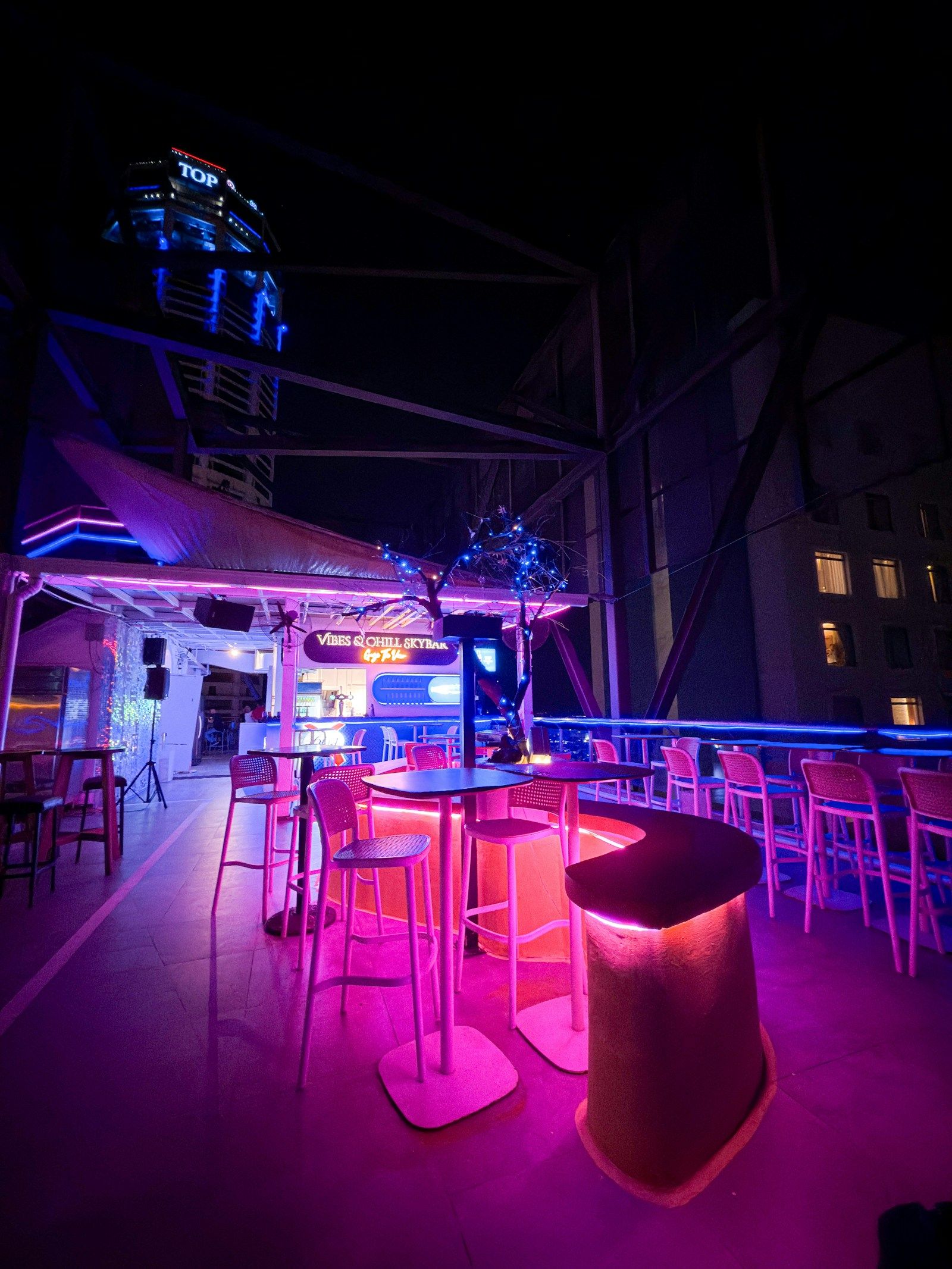
Photo by Ryan Liu on Unsplash by Ryan Liu Unsplash License
How productions should prepare bar, club and nightclub locations for music videos, fashion, commercials and nightlife content.
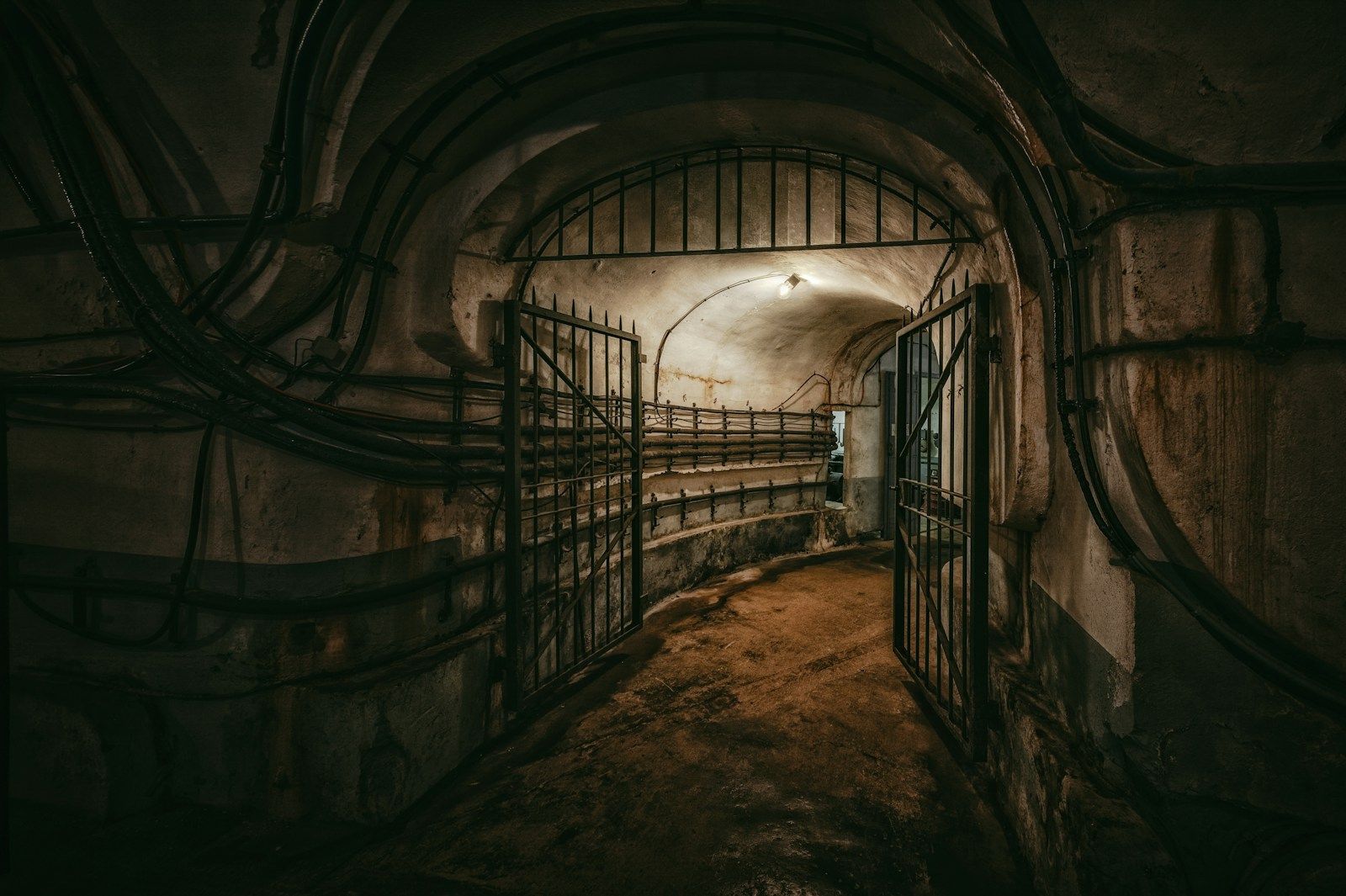
Photo by Peter Herrmann on Unsplash by Peter Herrmann Unsplash License
How productions should assess bunker, lost-place and special-motif locations without creating legal or safety risk.
