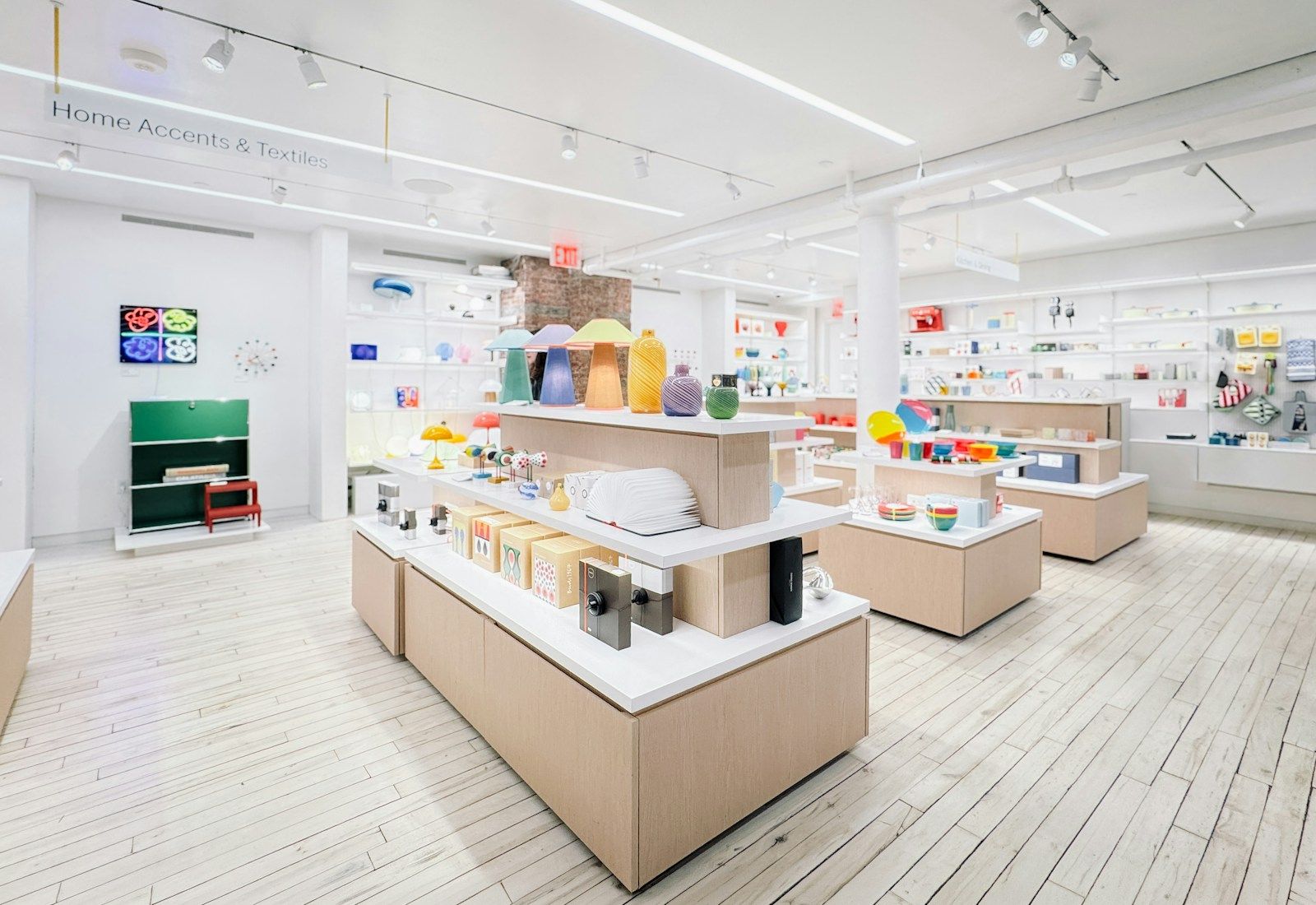
Modern retail store interior with display shelves by Zooey Li / Unsplash Unsplash License
How productions should plan retail film locations: store authority, brands, products, customers, staff, security, deliveries, night windows and reset after the shoot.
A supermarket, kiosk or store can make a scene feel real immediately. Shelves, price labels, checkout areas, windows, baskets and narrow aisles carry everyday detail without explanation. That is also why retail locations are hard. Brands, real products, customers, staff, security, deliveries and opening hours are part of the motif. If you want to use or offer a commercial space as a film location, start by deciding how much real operation can stay in frame.
A real store is strong when product density, checkout counters, windows, night lighting or street context need to feel authentic. A dressed set or empty showroom is better when brands, customers, staff or stock logistics become too risky. Location marketplaces already maintain categories for convenience-store film locations, but the useful question is not the category. It is how much control the production has over image, operations and reset.
For retail locations, the question is not only who owns the building. Operators, tenants, franchisors, center management, landlords, brand partners and security providers may all have a say. The location agreement should define which areas are usable, when setup happens, whether windows are visible, whether checkout areas can be staged, which rooms stay closed and who has decision authority on site.
Shelves full of real products look credible, but they can limit commercials, social ads and product videos later. Third-party logos, price labels, private labels, alcohol, tobacco, medicine, children’s products or competitor products may create clearance problems. The Rodriques Law overview of brands and products in film shows why visible marks should be planned deliberately. In the request, specify which products may remain visible, which get turned, covered or replaced with production-owned props.
An operating store is hard to control because people can drift into the background, queue at the register or appear in mirrors and security screens. In Germany, recognizable people in published images raise consent questions; the Kunsturhebergesetz links the distribution and public display of portraits to consent as a general rule. A closed shoot with extras, clear releases and blocked customer routes is often much simpler than filming during normal sales hours.
Many retail shoots work best after closing, before opening or on closed days. Customers, registers, deliveries and staff paths are easier to control. But new costs appear: keys, alarm systems, security, store management, cleaning, refrigeration, restocking, lighting control, neighbor noise, waste, parking and overtime. Treat the night window as its own production block, not free time after work.
Small changes can disrupt the next morning: moved stock, missing price labels, opened packaging, blocked refrigerators, misplaced baskets or adhesive residue on shelves. Define who may move products, whether real goods can be handled, whether reference photos are taken before changes, who signs off the reset and what happens when products are damaged or no longer saleable.
Retail locations have narrow aisles, fire routes, shutters, cold rooms, cash areas, storage, loading docks, cameras and alarm zones. Clarify which doors stay open, where vehicles can stand, whether deliveries are cancelled or redirected, which circuits can handle lighting and whether haze, loud music, special light or generators are allowed. In kiosks and small shops, one stand can already block operations or an escape route.
Describe store type, motif, brand risk, product categories, customer visibility, staff in frame, crew size, gear, sound, time window, deliveries, parking, security, checkout area, storage, refrigeration, windows, music, dressing and reset. On SetScout productions can request retail motifs precisely. Operators who want to offer a film location should prepare the same points as house rules.
A store is more than shelf background. For a few hours, the production takes over a working system of products, brands, people, security and daily operations. Good retail shoots happen when brands, customer routes, night windows and reset are agreed before the shoot. Then a supermarket, kiosk or showroom can feel real without damaging the next sales day.
More posts you might be interested in
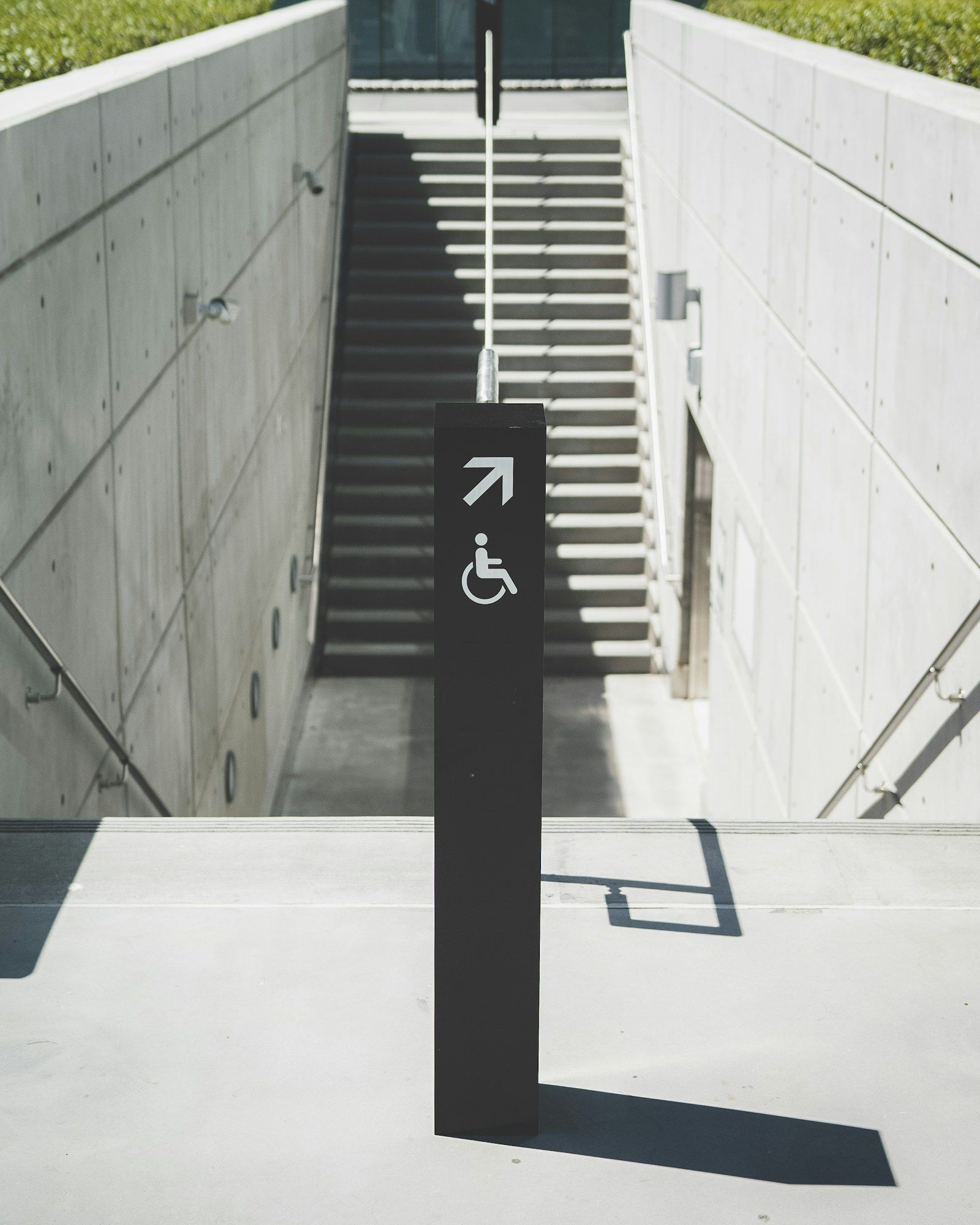
Photo by Joey Banks on Unsplash by Joey Banks Unsplash License
A practical access planning guide for productions and hosts documenting real routes, bathrooms, ramps, holding and limitations before booking.
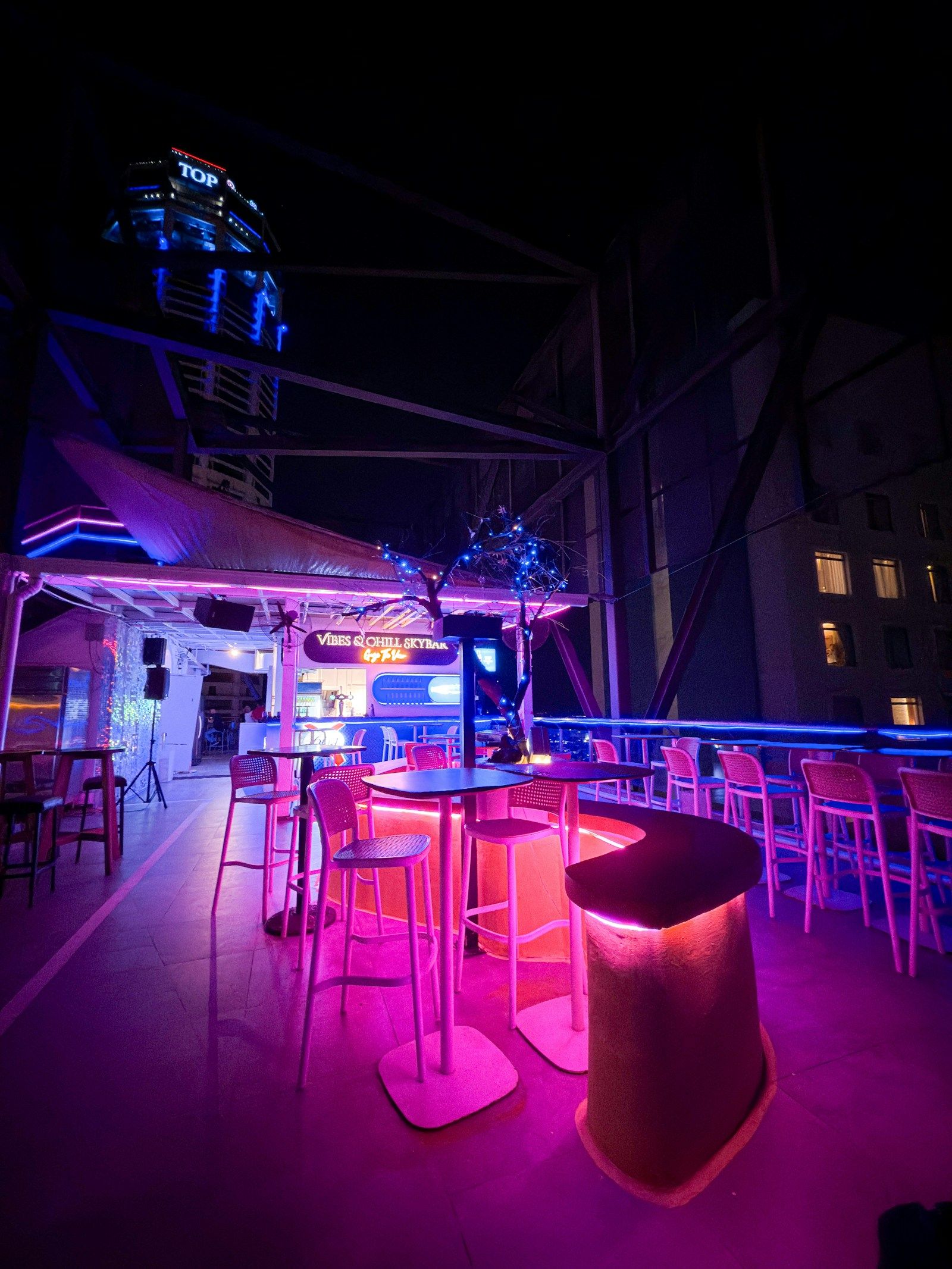
Photo by Ryan Liu on Unsplash by Ryan Liu Unsplash License
How productions should prepare bar, club and nightclub locations for music videos, fashion, commercials and nightlife content.
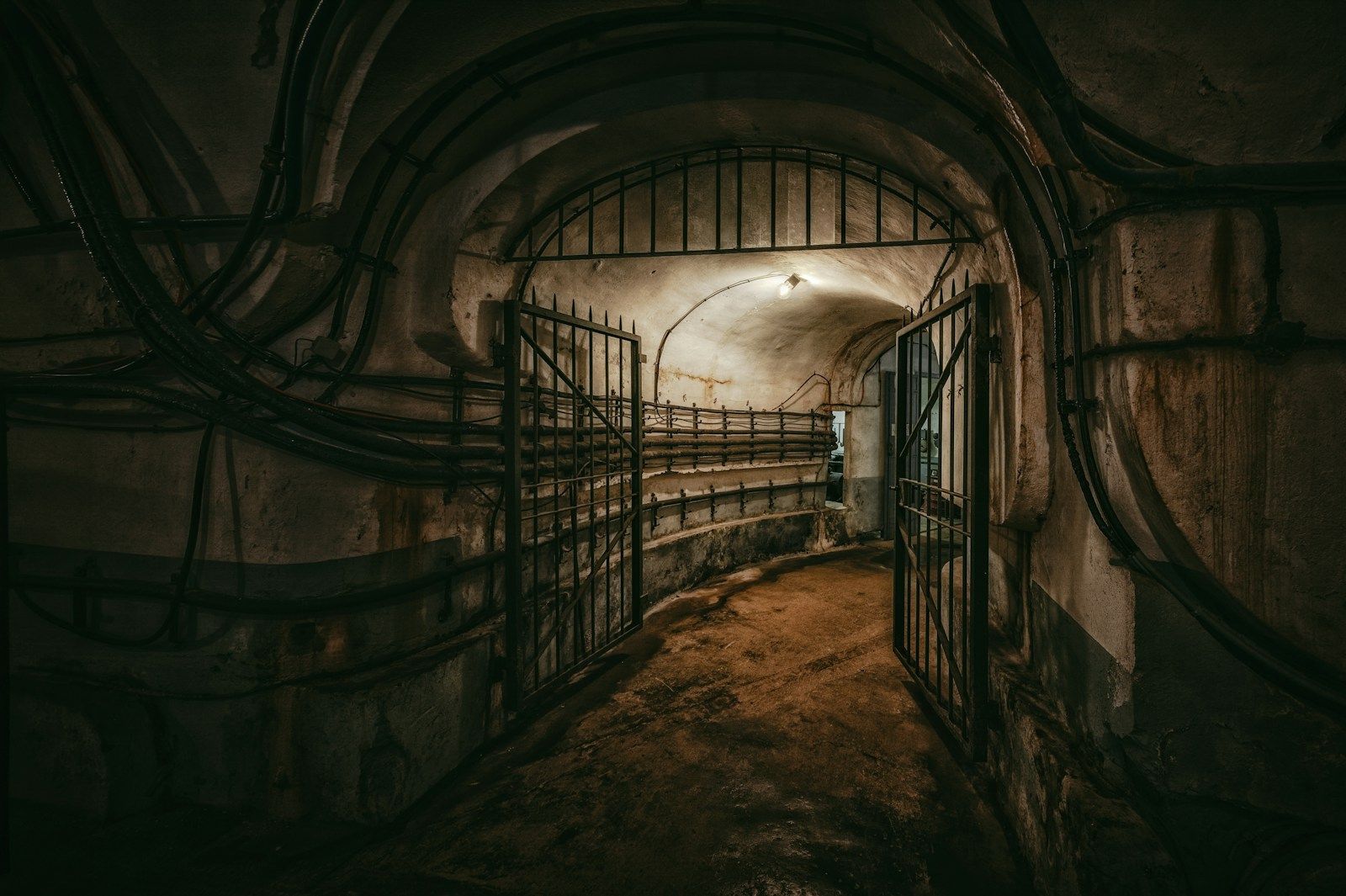
Photo by Peter Herrmann on Unsplash by Peter Herrmann Unsplash License
How productions should assess bunker, lost-place and special-motif locations without creating legal or safety risk.
