
Photo by Vitaly Gariev on Unsplash by Vitaly Gariev Unsplash License
How corporate producers choose credible and technically workable locations for brand films, recruiting videos, testimonials and case studies.
A corporate video location has to feel credible and work technically. Reception, office, workshop, showroom or client-facing space each says something different about the brand. The best choice is not the prettiest room, but the room that connects message, sound, light, privacy, employees and workflow.
This guide is for corporate producers, agencies and marketing teams planning a brand film, recruiting video, testimonial or case study. Use it with renting a video shoot location, renting an interview location and the host-side view on renting out an office as a film location.
Choose the location by message and risk: reception for trust, office for culture, workshop for competence, showroom for product proximity, client space for proof. Then check sound, light, brand surfaces, privacy, employees, access and whether daily operations can support the shoot.
The client’s own office feels real, but it may be noisy, tight or visually messy. A rented location is easier to control, but it can look generic. A workshop or client space adds authenticity, but brings privacy, safety, operations and approvals into the plan.
Make the decision in two steps. First decide what the film needs to say. Then check whether the space supports camera, sound, lighting, crew and client team without friction.
A reception area works when the corporate video needs to show credibility, scale, client contact or premium service. It is useful for opening shots, short statements, visitor moments and transitions between company and audience.
Check glass, foot traffic, waiting areas, logos, screens, access control, echo and daylight. Reception is often the most public company area, which also makes it the most controlled.
Offices show work style and team atmosphere. For recruiting, employer branding and internal transformation, a real office is often more credible than a neutral meeting room. It shows people, process, proximity and daily rhythm.
The technical check matters: sensitive screens, employees in the background, license plates outside windows, glass walls, echo, neighboring teams, meeting traffic and brand surfaces need a plan. Use the guide to privacy on set for this pass.
Workshops, labs, kitchens, production areas and service spaces create substance. They show that a company builds, tests, repairs or moves something. For B2B, industrial, craft and technology films, that can be stronger than a polished office.
Safety and workflow lead here. Clarify protective equipment, restricted areas, noise, machine schedules, shifts, camera and lighting paths, sensitive processes and whether employees will work naturally or be directed.
Showrooms and client-facing spaces work when product, consultation or application is central. They provide finished displays, product proximity, customer context and a visual language sales and marketing already recognize.
The risk is brand and usage control. Price tags, customer data, displays, competitor products, music, artwork, visitors and house rules can limit use. Confirm what may stay in frame and what must be removed before the shoot.
A neutral room makes sense when the statement matters more than the place. Testimonials, expert interviews, executive communication and case-study soundbites benefit from quiet, controlled light, a clean background and easy client handling.
If the film is mostly spoken content, a specialized interview location is often better than a visually stronger but noisy room.
Listen before approving the room. HVAC, phones, kitchen noise, street traffic, open offices, workshop noise and reverb can hurt corporate videos more than a small visual compromise.
Check daylight, mixed light, flickering LEDs, glass, blackout, reflections and whether the light stays consistent for several hours. Corporate shoots often have tight windows that leave little time for major lighting resets.
Clarify logos, screens, whiteboards, customer data, employees, visitors, files, license plates and product secrets. Anything that cannot appear on camera needs a solution before the schedule is locked.
A corporate video should feel real, but the business still has to function. Clarify which teams are available, which areas will be locked, who can answer questions and who can make decisions on the shoot day.
Corporate shoots often have many stakeholders. Plan a place for client team, playback, laptop, power, Wi-Fi, wardrobe, make-up and quick approvals so the shoot is not managed from a corridor.
Use the company’s own space when it credibly proves the brand and can be controlled technically. That is especially true for workshops, showrooms, product environments and team culture. The effort is worth it when the location provides real proof.
Choose a rented location when privacy, noise, employee traffic, space, light or operations become too risky. A neutral location can feel more credible than a real office that fails on the shoot day.
Build the shortlist by message, technical fit and approvals. Search SetScout for offices, workshops, showrooms, interview rooms and neutral business locations, then compare them by production readiness, not only by look.
More posts you might be interested in
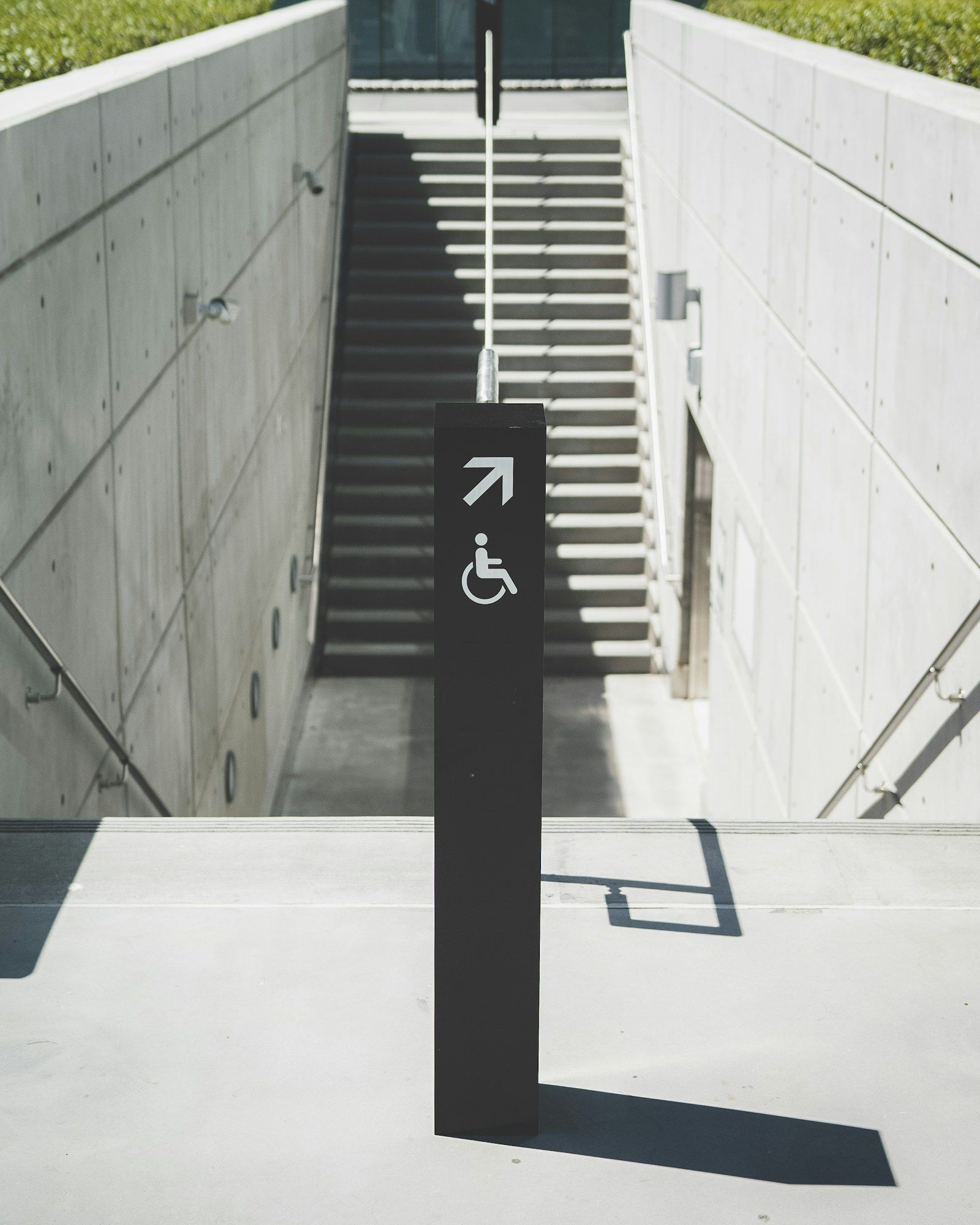
Photo by Joey Banks on Unsplash by Joey Banks Unsplash License
A practical access planning guide for productions and hosts documenting real routes, bathrooms, ramps, holding and limitations before booking.
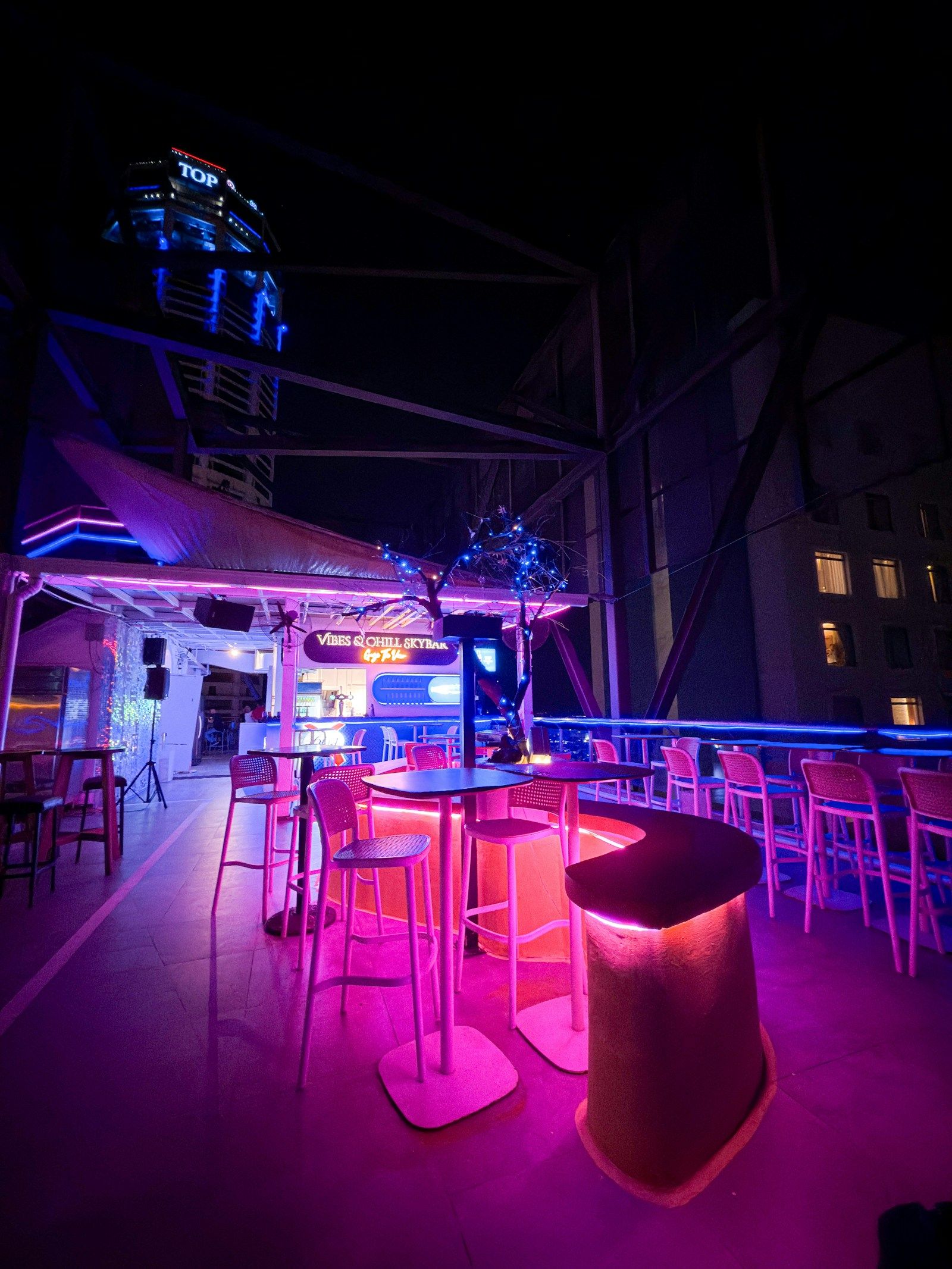
Photo by Ryan Liu on Unsplash by Ryan Liu Unsplash License
How productions should prepare bar, club and nightclub locations for music videos, fashion, commercials and nightlife content.
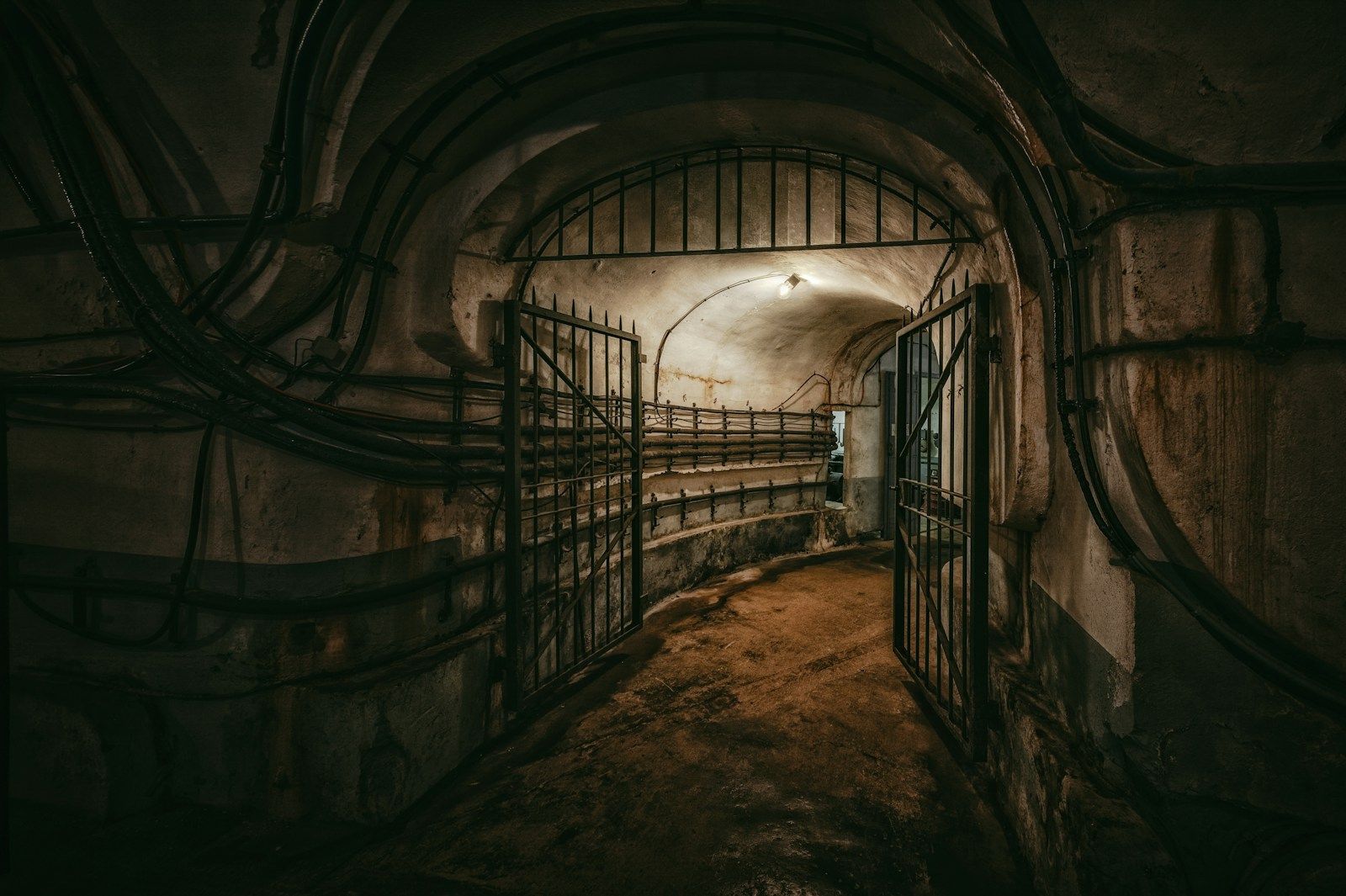
Photo by Peter Herrmann on Unsplash by Peter Herrmann Unsplash License
How productions should assess bunker, lost-place and special-motif locations without creating legal or safety risk.
