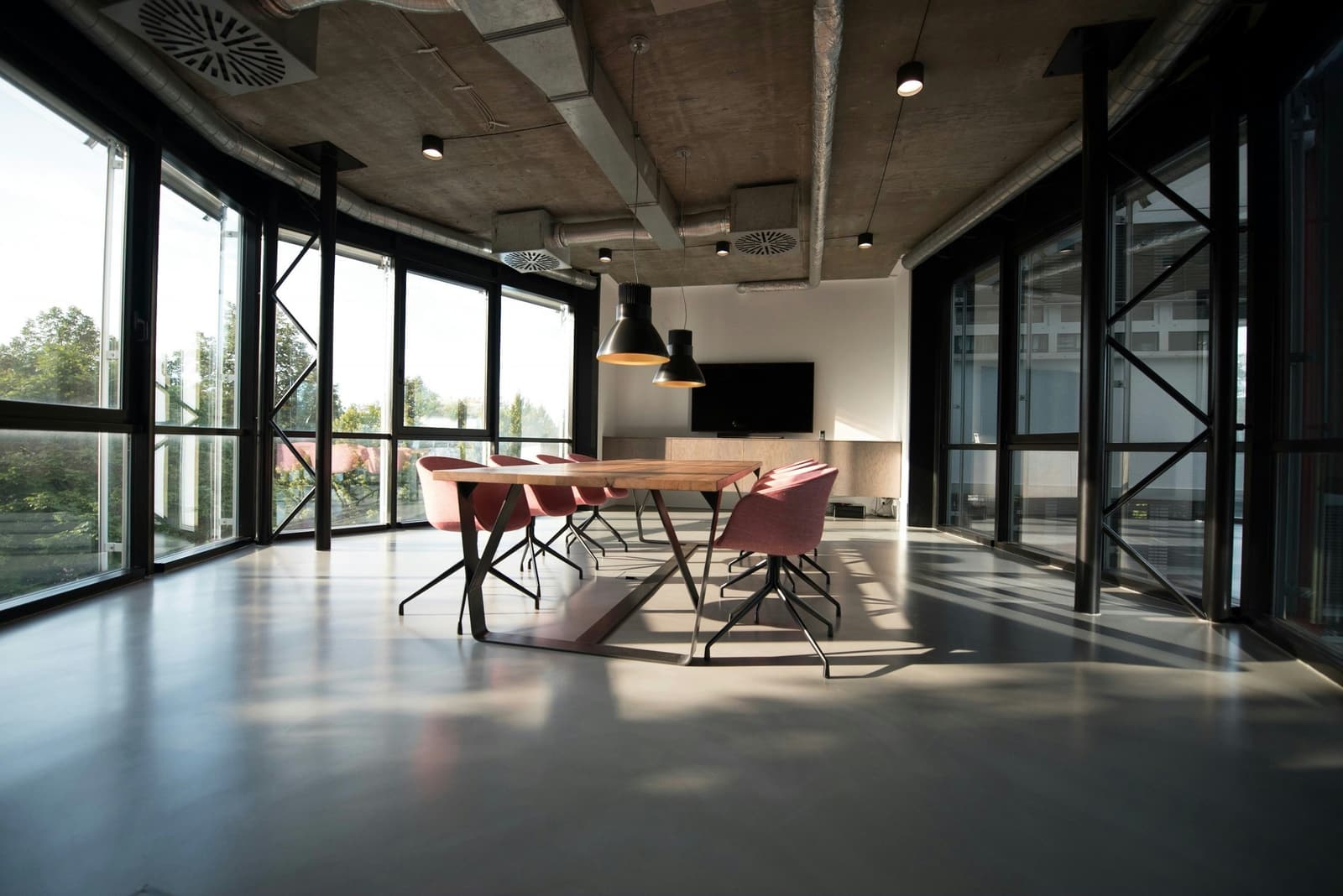
Spacious boardroom by Nastuh Abootalebi / Unsplash Unsplash License
An office can work well as a film location when confidential information, employees, access, elevators, brand surfaces and cleaning are handled before the crew arrives.
An office as a film location is convenient for productions: workstations, meeting rooms, reception, kitchen, elevators and often good transport access. For operators, though, an office is not a neutral set. Screens, whiteboards, access cards, files, name tags and brand surfaces can expose real information.
The first decision is therefore practical: which areas are really needed, which information must disappear and who supervises the crew? When that is clear before the shoot, an office can be used without disrupting the next workday.
An office shows working reality, and that is exactly why it is sensitive. Unlike an empty showroom, it contains real business context: proposals, invoices, applications, customer lists, project plans, internal dashboards, door signs, shift plans, delivery addresses and personal items.
The GDPR defines personal data as information relating to an identified or identifiable natural person. In an office shoot, that can be a name on a door sign, a calendar on a monitor or a person in the background. Tidying the room is not enough.
Many office-shoot data leaks are visual. A quick pan across a monitor can show internal numbers. A printout on a desk can reveal a customer name. A whiteboard can expose a product roadmap. These risks should not appear for the first time on shoot day.
If employees are visible, this is more than courtesy. German KunstUrhG section 22 sets consent as the baseline for distributing or publicly displaying portraits. In the workplace, employee-data protection also matters.
The German Federal Commissioner for Data Protection notes in its employee-data guidance that personnel-file data may only be used for personnel administration or management purposes and must be protected from unauthorized access. For office shoots, the signal is clear: real employee records and personnel areas do not belong in the set.
Offices often fail as shoot locations because of logistics, not visuals. The crew needs a loading zone, elevator, case routes, holding area, power, restrooms and a place for clients or agency. At the same time, it cannot wander through confidential areas.
An office does not only show the host company. It may also show customer logos, partner names, prototypes, investors, software tools or confidential pitch material. Operators should decide what may remain real and what must be neutralized.
A shoot during business hours can reduce building costs, but it may interrupt employees, calls, client visits and focused work. Evening or weekend shoots reduce disruption, but need keys, security, supervision, cleaning, heating, air conditioning and clear lock-up responsibility.
For many offices, a hybrid approach works: recce and small scenes during quiet times, larger scenes after work. The important point is that the production cannot decide spontaneously which areas look better.
An office must function the next morning. That means furniture back, cables gone, floors clean, kitchen usable, meeting rooms free, waste removed, door systems closed and no props left in work areas. Reset is part of the booking, not a favor.
Insurance proof matters, but it does not solve every office risk. It does not replace privacy review, a restricted-area list or supervision. It should be checked alongside the location agreement, house rules, access rules and reset plan.
For insurance details, read /en/blog/production-liability-insurance-film-location-host-checklist. For reset and damage reporting, read /en/blog/damage-on-set-handover-record-deposit-photos-reset.
SetScout can help office operators avoid treating every attractive request as a suitable request. The relevant details are dates, crew size, areas, usage, insurance, house rules and special risks. Only then can you decide whether an office really fits the shoot.
For the broader commercial-space perspective, read /en/blog/rent-out-commercial-space-film-location-office-restaurant-shop-warehouse.
No. Usually it is enough to remove or replace sensitive documents, real screens, name tags, whiteboards, customer logos and personal items. The more confidential the company’s work is, the more should be neutralized before the shoot.
Only with clear separation. Work zones without crew access, meeting rooms for calls and camera-free routes matter. Anyone meant to appear on camera needs a separate discussion and should not become part of the scene by accident.
Avoid handing out uncontrolled cards where possible. A responsible escort is better because they know doors, elevators, alarm systems and restricted areas. Keys, cards and codes should be documented in the handover record.
Account for space, exclusivity, work disruption, supervision, security, cleaning, after-hours costs, technical use, reset and risk. An office with confidential areas needs more preparation than a neutral meeting room.
If you want to rent out your office as a film location, start with a restricted and approved list: screens, documents, employees, brand surfaces, access, elevators, cleaning and reset. After that, you can judge requests faster and with fewer surprises.
More posts you might be interested in
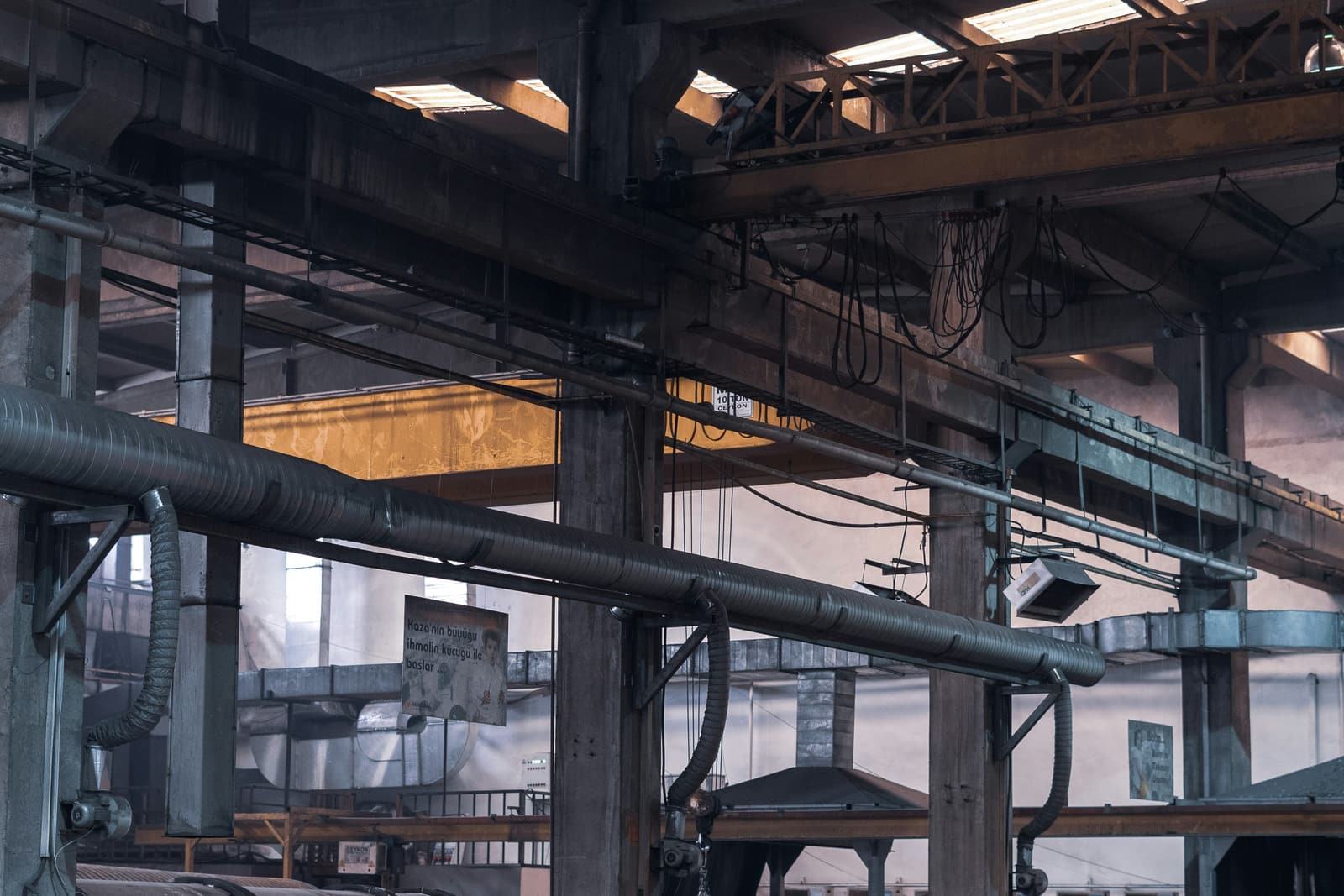
Industrial interior location by Ümit Yıldırım / Unsplash Unsplash License
Searching film locations by motif works best when each category is briefed with look, era, rooms, logistics, rights and hidden constraints.
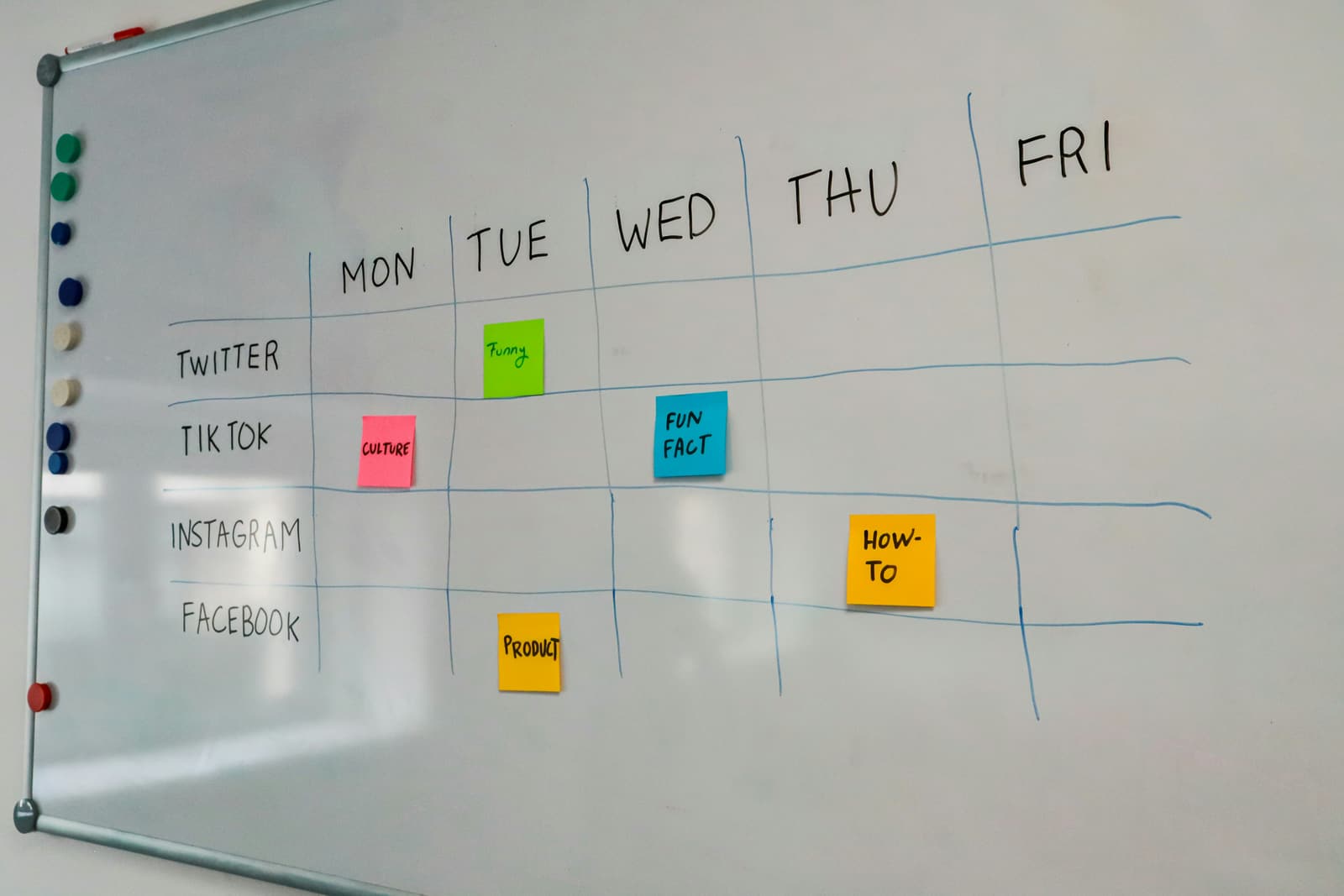
Production planning board by Walls.io / Unsplash Unsplash License
Production schedule templates, shot lists and storyboards help location planning only when they expose rooms, access, light, sound, permits and recce risks.

German city skyline by Florian Wehde / Unsplash Unsplash License
A practical comparison of Germany’s production hubs: Berlin, Hamburg, Cologne, Munich and Rhine-Ruhr by look, permits, crew base, transport, seasonality and private-location search.
