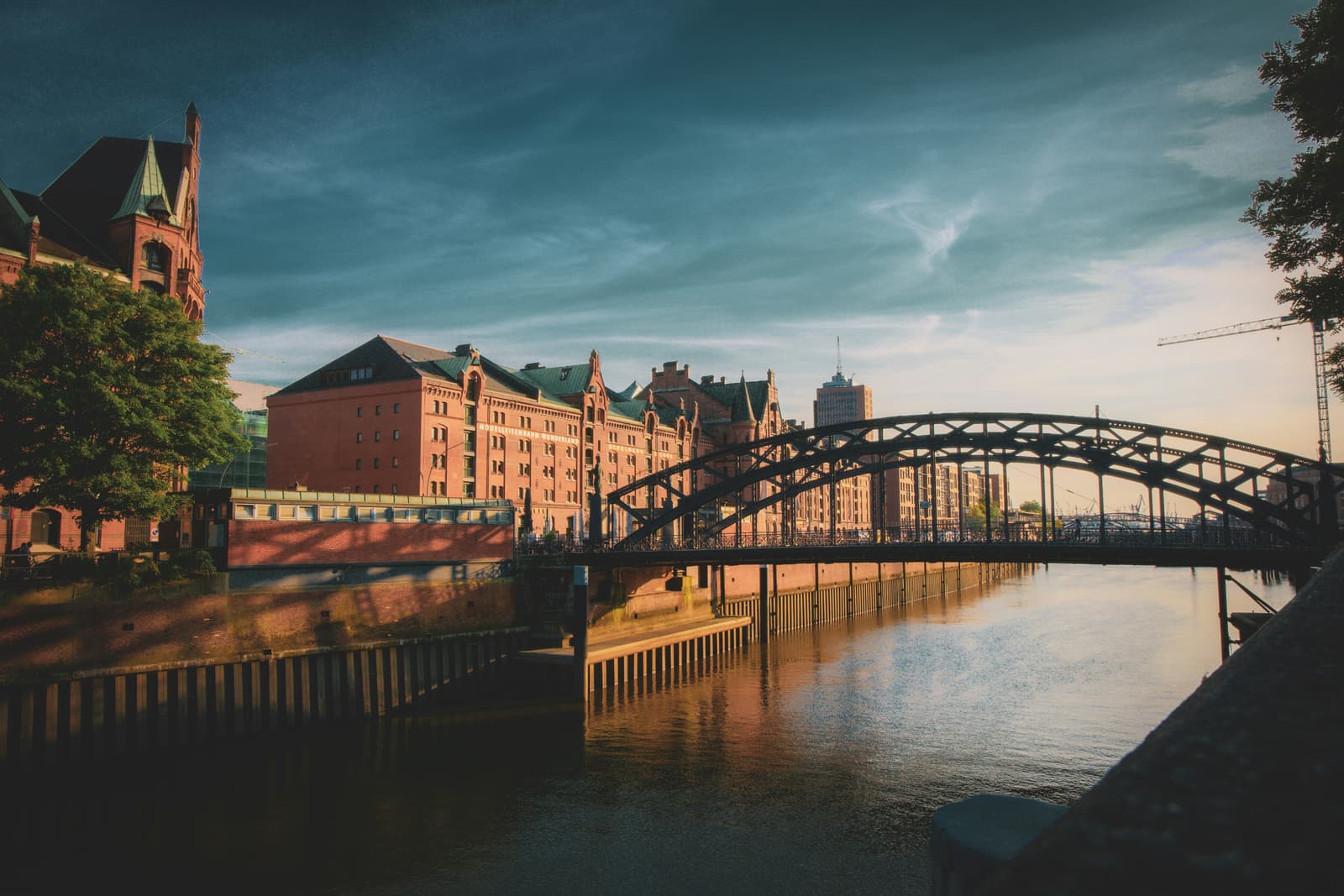
Historic Speicherstadt in Hamburg by Christian Lue / Unsplash Unsplash License
Hamburg can give a production water, brick, Altbau interiors, offices and harbor texture in a tight radius. The real test is permits, sound, weather, access, parking and a precise request brief.
A film location in Hamburg is rarely just a good-looking backdrop. Water, harbor edges, Speicherstadt brick, Altbau interiors, offices and studios can sit close together, but that mix creates practical questions: who approves the setup, where does the van wait, how noisy is the street and what happens when the weather changes?
The fastest route is not the broadest image search. You need a shortlist by motif, access, permits and day-of-shoot logistics. Hamburg works well when the location request separates those four layers before the recce.
Hamburg has several strong motif families that can look close on a map but behave very differently on a shoot. A harbor area is not an Altbau flat. An office by the Elbe is not a St. Pauli street. A studio gives control, but not automatically a Hamburg look.
Start with the visual promise: water and quay, Speicherstadt and brick, Altbau and residential street, modern office, gastronomy, industry, studio or neutral interior. Then test sound, light, load-in, power, parking, neighbors and approval route.
The harbor look is the obvious Hamburg request, but it is rarely the easiest option. The port is a working, traffic and safety environment. The Hamburg Port Authority has a dedicated point of contact for filming permits, photography permissions and drones in the harbor area.
For the request, describe the motif and the setup separately. A tiny handheld team by the water is different from lights, dolly, generator, drone, blocked space or picture vehicles. The more precisely you explain the impact, the more realistic the answer can be.
For interviews, social ads, fashion, editorial, small commercial shoots and scripted scenes, a private interior is often the more efficient Hamburg route. An Altbau, loft or apartment gives local texture without automatically turning the production into a street or port operation.
The check still needs to be concrete. Clarify owner consent, house rules, lift, stairwell, floor protection, neighbor notice, parking at the door, maximum people, quiet hours and reset. The interior is more predictable when the path from vehicle to set is as clear as the room itself.
Offices are strong for corporate, recruiting, product film and agency content because they bring infrastructure. Meeting rooms, reception, kitchens, lifts, toilets, Wi-Fi and power are often already there. That saves time when the look does not feel too generic.
Check calendar and control first. Can employees move out of the area? Is the space available outside core working hours? Are there glass reflections, smoke detectors, sensitive information, company logos or access-controlled areas that cannot appear on camera?
A studio makes sense when light, sound, repeatability and schedule matter more than real city texture. For product, beauty, tabletop, interviews, greenscreen or set build, a studio can be a better decision than a difficult exterior.
The counter-question is simple: does Hamburg need to be recognizable on screen? If yes, combine studio and real motif deliberately. Exterior establishing shots, controlled studio work for interiors or product shots, and short travel paths for crew and equipment can keep Hamburg from becoming a logistics drag.
The practical threshold is not simply the camera. MOIN states that filming on public ground in Hamburg and Schleswig-Holstein requires approval when sets or equipment are built, areas are blocked, or third parties are restricted or obstructed. MOIN gives a minimum application lead time of two weeks for those cases.
The Hamburg service portal describes special use as using public roads beyond traffic use. It also states that processing time and fees can vary by type and scope. Do not plan with a generic approval. Send a concrete request for place, date, time, setup and impact.
Water, traffic, wind, loading zones, gastronomy, gulls, construction and port operations can weaken a visually strong place for sound. This matters for interviews, dialogue, sync sound and longer takes. If you judge Hamburg only through images, sound is often the missed constraint.
Plan alternatives: a wind-protected position, a nearby interior, shorter takes, wireless audio test, weather cover for camera and sound, flexible call time and a second motif option. A water look needs a weather concept, not only a rain plan.
A film location in Hamburg is only as useful as its load-in. Ask early about stopping zones, van height, courtyards, lifts, freight lifts, stairs, door widths, loading times, generator limits, resident parking and alternatives for client, agency, makeup, styling and catering.
For small teams, a clear arrival note may be enough. For larger productions, you need a vehicle list, crew count, time window, holding need and a decision on whether the place is truly production-friendly or only attractive.
A good brief turns a visual idea into an answerable request. For Hamburg, it should include more than reference images. The host or scout needs to understand whether this is a quiet interior scene or a public-space setup that may need approval.
SetScout does not replace an authority decision or rights review. It helps with the production question that comes before that: which real spaces fit the look, crew size and logistics?
Start with /en/filmlocations/hamburg for concrete Hamburg options and also check /en/drehorte/hamburg if you search by motif rather than the phrase film location. For harbor looks, Altbau, offices and studios, keep separate shortlists because the risks are different.
No, not automatically for every private interior. Approval becomes more relevant on public ground, with setup, closures, disruption to third parties or special areas. Check the exact place, use and responsible body early.
MOIN gives a minimum application lead time of two weeks for filming on public ground when approval is required. Complex motifs, harbor areas, drones, closures or many vehicles usually need more coordination, not less.
Private apartments, Altbau interiors, lofts, small offices and controlled studios are usually more predictable than harbor areas or public streets. Consent, house rules, neighbors, sound, parking, load-in and reset still need to be clear before approval.
A scout is useful for a wide search radius, sensitive motifs, many stakeholders, authority contact or a very specific look. For fast private shortlists, a platform can help in parallel by comparing concrete spaces and sending targeted requests.
Build your Hamburg shortlist from three groups, not from single favorite images: realistic interiors, visually strong harbor or water options and safe backup places. Search /en/filmlocations/hamburg first, compare access and effort, then send a request with crew size, timing, impact and permit questions.
More posts you might be interested in
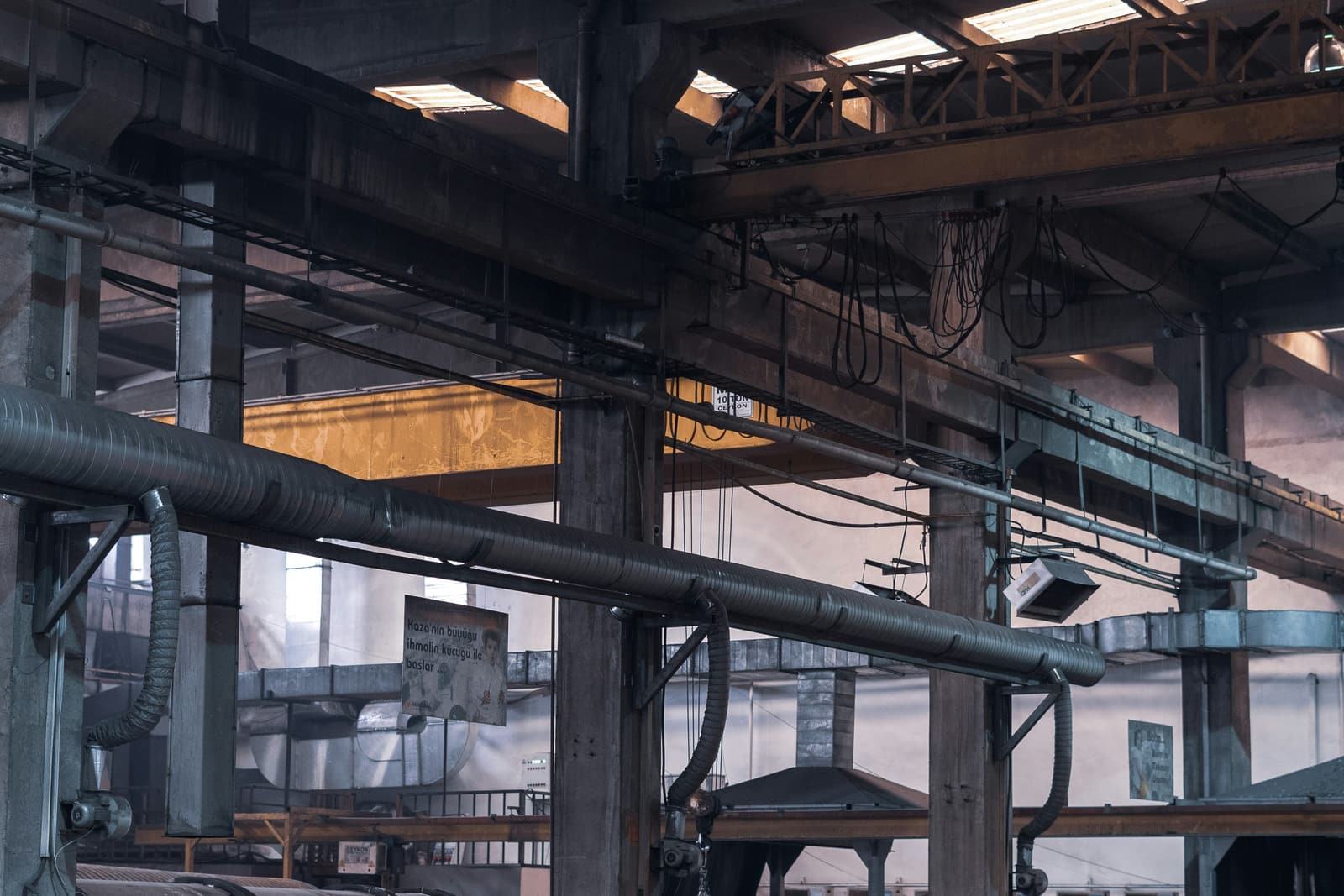
Industrial interior location by Ümit Yıldırım / Unsplash Unsplash License
Searching film locations by motif works best when each category is briefed with look, era, rooms, logistics, rights and hidden constraints.
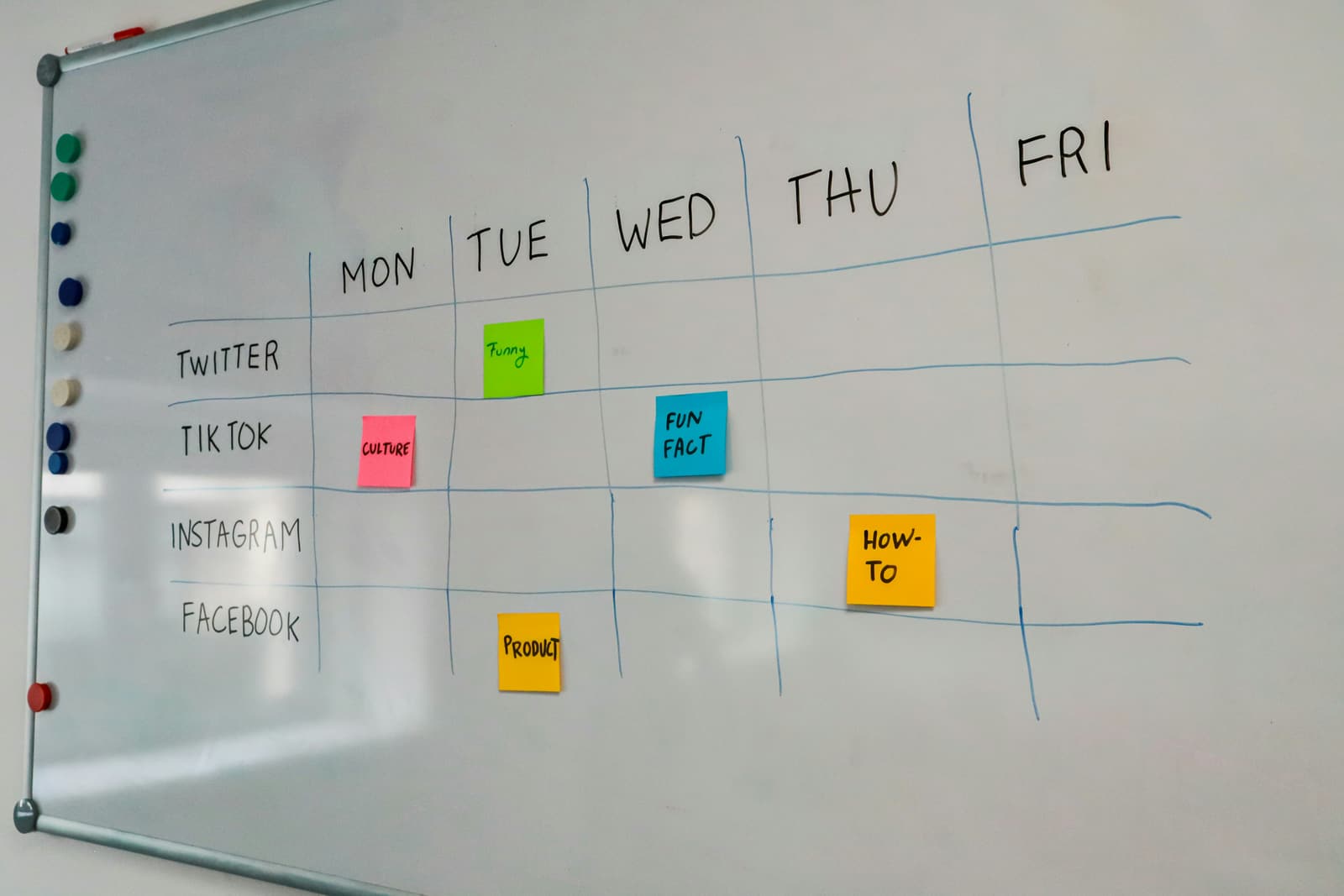
Production planning board by Walls.io / Unsplash Unsplash License
Production schedule templates, shot lists and storyboards help location planning only when they expose rooms, access, light, sound, permits and recce risks.
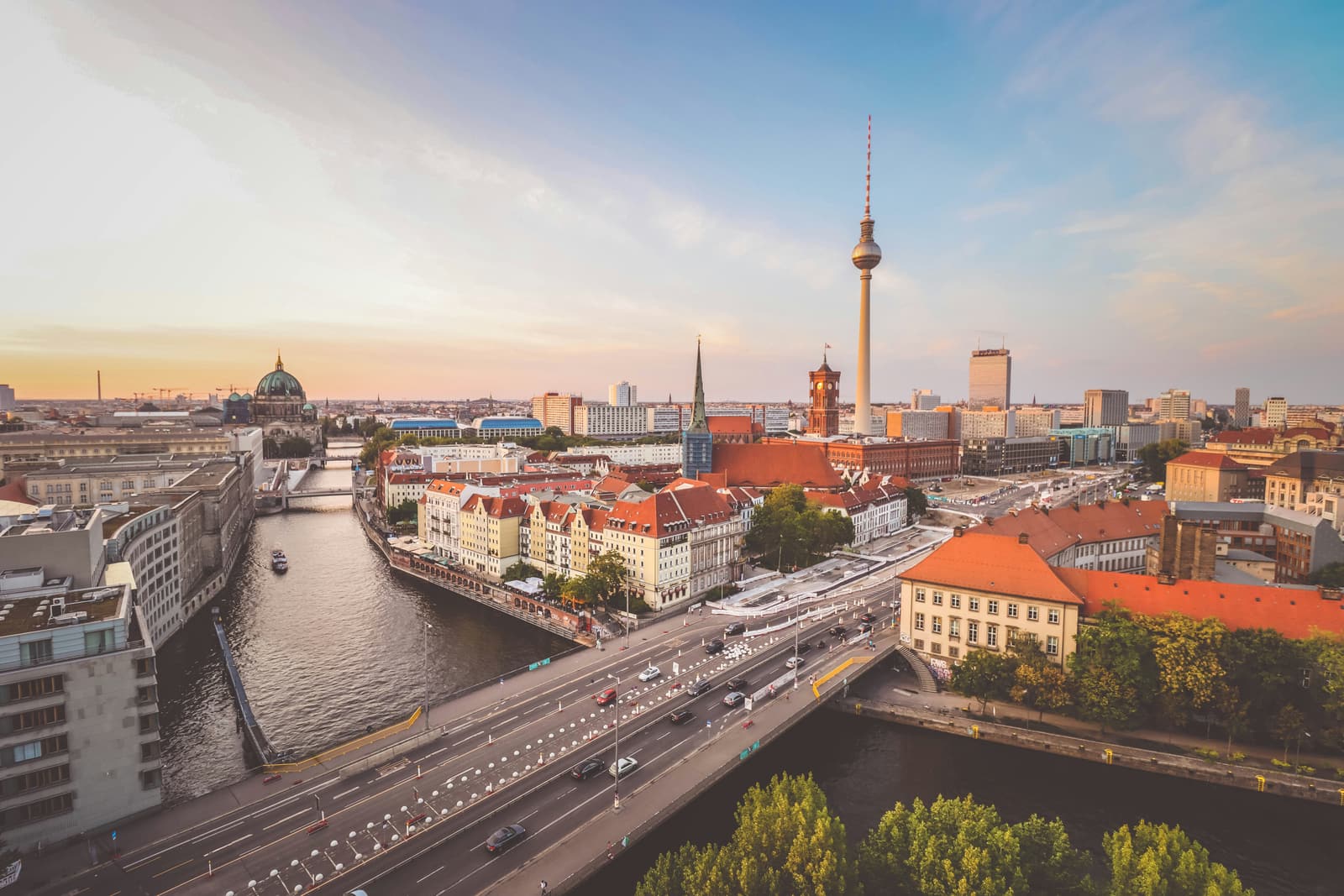
German city skyline by Florian Wehde / Unsplash Unsplash License
A practical comparison of Germany’s production hubs: Berlin, Hamburg, Cologne, Munich and Rhine-Ruhr by look, permits, crew base, transport, seasonality and private-location search.
