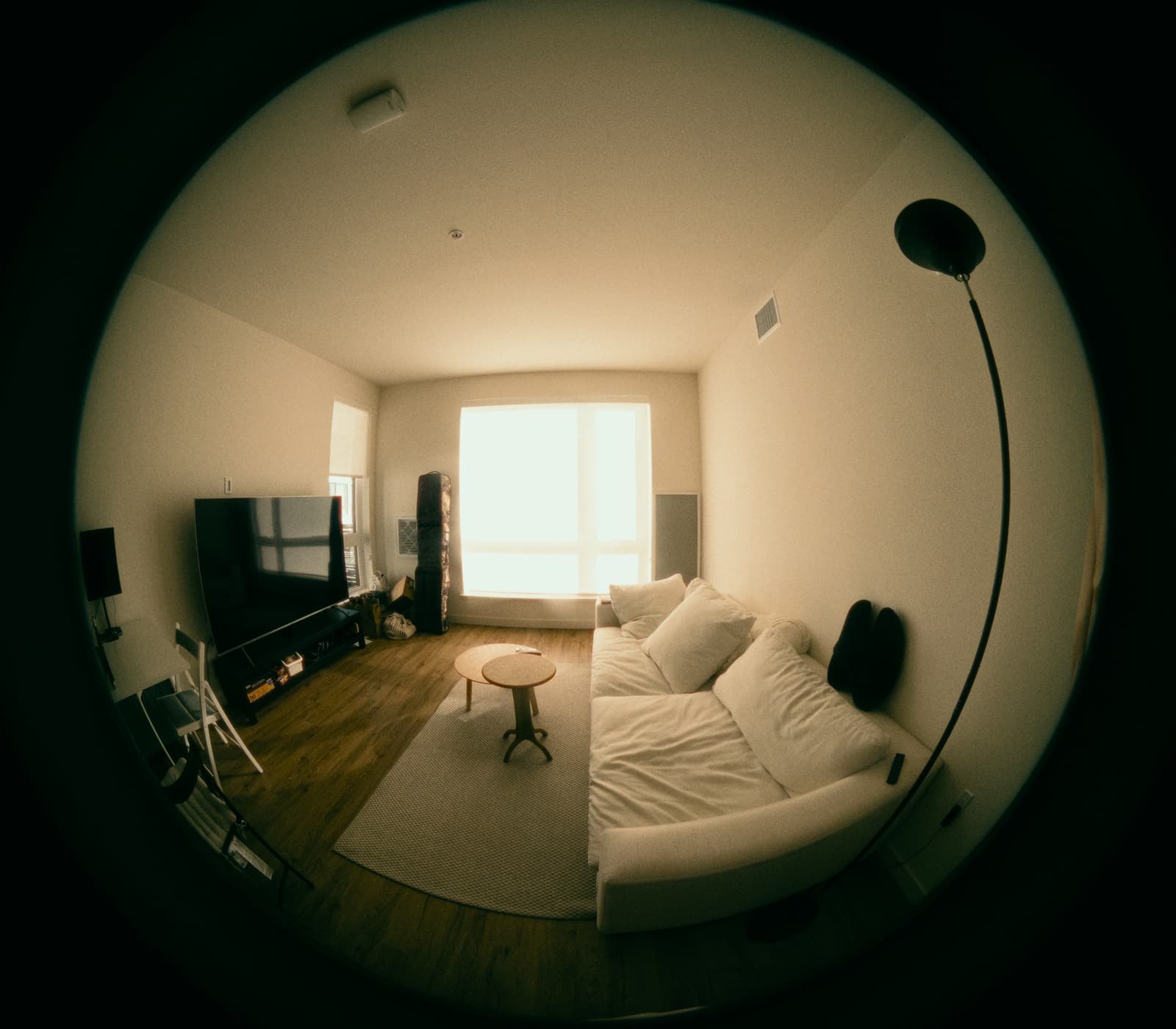
Wide interior listing photo by Zongnan Bao / Unsplash Unsplash License
Good film location listing photos do more than sell the prettiest corner. They answer production questions about space, light, access, support areas, limits and reset.
Film location photos have to do more than real estate photos. A production does not only need to know whether a room looks good. It needs to judge whether camera, lighting, sound, crew, vehicles, art department and schedule can work there.
The best listing shows the truth of the location: the strong looks, but also ceilings, windows, doors, access, parking, support areas, power points, restrictions and the details that otherwise create questions on shoot day.
Photos are often the first filter in location search. If they only show the prettiest corner, they create weak requests. If they show space, scale and use, a production can decide faster whether an inquiry or scout visit is worth it.
Film commissions and location databases ask for the same discipline. The California Film Commission asks for images that show as much visual information as possible about interior and exterior look. The Georgia Film Office says poor, staged, outdated or weather-affected photos may be rejected.
The same logic applies on SetScout: clearer photos make a location easier to understand and help productions form better requests. They do not replace a recce, but they reduce conversations that fail quickly because of access, light, space or house rules.
Each important room needs a short visual sequence. Start with a clean wide shot from a corner, then the reverse angle, then windows, ceiling, floor, doors and special features. Productions need to understand where camera, light and crew could stand.
Avoid a gallery made only of details. A lamp, sofa or counter can help, but only after orientation is clear. Close-ups sell mood. Wide shots sell feasibility.
For apartments, houses and offices, the main rooms should be individually readable. For restaurants, hotels, shops and warehouses, movement paths, support areas and the line between guest areas, work areas and restricted areas matter too.
A strong listing works like a first scout visit. It does not show everything, but it shows the right things in the right order: look and scale first, then shootability, then logistics.
Wide photos help because productions need to read dimensions. They should not make the room look artificially bigger. If an extreme lens bends walls or changes distances, it creates wrong expectations for the scout visit.
A better set is honest: one wide overview, one normal eye-level perspective and one or two directions from possible camera positions. If a room is small, let it look small. That saves time for everyone.
Light is a production decision. A room can be soft in the morning, harsh at noon and unusable in the evening. When possible, show daylight, window sides, practical lights, blackout options, curtains, shutters and strong reflections.
If a room only works at certain times, say so in the description and photos. A bright summer image is not enough if the shoot will happen in winter after 4 p.m. and the location looks different then.
The most useful photos are often not the prettiest. Loading bay, stairwell, elevator, corridor, back entrance, fuse box, bathroom, waste area and parking can decide whether a crew can work cleanly.
San Antonio Film Commission gives a simple instruction for location submissions: take multiple photos from multiple angles, think wide shots and avoid a gallery built only from details. That mindset fits private and commercial location listings too.
If you do not want every logistics photo public, keep some available for qualified inquiries. For first filtering, enough logistics imagery should still be visible for productions to judge effort.
Hiding weaknesses creates the wrong requests. Show low ceilings, tight stairs, sensitive floors, exposed neighbors, noisy roads, narrow load-in and rooms that cannot be used. Productions can work around limits when they know them early.
The same applies to items that need reset or clearance before filming: private photos, art, customer data, logos, stock, sensitive equipment or personal documents. A listing does not need every detail, but it should make clear where reset, cover-up or approval is needed.
Location photos age quickly. Gardens, terraces, construction, facades, shop windows, furniture, wall color and neighboring buildings can change. If the photos no longer match the location, they attract the wrong requests.
A practical rhythm: update photos after major changes, review exterior areas once per season and remove old images when they show a condition you can no longer offer.
Good images need good description. Google recommends high-quality, clear images with descriptive filenames, titles and alt text. W3C also distinguishes decorative images from informative images: if an image carries information, that information should be available in text.
For a listing, do not stop at IMG_4821. Better names are loft-berlin-living-room-window-wall, cafe-back-entrance-loading-zone or factory-hall-roller-door-inside. That helps people and systems understand the images.
This list is a useful baseline for apartments, houses, offices, restaurants, hotels, shops and warehouses. Special locations need extra images for machines, water, roof access, gardens, animals, safety or neighbors.
SetScout connects location search with host-managed listings and visual shortlisting. Good images help productions understand a location faster, review search results more carefully and send better requests.
The right next step is not a perfect lifestyle shoot. Build an honest, complete image set that a production can share internally: look, space, access, support areas, limits and current condition.
Simple locations often work with 15 to 25 good photos. Larger houses, hotels, restaurants or warehouses need more. The number matters less than showing every relevant room, access route and logistics point clearly.
Professional photos can help, but they are not required. Productions value clear, current and honest images more than heavily styled real estate shots. Good smartphone photos in clean light beat over-edited images.
Yes, when those areas affect filming. Loading paths, support rooms, power, bathrooms and restricted areas are rarely beautiful, but they prevent wrong expectations and help productions plan.
Do not publish sensitive documents, private family photos, customer data, security codes, unnecessary license plates or areas you are not allowed to show. You can anonymize these points or explain them only to qualified inquiries.
More posts you might be interested in
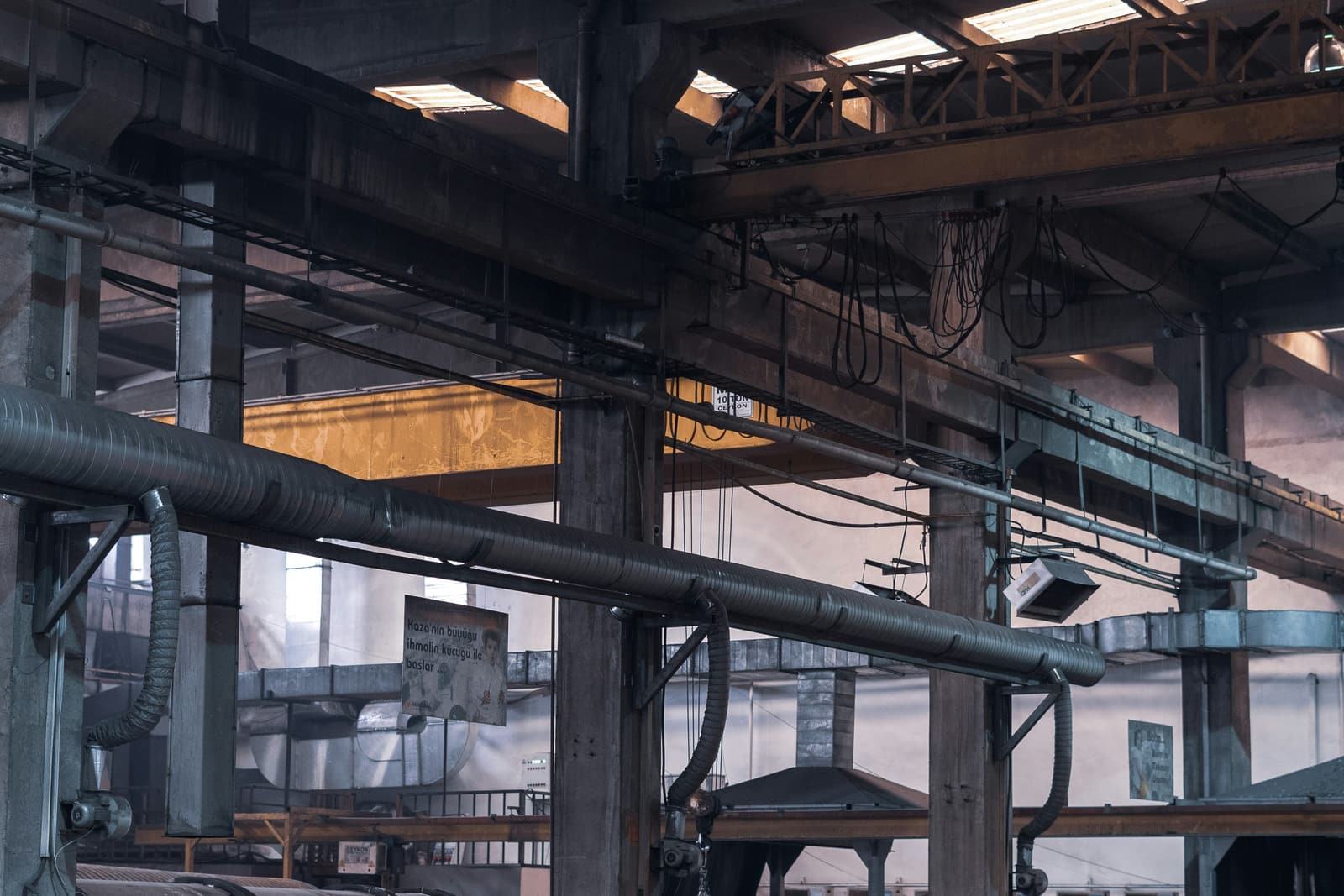
Industrial interior location by Ümit Yıldırım / Unsplash Unsplash License
Searching film locations by motif works best when each category is briefed with look, era, rooms, logistics, rights and hidden constraints.
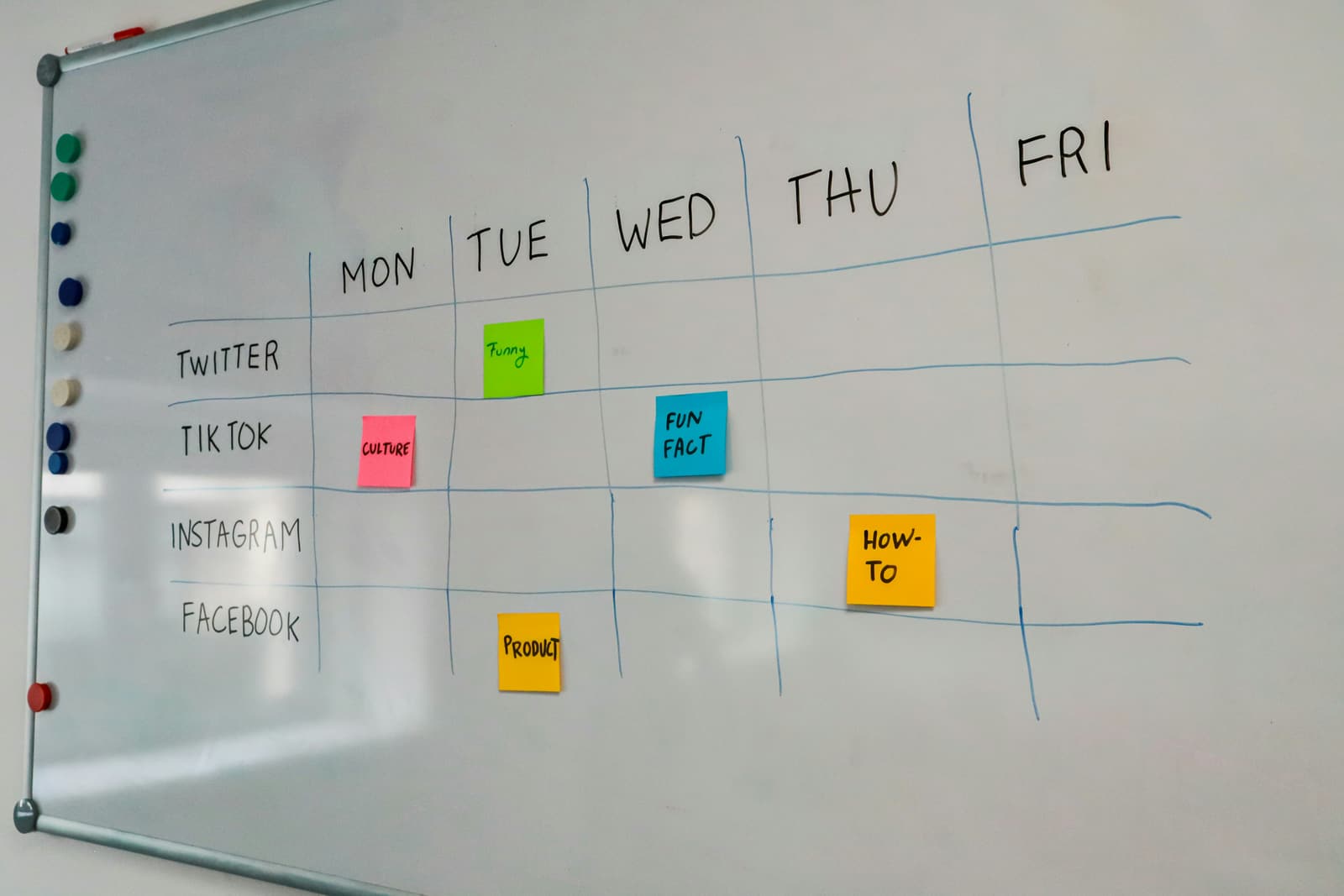
Production planning board by Walls.io / Unsplash Unsplash License
Production schedule templates, shot lists and storyboards help location planning only when they expose rooms, access, light, sound, permits and recce risks.
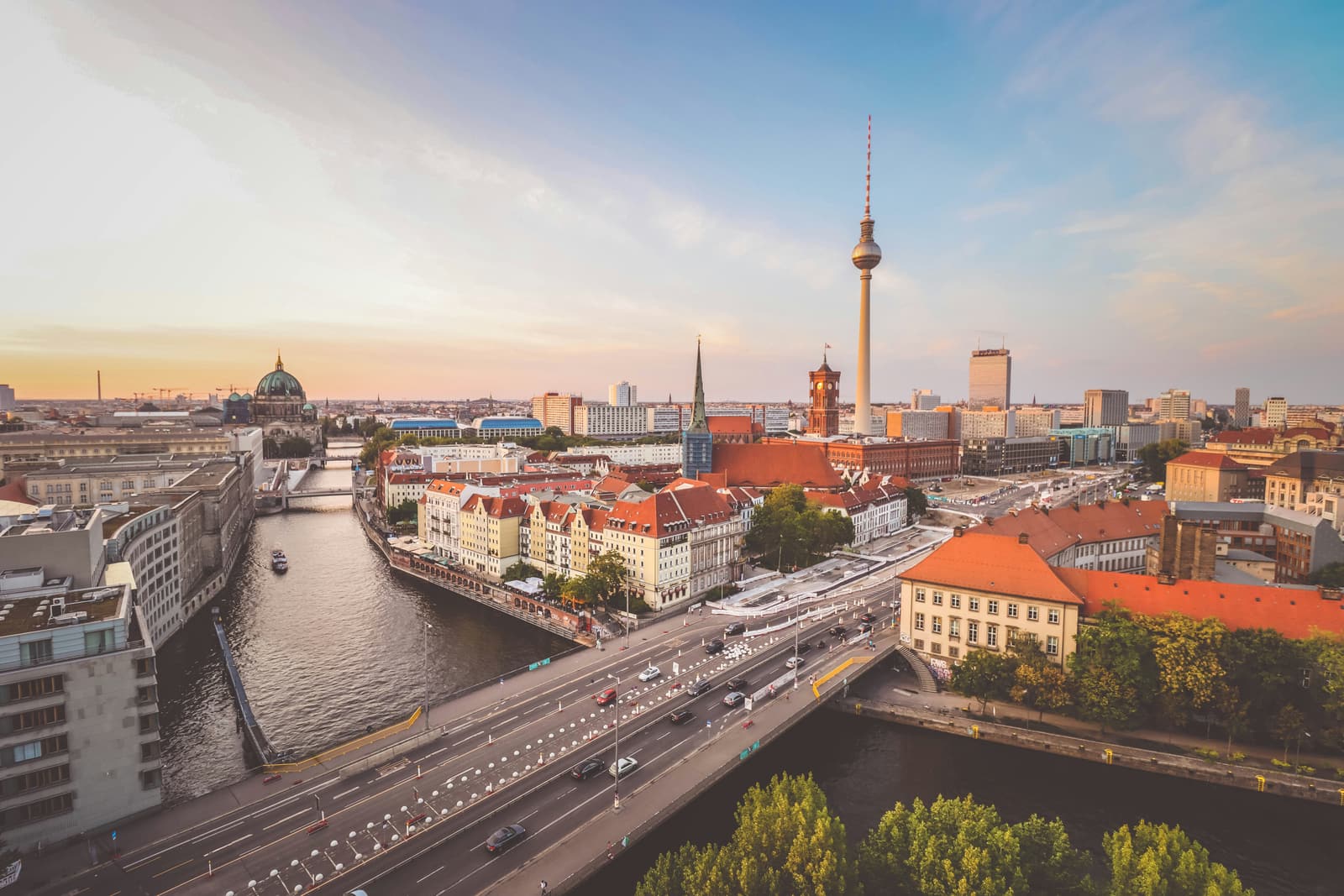
German city skyline by Florian Wehde / Unsplash Unsplash License
A practical comparison of Germany’s production hubs: Berlin, Hamburg, Cologne, Munich and Rhine-Ruhr by look, permits, crew base, transport, seasonality and private-location search.
