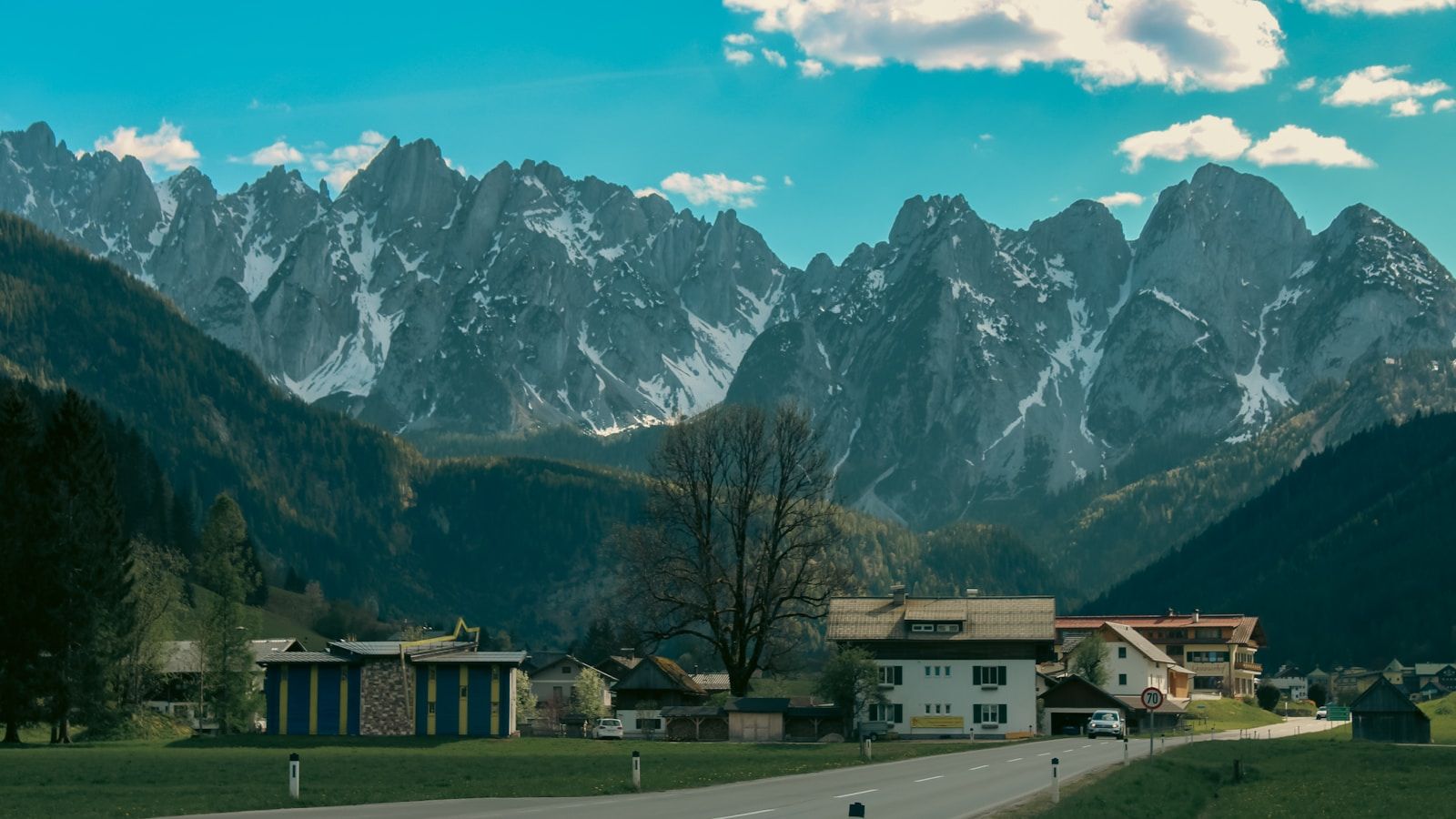
Photo by Arjun Raj on Unsplash by Arjun Raj Unsplash License
When Switzerland or South Tyrol make sense as film locations, and when German alternatives are simpler for productions.
A film location in Switzerland or South Tyrol can be attractive for German productions when the Alpine look, modern architecture, multilingual teams or a specific region are central to the story. It is rarely the simplest option. Border logistics, equipment, local authorities, travel time and insurance have to justify the look.
This comparison is for German-speaking producers considering Alpine or cross-border alternatives. Start with nearby German options via SetScout locations, the Bavaria film locations hub and the guide to film locations in Munich and Bavaria.
Switzerland and South Tyrol make sense when the Alpine or regional identity must be visible on screen. If the brief only needs mountains, lakes, hotels or modern interiors, Bavaria and nearby German alternatives are often faster. Check proximity, access and production risk before the prestige of the region.
With a cross-border location, you compare more than images. You compare permits, local contacts, language, travel, equipment, crew, weather, insurance, accommodation and predictability. A location can fit the brief visually and still be the weaker production choice.
Use two questions: does the story truly need Switzerland or South Tyrol? And does the location save more build or search time than it adds through travel, customs, permits and local coordination?
Switzerland offers Alpine regions, lakes, rail and infrastructure motifs, modern architecture, banking and business worlds, premium hospitality and multilingual production environments. The Switzerland Film Commission connects regional film commissions and contacts that can help with locations, local partners and production stays.
For German productions, Switzerland is strongest when the motif must clearly be Swiss: rail, high mountains, precise business environments, a specific city, tourism brand, region, architecture or a client with Swiss context.
Plan permits regionally. The Film Commission Zurich notes that additional permits may be required depending on the location in urban or public spaces; the Geneva Film Office presents itself as a one-stop contact for permits, logistics and local coordination in Geneva.
South Tyrol is useful when Alpine landscape, Italian and German-speaking culture, Dolomites, historic villages, modern hospitality or border-adjacent logistics meet in one brief. The IDM Film & Music Commission South Tyrol Location Database presents handpicked locations, while Filming in South Tyrol collects regional notes and services.
South Tyrol can feel accessible for German teams because German is widely used and many motifs feel culturally close. It is still a shoot in Italy: local responsibilities, regional rules, accommodation, travel, drones, protected areas and service providers need concrete checks.
For Switzerland, equipment is not just a production line item but a border issue. The Swiss Federal Office for Customs and Border Security describes the ATA Carnet as an international customs document for temporary import and export without additional national customs documents or sureties. Whether it fits your equipment has to be checked before travel is booked.
South Tyrol is usually simpler for German teams than a non-EU border crossing, but insurance, rental gear, drones, radio, vehicles, batteries, hazardous goods and local suppliers still need review. The more expensive or scarce the kit, the earlier logistics should be locked.
German alternatives are better when the Alpine look is generic, when the brief needs only modern interiors or when crew, client and timing are tight. Bavaria, Allgäu, Chiemgau, Black Forest, Harz, Erzgebirge or premium hospitality can often provide the same image function without border logistics.
Compare nearby options first: film locations in Germany, Bavaria film locations and regional guides such as Munich and Bavaria locations. Only move cross-border when those options do not carry the story.
If the region must be recognizable, Switzerland or South Tyrol may be worth it. If you need only Alps, lake, hotel, village or premium interior, German options may be enough.
Ask whether the location is actually available, supervised and production-ready. A strong database image does not solve access, weather, ownership, hours or on-site support.
Check public space, drones, roads, rail, protected landscapes, historic sites and large builds. Do not rely on national assumptions. Local contacts are the faster route.
Compare travel time, accommodation, vehicles, parking, equipment, customs, batteries, radio, data handoff, local crew, weather buffers and return travel. Cross-border is rarely only a location question.
Measure the added cost against the image value. If the region will not be visible or strategically meaningful in the final film, a closer solution is often the stronger production decision.
Share motif, region, scenes, crew size, vehicles, equipment list, drone plans, public-space needs, dates, weather needs, sound requirements, local crew, accommodation, client windows, insurance and whether the brief needs authenticity or only an Alpine look.
Search Germany first for locations that deliver the same image value. Use SetScout for nearby production locations, then decide whether Switzerland or South Tyrol truly deserves the extra coordination.
More posts you might be interested in
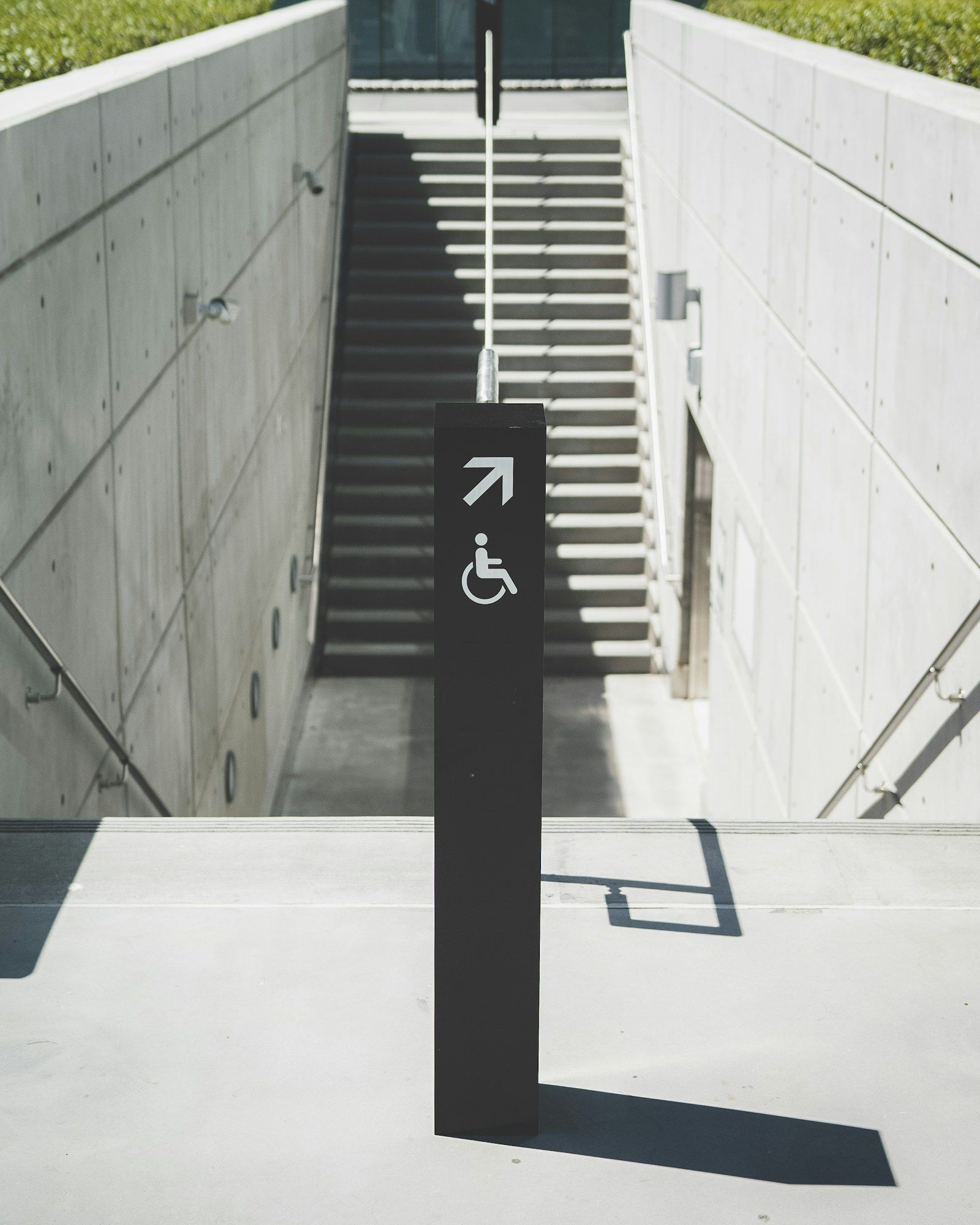
Photo by Joey Banks on Unsplash by Joey Banks Unsplash License
A practical access planning guide for productions and hosts documenting real routes, bathrooms, ramps, holding and limitations before booking.
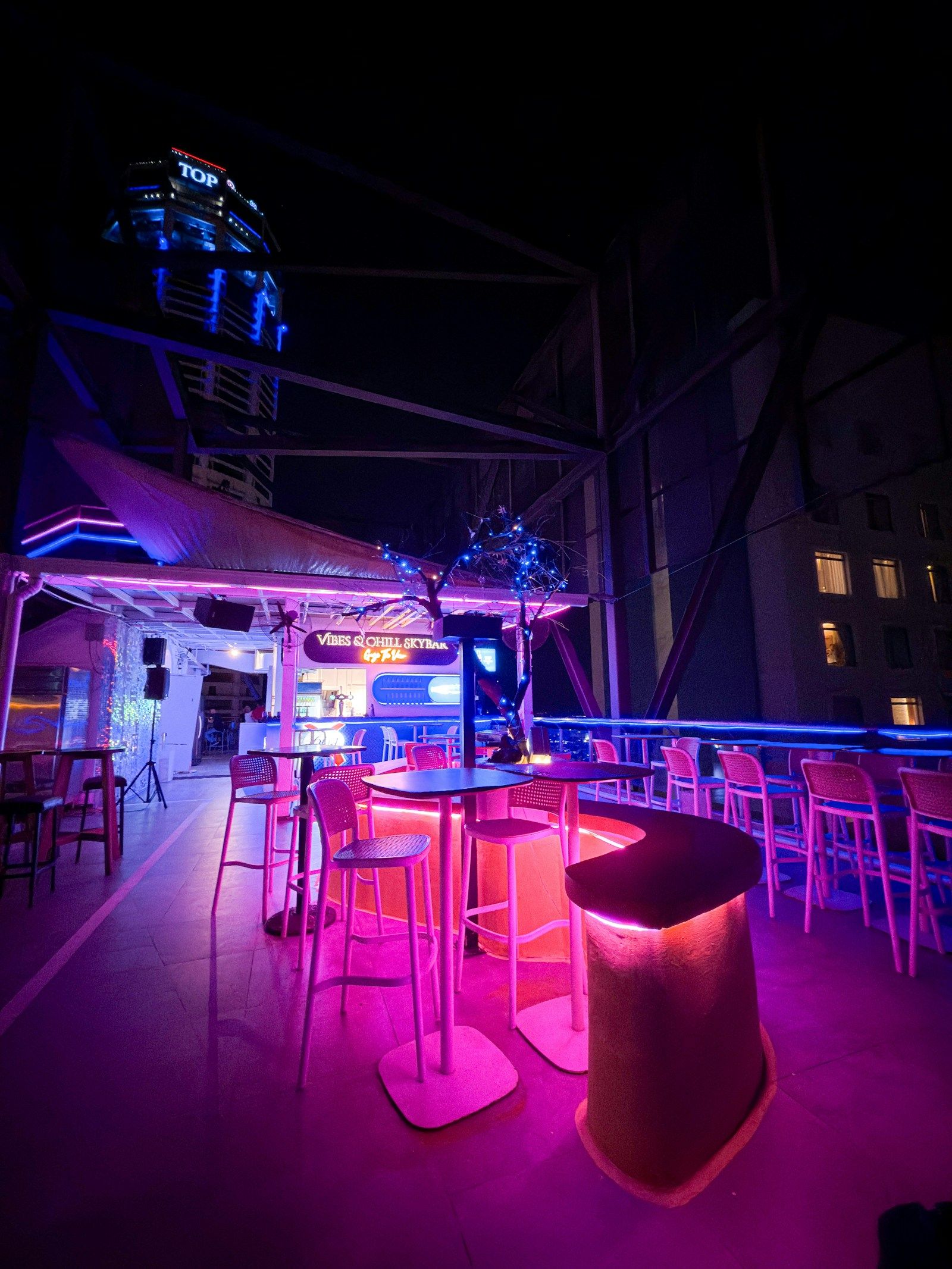
Photo by Ryan Liu on Unsplash by Ryan Liu Unsplash License
How productions should prepare bar, club and nightclub locations for music videos, fashion, commercials and nightlife content.
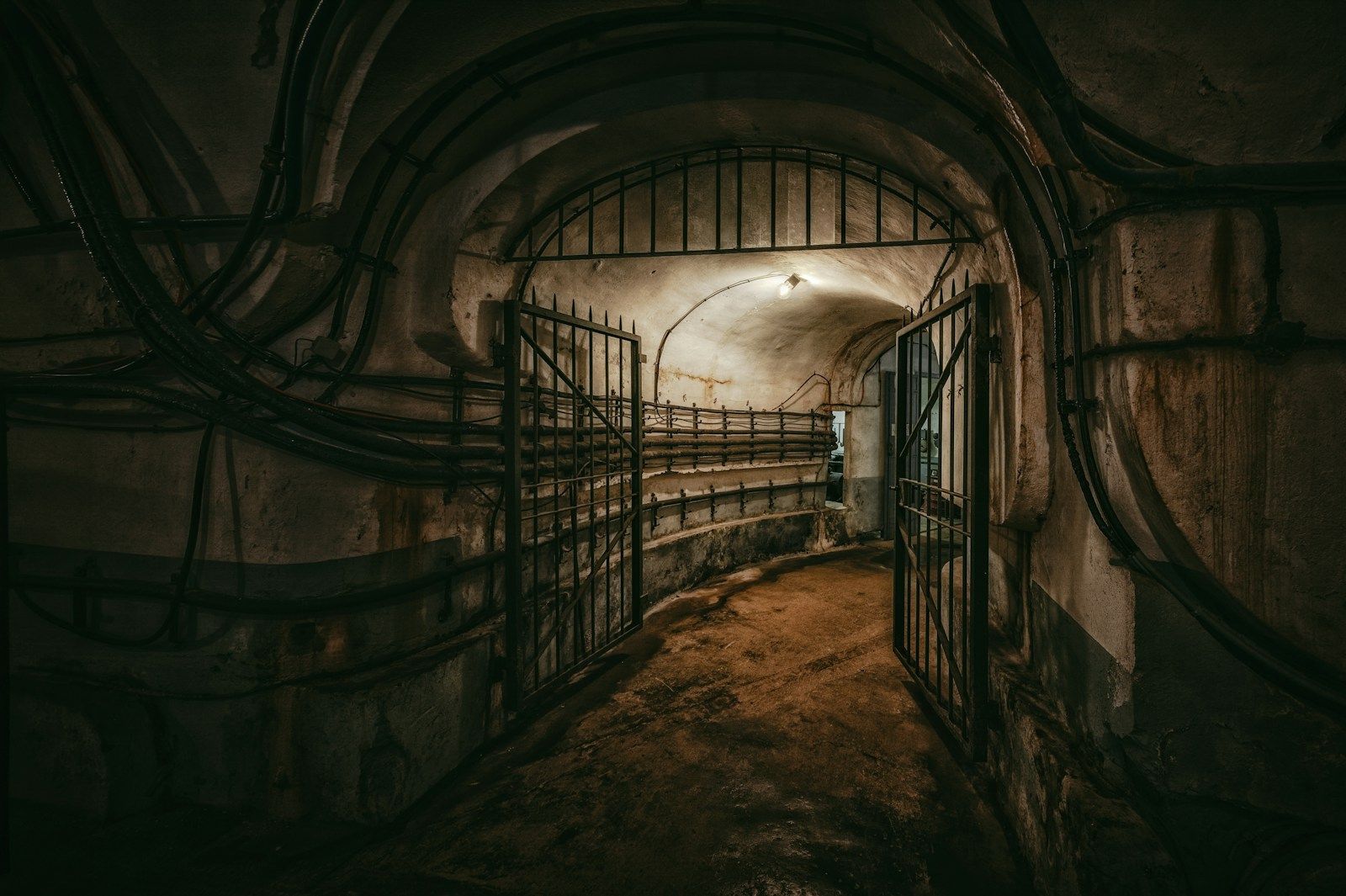
Photo by Peter Herrmann on Unsplash by Peter Herrmann Unsplash License
How productions should assess bunker, lost-place and special-motif locations without creating legal or safety risk.
