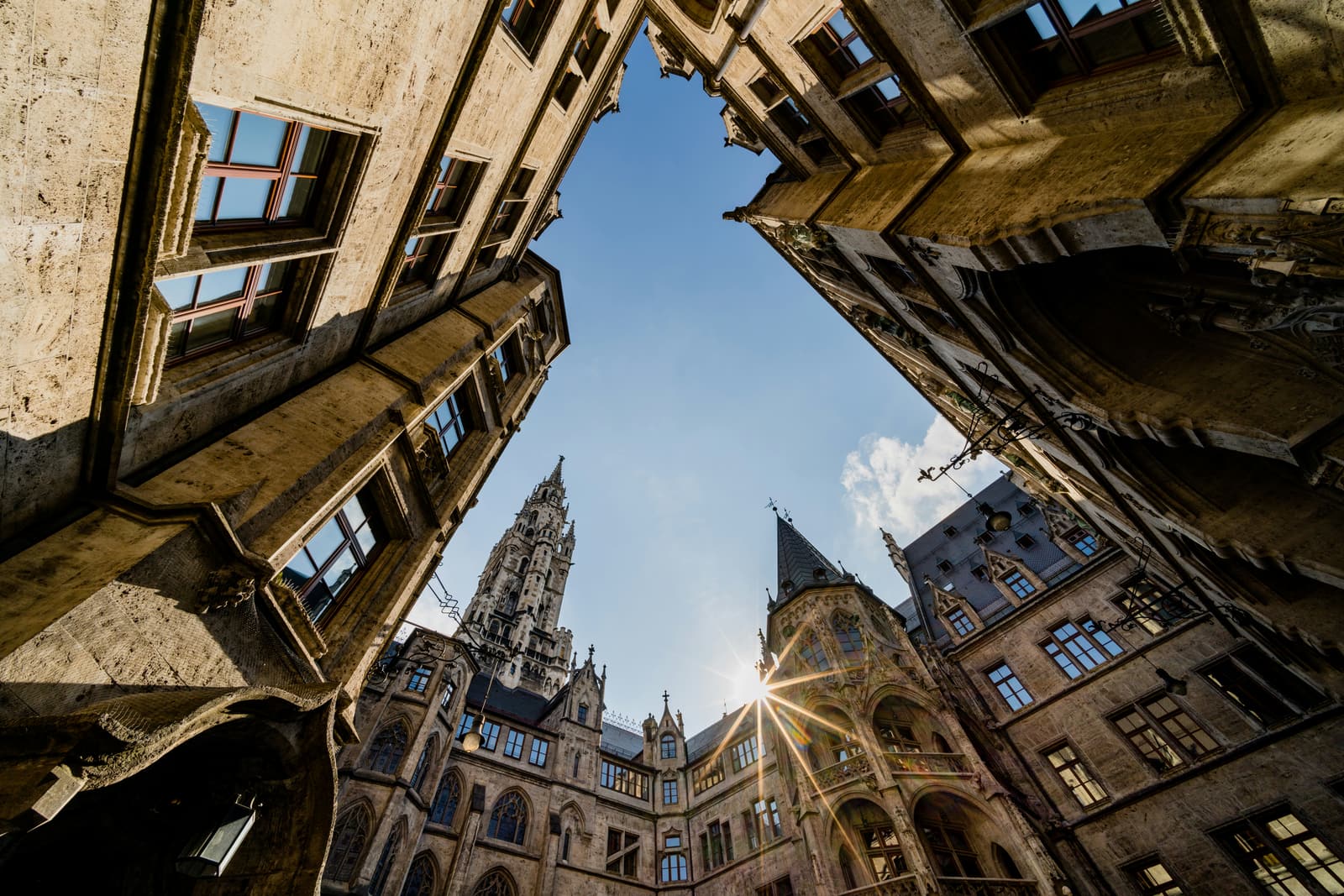
Munich architecture by Daniel Seßler / Unsplash Unsplash License
How productions can find and evaluate film locations in Munich: city motifs, private locations, permits, parking, load-in, historic sites, studios and Bavaria alternatives.
The best way to find film locations in Munich is to treat the city as more than a polished backdrop. Munich is strong for premium interiors, corporate looks, hotels, villas, older apartments, studios, historic motifs and quick routes into Upper Bavaria. In practice, the decision often comes down to public space, parking, load-in, house rules, neighbors and the permit route.
The right workflow is simple: define the function of the location first, compare city and regional options in parallel, ask permit questions early, and take only shootable options into the recce.
Munich works well for productions that need premium character, order, architecture and business credibility. That includes modern apartments, older buildings, villas, agencies, law firms, insurers, hotels, restaurants, clinics, museums, studios and carefully maintained exterior spaces.
The city is less forgiving when the shoot needs heavy public-space use, loud scripted scenes, large vehicles, structures, drones, night work or spontaneous changes. That is why the first shortlist should not be ranked by image alone.
Munich distinguishes between low-effort filming on public traffic areas and more involved shoots. According to the City of Munich, low-effort filming on public road land does not require a filming permit only if all listed conditions are met: use only sidewalks or pedestrian zones, keep pedestrian traffic unobstructed, use only small portable equipment, avoid extra structures, keep the on-site group to no more than five people, and avoid scripted scenes that affect public safety or the public sense of safety.
Once those limits are exceeded, the question becomes specific. Camera drones, cables, generators, lights, chairs, rolling cases, larger teams, staged action or meaningful public-space use can trigger a Servicebüro Film process. Public parks, cemeteries and municipal properties have their own approval routes.
If the motif depends on Marienplatz logic, a pedestrian zone, street, sidewalk, park, the Isar, a market, tram, U-Bahn or public building frontage, the use question is part of the location. Do not wait until final booking to ask whether a light stand, no-stopping zone or rolling case changes the situation.
The practical question is: can the team work quietly and mobile, or does the shoot create a setup? The closer you get to structures, closures, vehicles, lights, sound control or public guidance, the earlier the permit check belongs in location search.
Private apartments, houses, offices, hotels, restaurants and studios can be more efficient than public exterior space when the person with authority to approve is clear. They still require checks for house rules, neighbors, arrival, loading zones, lifts, support areas, insurance, cleaning and reset work.
Ask early: who can approve the shoot, which rooms are off limits, how many people are allowed, when can setup begin, where do vehicles go, and how are overtime, damage and noise handled? A beautiful Munich apartment is a strong location only if it can carry the production practically.
Munich and Bavaria are rich in historic motifs, but those places are rarely spontaneous bookings. The Bavarian Palace Administration requires written permission in advance for filming in or around its buildings, gardens and lakes, and asks for applications at least ten working days before filming. For very complex productions, it says at least four weeks should be planned.
That is a useful rule of thumb for the wider region: the more managed, protected, public or tourist-sensitive a place is, the earlier the request belongs in the schedule. For the shortlist, historic quality deserves a high score only if the approval path and restrictions look realistic.
Film Commission Bayern describes itself as the first point of information and contact for national and international productions, supporting location search, complex filming permits, regional contacts and service-provider networks. That becomes important when a Munich search radius expands toward lakes, the Alps, castles, villages, industry or rural roads.
Bavaria can provide a look that Munich itself cannot show credibly or quietly enough. The tradeoff is travel, basecamp, weather cover, hotels, shuttles, local contacts and return times. The advantage exists only if the schedule treats those movements seriously.
Munich can become expensive through location fees, parking, special use and tight time windows. Bavaria alternatives can become expensive through travel, accommodation, transport and extra scheduling even when the location itself seems cheaper. Do not compare day rate with day rate only.
A useful cost check separates location fee, permit path and conditions, vehicle and loading needs, movement time, overtime risk, catering, equipment and plan B. The more economical location is the one that makes the shoot day more stable.
SetScout helps as the first comparison layer for private and production-oriented motifs. You can pre-sort Munich places by look and shootability, bundle options for the team and client, and then focus legal, logistical or authority questions on the strongest candidates.
Start with /en/filmlocations/muenchen for Munich motifs, use /en/location-scouting/muenchen for scouting and workflow questions, and check studios through /en/drehorte/muenchen/fotostudio-mieten or related studio searches.
No, but only if Munich's narrow low-effort conditions are fully met. These include small portable equipment, no more than five people, unobstructed pedestrian traffic and no additional structures. Once the shoot goes beyond that, check the permit route.
Private locations are better when look, approval, access, support spaces, house rules and reset work can be clarified cleanly. They are especially useful for interiors, interviews, commercials, photo shoots and small crews, but they still require checks for neighbors, insurance and public-space use outside.
Search outside Munich when the scene needs a lake, Alps, country road, palace, farm, industrial site, large exterior space or less surrounding pressure. Check travel time, basecamp, weather, hotels, local responsibility and return travel as carefully as the look.
Official bodies help most with complex permits, historic or public motifs, regional contacts and productions with a larger footprint. For private locations and fast shortlists, a platform can show practical booking options in parallel.
Build a Munich shortlist with three columns: image value, permit risk and shootability. If a location holds up in all three, it is worth a request or recce. If it only looks good, it is not yet a reliable film location.
More posts you might be interested in
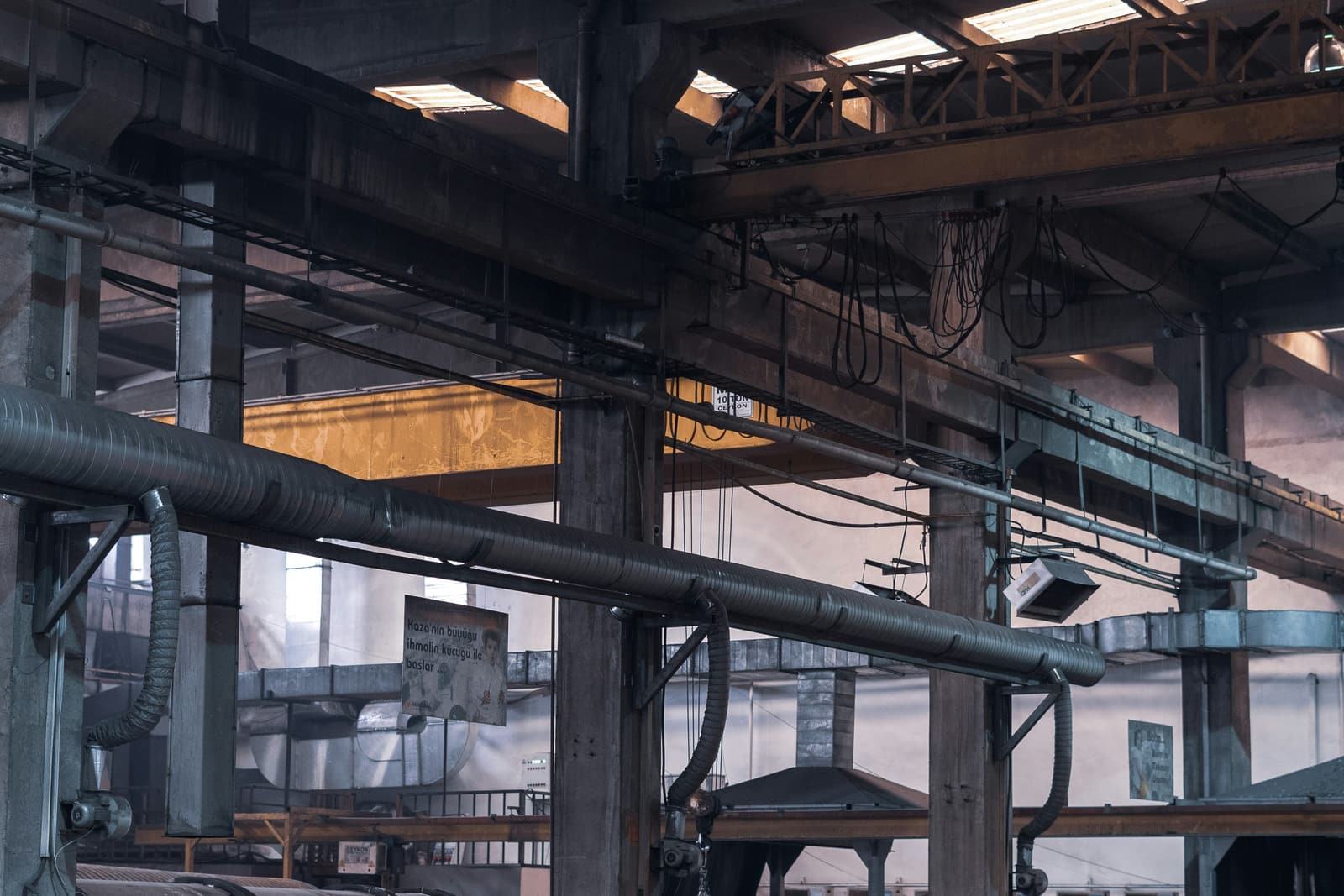
Industrial interior location by Ümit Yıldırım / Unsplash Unsplash License
Searching film locations by motif works best when each category is briefed with look, era, rooms, logistics, rights and hidden constraints.
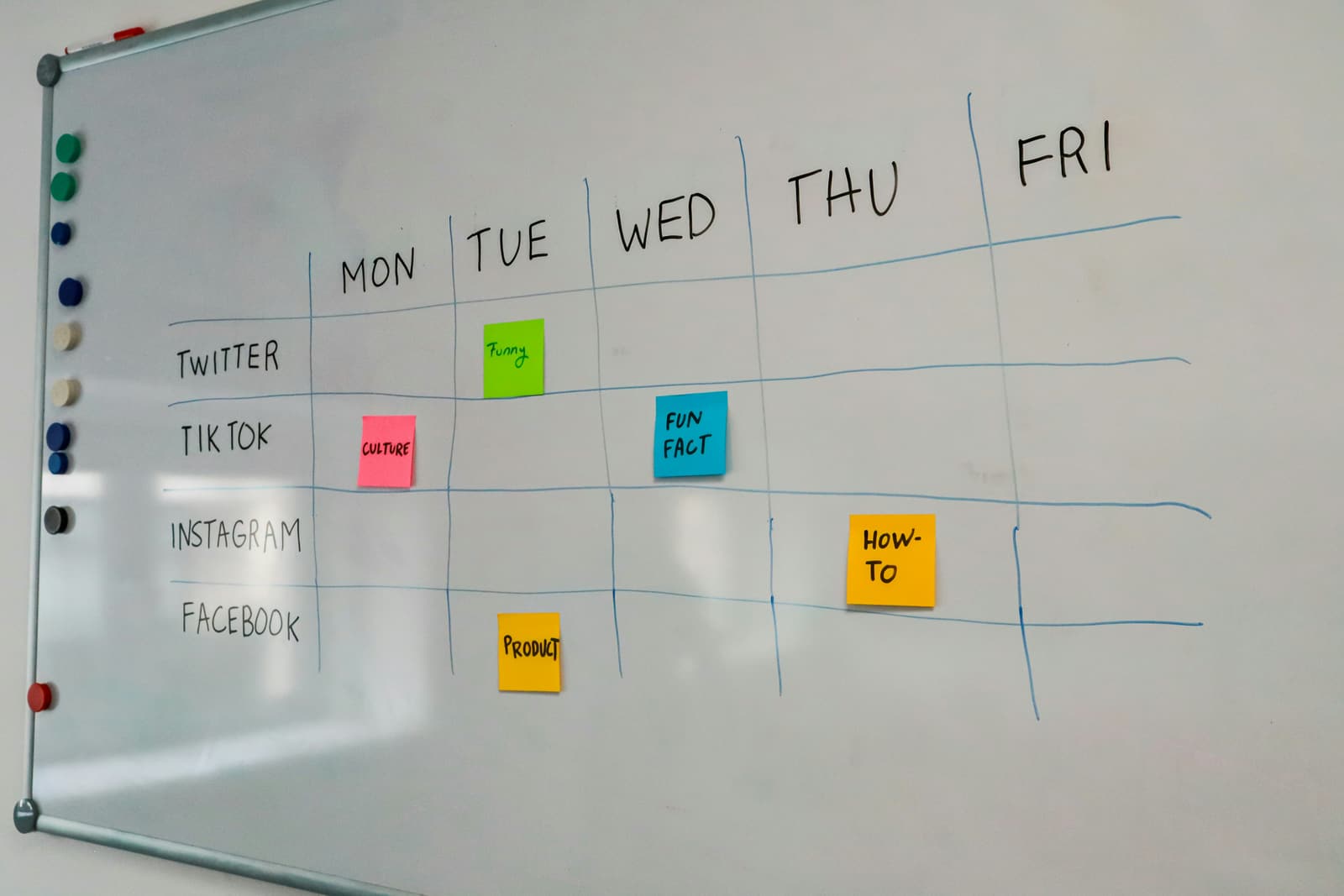
Production planning board by Walls.io / Unsplash Unsplash License
Production schedule templates, shot lists and storyboards help location planning only when they expose rooms, access, light, sound, permits and recce risks.
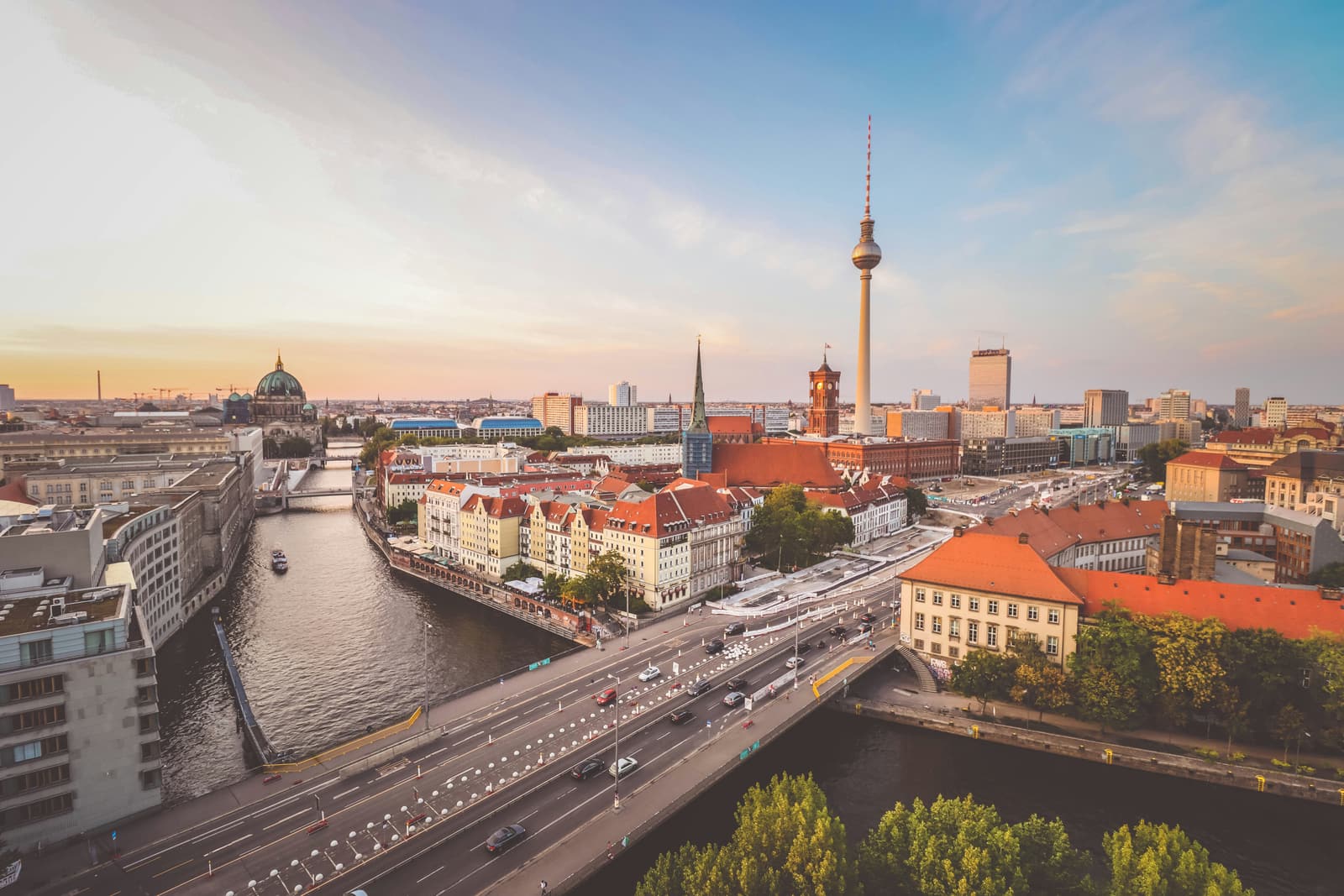
German city skyline by Florian Wehde / Unsplash Unsplash License
A practical comparison of Germany’s production hubs: Berlin, Hamburg, Cologne, Munich and Rhine-Ruhr by look, permits, crew base, transport, seasonality and private-location search.
