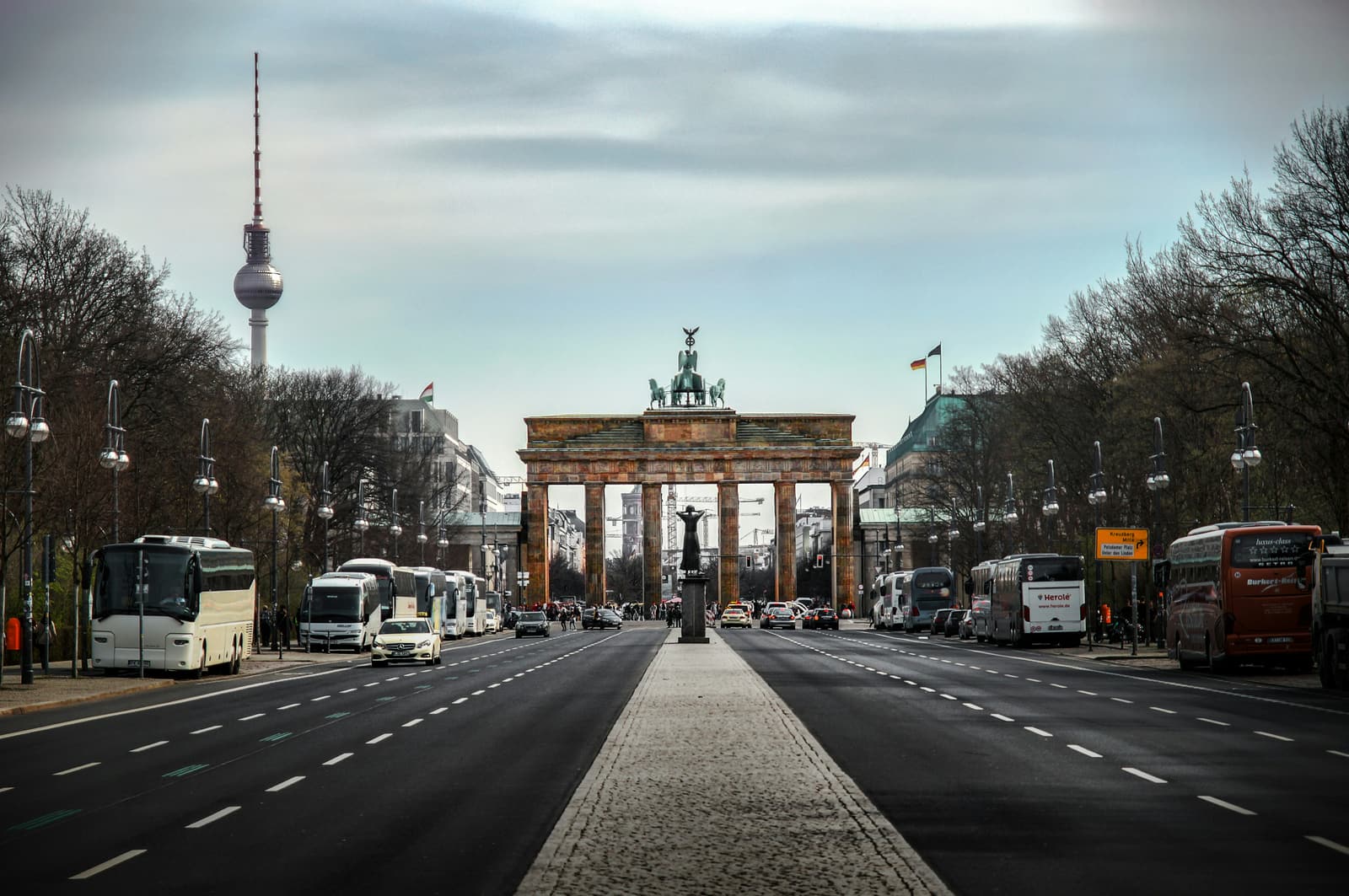
Brandenburg Gate in Berlin by Ansgar Scheffold / Unsplash Unsplash License
Berlin offers official databases, private interiors, studios and commercial spaces. This guide shows how production teams should check prices, permits and practical options.
Film locations in Berlin are easy to discover, but not every good-looking option is shootable. The real decision depends on motif type, ownership, permit path, access, parking, sound, neighbours, price logic and whether the location can actually be controlled on the shoot day.
For production teams, Berlin is not a choice between the official database and private locations. A strong shortlist combines official research, private and commercial alternatives, controlled studio options and an early check of when street land or other public areas are involved.
The right Berlin location depends on the risk profile of the scene. A controlled studio interview needs different criteria from a period-apartment hallway, restaurant, rooftop, street corner, corner-shop look or industrial hall with vehicles and night work.
Start with a motif class, not the word Berlin. Apartment, office, shop, restaurant, studio, loft, hall, courtyard, rooftop, exterior motif and public area each have a different pricing and permit logic.
The BBFC Cloud is the official location database for Berlin and Brandenburg and is aimed at film, TV and commercial productions. It is a useful starting point when you need motifs, institutions, public contacts or regional looks (BBFC Cloud).
A database does not replace production review. You still need to know who can approve the shoot, whether the images are current, which areas can be used, whether neighbours or property managers must consent and whether the location works for crew, sound, light, parking and reset.
Private apartments, houses, lofts and ateliers often provide the lived-in Berlin look that studios struggle to recreate: period interiors, patina, books, plants, narrow kitchens, courtyards, roof terraces, creative workspaces and believable homes.
Private does not automatically mean simple. The BBFC notes that filming on private property and in private or public facilities requires approval, generally from the owner or responsible body. Tenants and ownership communities can add further consent requirements (BBFC private locations).
Studios, rental studios, offices, showrooms, restaurants, storage spaces and industrial halls are often stronger when production needs predictable infrastructure. Power, load-in, support rooms, minimum booking, house rules, noise windows and contacts are usually clearer than in private apartments.
The tradeoff is visual. A studio gives control, but not always Berlin character. A real commercial space or apartment gives texture, but needs closer review of operations, neighbours, insurance, reset and time pressure.
There is no single Berlin price for private or commercial film locations. A small interview, social shoot, commercial with a client team and recurring series location with dressing all place very different demands on the same address.
When public roads, sidewalks, squares, parking areas or technical vehicles on street land are involved, the budget is no longer only location fee. Berlin’s public service page lists fees for filming-related special use at 60 to 1,500 euros per shooting area, plus 65 euros special-use fee per day and shoot or location. It also lists an average processing time of one month (Service Berlin).
The BBFC also separates general filming permission, special use and traffic orders. It states that the general filming permit is not itself a location-specific filming permit, but a basic requirement for certain traffic-law orders. For Berlin, the BBFC lists fees for that general filming permit as 50 euros for one day, 120 euros for 3 months, 200 euros for 6 months and 300 euros for 1 year (BBFC public streets and grounds).
Those figures are planning anchors, not a permit decision. Always verify the current district, scope, traffic impact, application route, insurance proof and deadline before locking call time, no-parking zones or public movement.
Berlin is dense. A location can look perfect and still fail because of load-in, holding, staircase, neighbours, construction, exterior noise or client-team space. Check logistics as early as the visual fit.
Every shortlist needs at least: address or search radius, floor, lift, load zone, parking, production rooms, bathrooms, internet, power, sound conditions, daylight, blackout, house rules, neighbours and an on-site contact for the shoot day.
Use the official database when you need institutional motifs, public contacts or regional special locations. Use a local scout when the motif, permit path, neighbours and negotiation are complex. Use a platform when you need to compare and inquire about private, commercial or studio-like options quickly.
In practice, the combination is often strongest: platform for the first shortlist, scout or production team for critical checks, official bodies for public areas and authority questions, recce for the final decision.
SetScout fits the first commercial shortlist. You can search film locations in Berlin by look and production requirement, compare shooting locations in Berlin for commercial and photo work, or plan a wider location scouting in Germany workflow when the brief may move beyond Berlin.
The best inquiry then separates the categories clearly: private location consent, public permit path, production logistics and what still needs to be decided on the recce.
There is no single price for private or commercial locations. Cost depends on use, duration, crew size, dressing, disruption risk, extra costs, exclusivity and buyout. Public special use and traffic measures follow separate official fees and procedures.
No, not every private interior needs a public filming permit. Consent from the entitled party is still required. Once public streets, sidewalks, parking areas, technical vehicles or traffic measures are involved, the permit route needs separate review.
Private locations often provide believable interiors, real Berlin texture and faster direct communication. The advantage only holds when ownership, house rules, neighbours, insurance, reset, sound and public side effects are clearly handled.
A studio is enough when control matters more than documentary texture: light, sound, set build, client team, repeatability and schedule. A real location is worth it when architecture, patina, neighbourhood or city feeling carry the image.
More posts you might be interested in
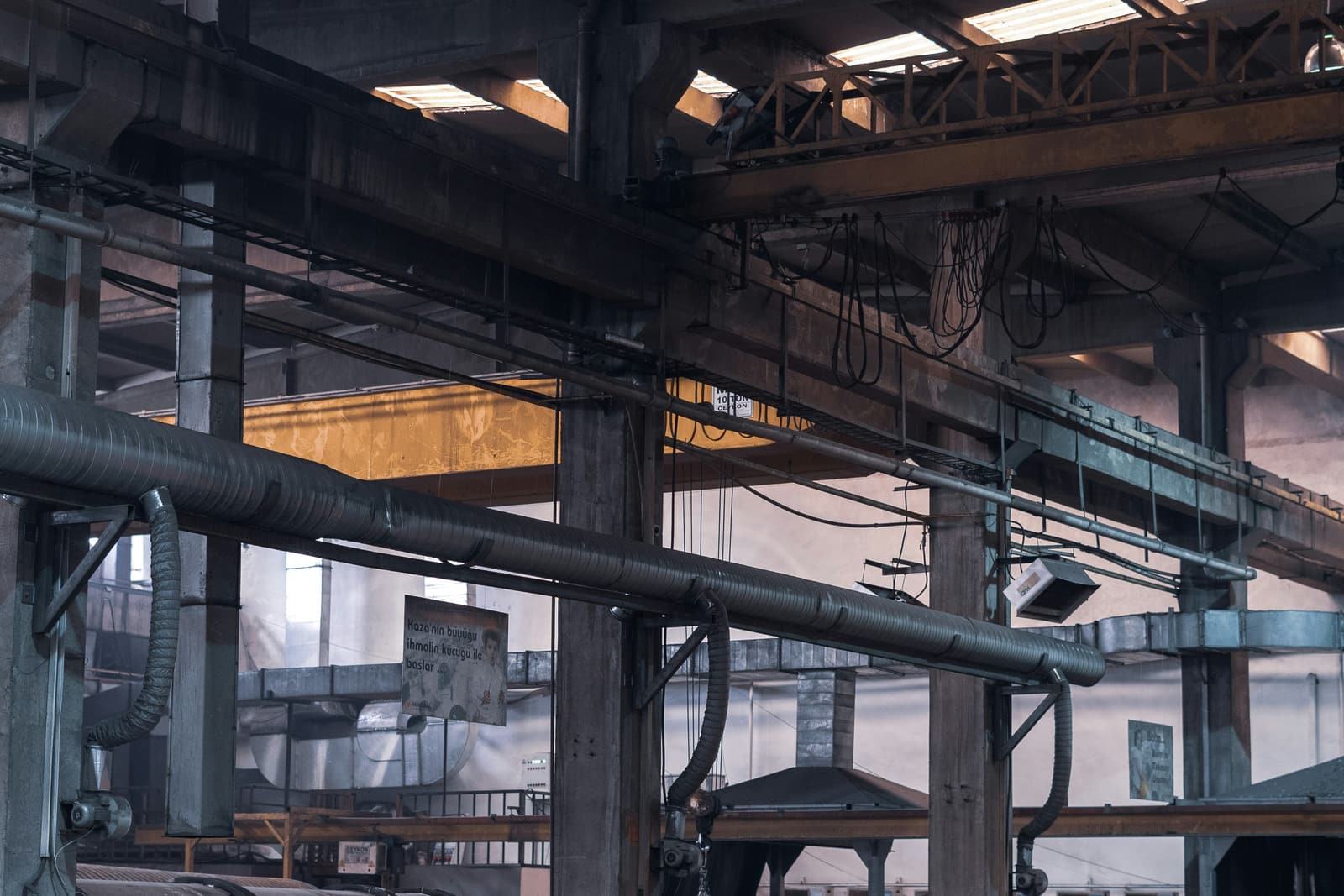
Industrial interior location by Ümit Yıldırım / Unsplash Unsplash License
Searching film locations by motif works best when each category is briefed with look, era, rooms, logistics, rights and hidden constraints.
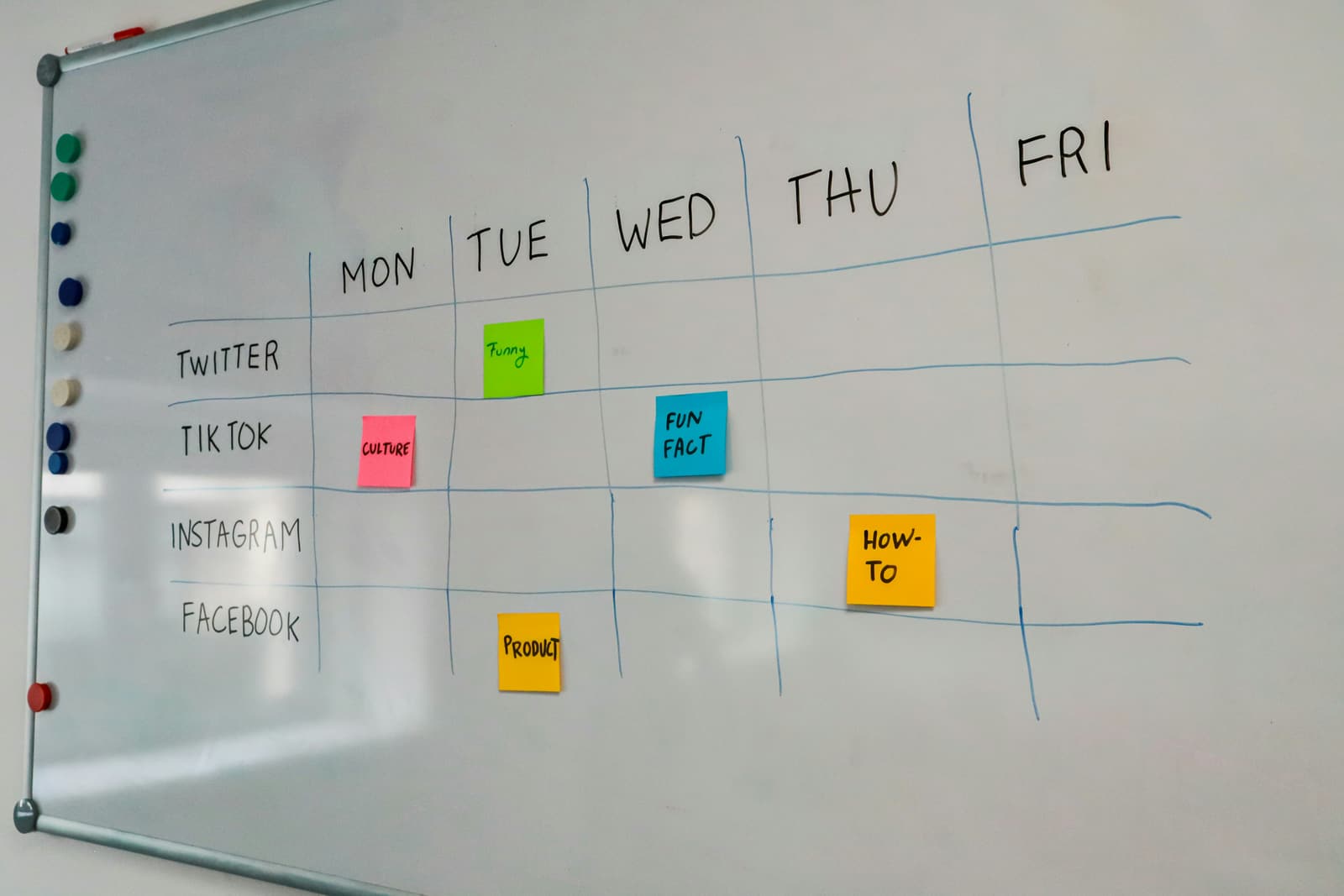
Production planning board by Walls.io / Unsplash Unsplash License
Production schedule templates, shot lists and storyboards help location planning only when they expose rooms, access, light, sound, permits and recce risks.
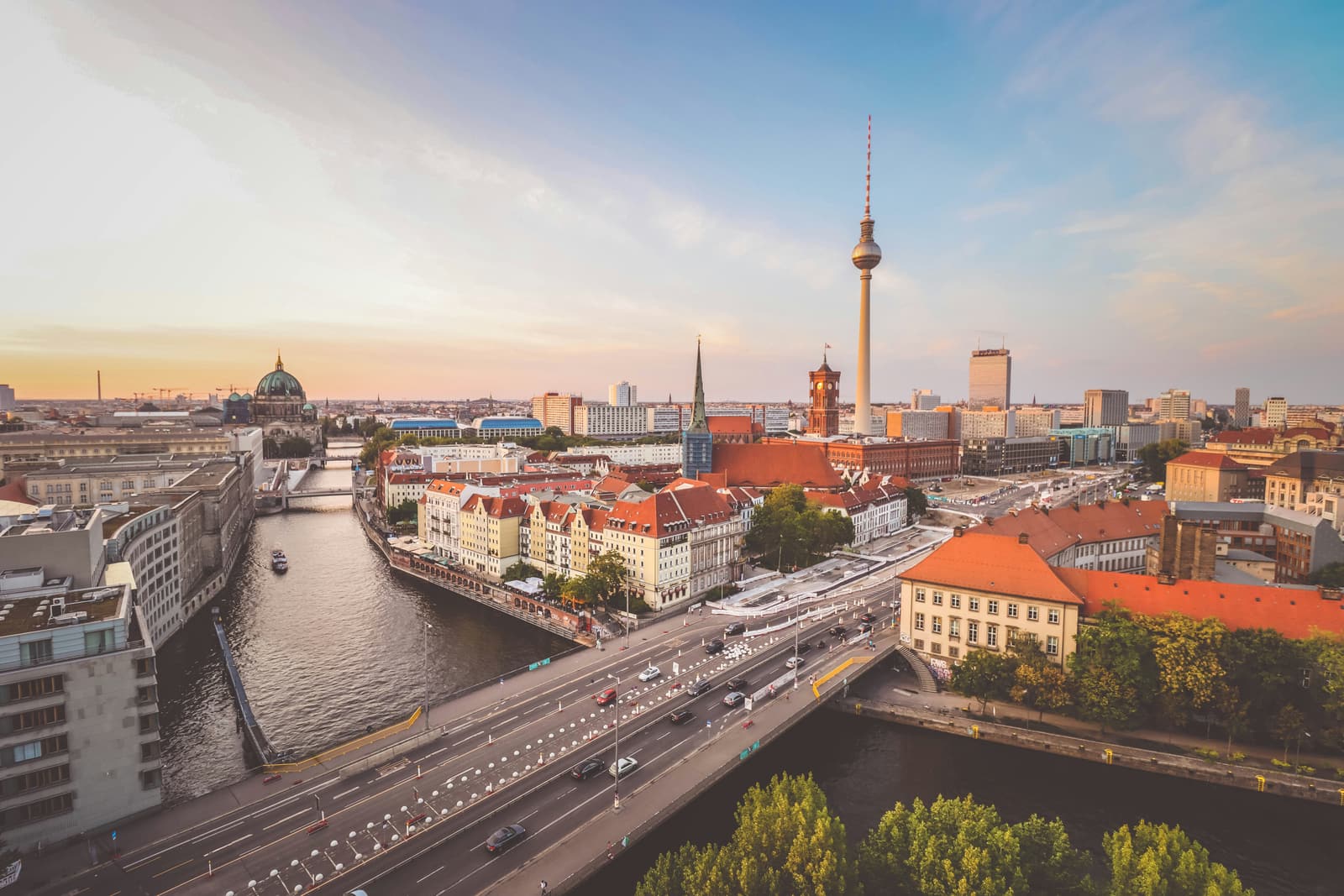
German city skyline by Florian Wehde / Unsplash Unsplash License
A practical comparison of Germany’s production hubs: Berlin, Hamburg, Cologne, Munich and Rhine-Ruhr by look, permits, crew base, transport, seasonality and private-location search.
