
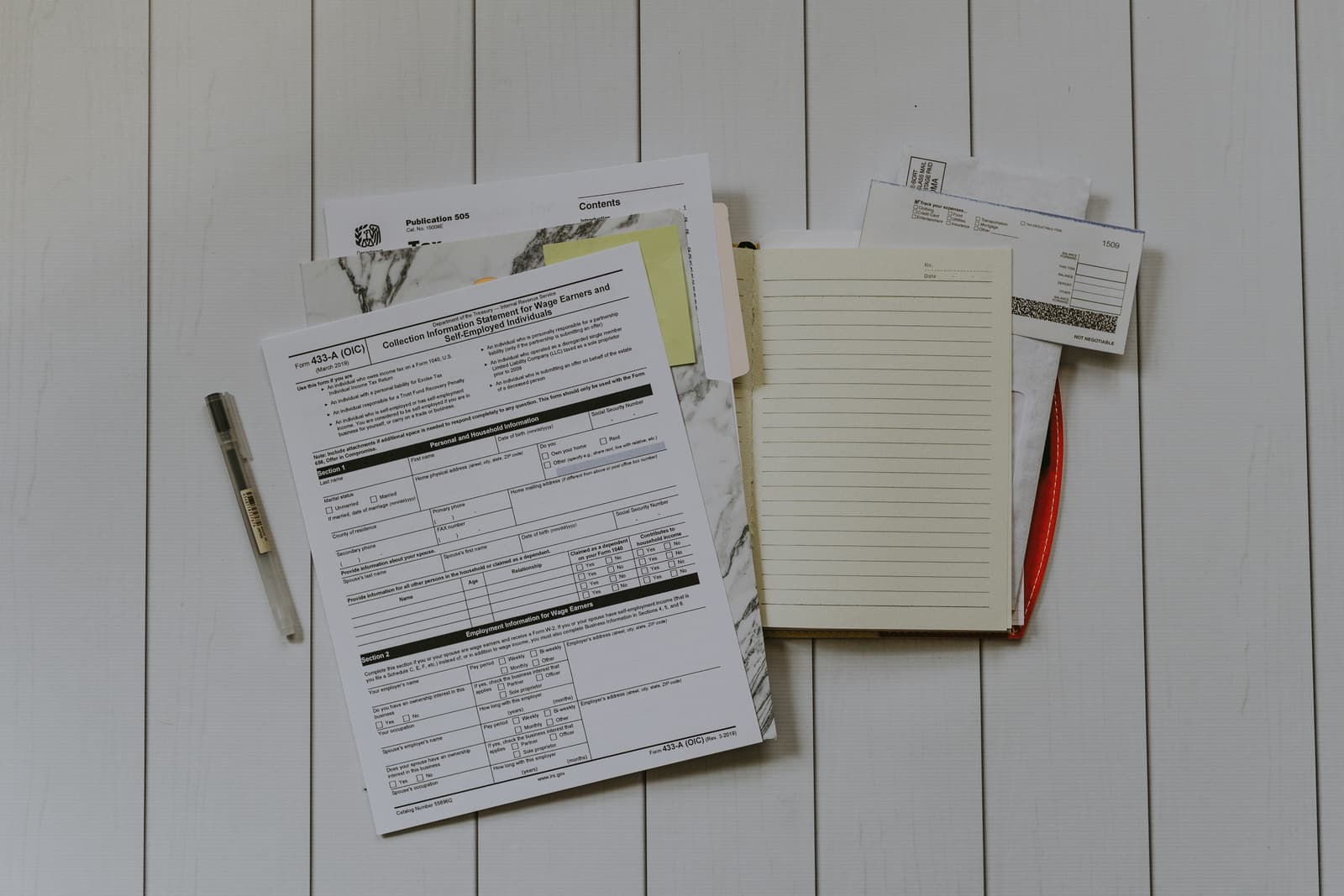
Stack of inspection papers by Kelly Sikkema / Unsplash Unsplash License
Damage on Set: Handover Records, Deposits, Photos and Reset
Damage at a film location is rarely solved by one contract sentence. Hosts and productions need before photos, protected areas, deposit terms, a reset plan and a clear post-shoot inspection process.
Damage at a film location is rarely dramatic. More often it is a floor scratch, a pressure mark on a wall, a lost key, a stained sofa, furniture returned to the wrong place, adhesive residue or a room that does not look the way it did before load-in.
The best protection is not suspicion. It is documentation. When condition, protection, deposit, reset and claim reporting are clear before the shoot, the host and production can review any issue after wrap without relying on memory.
Quick answer: set damage is handled before the shoot
- A handover record with photos or video is the main comparison point before and after the shoot.
- A deposit is not a penalty. It should secure specific, documented claims defined in the location agreement.
- Reset means furniture, props, protection, waste, tape, keys and temporary builds are returned and checked.
- Damage should be documented immediately, assigned carefully and reported through the agreed production and insurance chain.
Why set damage gets vague without a handover record
After a shoot day, people remember different details. Was that scratch already there? Was the table only moved or also damaged? Did the production cause the stain, or was it hidden under a rug before? Without a starting condition, a damage claim quickly turns into competing stories.
That matters because damage claims usually depend on concrete facts. In Germany, section 823 of the Civil Code names injury to property as one possible basis for liability. Section 249 describes the principle of restoring the state that would exist without the damaging event.
This is not legal advice for a specific case. The practical point is narrower: the better the condition, process and damage are documented, the easier it is to decide whether repair, replacement, deposit or insurance is the right path.
A handover record needs more than a signature
A useful handover record is a working document. It describes the condition before setup, names sensitive areas and records who accepts the location. It should not be created for the first time after wrap, when everyone is tired and the crew is already loading out.
- Date, time, responsible contacts and key status at handover.
- Photos or video of floors, walls, doors, stairwell, elevator, kitchen, bathroom, garden and access route.
- Existing damage, wear, loose parts, delicate surfaces and rooms that may not be used.
- Protection: felt pads, Ram Board, floor covering, door protection, edge protection, cable ramps and staging areas.
- Return time, post-shoot inspection, damage contact and deadline for later notices.
Photos are evidence only when they are systematic
Photos help only if the relevant surface can be identified later. Detail shots without context are hard to use. A better method is a fixed sequence: room view, critical surface, detail, protection measure and then the same angle after the shoot.
For high-value locations, add a short video walk-through. Say out loud what is visible: existing scratches, off-limits rooms, freshly painted walls, delicate counters, art, rugs, light switches, fixtures and exterior doors.
How to treat the deposit
A deposit can make sense when it secures named risks. It should not sit in the agreement as vague pressure. The location agreement should put amount, due date, holding method, release, partial release, offset rights and documentation duties in one place.
The practical distinction is between normal agreed use, agreed reset and compensable damage. A floor that needs cleaning after approved crew movement is not the same as a deep tripod scratch caused without protection.
Reset must be planned in concrete terms
Reset is more than tidying up. It is the controlled return of the location to the agreed condition. The more set dressing, furniture movement, food styling, wall dressing, cable routing or exterior use is planned, the more specific the reset plan should be.
- Who moves furniture back, and who confirms its position?
- Which tapes, screws, hooks, paint or protective materials are allowed?
- Who handles cleaning, waste, catering leftovers, wet areas and exterior spaces?
- Which rooms must be inspected on the shoot day, and what can be checked the next day?
Insurance and damage reporting belong in one process
Production liability insurance only helps if reporting is organized. LocationRobot lists details that should appear in insurance proof, including insurer, insured party, policy number, policy term, insured amount and insured scope. Those details should be easy to find if damage occurs.
Erpam lists examples of production liability incidents such as dropping a camera, damaging a case while loading a vehicle and losing the key to a shoot location. These ordinary examples show why damage reporting should not be improvised.
- Photograph the damage immediately, before cleaning or repair.
- Inform production management and host together, with time and exact location.
- Store before photo, after photo, witnesses, invoices and repair proposal together.
- Do not arrange repairs alone if the insurance process or agreement requires approval first.
What belongs in the location agreement
The agreement does not have to be long, but it should make the key decisions before the shoot. German Civil Code section 280 states the general concept that breach of duty in an obligation can lead to damage claims. For location work, that means the duties should be concrete.
- Which areas may be used, entered, changed, taped, painted or blocked.
- Who provides protection materials and who checks them before call time.
- How deposit, deductible, insurance reporting and repair approval connect.
- What inspection deadline applies and when the deposit is released in full or in part.
How the post-wrap inspection should work
The post-wrap inspection should happen soon, but not in a rush. Right after wrap, check keys, obvious damage, waste, furniture position and access. Delicate floors, upholstery, walls, kitchen, bathroom and exterior spaces can be reviewed in a second pass under normal light.
If something is found, use a calm process: secure the area, photograph it from the same angle as before, describe the issue, record who was present, add production contact, add insurance contact and define the next step. Not every issue has to become a dispute. Many are resolved faster when the documentation is complete.
How SetScout fits into the process
SetScout can help hosts and productions bring the important points into the booking process early: insurance proof, location agreement, house rules and a clear request. The platform does not replace the actual handover at the property.
For the insurance step before access, read /en/blog/production-liability-insurance-film-location-host-checklist. For contract clauses, also read /en/blog/film-location-agreement-germany-clauses and /en/blog/location-agreement-insurance-film-location.
FAQ: damage at a film location
Does every film location need a deposit?
Not always. A deposit is especially useful for high-value interiors, delicate surfaces, long shoots, set builds, food styling, larger crews or higher reset risk. It should be clear in the agreement and should not operate as a vague penalty.
Who should take the handover photos?
Ideally, the host and production manager walk through together. One person photographs systematically while the other confirms condition, off-limits areas and protection. Both sides should then have the same photo set or shared folder.
What if damage is noticed the next day?
Use the agreed later-notice process. The host should document the issue immediately, compare it with the before photos and inform the production within the agreed deadline. Without a deadline, attribution becomes harder.
Should the production repair damage directly?
Only if the host, agreement and insurance process allow it. For larger issues, it is usually better to document first, notify the responsible contacts and clarify repair approval or a cost estimate.
Practical next step
Treat handover as its own production step. Define before photos, off-limits areas, protection materials, deposit, reset, inspection and damage contact before the first case is carried into the location.
Recommended articles
More posts you might be interested in
none by Jakub Zerdzicki All photos and videos on Pexels can be downloaded and used for free.
Tax rules for income from renting out a film location
How to report profits from renting out your location correctly for German tax purposes
Inventorying film equipment before a location shoot by OpenAI image generation for SetScout Original image generated for SetScout; no third-party source image used
Film Equipment Insurance: Documenting Owned and Rented Gear
A practical checklist for cameras, lighting, sound and rented film equipment: confirm inventory, values, transport, storage and claims procedures before the shoot.
Film insurance for a production at a prepared location by OpenAI image generation for SetScout Original image generated for SetScout; no third-party source image used
Film Insurance for Productions: Coverage, Costs and Location Risks
Which insurance modules a film production should review, which details affect the premium and how to include locations properly in the risk assessment.