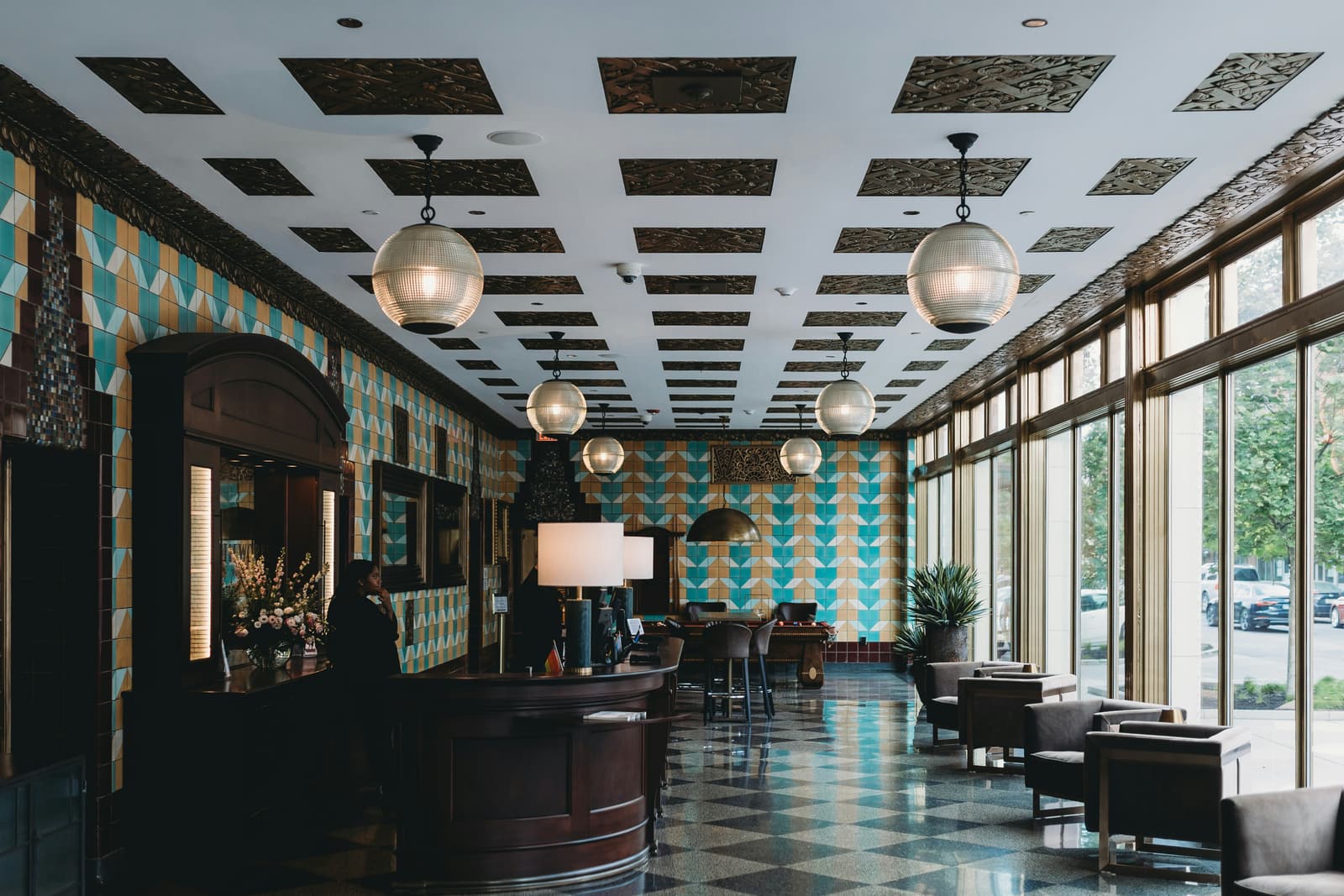
Hotel lobby interior by Steven Van Elk / Unsplash Unsplash License
Hotels can be strong film locations when guests, rooms, lobby, brand, staff, restricted areas, load-in, catering, noise and buyout questions are defined before the shoot.
A hotel as a film location can offer more than attractive rooms. Lobby, corridors, bar, breakfast room, elevator, facade and back-of-house immediately explain how a character moves. For hotel managers, the real question is whether the shoot can be controlled without disrupting guests, brand, staff or occupancy.
A good hotel request separates the image idea from the operating reality early: which rooms, which public areas, which guest routes, which restricted areas, which times, which noise level and which buyout are actually needed?
A hotel is not only a building. It is an active guest operation. A shoot can block rooms, occupy corridors, slow elevators, interrupt breakfast, fill parking, change delivery routes and confuse guests. A single flat location-fee quote is rarely enough.
Hotels also process many kinds of personal data. The GDPR defines personal data as information relating to identified or identifiable people. In a hotel, that can include guest lists, room numbers, check-in screens, name tags, reservation plans or people visible in frame.
A hotel room is not planned like a lobby. A room can be blocked and controlled for several hours. A lobby is more public, louder, more operationally critical and often full of brand, guest and security information. Each zone should be assessed on its own.
Real guests are the main difference between a hotel and an empty commercial space. German KunstUrhG section 22 sets consent as the baseline for distributing or publicly displaying portraits. In practice, guest routes and camera angles should be planned so guests are not accidentally used.
It is often cleaner to use extras, visibly close areas or choose times when guests are not affected. A sign in the lobby does not replace planning if the camera still clearly captures real guests.
The buyout is a central cost and risk question. A full buyout gives the production control but can affect revenue and regular guests. A partial buyout costs less but needs sharp boundaries. A shoot during active operation is often realistic only for very small teams.
Hotels have days when a production is barely realistic: trade fairs, city festivals, holidays, high occupancy, regular guests, group travel, weddings, renovation, inventory or staff shortages. These blackout dates should be named before the recce.
Time of day matters too. A lobby shoot at 11 a.m. can collide with check-out. A breakfast-room shoot can block the entire morning. A night shoot can put more pressure on guests, neighbors and staffing than a short daytime shoot.
Hotel logistics are tight. Cases, lamps, stands, clients, wardrobe, makeup and catering often move through the same paths as guests, housekeeping and suppliers. If load-in is not planned, the conflict starts before the first shot.
If the shoot touches kitchen, bar, breakfast, minibar or catering, operating rules matter. IHK food-hygiene guidance refers to registration, training, HACCP and documentation for food businesses. For hotels, production and hotel should consciously separate or supervise food areas.
A hotel shoot should not be priced like a normal overnight stay. The location fee should account for space, exclusivity, blocked rooms, lost revenue, staff, cleaning, technical support, security, parking, night shifts, damage, cancellation and reputation risk.
The more guests are affected, the more pricing should be based on full or partial buyout rather than room rate. One room for a small interview is different from lobby, bar and facade for a commercial shoot.
SetScout can help bring hotel requests to the decisive fields early: specific areas, shoot times, crew size, usage, guest exposure, insurance, load-in, brand visibility and buyout need. That helps a hotel see faster whether a request can work operationally.
For related commercial spaces, read /en/blog/rent-out-commercial-space-film-location-office-restaurant-shop-warehouse. For damage and reset, read /en/blog/damage-on-set-handover-record-deposit-photos-reset.
Yes, but only with clear separation. Guest routes, elevators, reception and shoot area should be planned so guests are not disturbed or accidentally filmed. For larger teams, a partial buyout is often more realistic.
A room shoot is easier to control. A lobby shoot touches guests, reception, brand, security, luggage, routes and noise. The lobby therefore needs more coordination, more supervision and often a higher location fee.
No. The real hotel name, logos, room folders, signs, uniforms and digital screens can be approved, covered or replaced with fictional elements. This should be agreed before the shoot in the contract and location release.
A buyout makes sense when guest-free control, sound control, larger equipment, multiple areas or visible brand use matter. It costs more, but reduces conflict with live operations and makes the shoot easier to plan.
If you want to offer a hotel as a film location, first define approved areas, restricted zones, guest routes, blackout dates, brand rules, load-in, cleaning, insurance and buyout options. After that, you can assess production requests quickly and professionally.
More posts you might be interested in
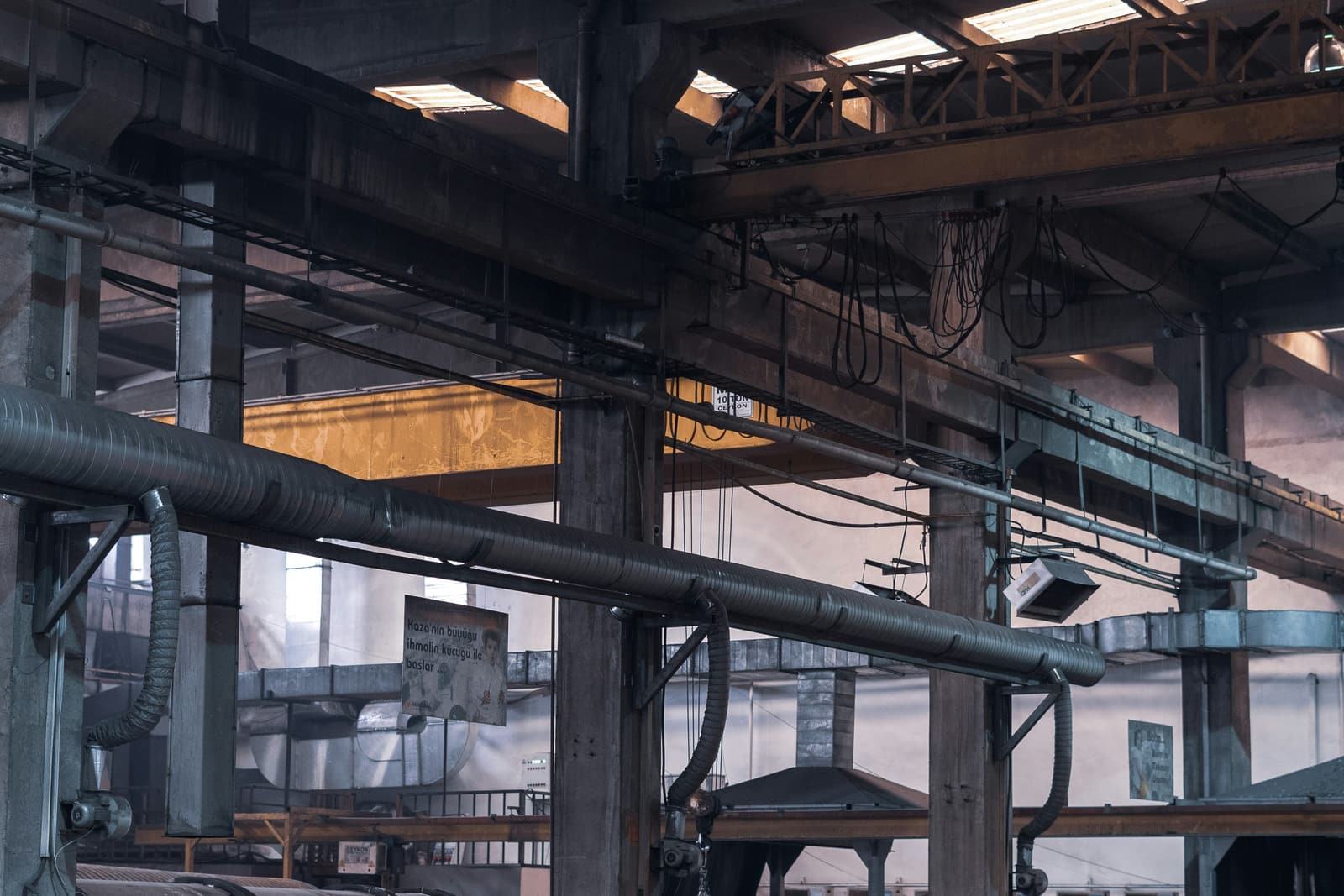
Industrial interior location by Ümit Yıldırım / Unsplash Unsplash License
Searching film locations by motif works best when each category is briefed with look, era, rooms, logistics, rights and hidden constraints.
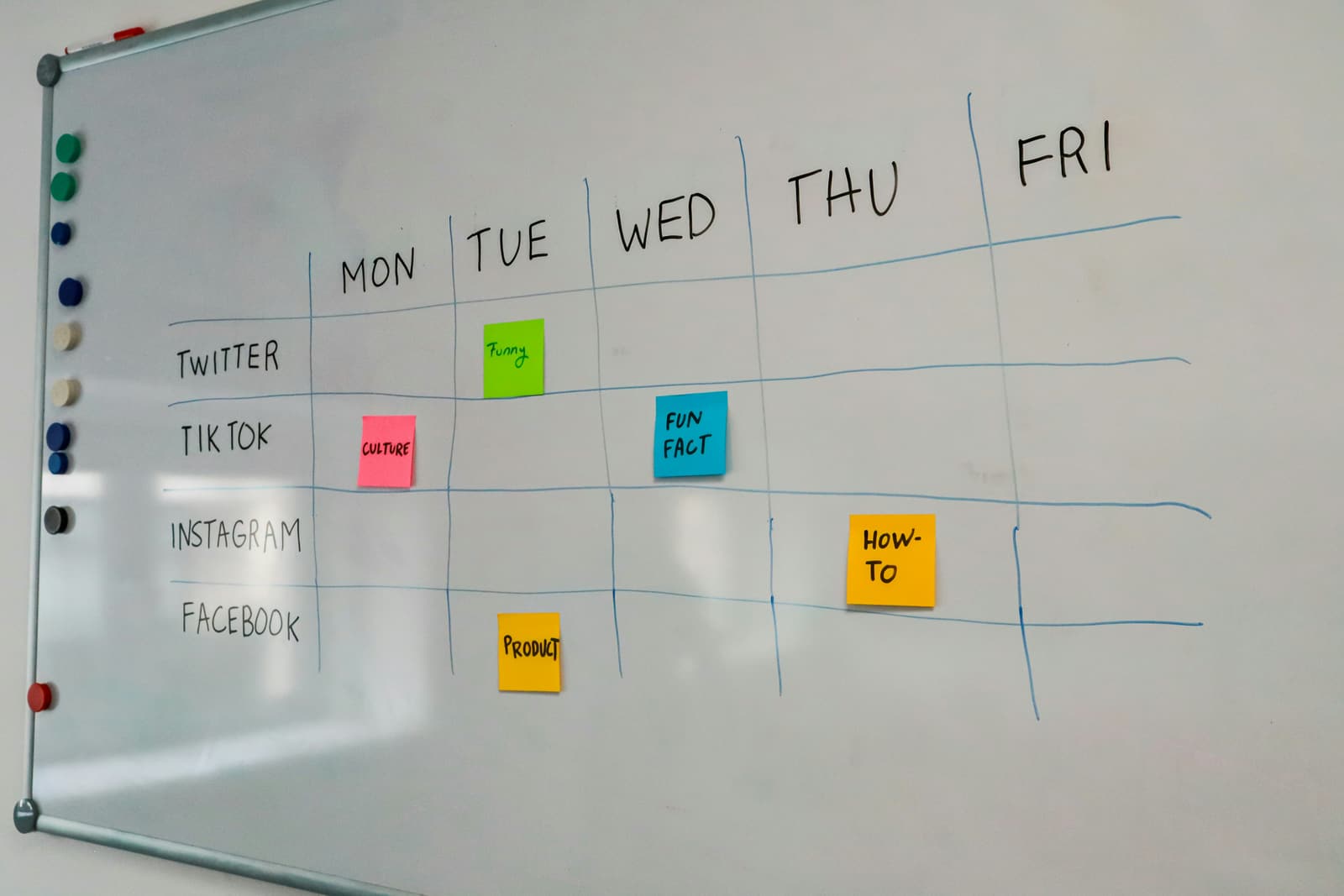
Production planning board by Walls.io / Unsplash Unsplash License
Production schedule templates, shot lists and storyboards help location planning only when they expose rooms, access, light, sound, permits and recce risks.
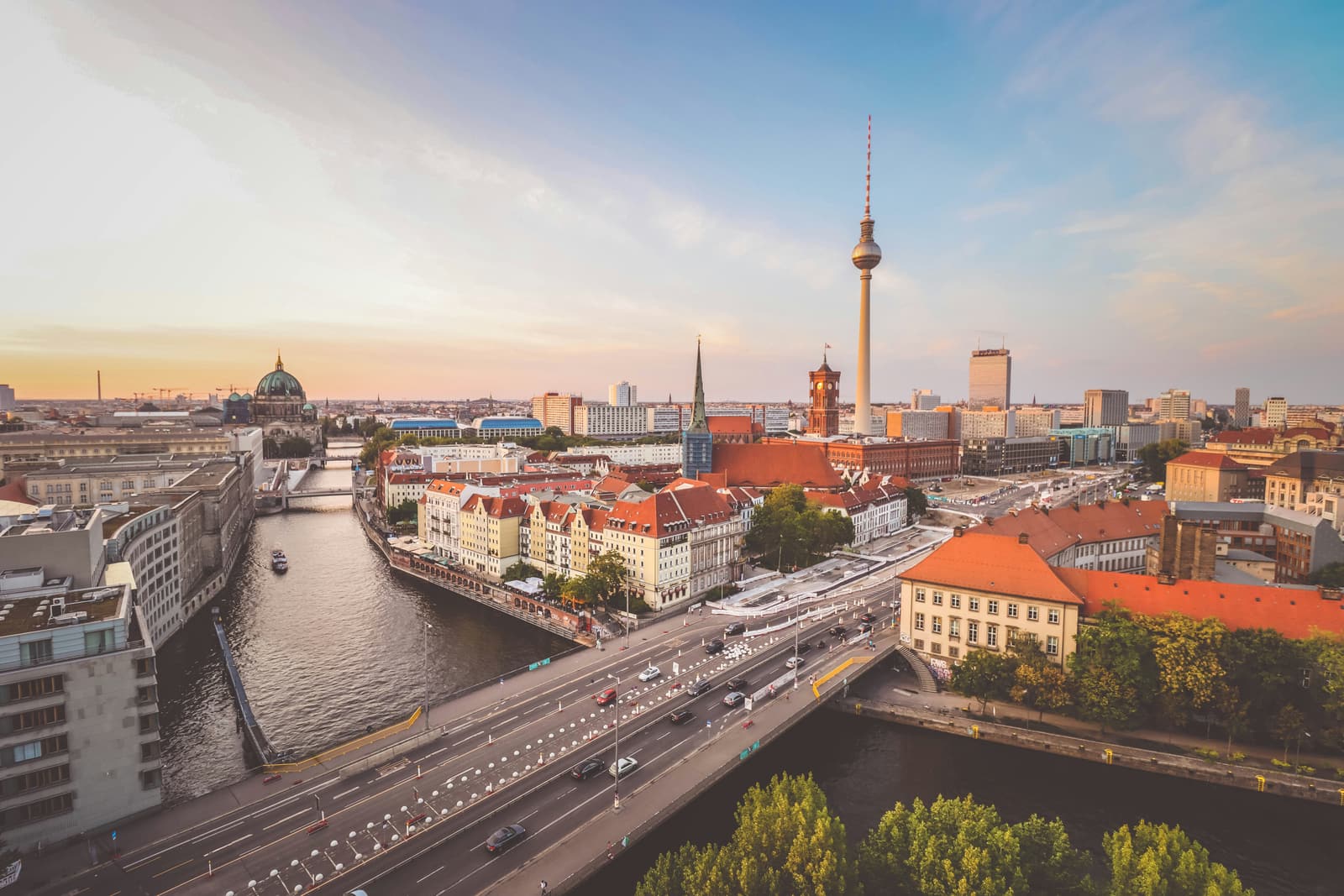
German city skyline by Florian Wehde / Unsplash Unsplash License
A practical comparison of Germany’s production hubs: Berlin, Hamburg, Cologne, Munich and Rhine-Ruhr by look, permits, crew base, transport, seasonality and private-location search.
