
People signing documents for a wedding by Romain Dancre / Unsplash Unsplash License
A location release is more than permission to place a camera. For German film and photo shoots, the agreement should define the location, access, dates, usage rights, damage, insurance, sensitive content and reset.
A location release form is the written permission that lets a production film or photograph at a specific place. In Germany, the practical document may be called a Motivvertrag, location rental agreement or location release. The name matters less than whether the agreement covers the actual risks of the shoot.
A useful release does not only say that filming is allowed. It says who is approving it, which spaces are included, when setup and reset happen, how the footage may be used, what limits apply and what happens if something is damaged.
This article is not legal advice and not a contract template. It is a practical checklist for producers, photographers, hosts and location managers who want to know what should be settled before signing.
A location release records that an authorized person allows a production to use a location for film, photo or video work. It connects physical access to the place with permission to use the material recorded there within a defined scope.
In Germany, the terminology is not always exact. A small photo job may use a short release. A commercial, series, music video, social-ad shoot or larger crew usually needs something closer to a full location agreement with rental, liability and workflow terms.
The practical test is simple: could someone later plausibly argue that they did not understand the scope? If yes, the release is too thin.
The signer must be the person or organization that can actually approve the location. That may be the owner, property manager, operator, managing director, venue manager or a public body. For rented properties, landlord or building-management approval may also be needed.
For productions, this is not paperwork trivia. If the wrong person signs, the document may only show good intentions. Confirm whether the signer can approve rooms, support areas, exterior spaces, marks, house rules and commercial use.
The release should describe the location clearly enough that no one has to argue on the day. An address is rarely enough. Name the rooms, floors, exterior areas, access paths, stairwells, elevators, bathrooms, holding areas, makeup space, catering space, parking, storage and excluded areas.
Private homes, hotels, restaurants, offices and historic properties often have zones with different sensitivity. A living room may be available while the bedroom is not. A lobby may be filmable while guest floors are not. An office may be available while screens and brand marks are restricted.
Many disputes do not start during the first take. They start during prep or reset. A good release or location agreement should define not only the shoot day, but also setup time, earliest arrival, latest handover, night work, breaks, overtime and what happens if the schedule slips.
For hosts, that matters because disruption is often larger than recording time. For productions, it matters because a cheap day rate can become expensive when reset, cleaning or extensions are vague.
Access to the location and later use of the footage are two separate layers. A production may shoot in a house today and later use the material for TV, cinema, social ads, websites, press stills, a pitch film, festivals, streaming or internal presentation. That should not stay vague.
For advertising, political content, sensitive product categories, alcohol, tobacco, pharma, erotic content, weapons, religion or highly recognizable private areas, the agreement should say whether the host excludes certain uses or needs further approval.
A release without damage and insurance terms is weak for both sides. Before the shoot, clarify production liability insurance, contact people, condition photos, protection measures, deposit, reporting deadlines, deductibles, cleaning, keys and handover condition.
In practice: take photos before the shoot, mark sensitive surfaces, get written permission for furniture moves, tape off no-go zones, confirm the handover condition and inspect together after wrap. Paper alone is not enough; the workflow has to match the agreement.
Many search results for location release forms point to English templates. They can be useful as prompts, but they do not always fit German production practice. A German location agreement may need clearer terms for location fees, VAT, house rules, privacy, insurance, public-space use, rental status and reset.
The German Association of Location Scouts provides documents around location rental agreements (BVL downloads). The BBFC guide for location providers also points to location agreements and reuse questions (BBFC guide). International resources such as StudioBinder explain the general release concept, but should not be copied blindly into a German agreement (StudioBinder).
If you are requesting a location, prepare rights and contract details early. Read SetScout’s guide to a film location agreement or check how hosts can list a location for shoots. Production teams can browse production locations and send requests with the details a host needs to approve.
Not always. A release can be a simple permission document. A full location agreement usually also covers rental time, fees, insurance, damage, house rules, reset and other production details. Professional shoots usually need the broader version.
It can help as a reference, but not as a finished solution. German productions should review language, governing law, contracting parties, VAT, insurance, house rules, privacy and local permit questions separately.
Yes. The release should say whether the footage may be used for advertising, social ads, TV, streaming, websites, press, stills or making-of content, and whether term, territory or sensitive categories are limited.
More posts you might be interested in

Industrial interior location by Ümit Yıldırım / Unsplash Unsplash License
Searching film locations by motif works best when each category is briefed with look, era, rooms, logistics, rights and hidden constraints.
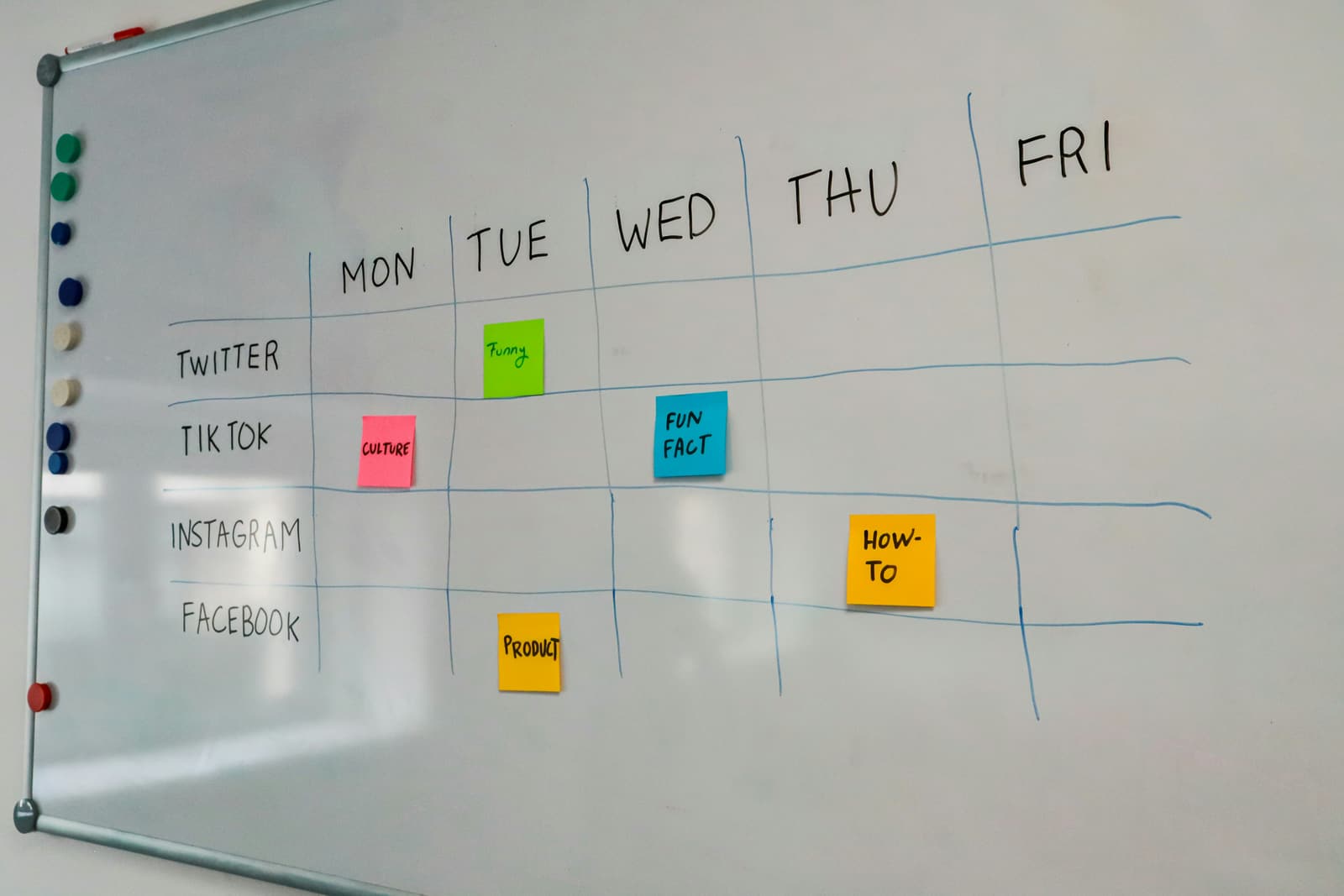
Production planning board by Walls.io / Unsplash Unsplash License
Production schedule templates, shot lists and storyboards help location planning only when they expose rooms, access, light, sound, permits and recce risks.
German city skyline by Florian Wehde / Unsplash Unsplash License
A practical comparison of Germany’s production hubs: Berlin, Hamburg, Cologne, Munich and Rhine-Ruhr by look, permits, crew base, transport, seasonality and private-location search.
