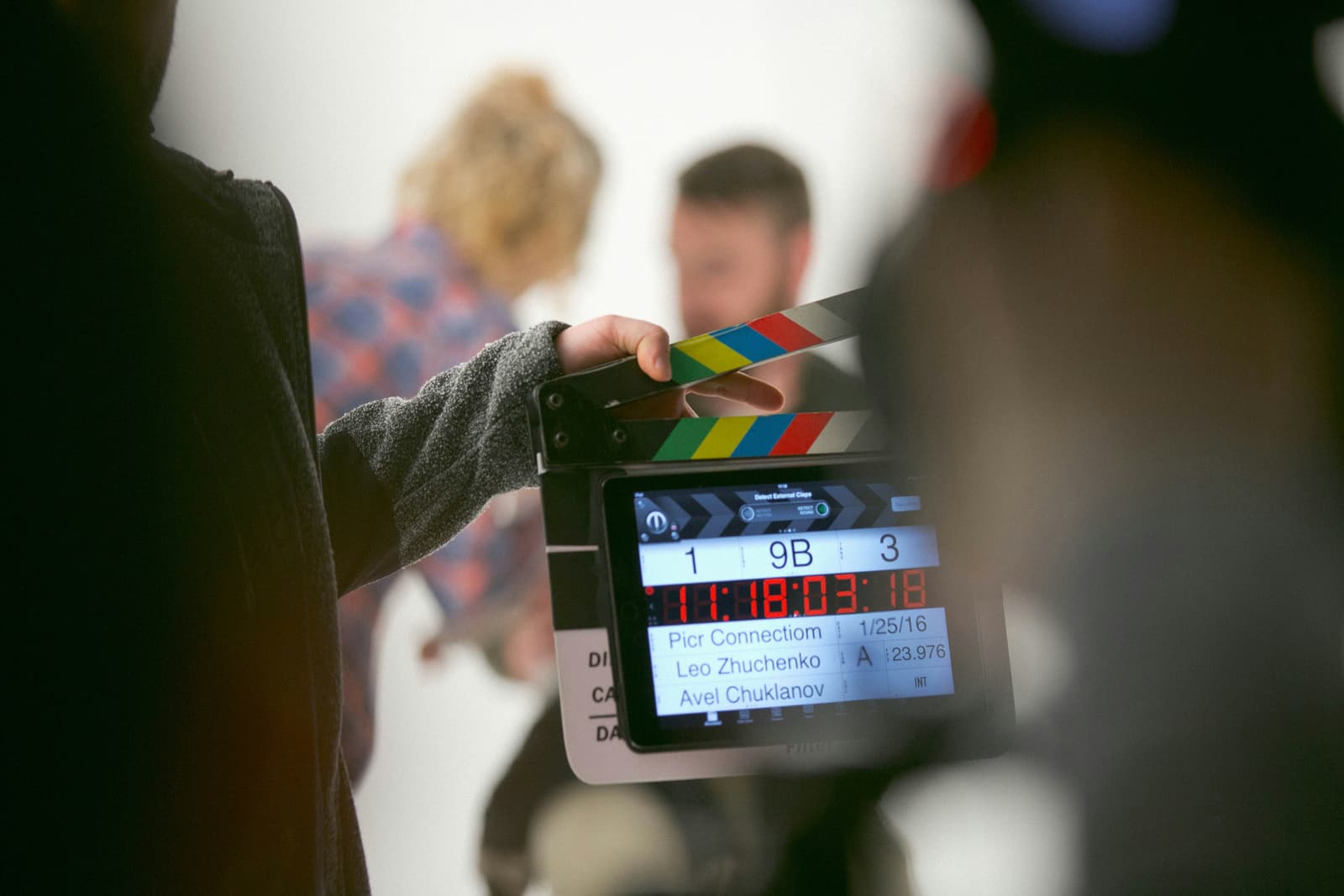
Person holding a film clapperboard by Avel Chuklanov / Unsplash Unsplash License
Location usage rights are not just the fee for the shoot day. The practical scope is channels, duration, territory, exclusivity, stills, paid social and clear release language.
Location usage rights usually become difficult when the shoot is already planned. The production asks for a beautiful space, the host thinks about one rental day, and later the real question appears: can the spot run as a social ad, appear on TV, stay available on streaming platforms or become a still image in a campaign?
The clean solution is not a magic legal phrase. It is a clear rights matrix in the location agreement or request. It separates access to the place from later use of the footage and images, and it makes visible what is included in the fee.
A location booking has two layers. The first is the physical place: access, rooms, times, load-in, wrap, house rules, power, parking, cleaning, damage and reset. The second is exploitation of the images: where, for how long, in which territory and for which purpose may the footage and stills be used?
That separation helps both sides. The production knows whether the campaign can run later without renegotiation. The host knows whether the home is only a backdrop for an internal film or a recognizable brand space in paid media.
The location fee is the price for making the place available during the agreed window. Release fee and buyout are used inconsistently in practice. The agreement should therefore not rely on one word alone. It should spell out the usage scope that is included.
LocationRobot describes usage rights as a cost factor within location costs and points to purpose, media, duration, territory and scope as relevant variables. That is useful market context, but it does not replace a concrete agreement between host and production.
A good rights matrix is short, but precise. It does not ask abstractly whether there is a buyout. It says which uses are cleared. The more commercial and recognizable the location is in the final material, the more specific the matrix should be.
Social ads change the evaluation because the footage is served deliberately as paid advertising. An organic Instagram post about a production project is not the same as a paid campaign with targeting, runtime, budget, retargeting and multiple cutdowns.
For hosts, recognizability is the key issue. Is the kitchen only a soft background or does it become a repeated brand space? Do viewers see the address, artwork, family photos, pets, house number, neighboring house or security details? Those points need to be discussed before approval.
TV and streaming can look like standard moving-image use, but the exploitation can differ. TV may involve broadcasters, media libraries, repeats and territory. Streaming can involve availability, platform, trailers, international exploitation and longer access windows.
That is why phrases like online, all channels or worldwide use are weak on their own. A better clause lists the real plan: linear TV, media library, streaming platform, YouTube, website, social, trailer, press images and archive.
Stills are not a side issue. They can come from a photo shoot, be pulled as frame grabs from the film, work as press images, become thumbnails or run as the key visual of a campaign. For hosts, one image can be more visible than the film itself.
Clarify them separately: may stills be used? For which media? May the location be clearly recognizable? Are retouching, cropping, compositing or AI-based edits allowed? Will images be passed to clients, agencies, distributors, broadcasters or press?
Section 59 of the German Copyright Act allows, under defined conditions, the reproduction of works permanently located on public roads, streets or places; for buildings, this only covers the exterior view. That matters for public motifs, but it does not automatically solve private interiors, house rules, people, brands, art inside a space or contract terms.
In the Sanssouci decision, the German Federal Court of Justice made clear that a foundation could prohibit photo and film recordings made on its grounds without permission. For productions, the practical lesson is to check not only later publication, but also where the images are captured from and with which permission.
A location can involve rights that the host does not own. People on camera raise image-right questions. Artwork, designs, trademarks, company signs, framed photos, book covers, product packaging or software screens may need separate clearance.
Section 22 of the German Art Copyright Act generally points to consent for portraits; section 23 contains exceptions, including people appearing only as accessories next to a landscape or other place. For professional shoots, the practical rule remains simple: clear recognizable people and sensitive details upfront, not in the edit.
A short internal film has a different risk profile than an international advertising campaign. The longer, more visible, more exclusive and more commercial the use, the more the fee should reflect the value and restriction for the host.
That does not mean every channel automatically needs a surcharge. It means the fee should be negotiated consciously. A small production can stay affordable with narrow duration and limited channels. A large campaign needs more clarity and usually more budget.
A request does not need to sound like a legal document. It needs to be answerable. Instead of asking “buyout included?”, write: “We want to use the footage for 12 months in DACH on the website, organic social posts and paid social ads. Stills only as thumbnail and PR image, no print or out-of-home use.”
For hosts, a counter-question is just as legitimate: “Is my location recognizable? Which media will the campaign run in? For how long? Is there exclusivity? Will photos be used separately? Will images be shared with third parties?” These questions belong before approval.
SetScout does not replace legal advice or an individual location agreement. It can help bring the right points into the request early: production type, commercial purpose, desired channels, duration, visibility of the location, stills and specific no-gos.
This article connects naturally to /en/blog/film-location-agreement-germany-clauses and /en/blog/film-location-costs-fees-overtime-buyout. When preparing a request, think about usage scope, location fee, additional costs, overtime and insurance together.
Not automatically. Some offers treat normal use as part of the location fee, others separate the shoot day from broader rights. What matters is the written scope: channels, territory, duration, formats, stills and exclusivity.
A social post is usually organic publication on owned channels. A social ad is paid distribution with campaign budget, targeting, runtime and often multiple variants. For recognizable private or distinctive locations, paid social should be agreed separately.
Do not leave that open. Frame grabs, thumbnails, press images, key visuals and campaign stills can have a different effect than the film. Put into the agreement which stills may be used for which media and time periods.
Not as a broad answer. Section 59 UrhG concerns certain works on public roads, streets or places and, for buildings, only the exterior view. Private interiors, access, house rights, people, brands, artwork inside the space and contract terms still need separate review.
Treat rights as part of the request, not an appendix. Describe purpose, media, duration, territory, stills, paid media and recognizability of the location. Then the host can make a fair decision and the production can budget for a usage scope that actually matches the planned release.
More posts you might be interested in

Industrial interior location by Ümit Yıldırım / Unsplash Unsplash License
Searching film locations by motif works best when each category is briefed with look, era, rooms, logistics, rights and hidden constraints.
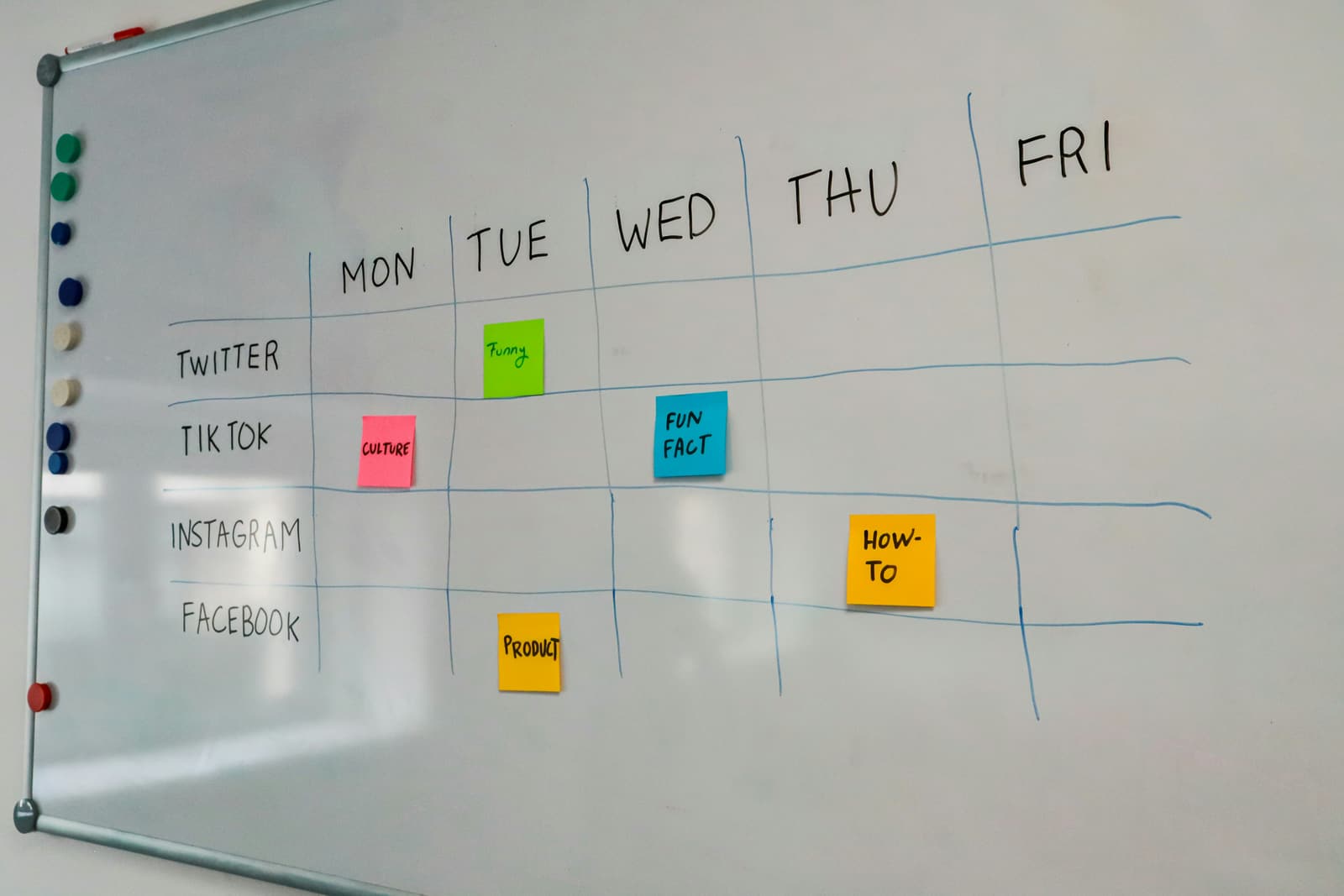
Production planning board by Walls.io / Unsplash Unsplash License
Production schedule templates, shot lists and storyboards help location planning only when they expose rooms, access, light, sound, permits and recce risks.
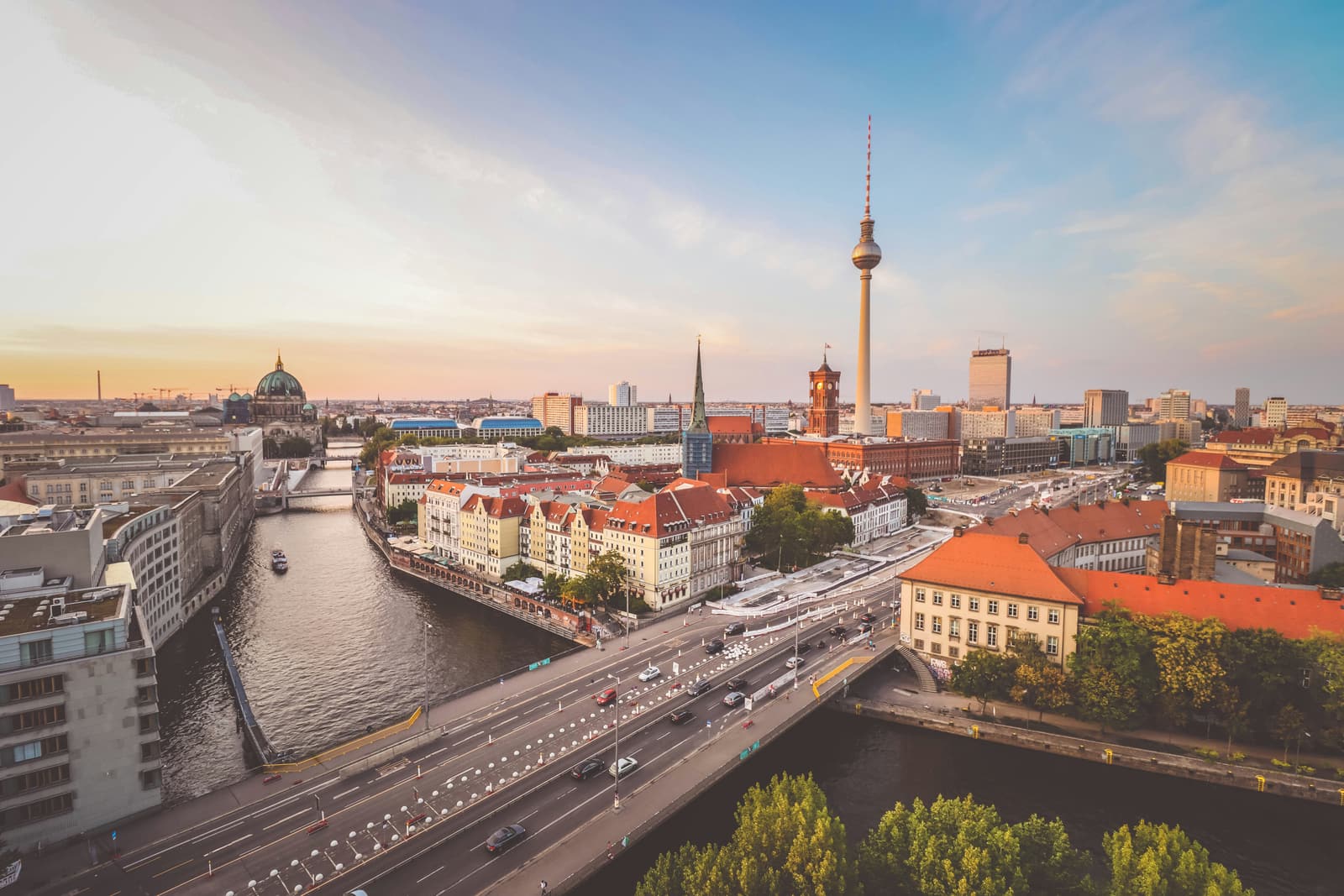
German city skyline by Florian Wehde / Unsplash Unsplash License
A practical comparison of Germany’s production hubs: Berlin, Hamburg, Cologne, Munich and Rhine-Ruhr by look, permits, crew base, transport, seasonality and private-location search.
