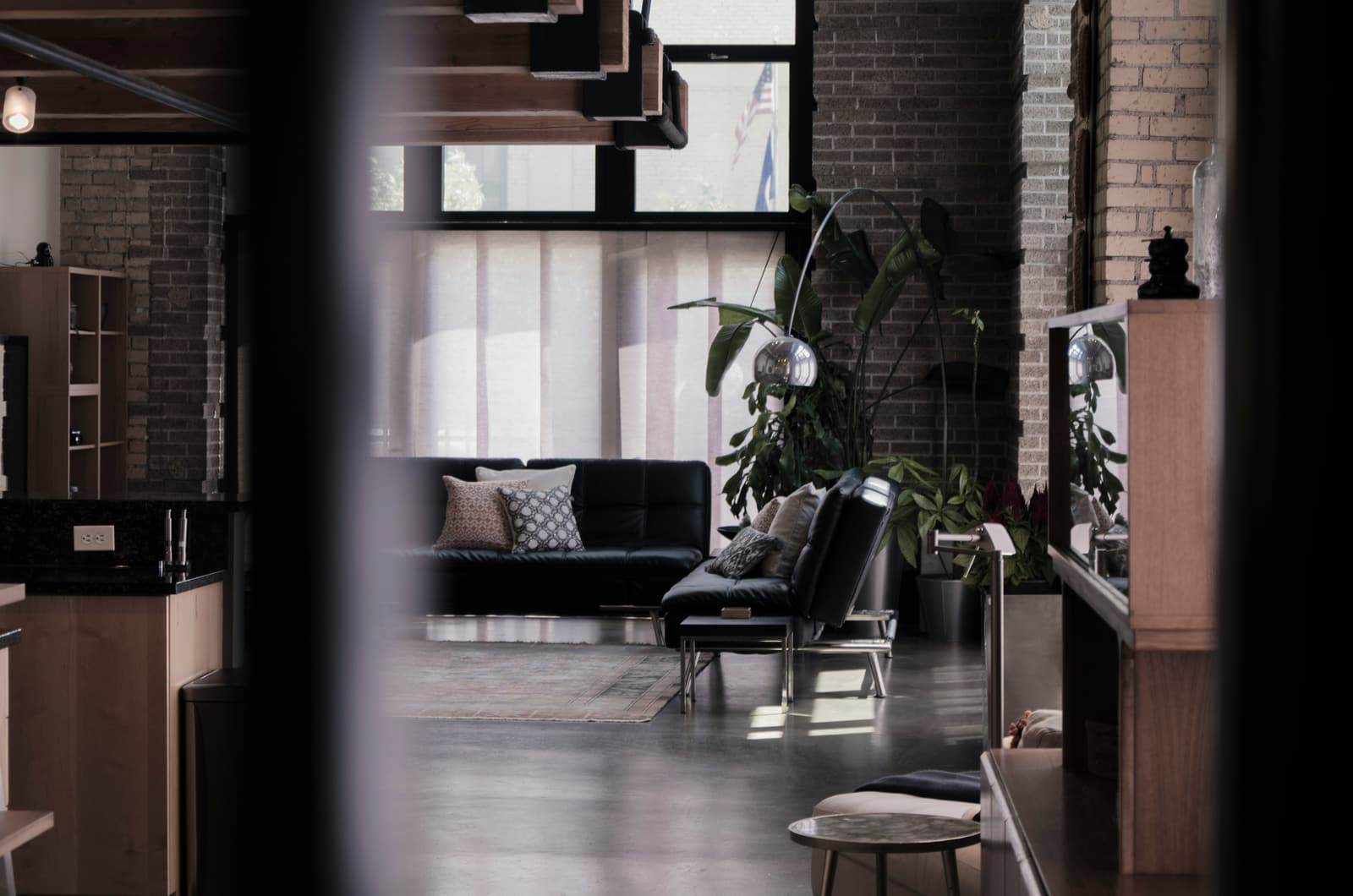
Loft interior with natural light by Aaron Huber / Unsplash Unsplash License
Lofts and old apartments look strong on camera, but light control, ceiling height, power, lift access, stairwells, neighbors, parking and reset decide whether they work on shoot day.
A loft film location or old apartment can deliver the urban look a commercial, music video, editorial or film scene needs. Large windows, patina, wood floors, plasterwork, raw walls and depth often feel stronger on camera than a neutral studio room.
The look is only the first test. Production still depends on light control, ceiling height, power, stairwell, lift access, noise, neighbors, furniture movement, parking and whether the building can handle the shoot.
This guide helps producers, photographers and art directors evaluate lofts and Altbau apartments before they send the request.
Lofts and old apartments are popular because they feel real: not built, not bland, not interchangeable. That character brings technical and operational limits with it.
A loft may have huge windows and depth, but also hard acoustics, little shade, poor blackout and long distances from vehicle to set. An Altbau may offer beautiful details, but no lift, thin ceilings, sensitive floors and strict house rules.
Large windows are the main reason many productions request lofts and old apartments. They can make a set look expensive, but they change throughout the day and cannot always be controlled.
Check orientation, sun position, neighboring facades, reflections, curtains, blackout options, visible radiators, window height and space for lighting. A south-facing loft can be perfect in the morning and hard to shoot at noon.
For stills, moving sun can be useful. For video, dialogue and product shots, you need repeatability. Ask whether windows can be covered and where stands, diffusion and flags can safely sit.
High ceilings help lighting, sound and perspective. They give room for stands, booms, softboxes, overhead light and sightlines. Low rooms can still work when the scene, lens and set size fit.
Do not ask only for square meters. You need free wall lengths, depth in front of the subject, ceiling height, door sizes, columns, radiators, fixed furniture and whether camera and light can stand outside frame.
Many Altbau problems start at the front door, not on set. A narrow entrance, four floors without a lift, a delicate stairwell or a courtyard with steps can turn a small shoot into a slow load-in.
Ask for measurements: front door, stairwell width, lift cabin, lift load, floor, route, thresholds, courtyard and loading zone. Also clarify whether the stairwell may be filmed or only used for access.
If furniture, lighting cases, dolly, background rolls or styling racks have to be carried, access becomes a budget issue. That should be clear before estimating.
StudioBinder recommends checking not only outlets during a tech scout, but also breaker box, available power, labeling and access. That matters in old apartments where legacy wiring, separate circuits and locked basements can become bottlenecks.
BG ETEM notes that film sets often use mobile electrical equipment powered from other people's buildings and that cable runs may need protection. For productions, that means involving lighting and electrical crew early.
Ask about breakers, cooker circuits, load limits, residual-current protection, access to the breaker box, forbidden cable paths and building rules for generators. Improvised power is not a production plan.
Altbau sound can be beautiful or difficult. Floors creak, stairwells echo, doors slam, neighbors hear footsteps and street noise travels through old windows.
Check sync sound at the planned time of day. Ask about quiet hours, children, pets, businesses in the building, deliveries, bin collection, music practice and construction. For interviews, that matters more than another moodboard image.
Lofts often sit in commercial courtyards; Altbau apartments often sit in residential buildings. Both need communication. Who opens the door? Who informs neighbors? Can the lift be reserved? Where do crew, client and talent wait?
Clarify building management, notices, contact person, doorbells, courtyard use, waste, smoking, night work and sensitive areas. An angry neighbor can disrupt the day more than a missing chair.
Wood floors, plasterwork, old doors, built-in cabinets, fireplaces, glass, tiles and design furniture are often why the location was chosen. They are also the elements that need protection.
Define what may be moved, removed, taped, loaded or stepped on. Floor protection, felt pads, tennis balls, covers, photo records and a shared reset check should not first come up after the first scratch.
StudioBinder treats parking as a separate scouting point: cast, crew, trailers and production vehicles need realistic space. For lofts and old apartments, this matters because many are in dense city areas.
If vehicles use public areas, sidewalks are affected or no-parking zones are needed, permits belong in planning. The Berlin Brandenburg Film Commission describes several permit paths for public streets, special use and traffic orders in Berlin and Brandenburg.
A strong request shows more than references. It explains the planned impact. Hosts can answer honestly only when they know team size, equipment, timing and operational load.
SetScout helps you compare lofts and Altbau locations by look and production criteria. Use /drehorte to find urban interiors, then ask the shortlist about light, access, power, neighbors and furniture rules.
That turns a strong location image into a practical request that does not fail on stairwell, breaker box or house rules on the shoot day.
Not always. A loft often offers more space, depth and load-in. An Altbau can feel more private and detailed. The deciding factors are scene, crew size, sound, access, light control and house rules.
Photos, floor plan, ceiling height, window orientation, floor, lift, power details, parking, house rules, neighbors, furniture rules and restricted areas. Without this, the recce is often only a look check.
When public areas, sidewalks, streets, no-parking zones, closures, drones or larger public-facing activity are involved. For the private area, you need permission from the rights holder; public use is a separate check.
The most common mistake is judging only the room. Stairwell, lift, neighbors, parking, breaker box, furniture and reset often decide the shoot day more than the most beautiful wall.
More posts you might be interested in
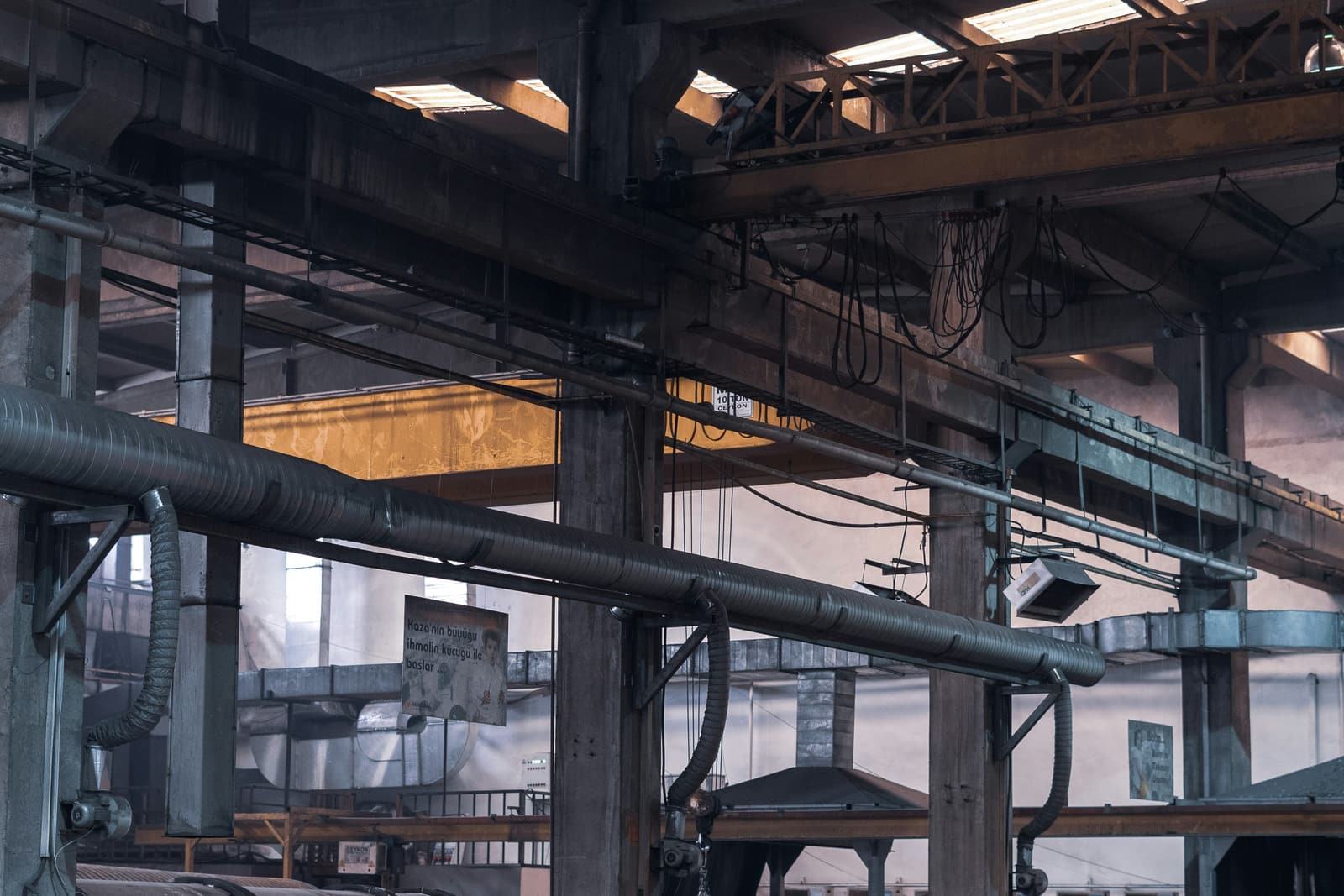
Industrial interior location by Ümit Yıldırım / Unsplash Unsplash License
Searching film locations by motif works best when each category is briefed with look, era, rooms, logistics, rights and hidden constraints.
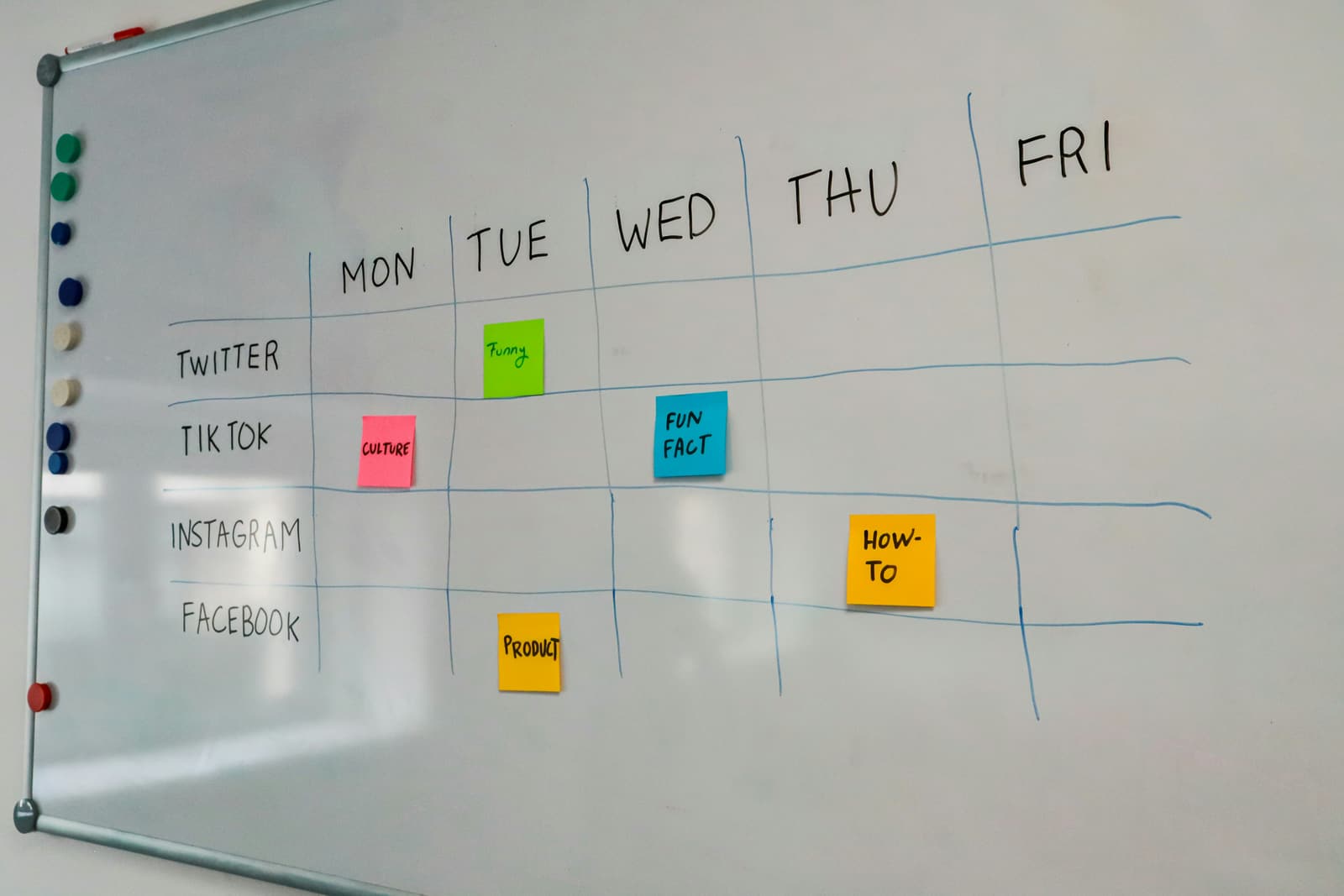
Production planning board by Walls.io / Unsplash Unsplash License
Production schedule templates, shot lists and storyboards help location planning only when they expose rooms, access, light, sound, permits and recce risks.
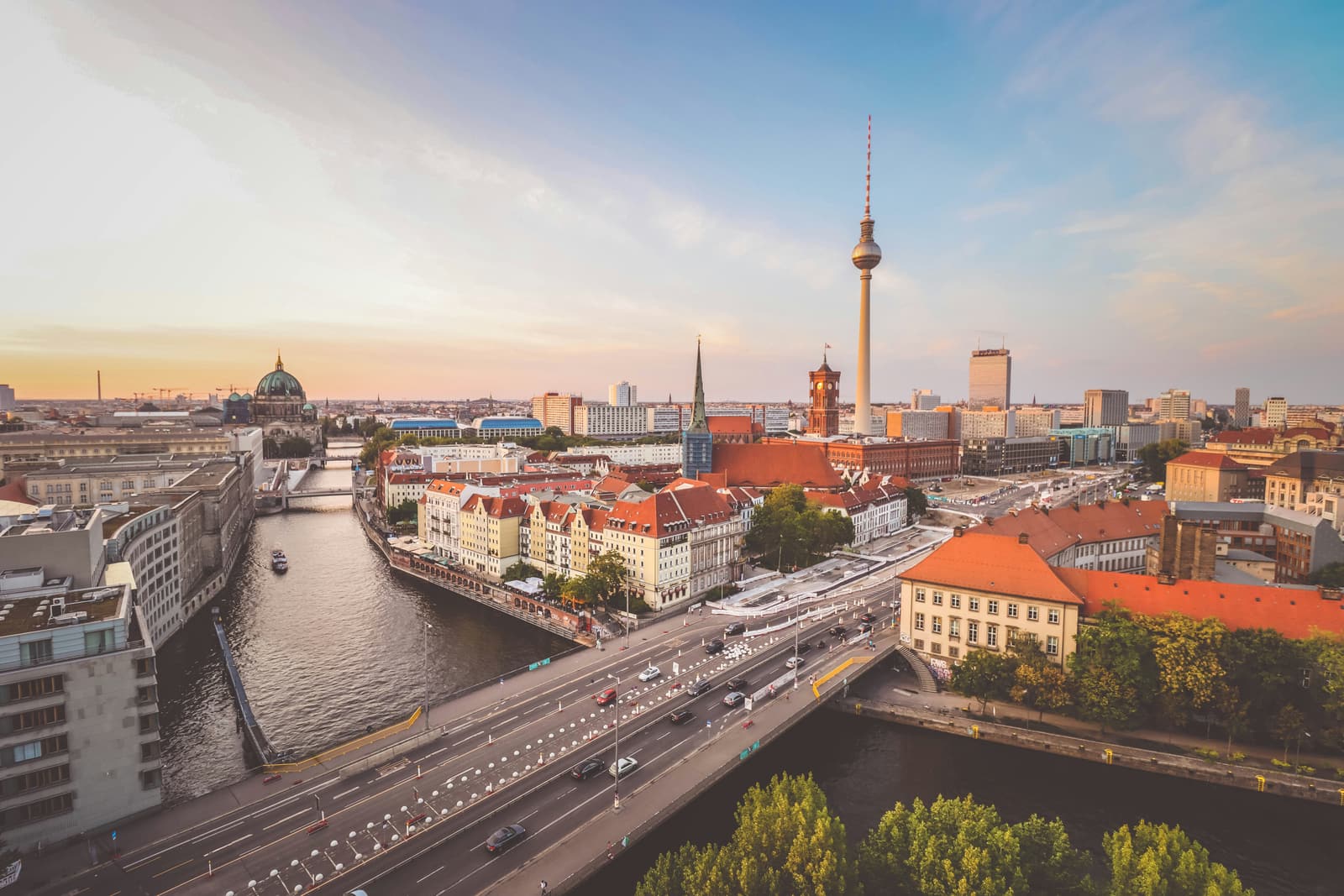
German city skyline by Florian Wehde / Unsplash Unsplash License
A practical comparison of Germany’s production hubs: Berlin, Hamburg, Cologne, Munich and Rhine-Ruhr by look, permits, crew base, transport, seasonality and private-location search.
