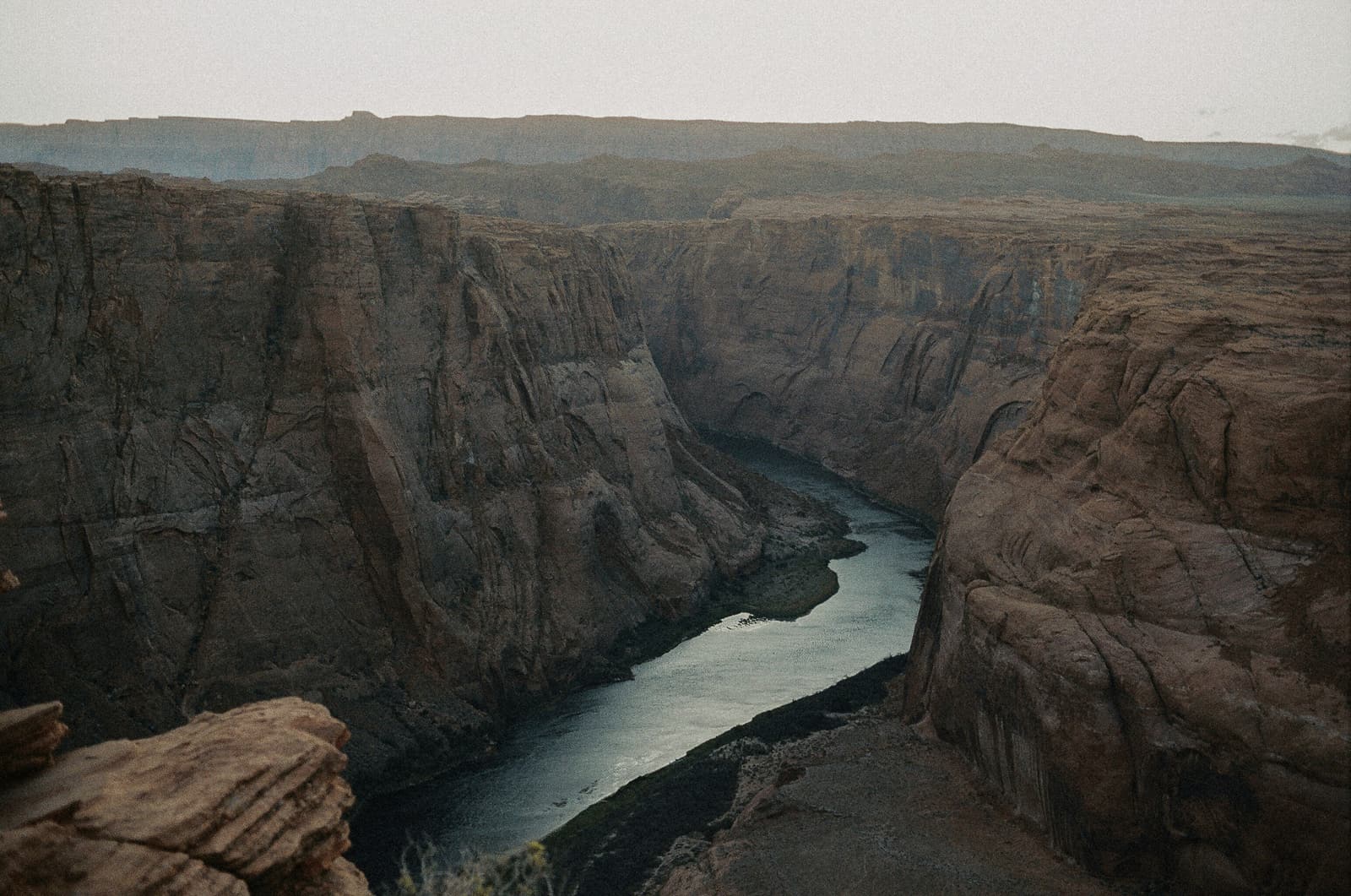
Outdoor landscape location by Roberto Shumski / Unsplash Unsplash License
An outdoor film location needs more than a good view: weather, sun path, permits, toilets, power, terrain, neighbors, drones, nature rules and backup decisions must be clear before booking.
An outdoor film location often looks simple in photos: good view, open space, plenty of room. On the shoot day, the view matters less than weather, sun, access, power, toilets, neighbors, permits and a real plan B.
An exterior can be a forest, lake, courtyard, roof terrace, garden, field, car park, patio or mixed indoor-outdoor location. Each one needs a different check, but the same core question: what happens when reality does not match the moodboard?
This guide helps producers, production managers and hosts evaluate outdoor locations before weather and logistics become problems after booking.
For exterior locations, weather is part of the location. Rain, wind, heat, cold, storms, fog, snow, mud and hard sun affect not only the image but also safety, sound, lighting, pace and equipment.
The German Weather Service provides current weather, forecasts, warnings and climate data for Germany. For productions, that means more than checking an app the night before: translate weather risk into schedule, call sheet, shelter and backup decisions early.
Decide in advance who makes the weather call, when it happens, what costs it triggers and whether the shoot moves, scales down, covers up or switches location.
An outdoor location can be perfect in the morning and unusable in the afternoon. Sun moves, shadows shift, facades flare, water reflects and trees create patchy light.
Check the sun for setup, shoot, breaks, changes and overtime. Ask where lighting, negative fill, diffusion, tents, monitor and video village can sit without blocking paths, plants or neighboring areas.
Weather cover is more than a tent for camera. Talent, makeup, wardrobe, sound, data, batteries, catering, client, props and set dressing need dry or shaded areas.
Clarify whether tents, pop-ups, heaters, fans, ground plates, sandbags, tarps or vehicles may be placed on site. On soft ground, you also need weight distribution and a mud plan.
Outdoor locations often sit between private and public: a courtyard with street access, a garden with drone shots, a lakeside path, a forest with nature restrictions or a terrace overlooking neighbors.
The Berlin Brandenburg Film Commission says filming on public streets and grounds that goes beyond common use generally requires a permit. visitBerlin also notes that in Berlin even small journalistic photo or film teams working on public streets need permits.
For your request, check private permission, public special use, traffic orders, nature protection, water, forest, park management and drone flights separately. One approval does not automatically replace another.
At outdoor locations, every meter of carrying distance costs time. Gravel, sand, grass, slopes, steps, narrow gates, wet ground or no turning space can turn a small setup into a slow shoot day.
Ask about vehicle access, parking, loading, vehicle size, ground load, restricted areas, gate width, night access, lighting, emergency routes and whether heavy equipment may enter the site.
Outdoor locations often lack usable power where the scene happens. A house supply may be far away, exterior outlets may be weak and generators can create noise and permit questions.
Toilets, water, handwashing, waste and catering belong in the same plan. If a location is beautiful but has no infrastructure, you need mobile solutions, placement, service access and clear cost.
Outside, you control sound less than indoors. Wind, roads, aircraft, dogs, children, machines, water, birds, sports fields, restaurants and neighbors can ruin sync sound.
Scout at the planned shoot time and ask about quiet hours, events, agriculture, deliveries, construction and sensitive neighbors. Music playback, generators, night work or many vehicles need extra coordination.
Forest, lake, meadow, park and protected land are not neutral backdrops. Paths, plants, breeding seasons, quiet areas, shore zones, fire, waste, light and noise can all create restrictions.
The German Federal Agency for Nature Conservation warns that drone disturbance should be avoided especially for birds during breeding, raising, molting, wintering and migration periods. For shoots, use the same discipline: check jurisdiction and protection status first, then plan the image.
Drones need their own permissions, pilot competence, flight planning, takeoff and landing zone, safety distances, privacy review, weather check and abort criteria. They also change which neighboring areas and private spaces become visible.
EASA describes restrictions in the open drone category around uninvolved people, distance from urban areas and keeping below 120 meters above ground depending on subcategory. For professional shoots, coordinate drone work separately with the pilot, authority and location.
A backup location is not a name in a production folder. It must fit visually, be reachable, be cleared, have a price and work in the same time window.
Define when the switch happens. Who decides? What happens to crew, catering, transport, talent, light, permit and location fee? If those questions are open, you do not have a backup, only hope.
A strong request for an outdoor location describes image and impact. Hosts and authorities can respond properly only when they know what the site has to handle.
SetScout helps you compare outdoor locations by production reality, not only by look. Use /drehorte to find gardens, courtyards, nature locations, roof terraces or mixed indoor-outdoor spaces, then ask the shortlist about weather, power, toilets, access and backup options.
That turns a good-looking space into a location the production, host and crew can actually plan.
When public ground, special use, traffic, parking, drones, parks, forests, water, protected areas or larger public-facing activity are involved. Private consent covers only the private area.
Weather data source, warning thresholds, decision maker, decision time, cover, safety rules, cost impact, reschedule option and backup location. Without those points, the plan is too vague.
Only if owner permission, capacity, breakers, cable paths, weather protection and responsibility are clear. Outdoor power is a technical and operational question, not a spontaneous fix.
It fits visually, is available, reachable, cleared, priced and usable in the same time window. It must also be clear who triggers the switch and when.
More posts you might be interested in
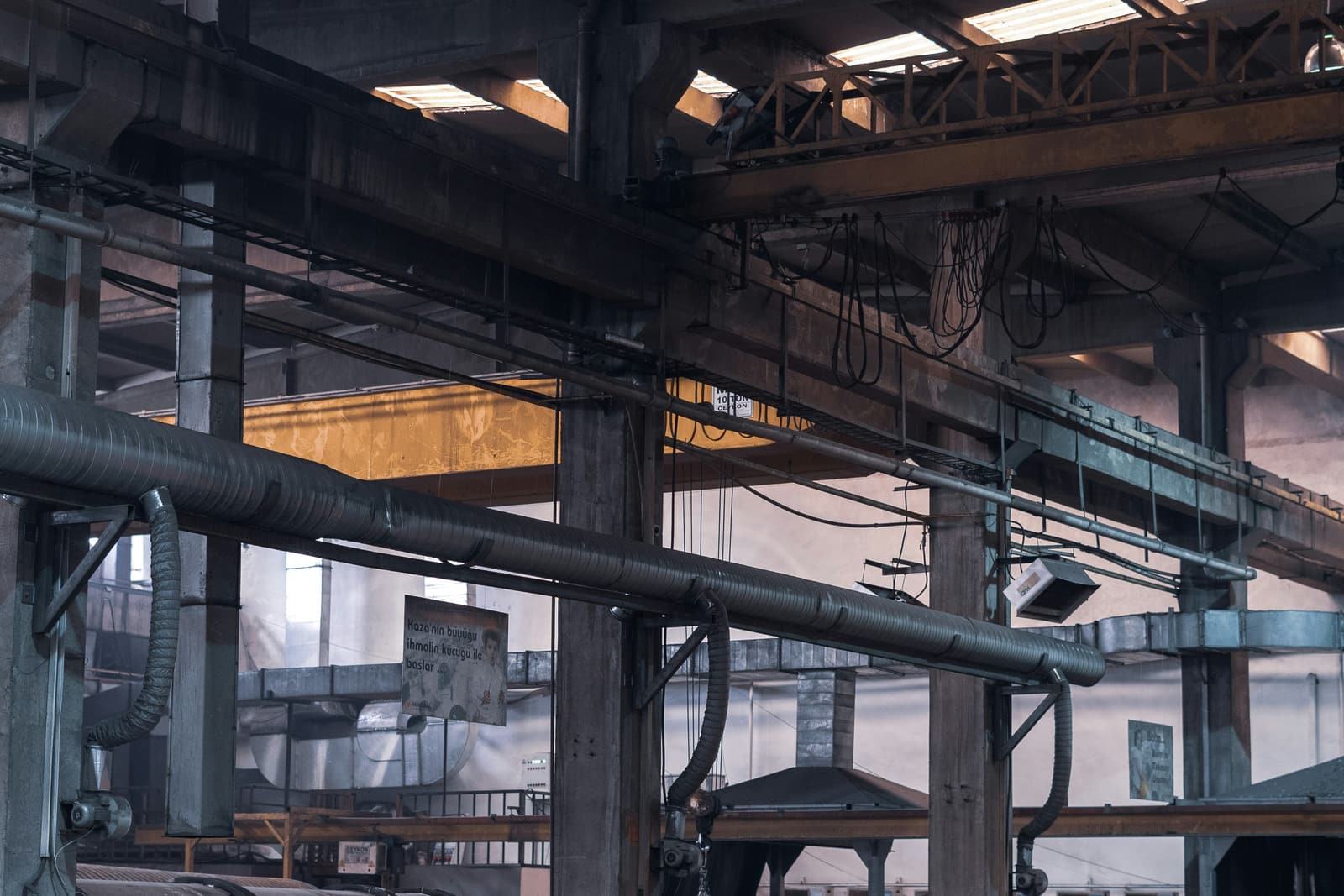
Industrial interior location by Ümit Yıldırım / Unsplash Unsplash License
Searching film locations by motif works best when each category is briefed with look, era, rooms, logistics, rights and hidden constraints.
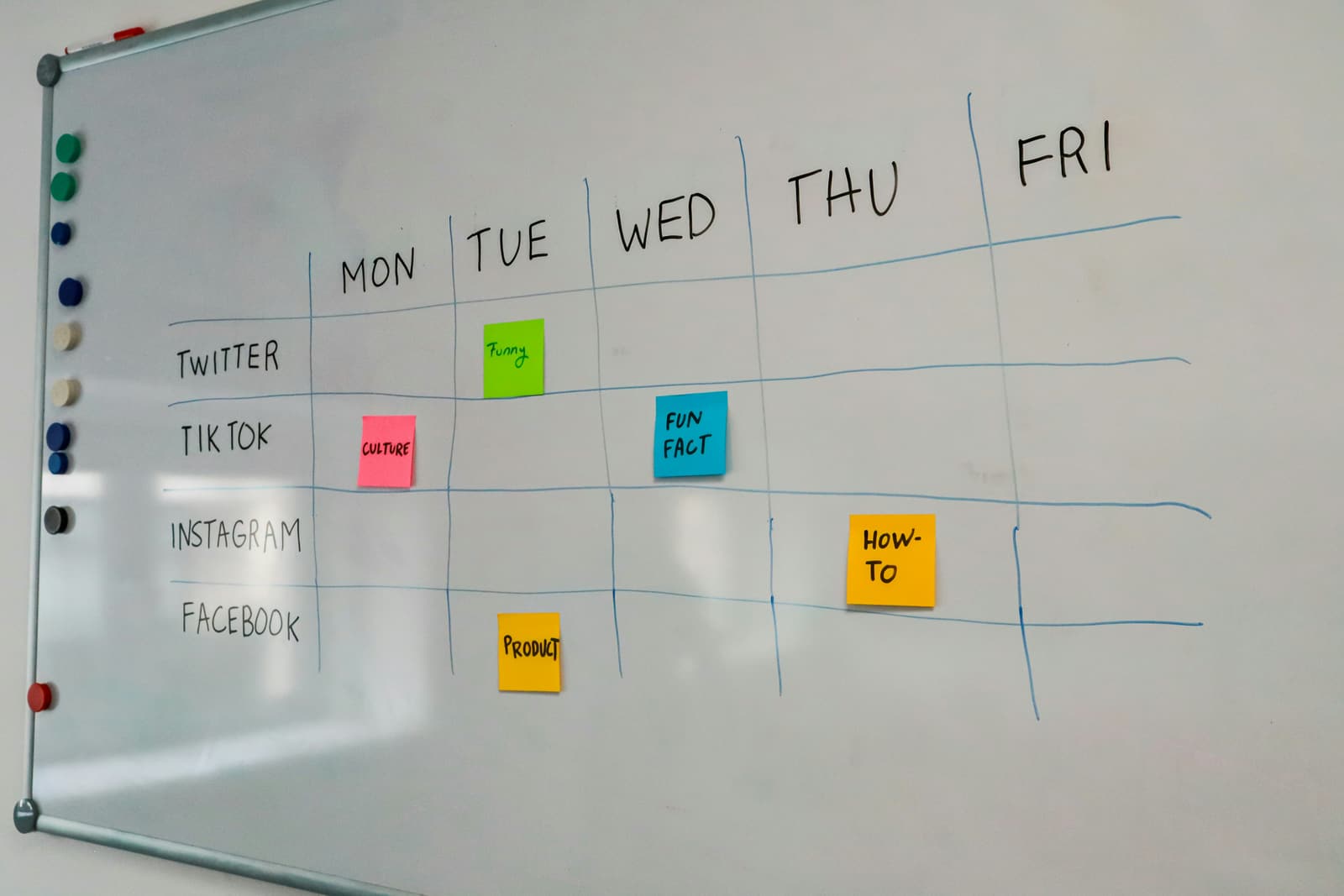
Production planning board by Walls.io / Unsplash Unsplash License
Production schedule templates, shot lists and storyboards help location planning only when they expose rooms, access, light, sound, permits and recce risks.
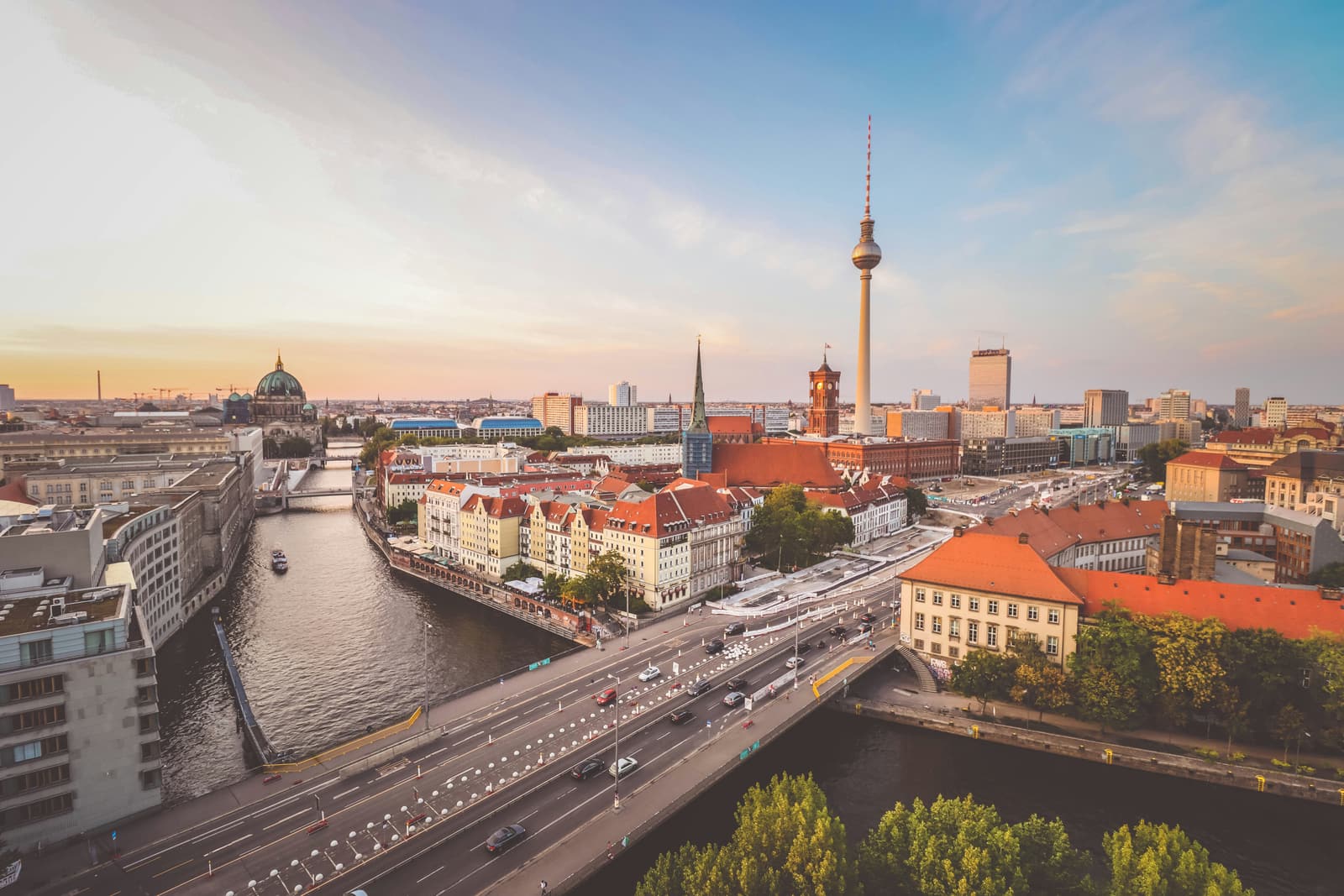
German city skyline by Florian Wehde / Unsplash Unsplash License
A practical comparison of Germany’s production hubs: Berlin, Hamburg, Cologne, Munich and Rhine-Ruhr by look, permits, crew base, transport, seasonality and private-location search.
