SetScout
SearchHost
LocationsBlogChangelog
LoginSign up
Back to blog
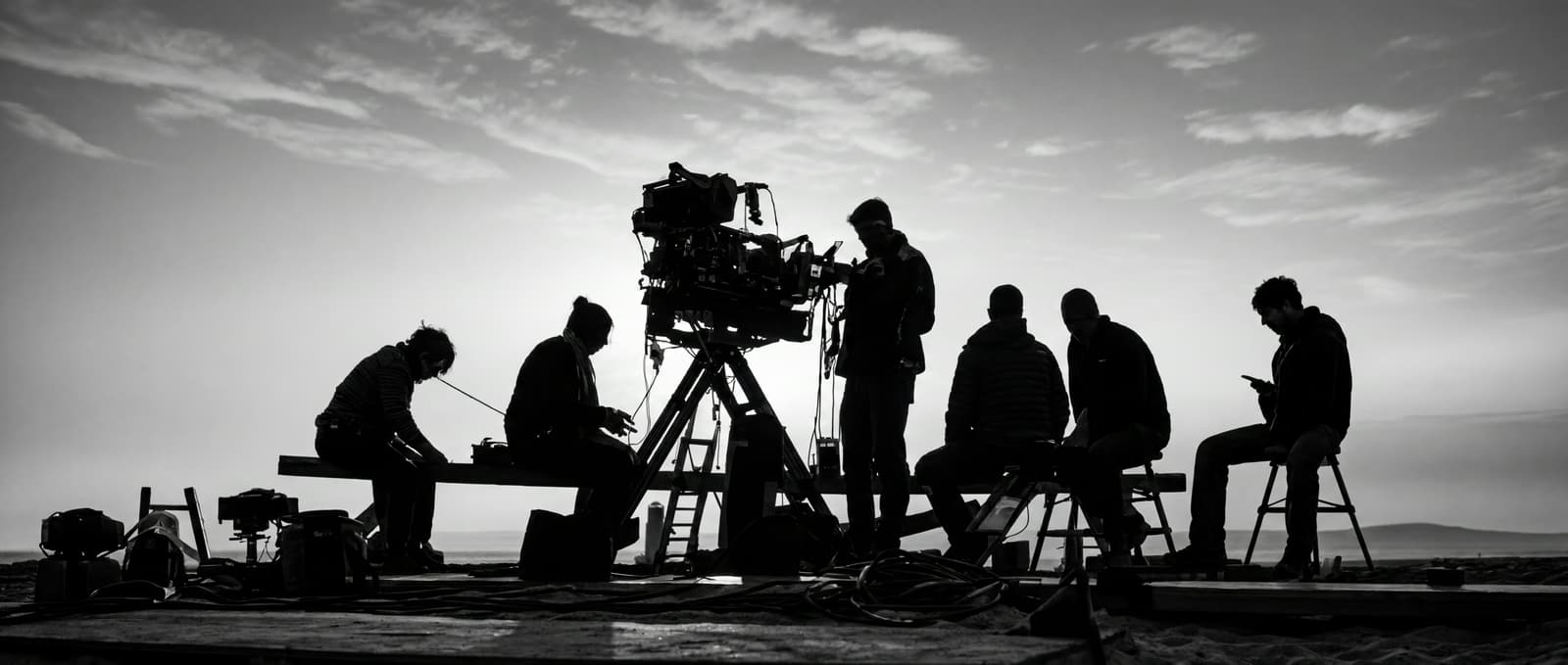
Camera and directing team on location used for location recce questions.

Camera crew on location by Kriss Films / Unsplash Unsplash License

SetScout Blog article
July 4, 2026

Prepare a Location Recce: Questions for Director, Camera, Sound, Art and Production

A useful location recce checks more than the look: light, sound, art changes, safety, owner rules, schedule and fallback decisions all need answers.

Chapters

  1. Quick takeaways: what the recce must decide
  2. Why a recce is more than a look check
  3. Before the recce: what to prepare
  4. Questions for the director: does the space tell the scene?
  5. Questions for camera and lighting: can the look be built?
  6. Questions for sound: what can you actually hear?
  7. Questions for art: what can be changed?
  8. Questions for production: can the location carry the schedule?
  9. Questions for safety: which risks must be decided on site?
  10. Questions for the host or owner
  11. After the recce: how to make the decision
  12. How SetScout helps
  13. FAQ: location recce questions
  14. Who should attend a location recce?
  15. How long should a recce take?
  16. Is a location recce the same as a tech scout?
  17. What should be documented after the recce?

A location recce is not a group walk through a beautiful space. It is the point where director, camera, sound, art and production test whether the location can carry the shoot day.

When the right questions are missing, the recce becomes a look approval and the problems appear later: windows cannot be blacked out, fridges hum, art cannot hang anything, the van parks three streets away or an exit route gets blocked.

This checklist separates the questions by department. Each team should leave the visit with decisions, not only phone photos.

Quick takeaways: what the recce must decide

  • Director and camera need to know which frames are truly shootable and which compromises change the scene.
  • Sound needs to hear the risky noise sources, not only ask about them.
  • Art needs permission for changes, protection, reset and sensitive surfaces.
  • Production needs access, parking, holding, restrooms, power, timing, neighbors and a fallback plan.

Why a recce is more than a look check

A location can be visually perfect and still fail on the day. The recce connects creative intent with technical, logistical and legal reality. A booking is only defensible when each department has named its risks.

BG ETEM lists risk assessment, instruction, first aid, hazardous substances and film-set-specific assessments as part of film production safety. That is not side paperwork. It is part of deciding whether a location can be planned.

Before the recce: what to prepare

Do not send only the address and meeting time. Everyone needs the scene, scripted time of day, intended frame directions, crew size, equipment level, used areas and open dealbreakers.

  • Script extract or scene description with time of day, action and dialogue.
  • Reference images for look, light, color world and desired room depth.
  • Rough shot list or intended axes, even if the storyboard is not final.
  • Estimated crew size, technical vehicles, cast, clients, extras and base needs.
  • A list of questions that must be answered before booking.

Questions for the director: does the space tell the scene?

The director checks more than beauty. The room has to support relationships, movement, eye lines and the emotional function of the scene.

  • Which frame directions tell the scene most clearly?
  • Is there enough room for blocking, actor movement and repeated takes?
  • Which elements must stay in frame, and which can disappear?
  • Which compromises change the scene, and which are only taste?
  • Does the scene need privacy, quiet, control over passersby or closed doors?

Questions for camera and lighting: can the look be built?

Camera tests space, light and movement. The point is not whether a still photo looks good, but whether the planned shots can be repeated in the actual shoot window.

  • Which lenses work without pulling walls, mirrors or restricted areas into frame?
  • Where do camera, dolly, sticks, slider or gimbal stand for the key setups?
  • How does sunlight move at the planned shoot time, and are there hard reflections?
  • Can windows be blacked out, diffused or opened without risking damage?
  • Where can lights, stands, cable runs, sandbags and distribution sit safely?
  • Is the power situation enough, and who can access the breakers?

Questions for sound: what can you actually hear?

Sound needs quiet at the right time. A location can feel calm during the visit and become unusable on the shoot day because of refrigeration, neighbors, traffic, school, construction or hospitality noise.

  • Which constant sounds exist: ventilation, fridge, heating, server, elevator or fluorescent fixtures?
  • Which sounds are periodic: bin collection, school, deliveries, flight paths, church bells, rail or neighbors?
  • Can devices be switched off, and who can approve that on the day?
  • Are there hard surfaces, echo, creaking floors or rooms that need sound treatment?
  • Where can sound store kit, charge and test wireless systems?

Questions for art: what can be changed?

Art needs clear boundaries. A location can only be used creatively when surfaces, furniture, pictures, plants, logos, private objects and reset are discussed before the booking.

  • Which furniture can move, who moves it and how will it be protected?
  • Can anything be hung, taped, covered, rearranged or temporarily built in?
  • Which private photos, artworks, brands, documents or sensitive areas must stay out of frame?
  • Which surfaces need protection: floor, walls, stairs, lift, kitchen, bathroom or exterior?
  • How will the original state be documented and signed off?

Questions for production: can the location carry the schedule?

Production turns ideas into time, movement and responsibility. A location is production-ready only when access, parking, holding, restrooms, power, entry, neighbors and host communication are clear.

  • Where do vehicles load in, and how long can they stop there?
  • Where do crew, equipment, talent, client, catering and generator park?
  • Which rooms are set, holding, makeup, wardrobe, storage, video village and break space?
  • Which times are hard, which buffers are realistic and who approves overtime?
  • Which neighbors, building managers, security teams or employees need advance notice?

Questions for safety: which risks must be decided on site?

The recce does not replace a risk assessment, but it supplies the observations for one. CalArts advises visiting locations with key collaborators before the shoot to assess safety, access, schedule and shooting strategy.

  • Are exits, stairs, railings, trip hazards and emergency routes clear and safe?
  • Will work involve height, water, vehicles, animals, fire, haze, hazardous substances or effects?
  • Where are first aid, assembly point, extinguishers and emergency contact?
  • Which department overlaps need coordination, such as lighting, cables, set builds and public movement?

Questions for the host or owner

A good host can solve many problems early when the questions are concrete. Do not ask only whether filming is possible. Ask which rules constrain it.

  • Who can make decisions and be reached on the shoot day?
  • Which areas are off-limits, private, sensitive or access-only-with-escort?
  • What rules apply to shoes, floors, walls, lift, pets, smoking, food and noise?
  • Which photos can be used for internal planning or later publication?
  • How will handover, deposit, damage reporting, cleaning and reset sign-off work?

After the recce: how to make the decision

Do not summarize the recce as a photo album. Use a simple traffic-light check: creatively right, technically possible, sound-safe, art-approved, production-realistic, safe to plan and clear enough for the agreement.

If one category is red, solve it before booking. If it is yellow, put it in the schedule, agreement or technical plan. A location is truly confirmed only when open points have owners, dates and costs.

How SetScout helps

SetScout can speed up the location search and shortlist, but the recce remains the reality check. Use search to preselect strong options, then bring these department questions before you confirm or send the final booking request.

The more specific your recce notes are, the better the agreement, price, schedule and host communication become.

FAQ: location recce questions

Who should attend a location recce?

At minimum, include someone from directing, camera, production and location management. For dialogue, changes, stunts, larger lighting or sensitive spaces, sound, art, lighting and safety should attend or be briefed with specific questions.

How long should a recce take?

Simple interiors may take 30 to 60 minutes. Complex locations with multiple areas, exterior access, technical needs, neighbors or safety questions need more time and should not be squeezed between unrelated meetings.

Is a location recce the same as a tech scout?

Not exactly. A recce can happen early to test whether the location is a fit. A tech scout usually happens closer to the shoot and resolves technical details with department heads, actual equipment and the planned day structure.

What should be documented after the recce?

Document photos, sketch plans, parking, power points, noise, restricted areas, contacts, open approvals, risks, protective measures and any cost or schedule consequences. A decision without those notes is not a real confirmation.

Recommended articles

More posts you might be interested in

Industrial interior used for motif-based location search by space type.

Industrial interior location by Ümit Yıldırım / Unsplash Unsplash License

July 4, 2026

Search Film Locations by Motif: Altbau, Clinic, Office, School, Lake, Forest and Industry

Searching film locations by motif works best when each category is briefed with look, era, rooms, logistics, rights and hidden constraints.
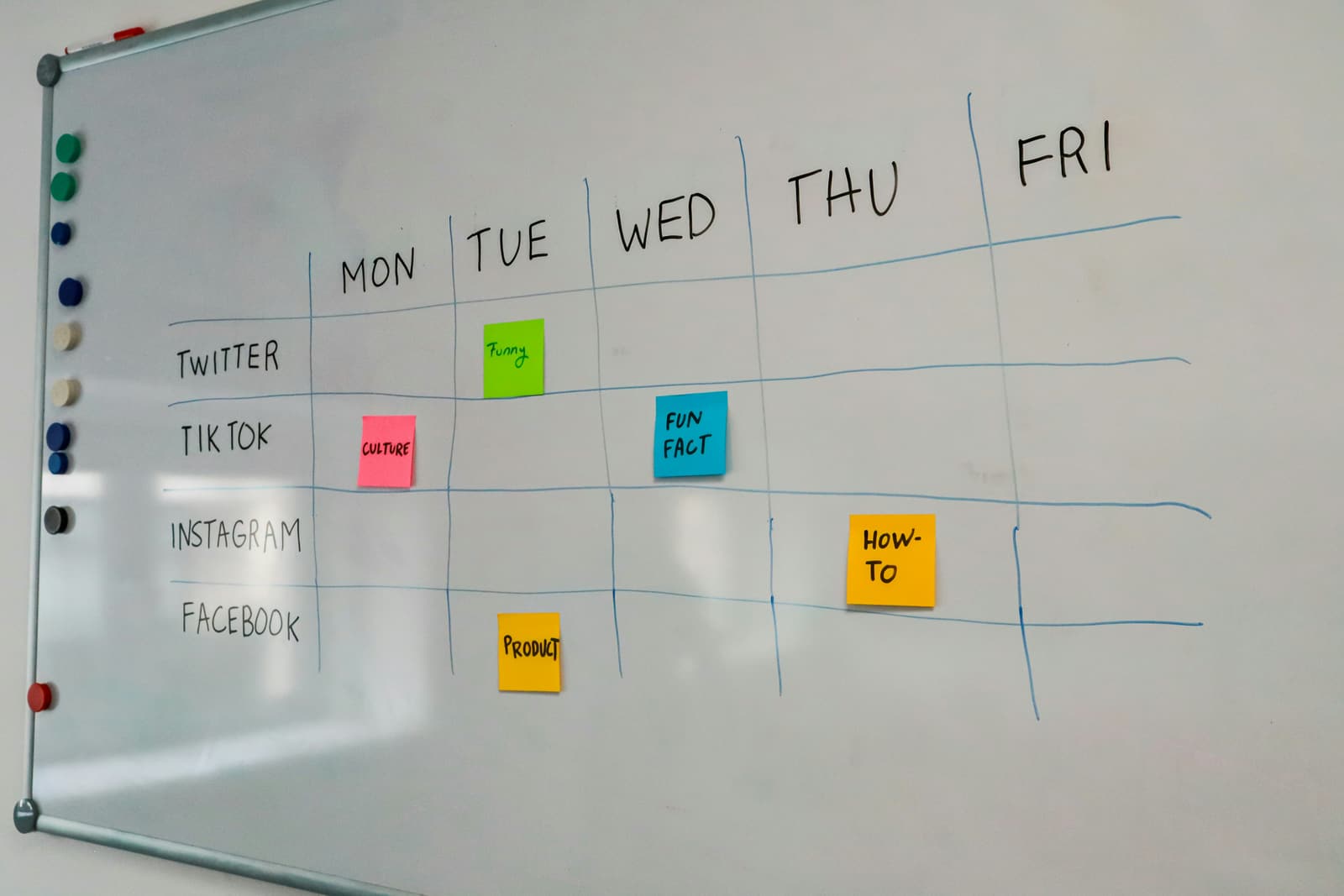
Storyboard and planning materials used for schedules, shot lists and location planning.

Production planning board by Walls.io / Unsplash Unsplash License

July 4, 2026

Production Schedule, Shot List and Storyboard Templates for Location Planning

Production schedule templates, shot lists and storyboards help location planning only when they expose rooms, access, light, sound, permits and recce risks.
German city skyline used for production hubs in Germany.

German city skyline by Florian Wehde / Unsplash Unsplash License

July 4, 2026

Film Production Hubs in Germany: Berlin, Hamburg, Cologne, Munich and Rhine-Ruhr

A practical comparison of Germany’s production hubs: Berlin, Hamburg, Cologne, Munich and Rhine-Ruhr by look, permits, crew base, transport, seasonality and private-location search.

SetScoutSetScout

© 2026 SetScout

SetScout is funded through the EXIST program by the Federal Ministry for Economic Affairs and Energy and the European Social Fund Plus (ESF Plus).

Federal Ministry for Economic Affairs and EnergyCo-funded by the European UnionEXIST - From Science to Business
Contact

PRODUCT

  • Script Analysis
  • Search

RESOURCES

  • Locations
  • Changelog
  • Blog

COMPANY

  • Imprint
  • Terms for searchers
  • Cookie Settings
  • Terms for hosts
  • Privacy Policy
  • Cookie Policy
  • P2B
  • Consumer Information for Hosts
  • Online Marketplace Information
  • Right of Withdrawal
  • Notice and takedown
  • DSA Information
  • Payment Terms
SetScoutSetScout

© 2026 SetScout

Contact

PRODUCT

Script AnalysisSearch

RESOURCES

LocationsChangelogBlog

COMPANY

ImprintTerms for searchersCookie SettingsTerms for hostsPrivacy PolicyCookie PolicyP2B
Consumer Information for HostsOnline Marketplace InformationRight of WithdrawalNotice and takedownDSA InformationPayment Terms

SetScout is funded through the EXIST program by the Federal Ministry for Economic Affairs and Energy and the European Social Fund Plus (ESF Plus).

Federal Ministry for Economic Affairs and EnergyCo-funded by the European UnionEXIST - From Science to Business
LoginSign up