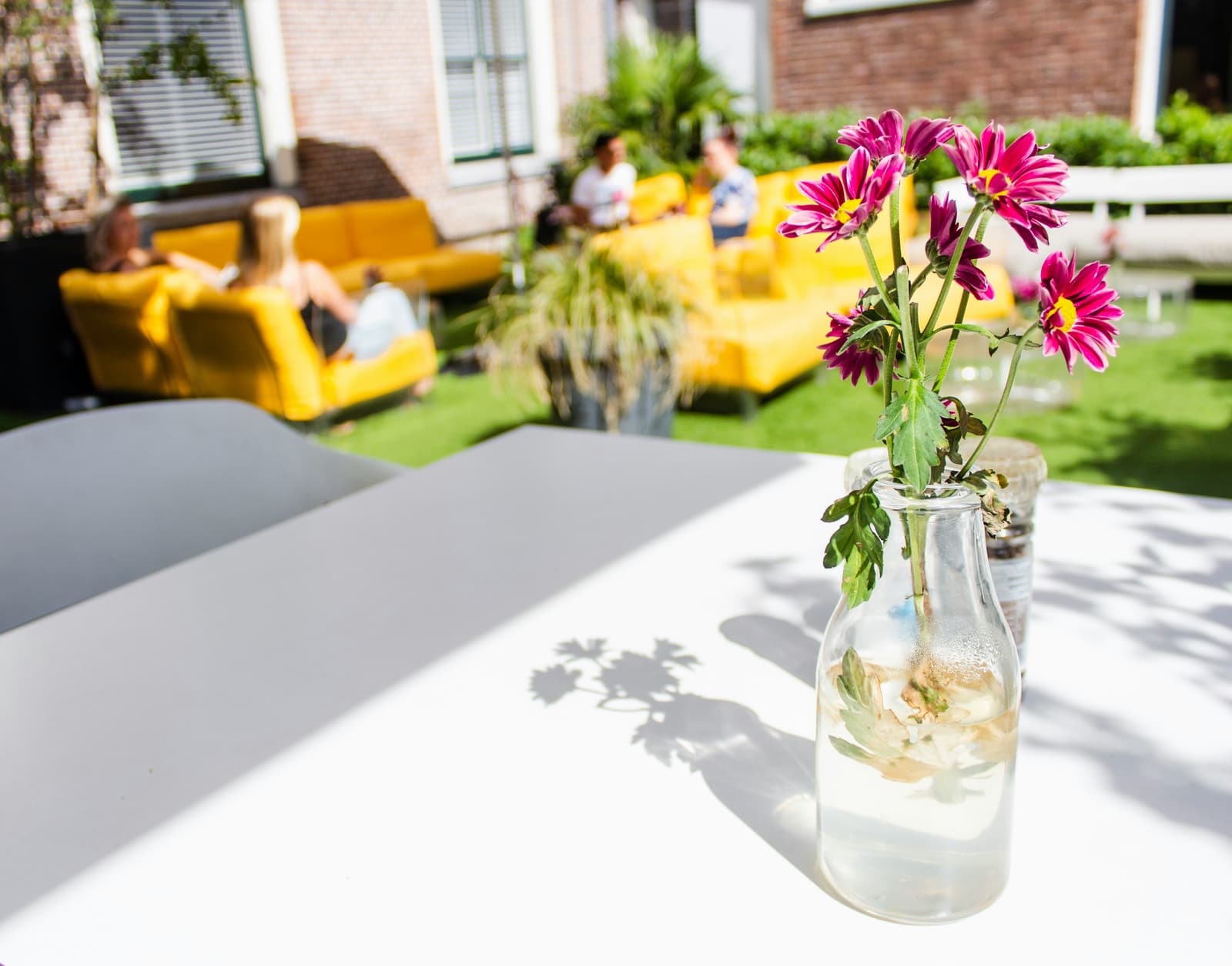
Cafe table with flowers by Louis Hansel / Unsplash Unsplash License
Restaurants, cafes and bars can be strong film locations when service, guests, kitchen, brand visibility and reset are separated cleanly. This guide shows what operators should clarify before accepting a film or photo request.
A restaurant or cafe can be a strong film location because atmosphere, furniture, kitchen, counter and street frontage already tell a story. For the operator, the more important question is not whether the place looks good. It is whether the shoot can be controlled without damaging service, staff rhythm or the brand.
The best request is therefore not the most creative one. It is the most concrete one: when is the shoot, which areas are needed, how many people will come, what happens to guests, who uses the kitchen, which logos are visible and who resets everything afterward?
Hospitality locations work best when the shoot sits clearly outside the strongest revenue windows. A cafe may be hard to shoot before opening if that is exactly when prep happens. A restaurant may be closed on Mondays but still have deliveries, deep cleaning or team meetings.
Operators should therefore check the real operating rhythm, not only the calendar: prep, service, delivery windows, cleaning, reservations, staffing, neighbors, terrace use, waste collection and cold-chain routines. A shoot is only well paid if it does not harm the next service.
If real guests or employees are visible, a location request quickly becomes a personality-rights issue. German KunstUrhG section 22 sets consent as the baseline for distributing or publicly displaying portraits. For operators, the practical rule is simple: no guest or team member should accidentally end up in frame.
There are three cleaner approaches: a closed shoot without guests, extras supplied by the production or clearly separated areas where real guests are not filmed. Staff should only be included with explicit agreement, defined tasks and approval.
Restaurants and cafes often contain visible brand surfaces: door logos, menus, cups, wall graphics, supplier signs, uniforms, social handles, QR codes or design objects. Operators should decide before the shoot what can be shown and what must be covered.
The kitchen is visually attractive for productions but sensitive for operators. Hygiene, refrigeration, knives, gas, fryers, allergens, stock, register workflows and delivery routines cannot be filmed or used casually. If the kitchen is only background, it should be treated differently from a scene involving real preparation.
German IHK hospitality guidance shows that food businesses have training, instruction and documentation duties around hygiene and infection protection. If a production works with real food, equipment or staff-only spaces, the business rules must remain in control.
If alcohol, cigarettes, vapes or real branded products appear on camera, the request should become specific early. Germany's Youth Protection Act includes rules for alcoholic drinks in hospitality settings and for smoking and tobacco products in public. Productions involving minors or publicly visible scenes need to clarify that in advance.
For operators, a useful house rule is this: what is legally, hygienically or brand-sensitive in normal service does not become simple because a camera is present. Prop bottles, non-alcoholic doubles, fake cigarettes and covered brands are often cleaner.
The location fee for a restaurant is not only rent for a room. It pays for time, access, exclusivity, operational risk and effort. If the shoot blocks a service, a standard day rate may be too low. If the shoot uses two hours outside opening time, a leaner price may fit.
Operators should not accept a request that only talks about a beautiful spot. Work details are what matter. Only with those details can you decide whether the shoot can sit beside normal operations or needs an actual closure.
For hospitality locations, reset is not optional. The next service needs clean tables, correct seating, a working register, clear paths, clean restrooms, full refrigeration and a team that is not left to clean up after the production.
Define who returns tables, removes adhesive, cleans floors, sorts glasses, removes waste, checks restrooms, sweeps exterior areas and signs the final inspection. If the venue opens the next day, the return must be realistic before the booking is accepted.
SetScout helps turn a vague location idea into a request that can be evaluated: dates, areas, crew size, usage, insurance and rules should appear early. For hospitality operators, that matters more than a long recce with too little production detail.
If you are already assessing commercial spaces, read /en/blog/rent-out-commercial-space-film-location-office-restaurant-shop-warehouse. For damage and reset, read /en/blog/damage-on-set-handover-record-deposit-photos-reset.
Sometimes, but it is rarely the easiest option. Guests, sound, privacy, service routes and revenue pressure make active service complicated. Closed times, partial areas or a full buyout are usually easier to plan.
Only if that is explicitly agreed. Kitchen, bar, refrigeration and storage are sensitive operating areas. Operators should define who may enter, which equipment is off limits, whether real food can be used and who cleans afterward.
Only with clear planning and consent. For many productions, it is easier to close the venue or use extras. Real guests should not accidentally appear in the shot.
Look at comparable days, reserved seats, staff costs, food cost, blocked hours and the risk to the next service. The location fee should pay for the real business restriction, not only the square meters.
If you want to offer your restaurant or cafe as a film location, define the shoot windows, blocked areas, kitchen rules, brand approvals, cleaning, reset and minimum fee first. That lets you recognize good requests faster and protect the next service.
More posts you might be interested in
Industrial interior location by Ümit Yıldırım / Unsplash Unsplash License
Searching film locations by motif works best when each category is briefed with look, era, rooms, logistics, rights and hidden constraints.
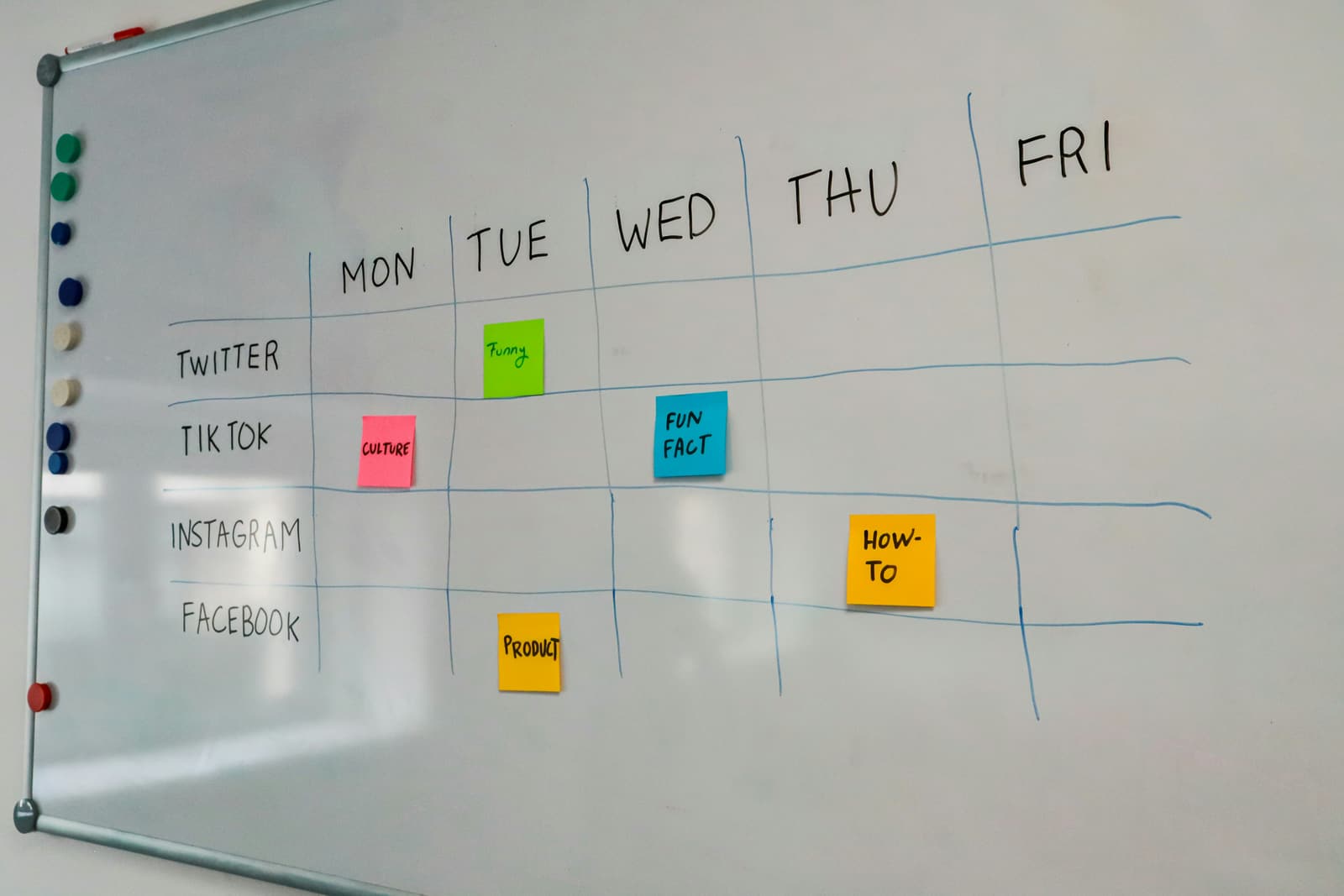
Production planning board by Walls.io / Unsplash Unsplash License
Production schedule templates, shot lists and storyboards help location planning only when they expose rooms, access, light, sound, permits and recce risks.
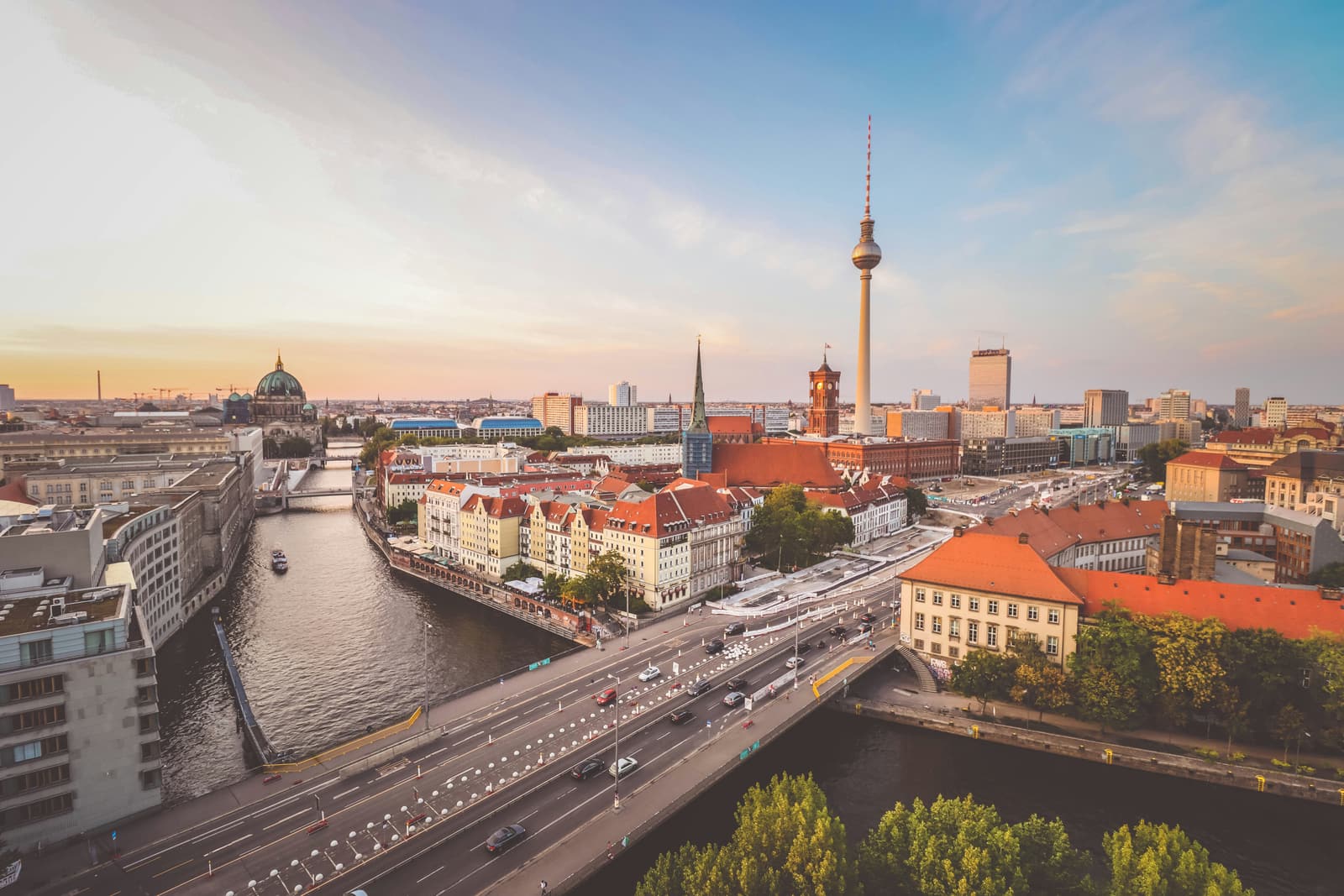
German city skyline by Florian Wehde / Unsplash Unsplash License
A practical comparison of Germany’s production hubs: Berlin, Hamburg, Cologne, Munich and Rhine-Ruhr by look, permits, crew base, transport, seasonality and private-location search.
