
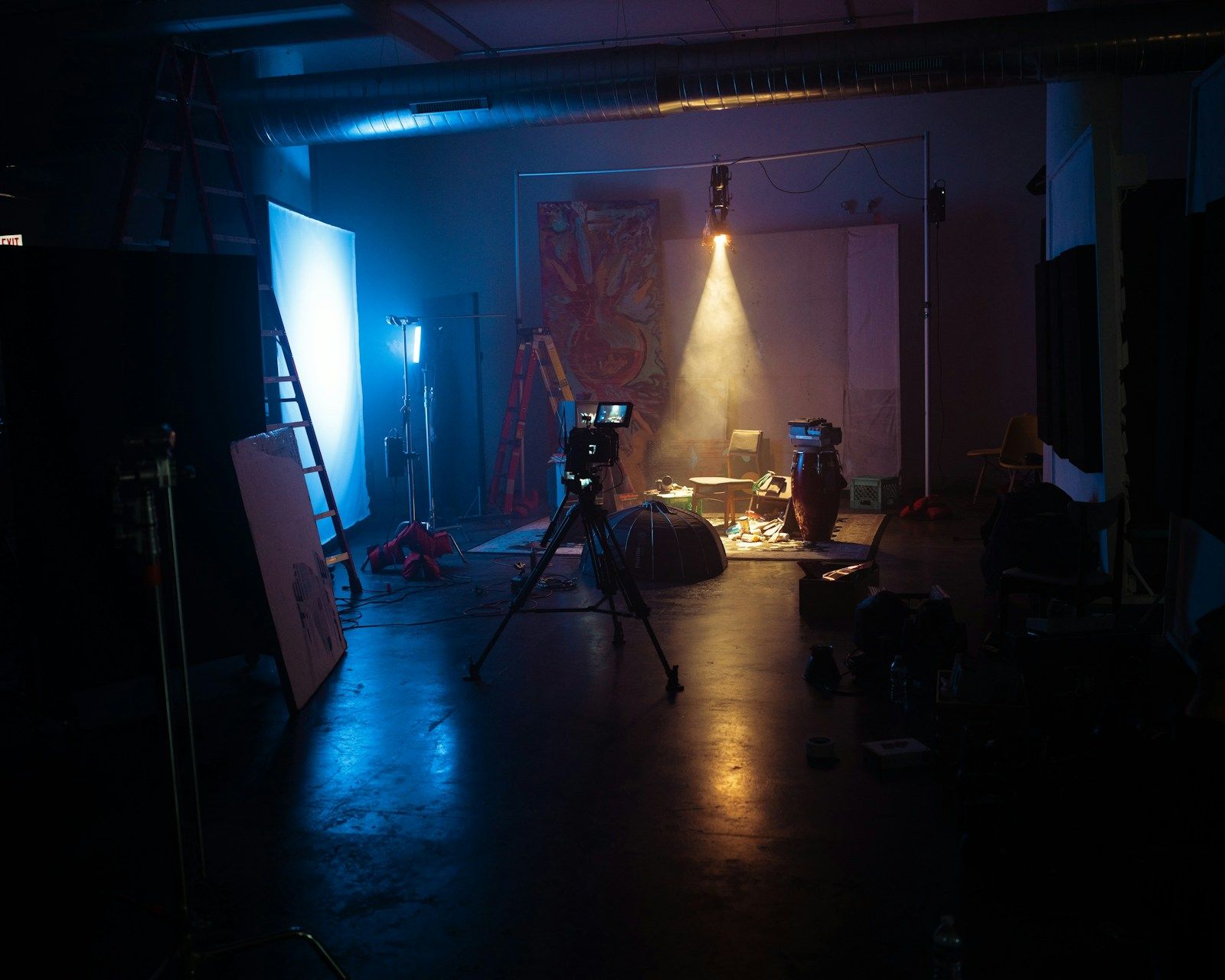
Photo by Joshua Wann on Unsplash by Joshua Wann Unsplash License
Film Studio vs Real Location: Compare Total Production Cost
A total-cost decision guide for choosing a film studio, dressing a real location or building a set when control and existing texture have different value.
Renting a film studio is not automatically more expensive than dressing a real location. The right choice is the option that delivers the required look with the lowest total production cost and the most manageable shoot risk. Compare day rate, set build, art department, lighting, sound, privacy, permits, weather, resets and strike together.
This guide gives producers, line producers and location scouts one framework for studios, real locations and built sets. Start with film studios on SetScout and place controlled spaces and character locations in the same shortlist.
Key takeaways
- Studio: choose it when repeatability, clean sound, lighting control, privacy and fast client approvals protect the shoot day.
- Real location: choose it when architecture, patina, signs of use or a specific sense of place would be expensive to build.
- Set build: choose it when sightlines, dimensions, resets, damage or variations need more control than an existing room permits.
- Never compare day rates alone. Compare the full schedule from prep and build through cleaning, strike and contingency.
The short answer: book the look and pay for control where it reduces risk
A real location is economical when it already carries most of the image and the production can work within its limits. A studio is economical when controlled conditions prevent extra dressing, repeated takes or another shoot day. A built set makes sense when neither a studio as an empty room nor an existing location offers enough control.
Create three budget columns: space cost, design and technical cost, and risk cost. Risk cost includes limited access, weather cover, sound windows, neighbors, confidentiality, reshoots and the consequences of delayed client approvals.
When a film studio is the stronger decision
A film studio earns its fee when control saves time. Predictable lighting, blackout, power, load-in, rigging, sound conditions, support rooms and secure equipment areas remove variables that must be inspected or negotiated one by one at a real location.
This matters for interviews, product films, tabletop, beauty, e-commerce, campaign variants, motion control and scenes that must match across several shoot days. It also helps on approval-heavy sets because setups do not have to follow daylight, business operations or neighbor restrictions.
Privacy belongs in the same calculation. Unreleased products, high-profile talent and sensitive campaigns need controlled access, closed areas and protected sightlines. Studios make that easier; real locations require explicit agreements about exclusivity, residents, staff, neighboring spaces and photography restrictions.
Do not judge a studio by floor area alone. Check ceiling height, ground-level access or freight lift, available circuits, rigging, sound, control room, make-up, styling, holding, catering routes and which construction methods the venue allows.
If the project depends on keying or virtual backgrounds, the choice leads into a separate workflow. The guide to green screen studio or real location compares post-production, tracking, lighting and location scouting in detail.
When a real location creates more value than control
A real location wins when the place visibly tells part of the story. Brick, patina, window geometry, signs of use, a period stairwell, workshop, clinic, home, school or operating store can provide scale and credibility before the art department starts.
Authenticity is worth the coordination only when the camera needs it. If most of the room will be covered, painted, blacked out or hidden behind scenery, the production pays both for the original place and for neutralizing it.
The strongest real location supplies the look with limited intervention. Plan around its character: tighter crew windows, clear protection zones, lighter equipment, defined sound periods and a realistic plan for daylight, weather and reset.
For productions that need natural light and an already shaped creative room, keep the guide to renting an atelier or daylight studio as a separate spoke. It distinguishes ateliers, daylight studios and conventional photo studios.
When set build makes sense despite the upfront cost
Set build is useful when sightlines, wall positions, doors, windows, surfaces, lighting paths or resets must be exact. It can also be the safer choice for repeated water, dirt, breakaway elements, effects or action that a real property owner would be unlikely to approve.
The price is lead time. Design, approvals, materials, transport, build days, safe loads and escape routes, technical review where required, storage, shooting, strike and disposal all need time and ownership. That overhead can be disproportionate for a location that appears only briefly.
A studio with a cyc or flexible stage is not the same thing as a finished set. Price the layers separately: space rental, base infrastructure, art department, construction crew, materials, rigging, technical equipment, prep days and strike.
Cost matrix: studio, real location or set build
Space and usage time
Count more than shoot days. Include recce, delivery, prep, build, lighting tests, client approval, shooting, buffer, strike and cleaning. A studio can save money through reliable access; a real location can become expensive through short windows, active operations or restricted hours.
Art department and dressing
A real location saves money when color, furniture, surfaces and atmosphere fit. Cost appears in floor protection, masking, moving and storing furniture, blackout, dressing and documented reset. In a studio, the budget depends on whether a neutral room is enough or a complete visual world must be built.
Lighting, sound and technical control
Studios are usually easier to black out and light repeatedly, but not every studio is soundproof. At real locations, a technical recce should check daylight path, street noise, lifts, HVAC, reverberation, fuse boards, cable routes and any limits on shutting systems down.
Privacy, approvals and house rules
Confirm usable areas, exclusivity, brands in frame, people in the background, photography and publication rules, alterations, fixings, flame, haze, noise and return condition. A clear approval matrix prevents creative decisions from being renegotiated on the shoot day.
A practical decision matrix
- Light and camera positions must repeat exactly: lean studio or set build. Natural window mood and real depth carry the idea: lean location.
- Sync sound, motion control or many variants are critical: lean studio. One distinctive place with fewer setups carries the scene: lean location.
- Product, talent or campaign needs privacy: lean studio. The real place itself is part of client approval: lean location.
- Large areas need hiding, protection or alteration: price studio and set build equally. The existing room needs only light dressing: favor location.
- Repeated resets, effects or controlled damage are required: lean set build. Architecture and signs of use would be expensive to reproduce: lean location.
What the request and estimate should include
Describe scene type, crew size, prep and shoot days, lighting and sound needs, set build, wall or ceiling work, vehicles, load-in, client approval windows, confidentiality, restricted hours, cleaning, strike and insurance requirements. Detail makes quotes comparable.
Build a shortlist of studios and real locations. Mark what each option provides, what must be built or protected and which risks remain open. Use SetScout to compare production logistics as well as visual fit.
Frequently asked questions
Is a film studio always more expensive than a real location?
No. A studio can cost less when control over light, sound, access, privacy and repeatability saves prep or prevents an extra day. A real location costs less when its existing look replaces set build and needs little dressing or protection.
When is authenticity more valuable than studio control?
When architecture, signs of use, neighborhood or sense of place makes the scene credible and cannot be swapped for another room. The production should then use the location's character instead of treating it like a neutral studio box.
When should a production build a set?
When dimensions, sightlines, reset, variations or safe effects need such precise control that an existing room creates too many compromises. The added lead time should be justified by better shooting conditions or meaningful reuse.
Next step: compare build versus book at full production cost
Put three credible options side by side: rent a film studio, dress a real location and build a set. Book the existing look when it carries the scene. Pay for studio control when it protects the shoot day. Plan set build early when only a constructed space can deliver the required repeatability and design freedom.
Recommended articles
More posts you might be interested in

none by Jakub Zerdzicki All photos and videos on Pexels can be downloaded and used for free.
Tax rules for income from renting out a film location
How to report profits from renting out your location correctly for German tax purposes
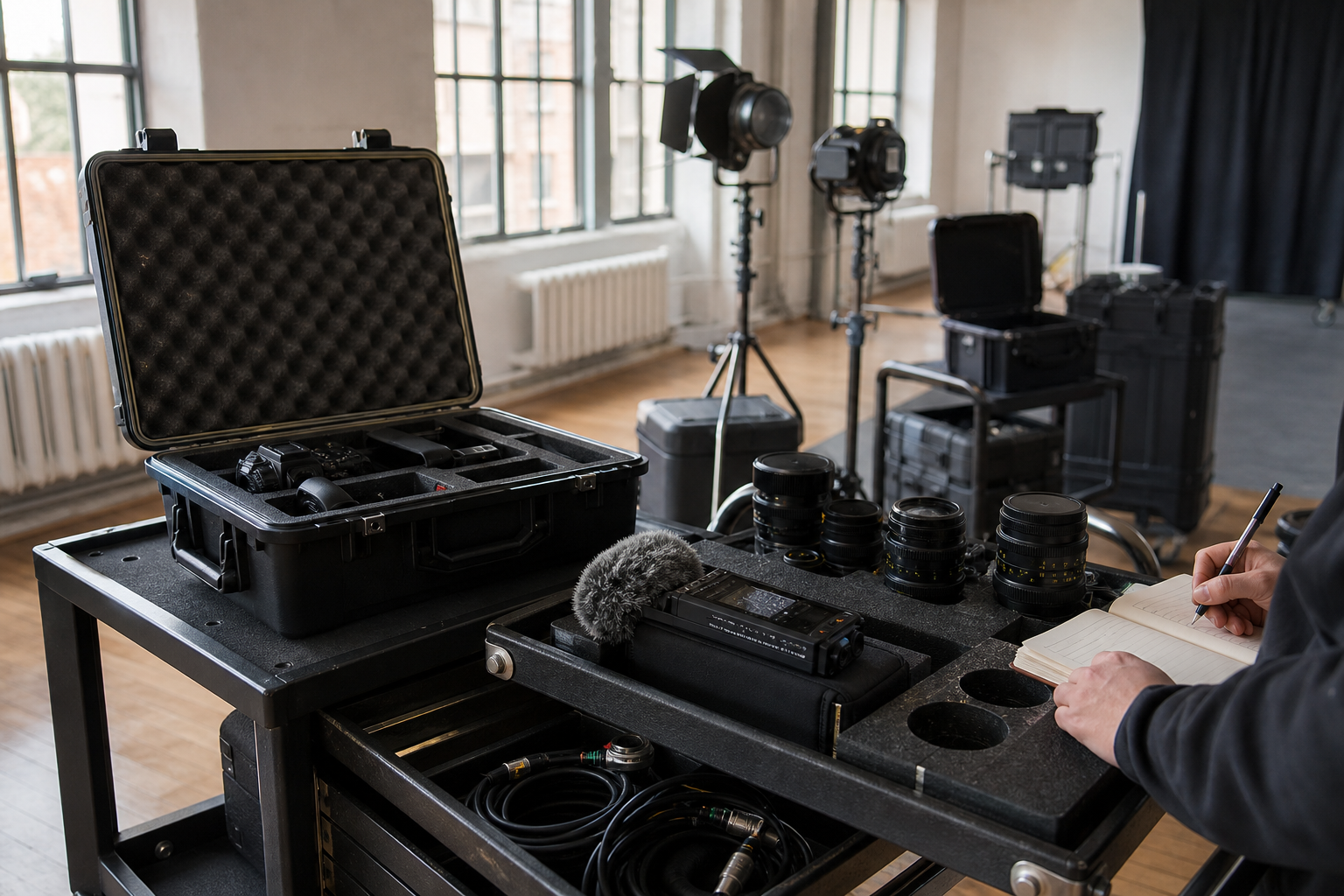
Inventorying film equipment before a location shoot by OpenAI image generation for SetScout Original image generated for SetScout; no third-party source image used
Film Equipment Insurance: Documenting Owned and Rented Gear
A practical checklist for cameras, lighting, sound and rented film equipment: confirm inventory, values, transport, storage and claims procedures before the shoot.
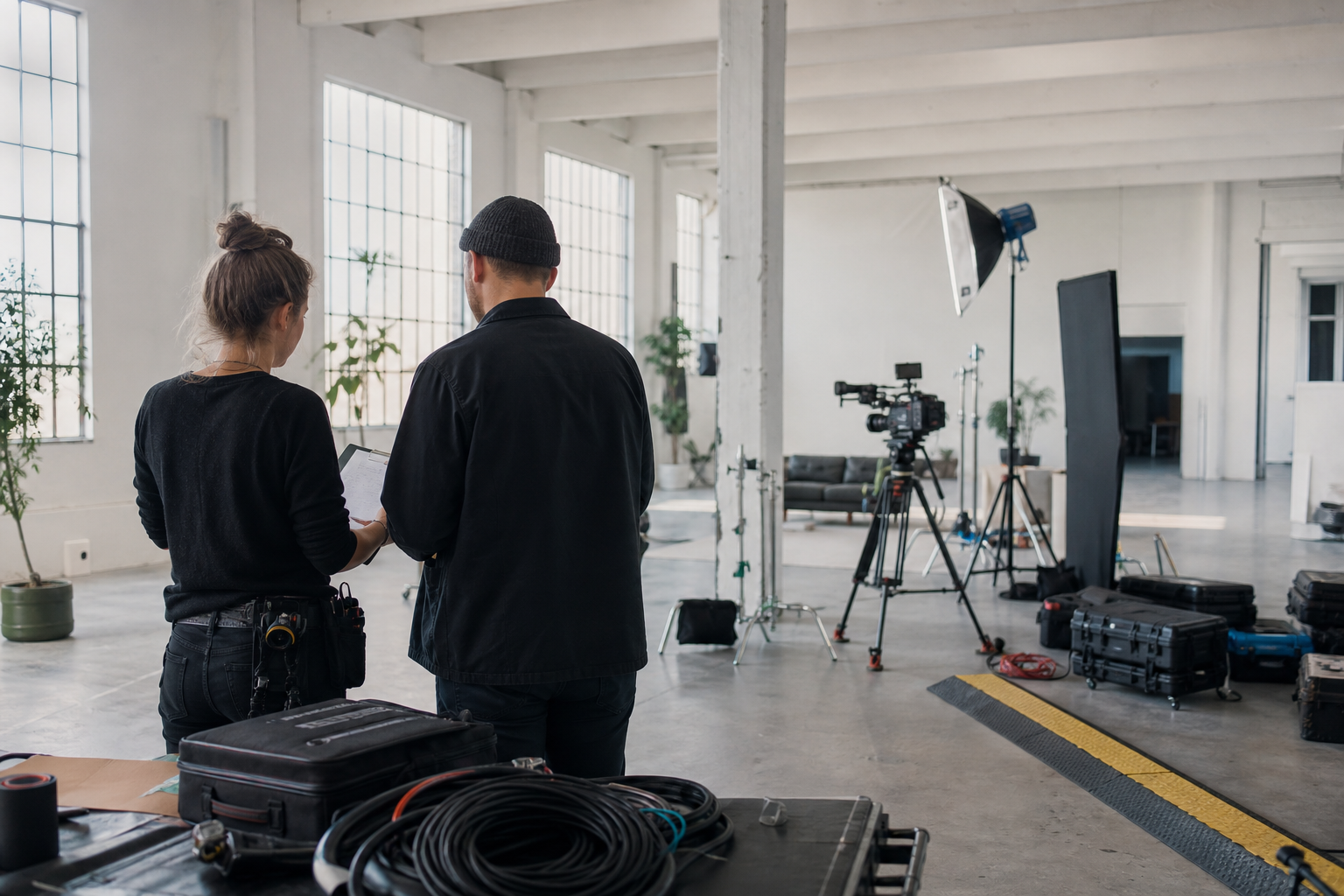
Film insurance for a production at a prepared location by OpenAI image generation for SetScout Original image generated for SetScout; no third-party source image used
Film Insurance for Productions: Coverage, Costs and Location Risks
Which insurance modules a film production should review, which details affect the premium and how to include locations properly in the risk assessment.