Photo by Leonardo Borneva on Unsplash by Leonardo Borneva Unsplash License
A tech recce checklist for camera, lighting, sound, art and production: power, noise, dimensions, rigging, safety, parking and go/no-go decisions.
A tech recce is not a second casual location visit. It is the appointment where camera, lighting, sound and production decide whether a location is technically reliable. A place can look perfect and still fail if power, sound, dimensions, rigging, safety, parking or schedule do not work.
The general location recce checklist helps with the broader location check. This article is narrower: it shows which technical decisions need to be made on site. For preparation, combine it with location scouting and the search for suitable locations.
A tech recce is worth doing when the location carries technical risk: sync sound, large lights, generator, delicate surfaces, heavy camera, rigging, many vehicles, night work, public areas, tight stairs, sensitive neighbors, visitor traffic, effects or a tight schedule. The more departments depend on the place, the less a photo gallery can prove.
For simple interviews or stills, a well-prepared location visit may be enough. Once several departments need to make decisions together, name the technical visit clearly. Everyone then understands that the goal is feasibility, not taste.
Production first decides which areas are actually needed: set, holding, makeup, wardrobe, catering, client area, monitor, equipment, waste, smoking area, toilets, loading, parking and retreat rooms. Without that spatial plan, camera and lighting cannot plan the location seriously.
Responsibilities also need to be clear: who can open doors, approve power, inform neighbors, operate elevators, block safety areas and make decisions around damage or delays? A tech recce without the right on-site contact often creates more questions than answers.
Camera checks whether the intended frames are realistic in the room. That includes lenses, distance, ceiling height, windows, reflections, sightlines, perspective, depth, color temperature, visible brands, mirrors, distractions and movement paths for dolly, gimbal, Steadicam or handheld work.
The decision is concrete: which shots are possible on site, which require set changes, and which need to be cut or replanned? If those questions appear on shoot day, the tech recce happened too late.
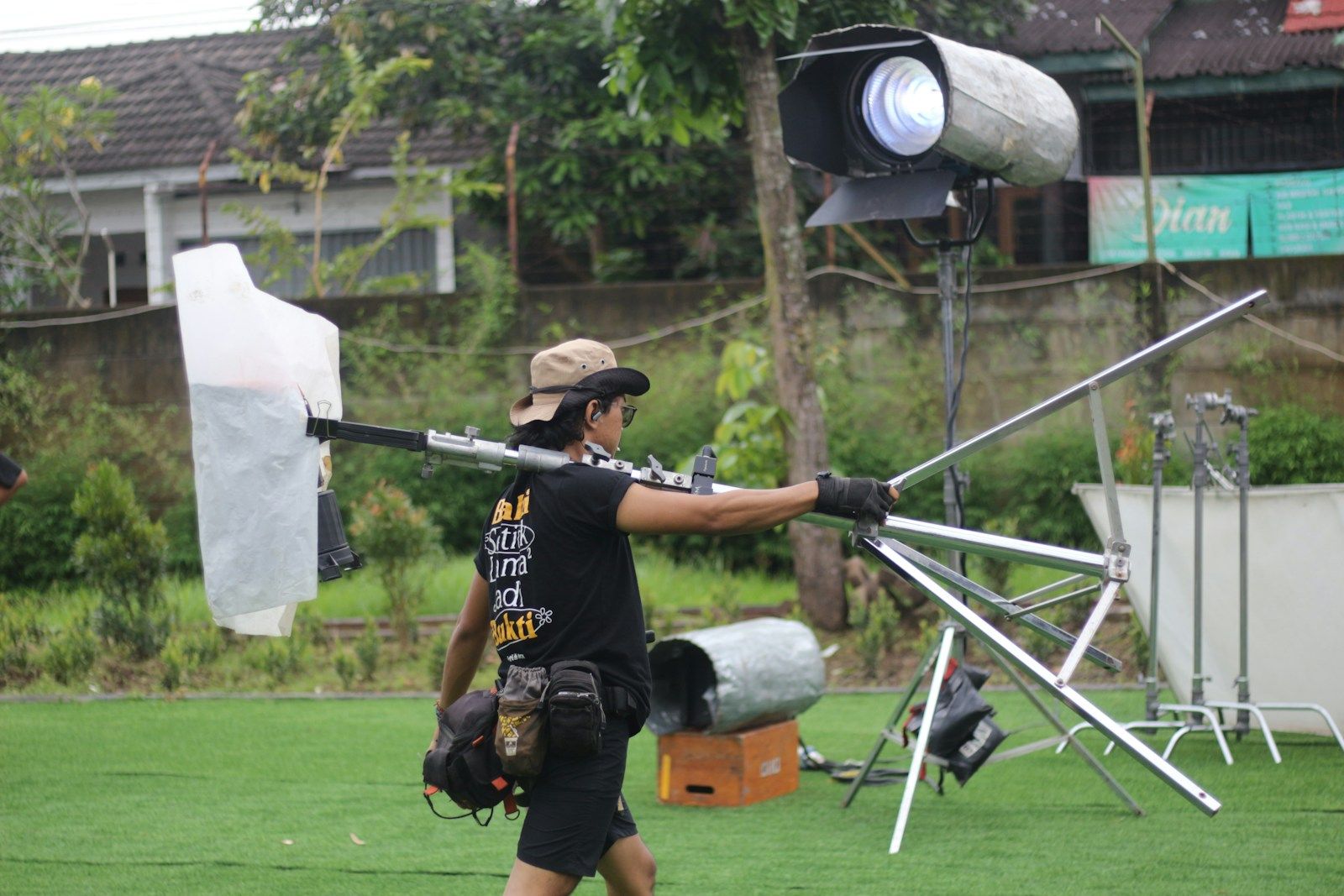
Lighting decides whether the existing conditions can be controlled. Check daylight movement, window size, blackout, circuits, fuses, sockets, generator position, cable routes, ceiling load, stands, fire safety, heat, flicker, practicals and whether lights can be placed outside the motif.
The output should be specific: which units fit, where they stand, which cable runs are safe, which areas must stay clear, and how much setup time is needed. A location is not technically ready just because it has sockets.
Sound checks everything images hide: roads, trains, flight paths, neighbors, fridges, ventilation, heating, reverb, creaking floors, elevators, construction, music, restaurants, animals, water pipes and visitor traffic. The most useful test is often silence: what does the room sound like when nobody speaks?
The decision is whether sync sound can be recorded here, at what times, with which shutdowns and which controls. If not, that needs to affect budget, schedule, ADR planning or the location decision early.
Art department needs to know what can be moved, taped, covered, painted, dressed, built or protected. Private homes, hotels, offices, heritage sites and event spaces often have strict limits. Floor protection, felt, molton, furniture moves and strike time belong in the technical check.
The key decision is not only how the place should look. It is whether the required interventions are allowed, affordable and reversible. If a room only works through forbidden changes, it is not a good filming location.
Rigging, ceiling load, railings, stairs, roofs, balconies, water, vehicles, pyro, haze, prop weapons, stunts and drones cannot rest on assumptions. Check which documents, insurance, operator approvals, safety staff or external specialists are required.
A tech recce must deliver a clear yes, no or “yes with conditions.” Unclear safety questions do not belong in the call sheet as hopeful open items. They need to be decided before booking or at least before final location approval.
Parking is a technical topic. Camera, lighting, sound, art and production need different proximity to set. Separate loading zone, technical vehicles, hero vehicles, crew cars, client vehicles, catering, generator and shuttle. Not everything needs to sit at the door, but everything needs a plan.
On site, decide where loading happens, where vehicles stay, which paths remain clear, which neighbors or authorities need notice, and how long setup and strike really take. A beautiful location without a loading plan is a risk.
A tech recce does not end with “looks good.” It ends with a go/no-go list: approve the location, approve with conditions, clarify further or drop the location. Every open question gets an owner, a deadline and an effect on budget or schedule.
The output should flow back into the request and booking: which areas are used, which equipment comes, which times apply, which rules were accepted and which conditions are still missing. That turns the tech recce into a reliable production decision.
A good tech recce protects budget, shoot day and the relationship with the location owner. Camera, lighting, sound and production do not have to solve everything on site, but they must force the right decisions: what works, what needs conditions, what remains open and what is a real no. Only then should a technically risky location be confirmed.
More posts you might be interested in
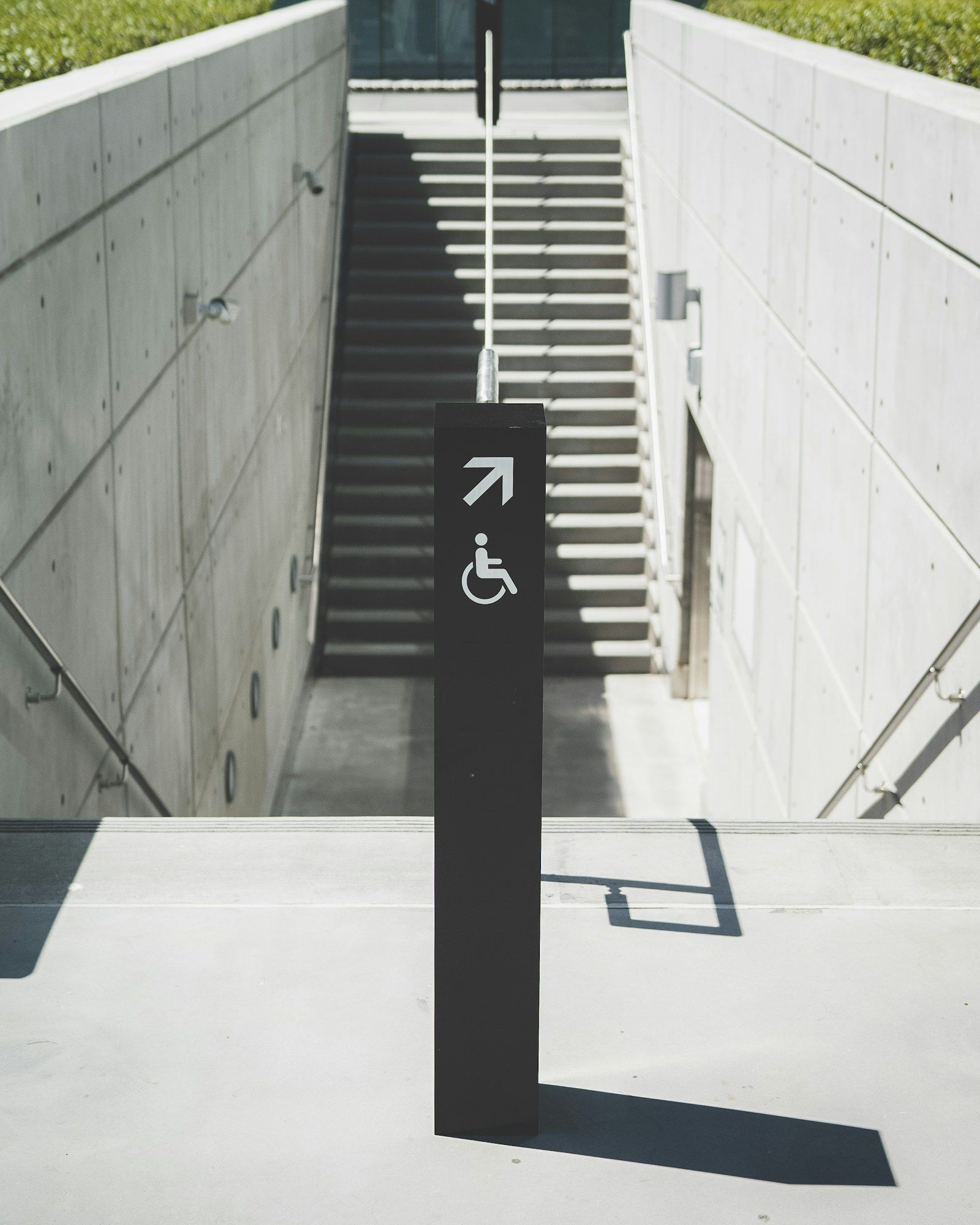
Photo by Joey Banks on Unsplash by Joey Banks Unsplash License
A practical access planning guide for productions and hosts documenting real routes, bathrooms, ramps, holding and limitations before booking.
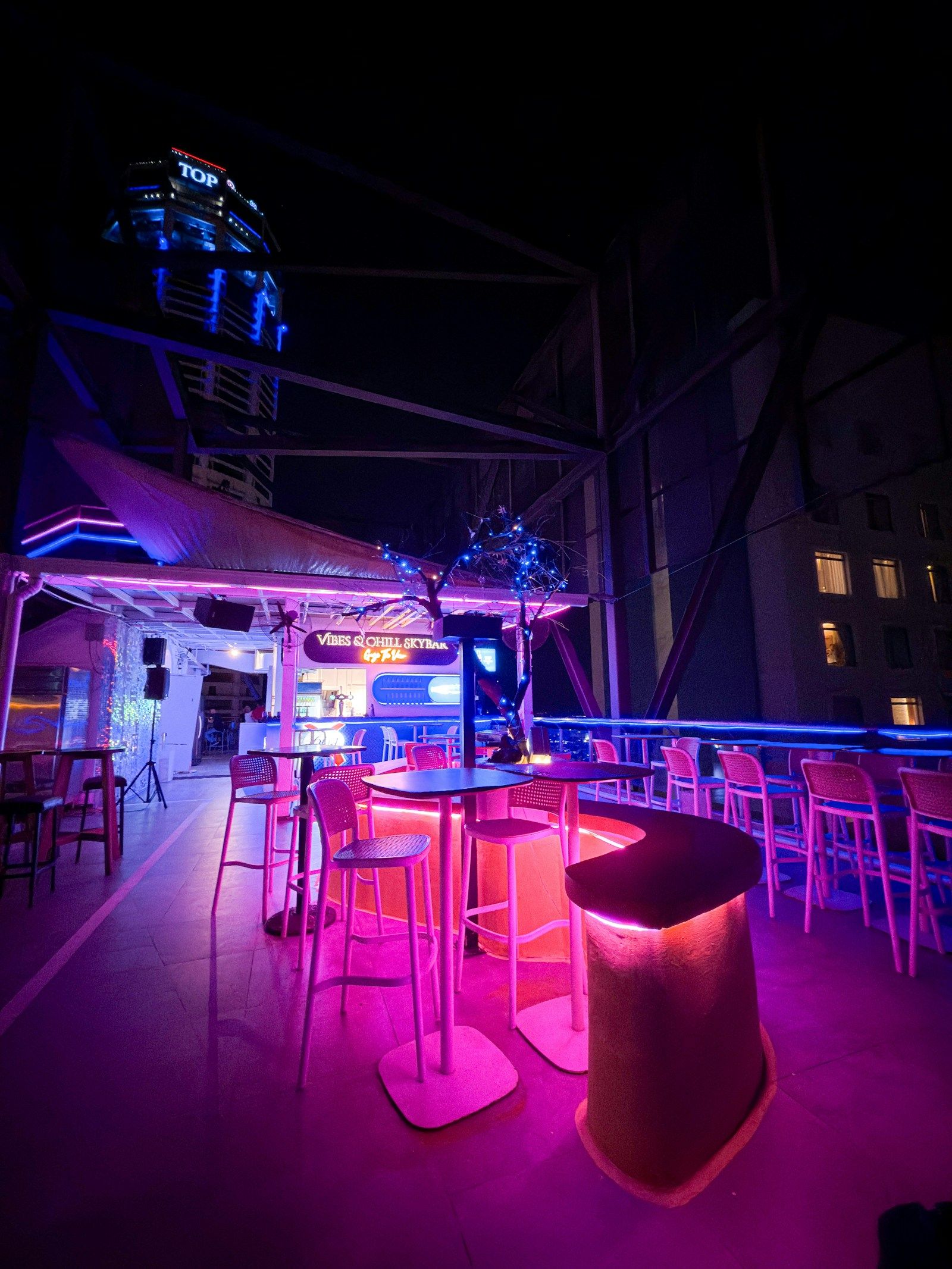
Photo by Ryan Liu on Unsplash by Ryan Liu Unsplash License
How productions should prepare bar, club and nightclub locations for music videos, fashion, commercials and nightlife content.
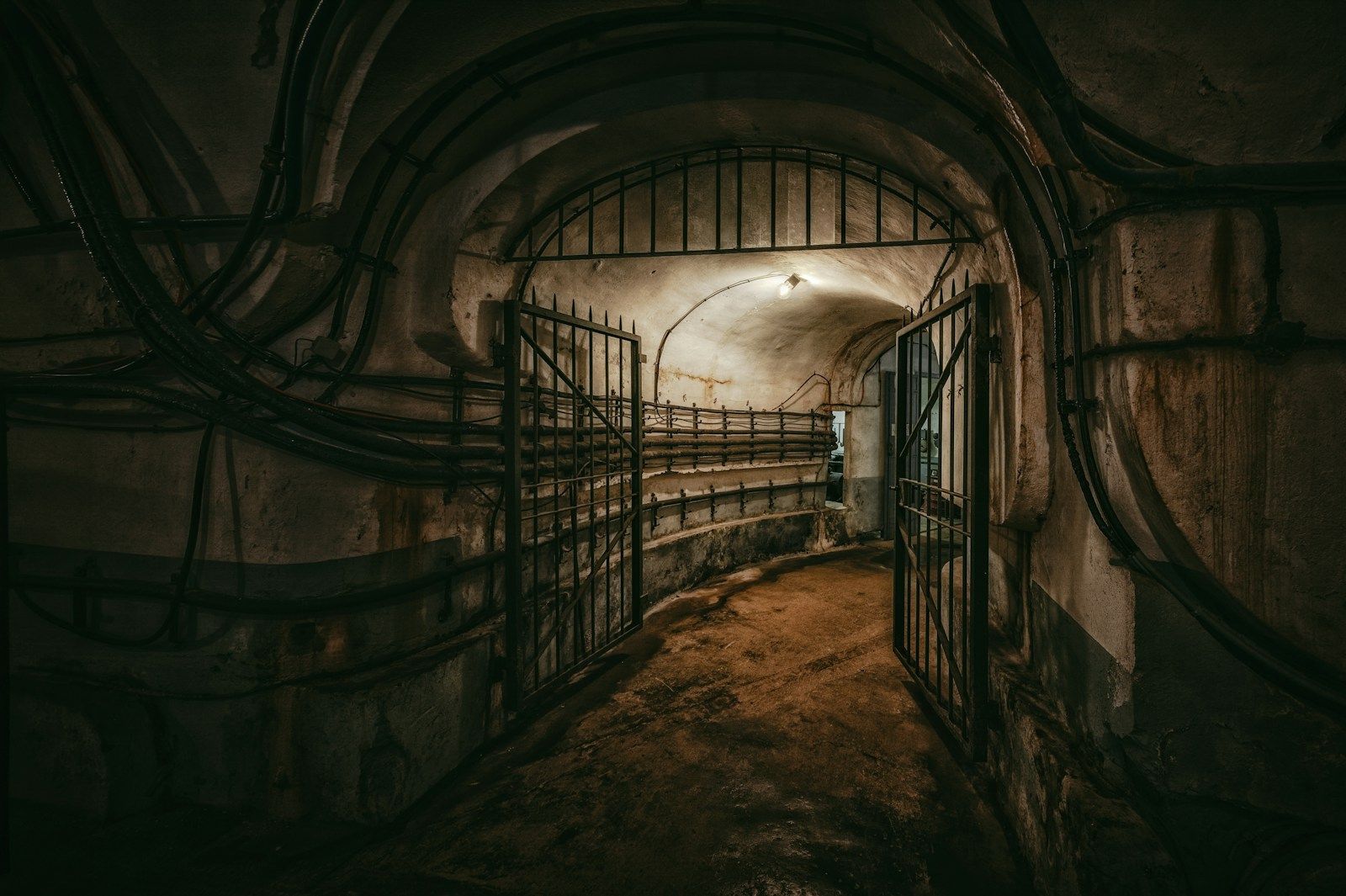
Photo by Peter Herrmann on Unsplash by Peter Herrmann Unsplash License
How productions should assess bunker, lost-place and special-motif locations without creating legal or safety risk.
