
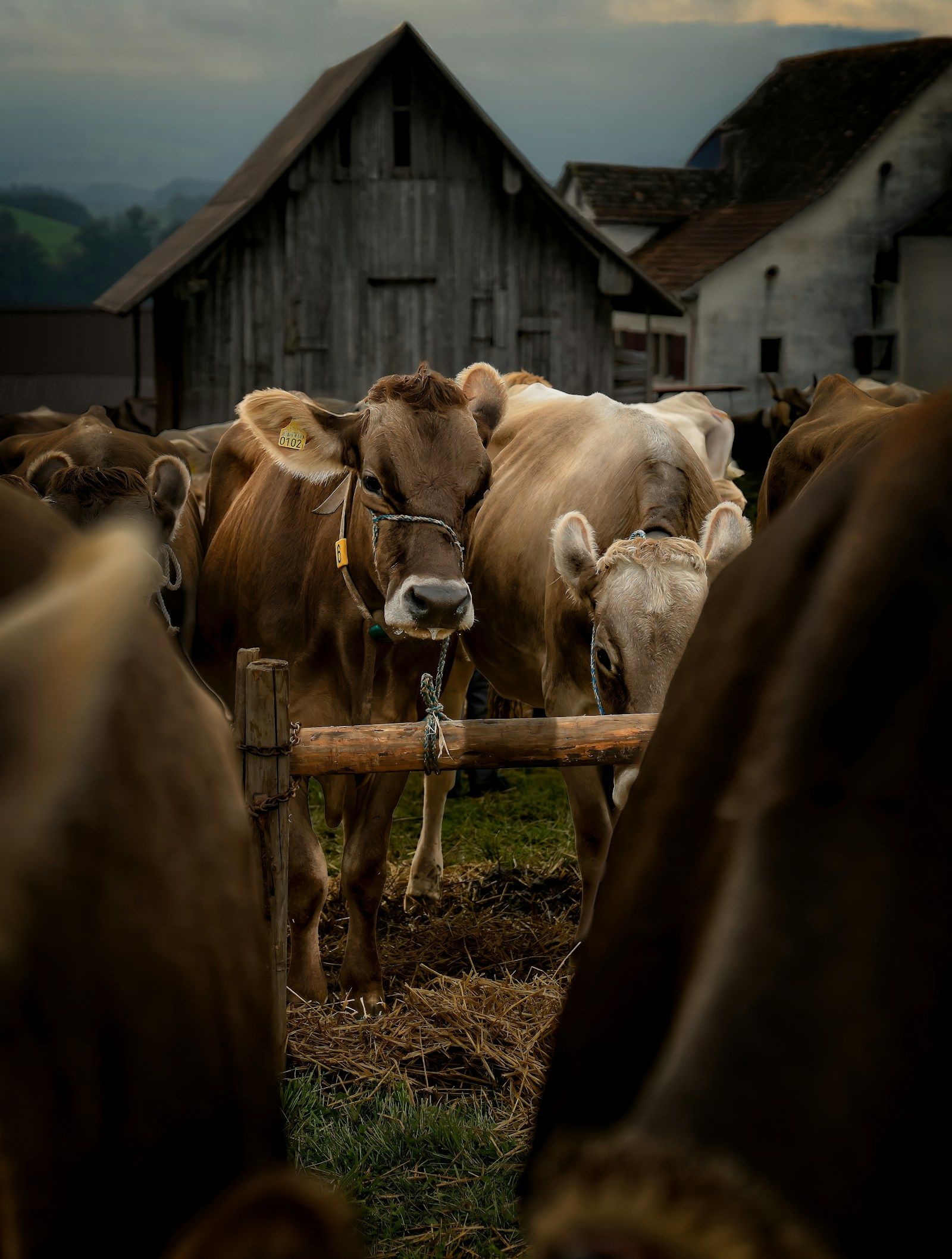
Photo by Ricardo Gomez Angel on Unsplash by Ricardo Gomez Angel Unsplash License
Farm, Barn or Country House as a Film Location: Animals, Weather, Access and Farm Operations
How productions and rural hosts should prepare farm, barn and country house locations for film, photo and brand shoots.
A farm, barn or country house can be a strong film location: open land, stables, machinery, animals, gravel roads, old timber, changing weather and real traces of work. That authenticity also makes rural motifs more demanding than many houses or studios.
This guide helps productions and rural hosts assess farm and barn locations realistically. Related SetScout guides cover the main film location hub, outdoor film locations and the host checklist for renting out a film location.
The short answer: farm motifs need more logistics than look
A farm works as a film location when the motif, operation and safety plan fit together. The key factors are not only barn, animals and landscape. They are access, parking, weather, power, toilets, machinery, farm work, neighbors, animal welfare, mud, reset and which areas are truly exclusive.
The request should not only send mood images. It should state whether animals are in frame, whether machinery runs, whether mud or straw is part of the look, how large the crew is, where vehicles stand, what time of day matters and how farm operations continue or pause during the shoot.
Animals are not set dressing
As soon as animals are visible, handled, moved or used for the scene, animal welfare becomes a production factor. Germany’s Animal Welfare Act puts the protection of life and wellbeing at the center. For filming with animals, the Berlin Brandenburg Film Commission points to permit duties under Section 11 TierSchG and the competent veterinary authorities.
In practice, use animals only when a knowledgeable person is involved, the animals are accustomed to set noise, light, people and routes, and stop criteria are clear. No animal should be stressed, chased, blinded, isolated or pushed into an unfamiliar situation for a shot.
Farm operations come before the shooting schedule
A farm is not an empty location. Feeding, milking, stable cleaning, deliveries, harvest, veterinary visits, machinery, family routines and seasonal work follow their own timing. A production needs to know those flows or it will quickly block routes, doors, machinery or animals.
Ask which jobs must happen on the shoot day, which areas are off limits, when machinery moves, whether animals are relocated, which routes need to stay clean and who from the farm can make decisions. A good schedule is built around the farm operation, not the other way around.
Access and parking often decide before the barn does
Rural motifs rarely fail because of the image. They fail because of access. Narrow field roads, soft verges, low branches, weight limits, steep drives, private tracks, wet grass and missing turning space can stop vans, generators, catering, make-up vehicles or equipment trucks.
Ask for exact directions, gate widths, turning options, ground condition, parking areas, loading points and photos of the access route. If vehicles are meant to park on grass, plan for weather. A surface that carries in sun can become a real risk after one night of rain.
Weather turns motif into infrastructure
Farms are often outdoor locations with interior options, not the other way around. The SetScout guide to weather, power, toilets and backup locations for outdoor shoots applies directly: rain, wind, heat, mud, cold and changing clouds affect look, safety, transport, sound and reset.
Plan not only the scene, but the routes in bad weather. Where do shoes stay dry? Where do cases stand? Which ground must not be damaged? Are there shelters for talent, camera, clients and animals? Who decides when a meadow can no longer carry vehicles?
Power, water and toilets are not automatic
A country house can look comfortable and still lack enough power for light, video village, heating, steamer, chargers or catering. Barns and stable areas may have sockets, but not necessarily separated circuits, clean cable routes or the right protection.
Clarify house power, three-phase power, water points, toilets, washing facilities, holding rooms, heating, internet and mobile reception. If generators are needed, add noise, exhaust, placement, cable routes, neighbors and animal welfare. A generator next to a stable or residence is rarely a good idea.
Machinery and tools stay real hazards
Tractors, trailers, hay bales, forklifts, ladders, saws, feed systems, silos, manure pits, electric fences and stable equipment look authentic in frame. They are also real working equipment, not props. They should be moved or operated only by authorized and briefed people.
For the production, that means machinery should be locked down, moved out or planned with farm staff. Crew routes should not pass through work zones. If machinery is in frame, define distance, blocked zones, clear signals, no improvised rides and one responsible contact person.
Season decides look, noise and availability
Rural motifs change more than interiors. Spring, harvest, high summer, autumn, snow, bare trees, empty barn, full barn, freshly cut meadow or muddy yard tell different stories. Animals, feed, fields and machinery also do not stay available in the same way year-round.
Ask not only about availability, but about seasonal condition. When is the field green? When is the barn full? When does harvest traffic run? When are animals on pasture? When are access routes dry? A rural shoot often needs a look window, not just a free date.
Neighbors, village life and sound need early attention
Sound travels differently in rural areas than in cities. Generator, playback, drone, night lighting, many vehicles or smoke can stand out quickly. At the same time, dogs, tractors, church bells, chainsaws, wind, birds, stable ventilation and neighboring farms can affect production sound.
Hosts should know which neighbors need to be informed. Productions should ask about quiet hours, access conflicts, hunting, riding paths, school buses, deliveries or village events. A farm shoot often affects a small local traffic system, not only one private property.
Reset means more than sweeping the floor
After a farm shoot, more than a living room needs to be restored. Routes, meadows, stable aisles, gates, fences, animals, machinery, bedding, hay bales, garden, barn, yard, trash, mud and vehicle tracks all need to return to an operational state.
A good reset plan includes before photos, defined no-go zones, protection for floors and grass, trash and cleaning rules, damage responsibility, host sign-off and a decision on whether tire marks, mud or straw are part of the desired look or must disappear afterwards.
The request should read like a farm-operation plan
A solid request names motif, usage, crew size, vehicles, equipment, light, sound, animals, machinery, closed areas, weather plan, power, toilets, parking, catering, neighbors, insurance, reset and contact people. The more concrete these points are, the faster a farm can give a reliable yes or no.
For hosts, the film location checklist for owners and operators is a useful companion. For productions, the guide to the perfect location request is the next step.
How SetScout can help
SetScout helps you search for rural motifs by more than romance. Describe animals, farm operations, access, weather, crew size, power, toilets, parking and reset. That turns a beautiful farm image into a request a host can actually evaluate.
If you want to request or list farms, barns, country houses or other rural motifs, start with the SetScout film location hub and ask production-logistics questions early.
FAQ
Can you simply film animals on a farm?
Do not treat it as a casual background detail. If animals are handled, moved or deliberately used for a scene, involve the animal holder, knowledgeable people and, depending on the case, the competent veterinary authority. Even background animals need planning around stress, noise, light and routes.
What matters when using a barn as a film location?
A barn needs more checks than its look. Clarify floor condition, dust, fire safety, power, drive-through access, straw, load limits, exits, animals, machinery, light, sound and whether it is truly free during production. Old barns can be strong motifs, but they are rarely neutral studios.
How should a farm prepare for a shoot?
The host should define usable areas, mark no-go zones, explain operations, secure animals and machinery, describe access and parking, inform neighbors and agree on reset. The production should disclose all vehicles, equipment, crew zones and weather options before the booking.
Recommended articles
More posts you might be interested in

none by Jakub Zerdzicki All photos and videos on Pexels can be downloaded and used for free.
Tax rules for income from renting out a film location
How to report profits from renting out your location correctly for German tax purposes
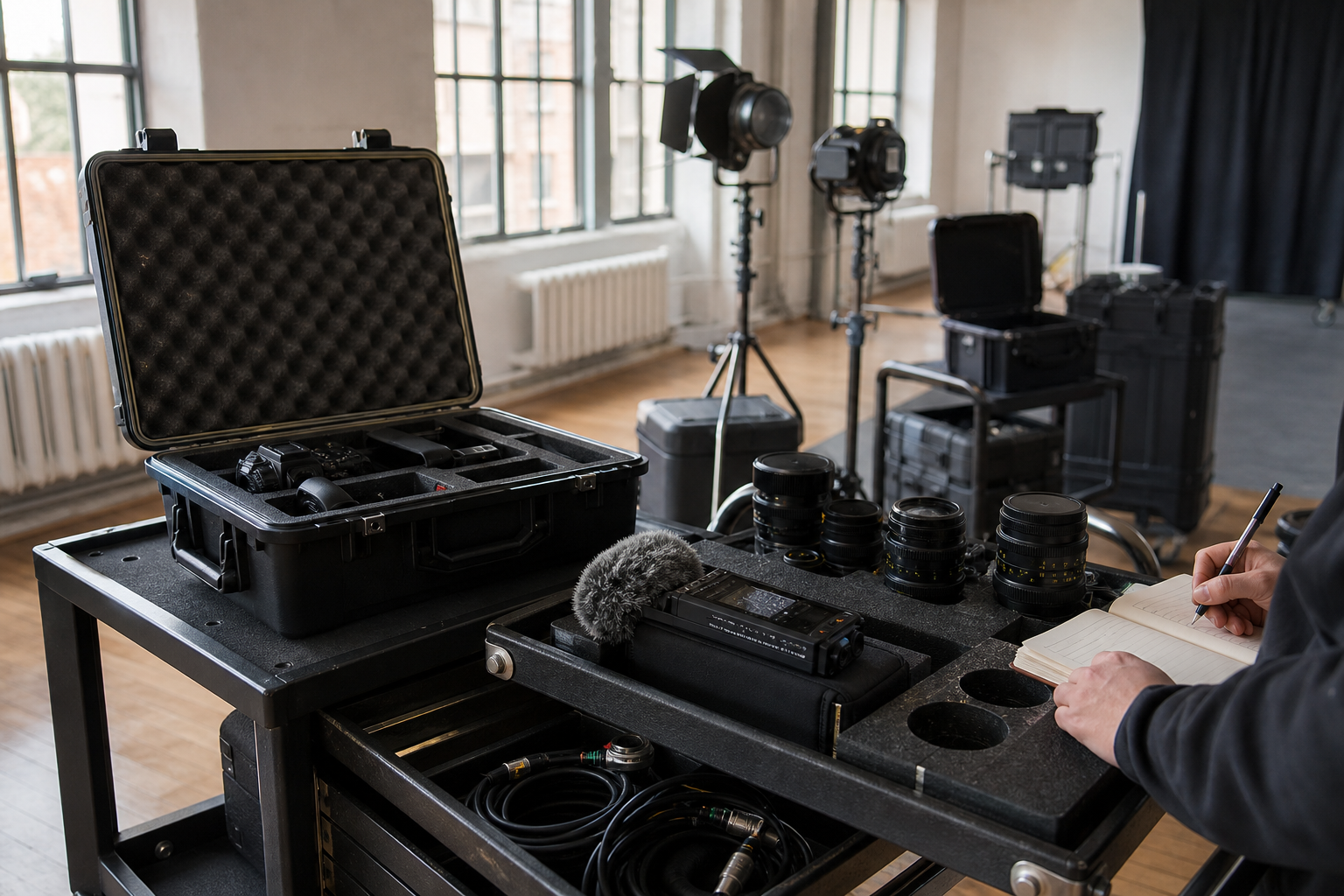
Inventorying film equipment before a location shoot by OpenAI image generation for SetScout Original image generated for SetScout; no third-party source image used
Film Equipment Insurance: Documenting Owned and Rented Gear
A practical checklist for cameras, lighting, sound and rented film equipment: confirm inventory, values, transport, storage and claims procedures before the shoot.
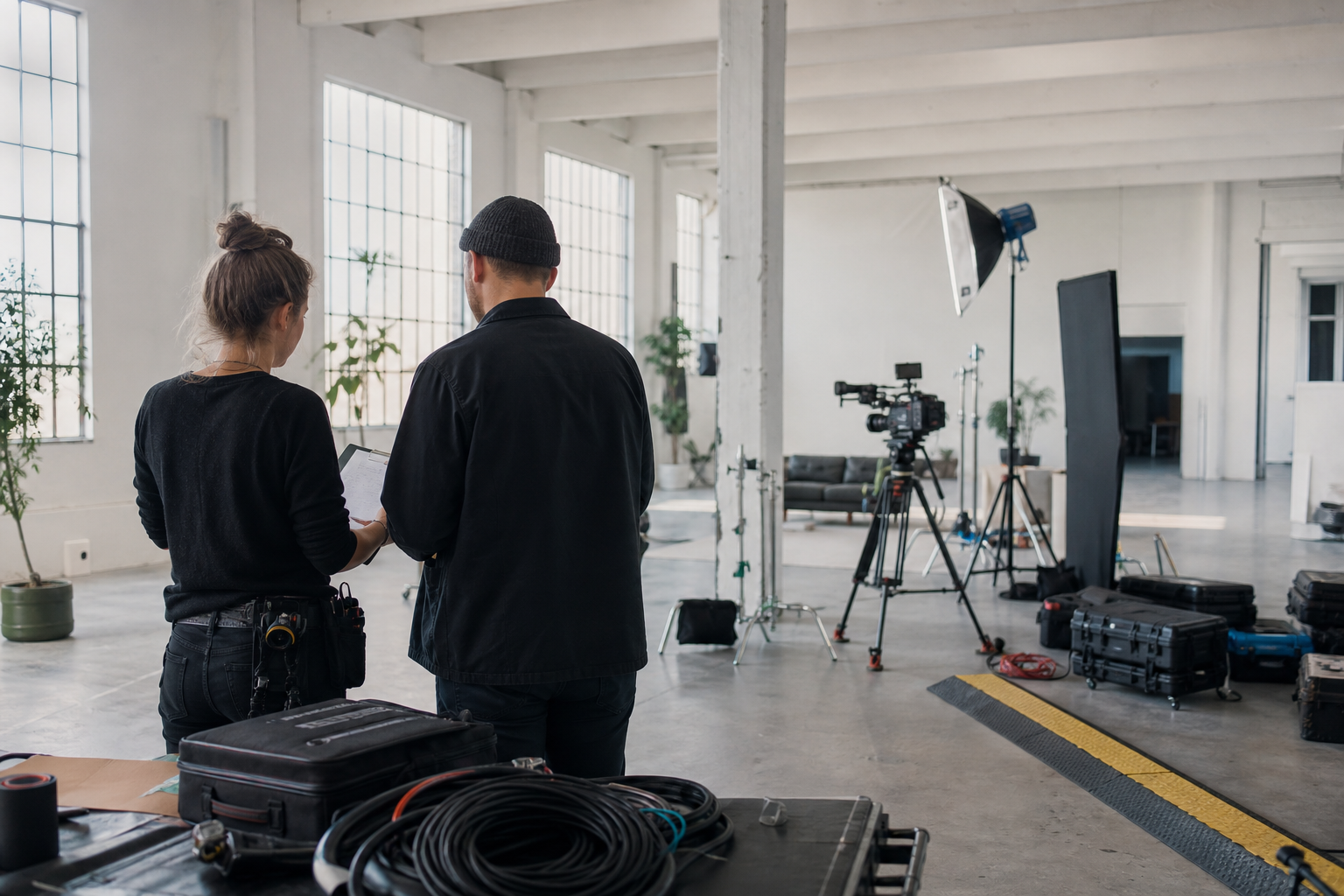
Film insurance for a production at a prepared location by OpenAI image generation for SetScout Original image generated for SetScout; no third-party source image used
Film Insurance for Productions: Coverage, Costs and Location Risks
Which insurance modules a film production should review, which details affect the premium and how to include locations properly in the risk assessment.