

Photo by Amjith S on Unsplash by Amjith S Unsplash License
Film Location Glossary: 40 Production Terms from Recce to Buyout
40 practical location terms for requests, recces, agreements, call sheets and alignment between production, host and client.
Film production uses many terms that appear in location requests, agreements, recce notes and call sheets. This film location glossary explains 40 practical terms so junior producers, hosts, clients and international partners can use the same language faster.
For deeper context, use the SetScout guides to recce meaning, location agreements and insurance, location fees and buyouts and the location recce checklist.
How to use this film location glossary
Use these terms in requests so host, production, client and departments share expectations early. A clear term does not replace a conversation, but it prevents “we only need short access” from later meaning load-in, prelight, overtime and strike.
40 terms for location requests
Motif
A motif is the specific place or room being considered for a scene: apartment, office, hall, street, garden or special space. It should mean more than look; access, rules and scope matter too.
Location
Location is the general production term for a film or photo place. In practice it includes the motif plus address, contact, access, availability and use terms.
Film Location
A film location is a place that can be used for film, photo, advertising or content production. Strong film locations are not only visual; they are accessible, controllable and cleared for use.
Location Scouting
Location scouting is the process of finding, evaluating and preparing places before a shoot. It connects the creative brief with budget, schedule, permits, logistics and risk.
Location Scout
The location scout researches, finds, documents and checks potential locations. Depending on the project, the scout may also support requests, recces, permits and handoff to production.
Recce
A recce is the site visit before a final decision. Teams check look, light, sound, access, power, neighbors, safety and the questions photos cannot answer.
Motivbesichtigung
Motivbesichtigung is the German term often used for a location recce. It should be a decision-focused visit with technical and production questions, not only a walkthrough.
Tech Recce
A tech recce is the technical site visit with camera, lighting, sound, art and production. It decides how the location will actually be used, wired, controlled and protected.
Tech Scout
Tech scout is often used similarly to tech recce. It means the technical check before production and departments lock their plan.
Location Agreement
A location agreement sets out the use of a location: dates, areas, rights, fee, rules, strike, damage, overtime and responsibilities. It records the deal; it does not replace a clear request.
Property Release
A property release is written permission to use a property or recognizable space on camera. It appears often in international or commercial production workflows.
Usage Rights
Usage rights describe how footage may be used: media, territory, duration, campaign, social ads, TV, streaming, print or stills. Separate them from the physical shoot window.
Buyout
A buyout is a broad usage clearance for a fee, usually tied to media, territory and duration. The important question is what exactly is included and what remains excluded.
Location Fee
The location fee is the payment for using the location. It depends on type, duration, effort, exclusivity, dressing, risk, reach and included services.
Holding
Holding is a waiting or staging area for crew, cast, client or equipment. Good holding keeps corridors, neighbors and sensitive rooms from being blocked.
Unit Base
Unit base is the production base near or outside the location: vehicles, catering, wardrobe, make-up, holding, toilets and coordination. On small shoots it can be minimal.
Restricted Area
A restricted area is a part of the location that may not be entered, filmed or used. It should be marked and known to every department before the shoot.
No-go Area
No-go area is a common term for blocked or sensitive zones: private rooms, server rooms, client data, neighbors, art, dangerous areas or spaces outside the agreement.
Permitted Areas
Permitted areas are the parts of a location explicitly cleared for use. They should appear in the request, agreement and call sheet.
Set Build
Set build covers physical or design interventions: walls, furniture, props, paint, rigging points, floors or scenery. It needs approval, protection and a strike plan.
Dressing
Dressing means preparing the location visually for the scene. Furniture, props, plants, art, books, curtains, product placement and removing distractions all belong here.
Reset
Reset means returning a scene or location to a previous state after a take, scene or shoot day. It can include furniture, props, cleaning, floors and lighting positions.
Strike
Strike is the removal of equipment, set build, props and production material. A location is not finished until strike and return condition are complete.
Prelight
Prelight is lighting setup or testing before the shoot day. It saves time but needs access, power, safety and approval if equipment stays overnight.
Call Time
Call time is when people must arrive on set. For locations, call time must align with access, load-in and building rules.
Overtime
Overtime is use beyond the agreed time. Define hourly rate, rounding, decision-maker and latest end time before the shoot.
Wrap
Wrap marks the end of filming or a production unit. For the host, wrap is not always handover because strike, cleaning and inspection may follow.
Load-in
Load-in is bringing equipment, props and material into the location. Door widths, lifts, stairs, parking, floor load and protection routes decide whether it works.
Load-out
Load-out is removing material after the shoot or strike. It needs clear routes and times, especially when the building returns to normal operations.
Power Run
Power run describes the cable path from power source to equipment. Long runs, trip hazards, fuses and load limits should be checked on the tech recce.
House Power
House power is the existing power supply of a location. It may be enough for small shoots, but lighting, kitchen, machines, heating and sound need separate checks.
Blackout
Blackout means blocking daylight or unwanted light. Glass, skylights, illuminated signs and neighbors can make it harder than expected.
Ambient Sound
Ambient sound is the base sound of a location: HVAC, street, neighbors, fridges, water, machinery or people. Sound problems often start here.
Picture Lock
Picture lock is the point when the edit should no longer change visually. It matters indirectly for locations because late usage or clearance changes can get expensive.
Call Sheet
The call sheet summarizes schedule, times, contacts, addresses, rules, locations, weather, emergency details and departments. Location rules should be visible there.
Location Brief
The location brief explains what is being searched for and which conditions matter. It should include look, rooms, logistics, rights, budget and no-go points.
Shortlist
The shortlist is the narrowed set of serious location candidates. It should show criteria, risks, open questions and next steps, not just favorites.
Weather Hold
Weather hold is a reserved time window or fallback plan for weather risk. Exterior locations need a clear decision path and cost rule.
Certificate of Insurance
A certificate of insurance is proof of insurance often requested in international workflows. In Germany, teams may more generally ask for production liability confirmation.
Release Window
The release window is the period in which the finished asset will be used or distributed. It matters when location usage rights are tied to a campaign or media run.
Next step: put shared terms into the request
Do not paste every term into every request. Pick the five to ten that matter for the motif: areas, times, usage, set build, sound, power, strike and rights. Then production can search more precisely on SetScout and hosts can answer more clearly.
Recommended articles
More posts you might be interested in

none by Jakub Zerdzicki All photos and videos on Pexels can be downloaded and used for free.
Tax rules for income from renting out a film location
How to report profits from renting out your location correctly for German tax purposes
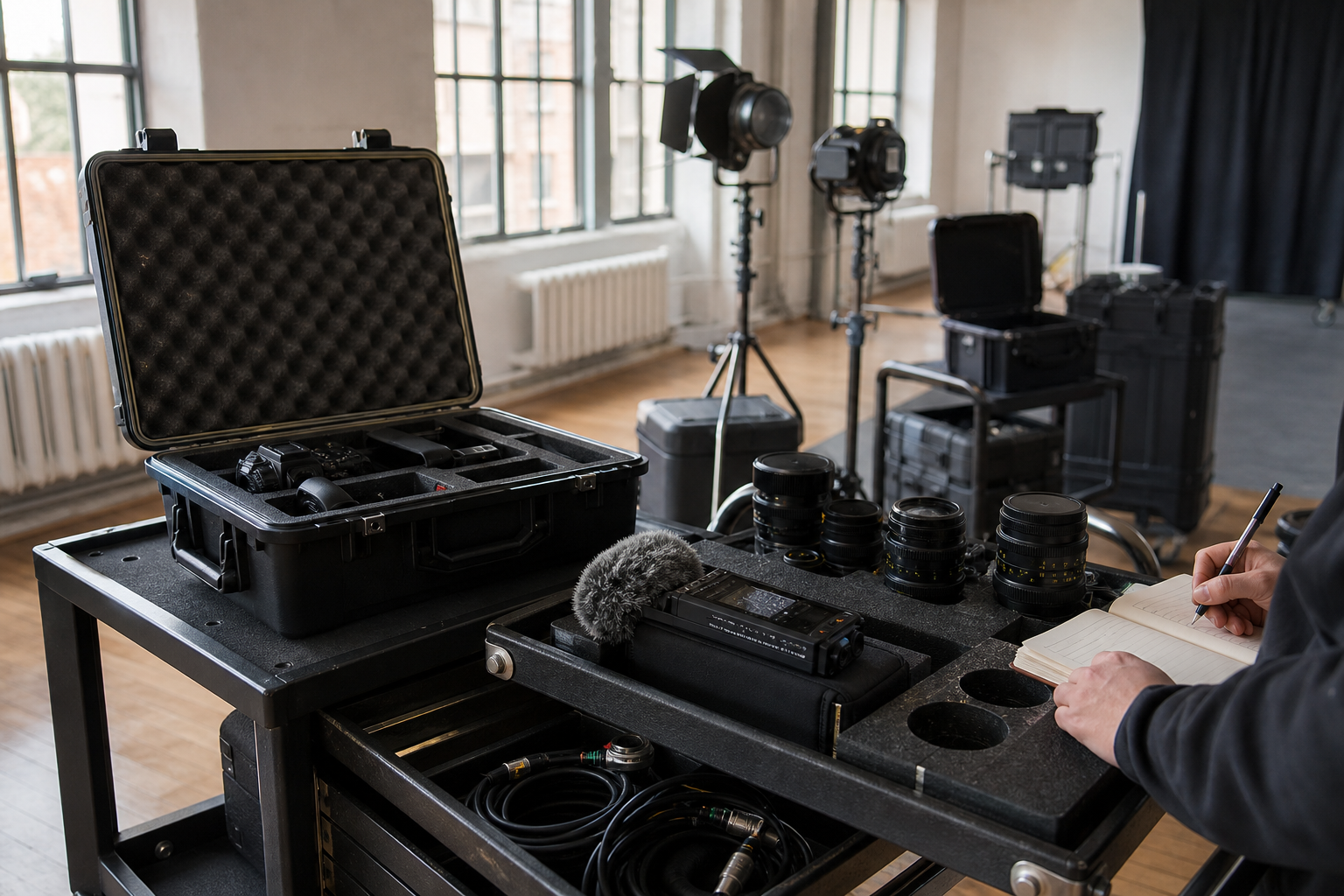
Inventorying film equipment before a location shoot by OpenAI image generation for SetScout Original image generated for SetScout; no third-party source image used
Film Equipment Insurance: Documenting Owned and Rented Gear
A practical checklist for cameras, lighting, sound and rented film equipment: confirm inventory, values, transport, storage and claims procedures before the shoot.
Film insurance for a production at a prepared location by OpenAI image generation for SetScout Original image generated for SetScout; no third-party source image used
Film Insurance for Productions: Coverage, Costs and Location Risks
Which insurance modules a film production should review, which details affect the premium and how to include locations properly in the risk assessment.