
Photo by Jakub Żerdzicki on Unsplash by Jakub Żerdzicki Unsplash License
A practical scoring matrix for location shortlists before recce, client choice and booking decisions.
A location shortlist is useful only when it prepares a decision. Three beautiful favorites are not enough if nobody can see which place is technically, legally and financially workable. A simple scoring matrix makes look, logistics, rights and cost comparable.
This guide supports the location scouting workflow, the location recce checklist and the article on turning a script into a location shortlist. For handoff, pair it with the location data sheet.
Score every location with the same criteria: look, scene coverage, access, sound, light, rights, cost, timing, host responsiveness and risk. Use 1 to 5 points per criterion, write open questions and only then decide which places deserve a recce.
A good shortlist answers three questions: why does the location work creatively? What still needs production review? What speaks against it? Without those answers, the list becomes an image gallery with opinions.
Use a simple score and a note column. The score forces comparison. The note column keeps risk from hiding behind a number.
Use 1 point for critical or unclear, 3 points for usable with open questions and 5 points for strong and reliable. Weight sound, rights or cost higher when they decide the project.
Score whether the place truly supports the scene: architecture, light, period, material, sightlines, prop potential and whether the room reads without explanation. Give 5 points only if the look works with little set build.
Check how many scenes or shots the location can cover. A place with two strong angles and support rooms can beat a single perfect hero motif.
Score travel, parking, holding zone, door widths, lift, stairs, routes, floor load and how long equipment takes from vehicle to set. Bad routes can cost more than a higher fee.
Score HVAC, street, neighbors, reverb, machines, kitchen, water, construction and whether quiet windows are realistic. For interviews, corporate and dialogue, sound may weigh more than look.
Check daylight path, blackout, mixed light, power, ceiling height, reflections, weather dependency and whether the look stays repeatable over several hours.
Score owner approval, property management, brand surfaces, art, employees, client data, public space, drone, music and recognizable third parties. Open rights questions should reduce the score strongly.
Add location fee, prep, overtime, cleaning, supervision, security, parking, tech, protection material and strike. The useful number is total cost, not the lowest day rate.
Score preferred dates, build days, restricted hours, weather buffer, parallel operations, night work and how quickly the host gives binding answers. Uncertain availability is a risk.
Check whether the contact answers quickly, concretely and with production understanding. Strong hosts clarify rules, photos, floor plan, power, parking and limits early.
Summarize what makes the decision uncertain: weather, owner, neighbors, brand surfaces, sensitive data, operations, safety, insurance or missing photos. A high look score should not hide these risks.
Create one row per location: name, link, contact, city, motif type, look score, logistics score, sound, light, rights, cost, availability, risk, open questions and next action. The last column should never be empty.
The next action can be: request more photos, check floor plan, book recce, update estimate, clear rights, decline host or keep as backup. That turns the shortlist into a working tool.
For interviews and corporate video, sound, quiet, background and client handling weigh more. For fashion and advertising, look, light and usage rights weigh more. For low-budget shoots, access, host responsiveness and overtime risk matter. For exteriors, add weather and backup plan.
Remove candidates when ownership is unclear, a must-have criterion fails, the host cannot answer reliably or a risk is solved only by hope. A short, honest shortlist beats a long list of pretend options.
Save matching places in SetScout, put them into the matrix and decide with director, camera, production and client which candidates deserve a recce. Start with SetScout Search and score the shortlist before blocking dates.
More posts you might be interested in
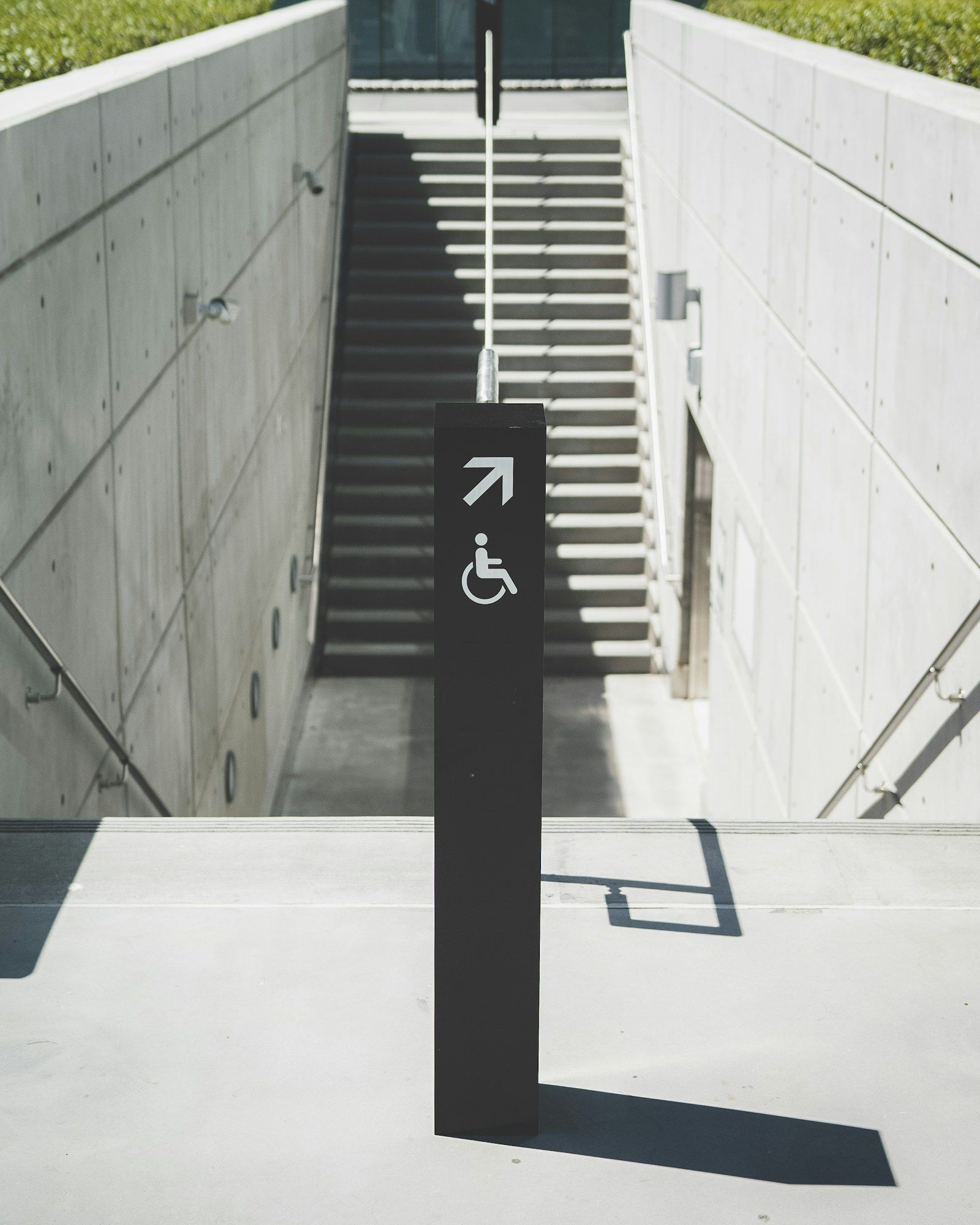
Photo by Joey Banks on Unsplash by Joey Banks Unsplash License
A practical access planning guide for productions and hosts documenting real routes, bathrooms, ramps, holding and limitations before booking.
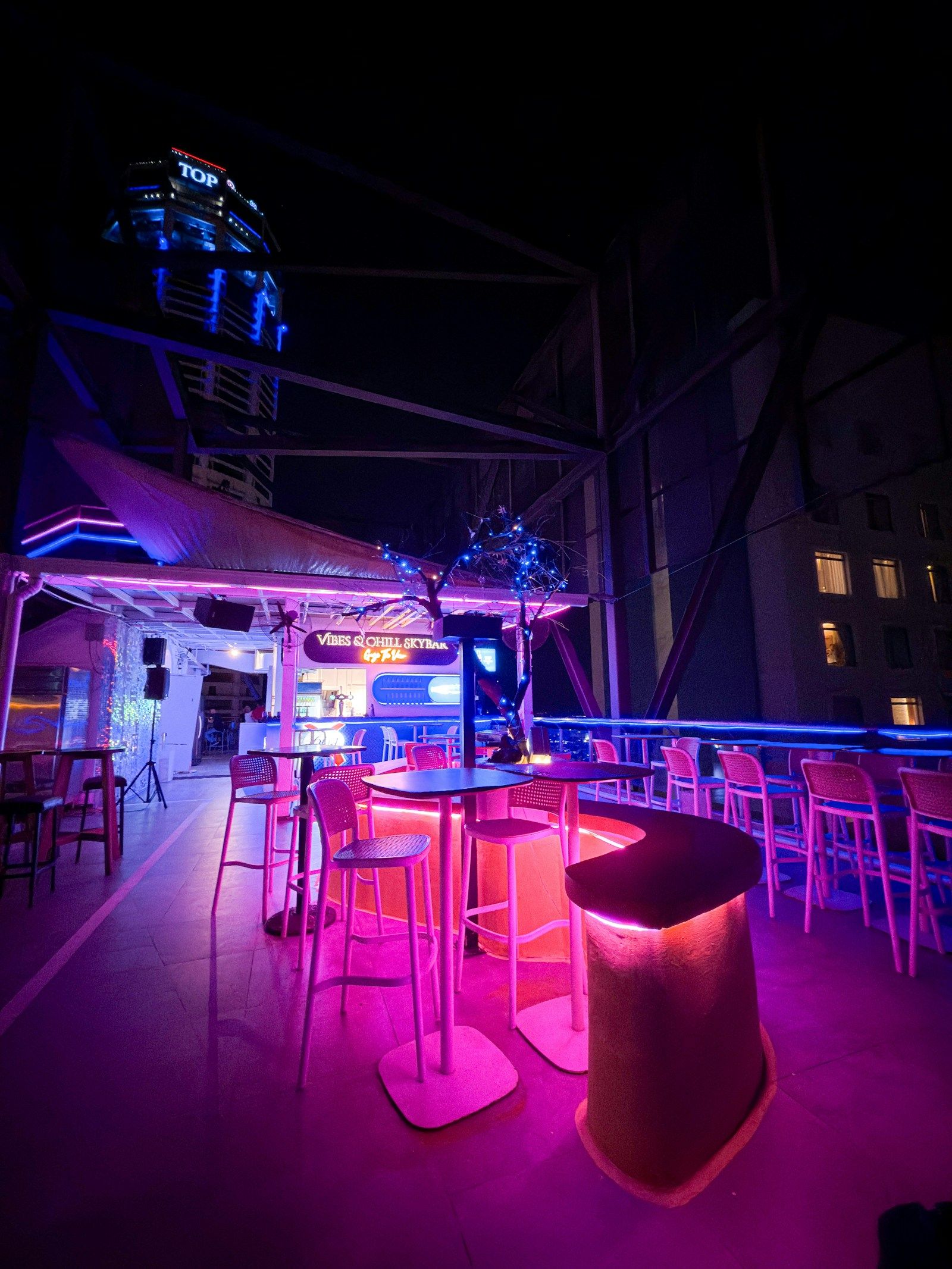
Photo by Ryan Liu on Unsplash by Ryan Liu Unsplash License
How productions should prepare bar, club and nightclub locations for music videos, fashion, commercials and nightlife content.
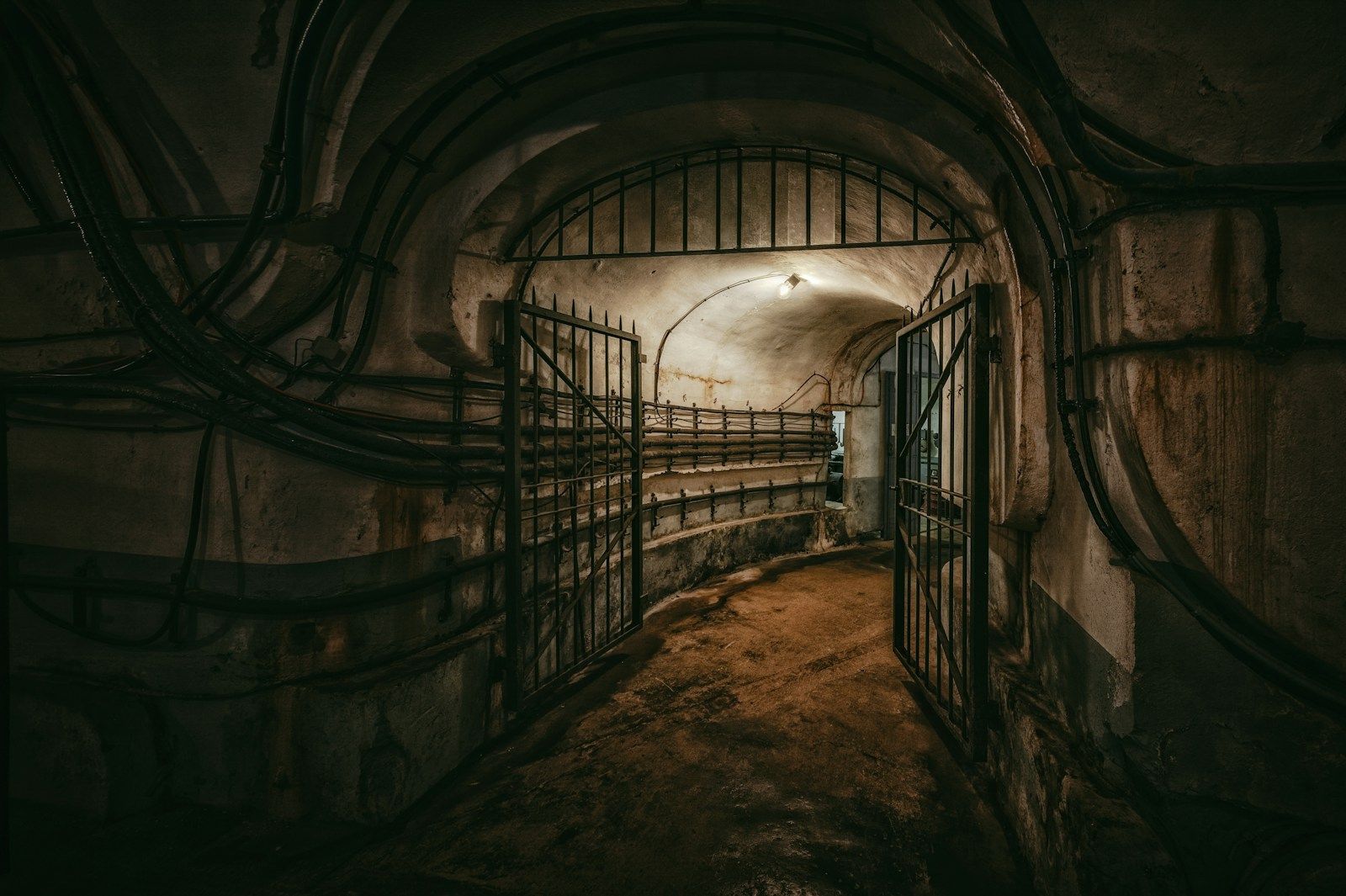
Photo by Peter Herrmann on Unsplash by Peter Herrmann Unsplash License
How productions should assess bunker, lost-place and special-motif locations without creating legal or safety risk.
