
Film clapperboard on a roadside by Jakob Owens / Unsplash Unsplash License
Turn a script into a usable location shortlist by extracting scenes, grouping motifs, spotting constraints and briefing search with production detail.
Script breakdown for location scouting does not mean copying every scene heading into a search box. The job is to turn scenes into real location requirements: motif type, image function, interior or exterior, day or night, movement, sound, rights, budget and reuse.
A useful location shortlist starts before the first inquiry. When the script is broken down properly, the team searches less randomly, groups motifs better and sees early which scenes need a recce, backup option or permit review.
The first table should be plain: scene number, scene heading, interior or exterior, day or night, motif name, characters, action, technical notes and open questions. Look, moodboards and dream references come after that.
The reason is simple: a script describes story, not shootability. “Kitchen, night” only becomes useful when you know whether the scene is quiet, whether someone cooks, whether water runs, whether windows are on camera, whether neighbours are affected and whether the motif repeats across the script.
For location search, the place is only the beginning. What matters is what the scene does to that place. A hallway can be a path, hiding spot, stunt area, sound problem, light axis or neighbour conflict. An apartment can carry intimacy or become the logistical centre of the shoot.
Mark these for every scene: movement, volume, effects, props, animals, children, water, smoke, background action, vehicles, violence, intimacy, sensitive content, window views, exterior connection and whether camera or lighting needs to sit outside the actual motif.
A script may have 40 scenes but only 8 real motifs. Before searching, group recurring places and decide which motifs matter most for story and logistics. A main location needs deeper review than a short transition.
Interior or exterior and day or night are not only script fields. They affect permit path, lighting, neighbours, sound, traffic, safety and cost. A day scene in an apartment may work with natural light. A night scene in the same place may need exterior light, blackout, quiet hours and neighbour communication.
Do not only copy INT/EXT and DAY/NIGHT. Note the consequence: does the scene need controllable light, real darkness, closures, exterior working space, vehicles, generator, night work or a weather backup?
A scene becomes searchable when you translate it into visible and practical criteria. The sentence “Lena waits in the hallway while sirens are heard outside” can produce several search needs: period hallway, depth for camera, controllable exterior sound, street view, night shoot possible, neighbours informed.
Location budget is not only the location fee. It comes from use days, prep, reset, overtime, night work, security, cleaning, business interruption, permits, parking, specialist staff and whether several scenes can be combined in one place.
Flag motifs that can become expensive: public space, active businesses, sensitive facilities, large teams, historic rooms, difficult load-in, sound problems, night shoots or heavy dressing changes. These belong earlier in the search than simple interiors.
The script breakdown should also flag rights questions. For Berlin and Brandenburg, the BBFC notes that filming on private property and in private or public facilities generally requires approval from the owner or responsible body (BBFC private locations). Rental situations or ownership communities can add further consent steps.
If scenes touch public streets, sidewalks, squares, parking areas or traffic measures, that belongs in the motif list from the start. For public streets and grounds, the BBFC describes separate special-use and traffic-related requirements (BBFC public streets and grounds).
AI can help read and sort scenes, but it should not make final production assumptions. NIST describes the AI Risk Management Framework as a voluntary framework for trustworthiness in the design, use and evaluation of AI systems (NIST AI RMF). In location search, that means structure yes, unchecked commitment no.
Let AI group scenes, suggest search language, detect recurring motifs and flag no-gos. Then production checks whether the suggestions fit the budget, directing approach, logistics, rights and actual schedule.
SetScout helps when script notes need to become real search work. You can start with AI film location search, compare options against film locations in Germany and keep the workflow grounded in location scouting in Germany requirements.
The sound workflow stays the same: understand the scene, build a search brief, review real locations, share the shortlist, contact the host or owner, recce the location and only then decide.
Start with recurring motifs, risky scenes, public space, night work, large teams and scenes involving sound, movement, effects or sensitive content. These locations shape budget and schedule most strongly.
AI can help detect, group and describe motifs. Production still needs to check whether the suggestions are right for story, rights, access, sound, light, budget and schedule.
Motif name, scene numbers, interior or exterior, day or night, look, action, technical requirements, risks, budget impact, possible links, open questions and next step. A shortlist without risks is not a production list yet.
More posts you might be interested in

Industrial interior location by Ümit Yıldırım / Unsplash Unsplash License
Searching film locations by motif works best when each category is briefed with look, era, rooms, logistics, rights and hidden constraints.
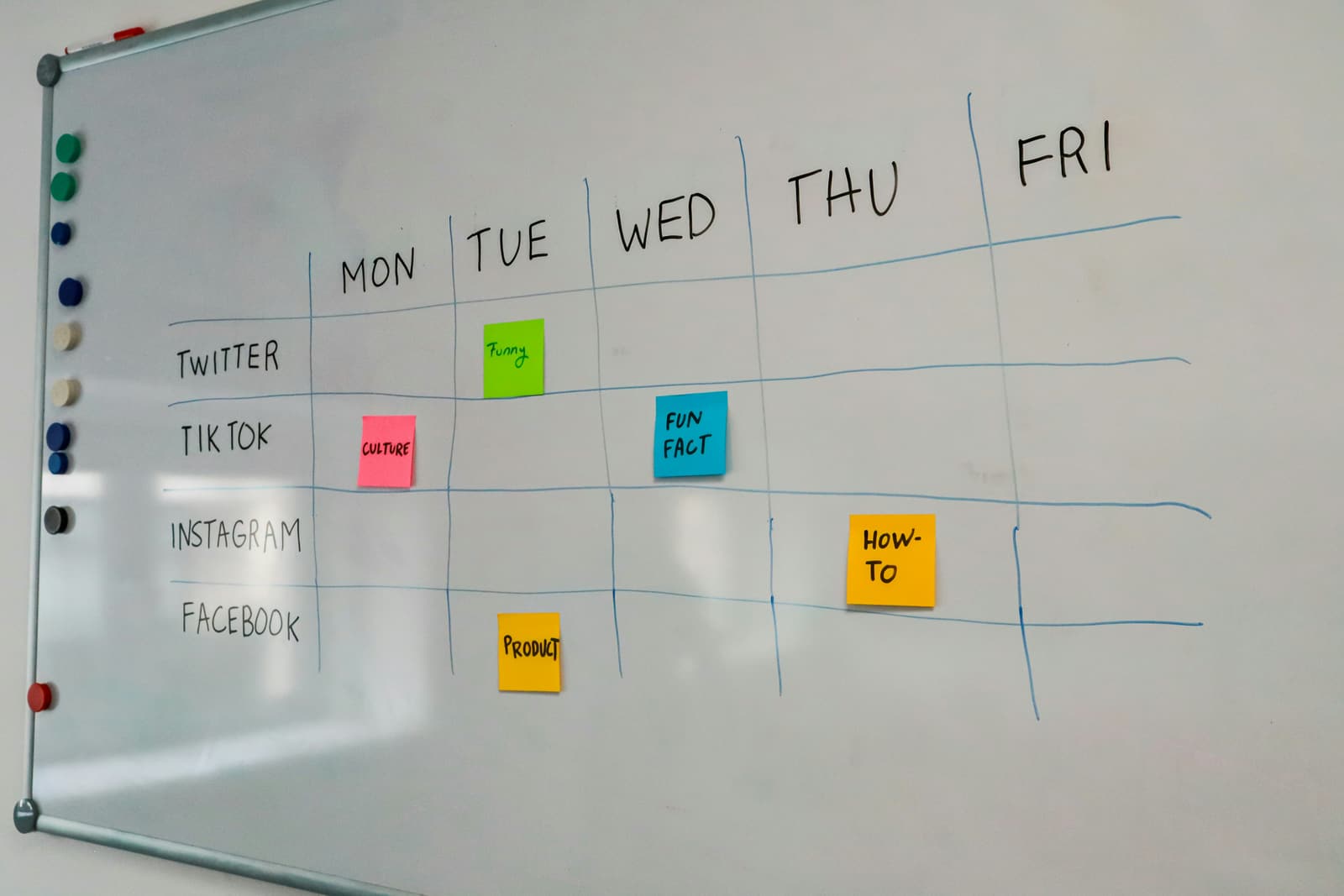
Production planning board by Walls.io / Unsplash Unsplash License
Production schedule templates, shot lists and storyboards help location planning only when they expose rooms, access, light, sound, permits and recce risks.

German city skyline by Florian Wehde / Unsplash Unsplash License
A practical comparison of Germany’s production hubs: Berlin, Hamburg, Cologne, Munich and Rhine-Ruhr by look, permits, crew base, transport, seasonality and private-location search.
