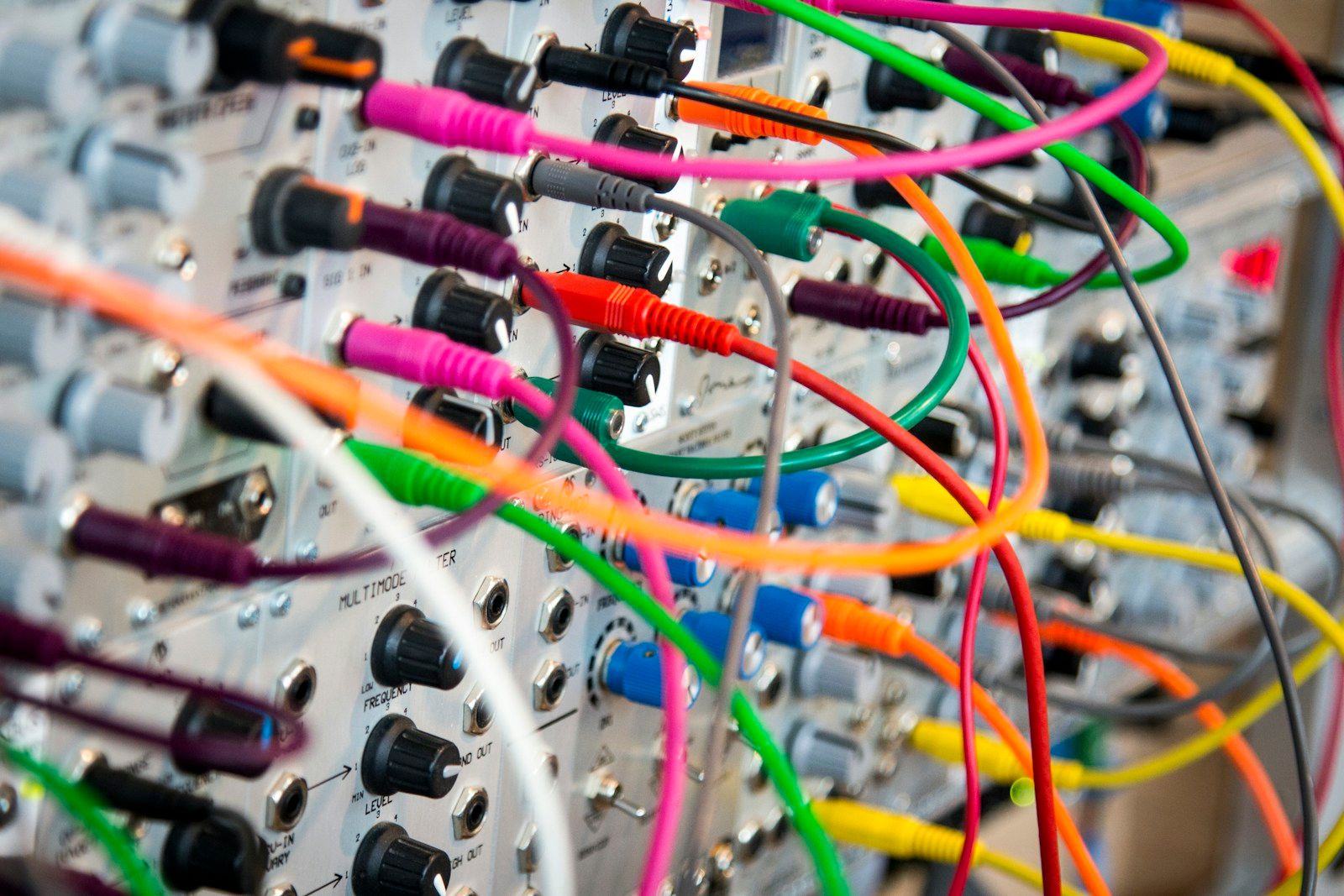
Photo by John Barkiple on Unsplash by John Barkiple Unsplash License
A practical guide for producers, gaffers, scouts and hosts: what power information a film location needs before recce, booking and shoot day.
Power is one of the most common reasons a film location fails in practice. Photos show space, daylight and look. They do not show whether a set can support multiple fixtures, battery charging, video village, catering, heating, haze, work lights and production devices at the same time.
This guide explains which power details producers, gaffers, location scouts and hosts should clarify before confirming a location. It complements the location recce checklist, the tech recce checklist and specific location pages such as industrial film locations or factory halls as film locations.
Household power usually means normal sockets, several circuits, unknown building loads and often no clear separation between set, kitchen, office, heating, servers or existing lights. For small interviews, batteries, monitors and a few LED panels, that may be enough. For larger fixtures or many simultaneous devices, “sockets available” is not enough information.
Production should not only ask whether power exists. Better questions are more specific: which breakers serve which rooms? What is already running on the same circuit? Are kitchen, holding and set areas separated? Where is the breaker panel? Who may open it? What happens if a breaker trips?
Schuko sockets are the normal household reality in Germany and much of Europe. They are useful, but they do not guarantee reliable set capacity. Several devices on the same circuit can already become a problem if a fridge, kettle, heater or office equipment is also running.
CEE connectors are more relevant for production because they may support higher loads and three-phase power. The important detail is not only the color or size of the socket. The real questions are protection, condition, available load, distribution, cable length, safety measures and whether a qualified electrician has cleared the setup.
Hosts should not try to calculate safe production capacity from labels alone. For a SetScout listing, the useful information is simpler: which connectors exist, where they are, how they are labeled, who can explain them, when they were last inspected and what known restrictions apply.
For production, theoretical maximum capacity matters less than free load. A location can have strong connectors and still be unsuitable if those circuits already serve building systems, catering, machines, IT, cooling or event equipment.
A simple load plan starts with three columns: device, estimated power draw, circuit or distribution point. It should include more than fixtures. Battery chargers, laptops, monitors, wireless systems, sound carts, coffee machines, kettles, heaters, haze, fans and catering equipment all belong in the plan.
The load plan is not the host’s job alone. It is a handoff between production, gaffer, location and, where needed, an electrician. The host provides facts about the existing installation, production plans the devices, and the responsible specialist decides how to run the setup safely.
A generator does not automatically solve every power problem. It needs space, fuel logistics, distance from doors and windows, cable routes, weather protection, fire safety, exhaust management, noise control and clear responsibility. For mobile generators, the German DGUV Information 203-032 outlines requirements that productions should not improvise.
For location evaluation, “generator possible?” is not a precise enough question. Ask where it can stand, how long the cable run is, whether neighbors or courtyards create sync-sound issues, whether generator operation is permitted, who supplies distribution, cable ramps and protection, and where refueling happens.
Power planning is also route planning. Long cable runs cost time, create trip hazards and may matter for permissions in public or semi-public space. Cables crossing thresholds, stairs, escape routes, wet floors, courtyards or sidewalks should be assessed before the location is confirmed.
Outdoor locations add rain, mud, frost, heat and darkness. A location may work technically in dry weather and become unsafe on shoot day if cables sit in puddles or distribution points are unprotected. That is why power belongs in the recce, not only in the build.
Hosts do not need to publish a full electrical plan. They should provide the facts production needs before sending an inquiry: household power yes or no, CEE yes or no, connector positions, photos of relevant sockets and distribution points, known limits, breaker panel access and the contact person for technical questions.
Negative information is useful too: no high-power use, no generators in the courtyard, no cables through the stairwell, no night work with a generator, no use of certain machine circuits. Good productions are not scared off by clear limits. They avoid wrong-fit inquiries and prevent shoot-day conflict.
Before the recce, production should have a rough device assumption: what light level is planned? Will sync sound be recorded? Is there video village, client monitors, playback, haze, effects, catering or heavy battery charging? Are the set areas far apart? Is there an indoor and outdoor version?
The scout cannot answer all of this alone. But the scout can make sure power is not treated as a later technical detail. If capacity is uncertain, a tech recce with the gaffer or a qualified electrician belongs in the schedule.
Electrical installations and work equipment are a safety issue. German DGUV Regulation 3 covers electrical installations and equipment in an occupational context. In practice, productions should not make temporary distribution, overload or generator decisions by instinct.
The location provides information. Production decides which devices it wants to run. Electrical responsibility has to verify whether the setup, distribution and protective measures fit. That separation also belongs in the location brief so the host, runner or scout is not forced into spontaneous electrical decisions on shoot day.
SetScout cannot replace power planning with nice photos. Its value is making technical details visible in a structured way: connector types, photos, rooms, access, generator options, restrictions and recce notes belong in the same location context as look and availability.
That turns the search for film locations into a more reliable selection process. Productions can remove bad fits earlier, hosts receive more precise inquiries, and technical questions are clarified before booking instead of on the morning of the shoot.
More posts you might be interested in
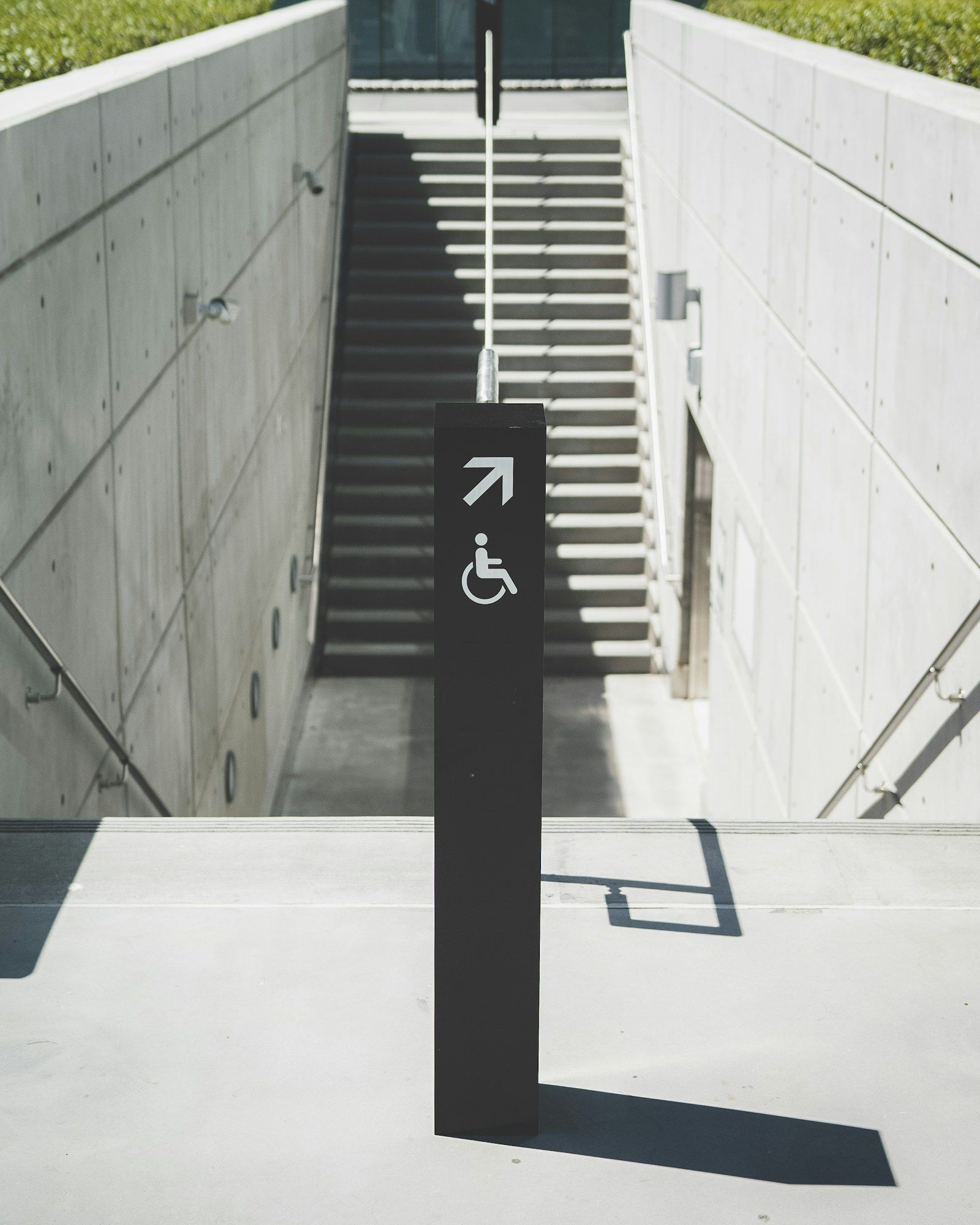
Photo by Joey Banks on Unsplash by Joey Banks Unsplash License
A practical access planning guide for productions and hosts documenting real routes, bathrooms, ramps, holding and limitations before booking.
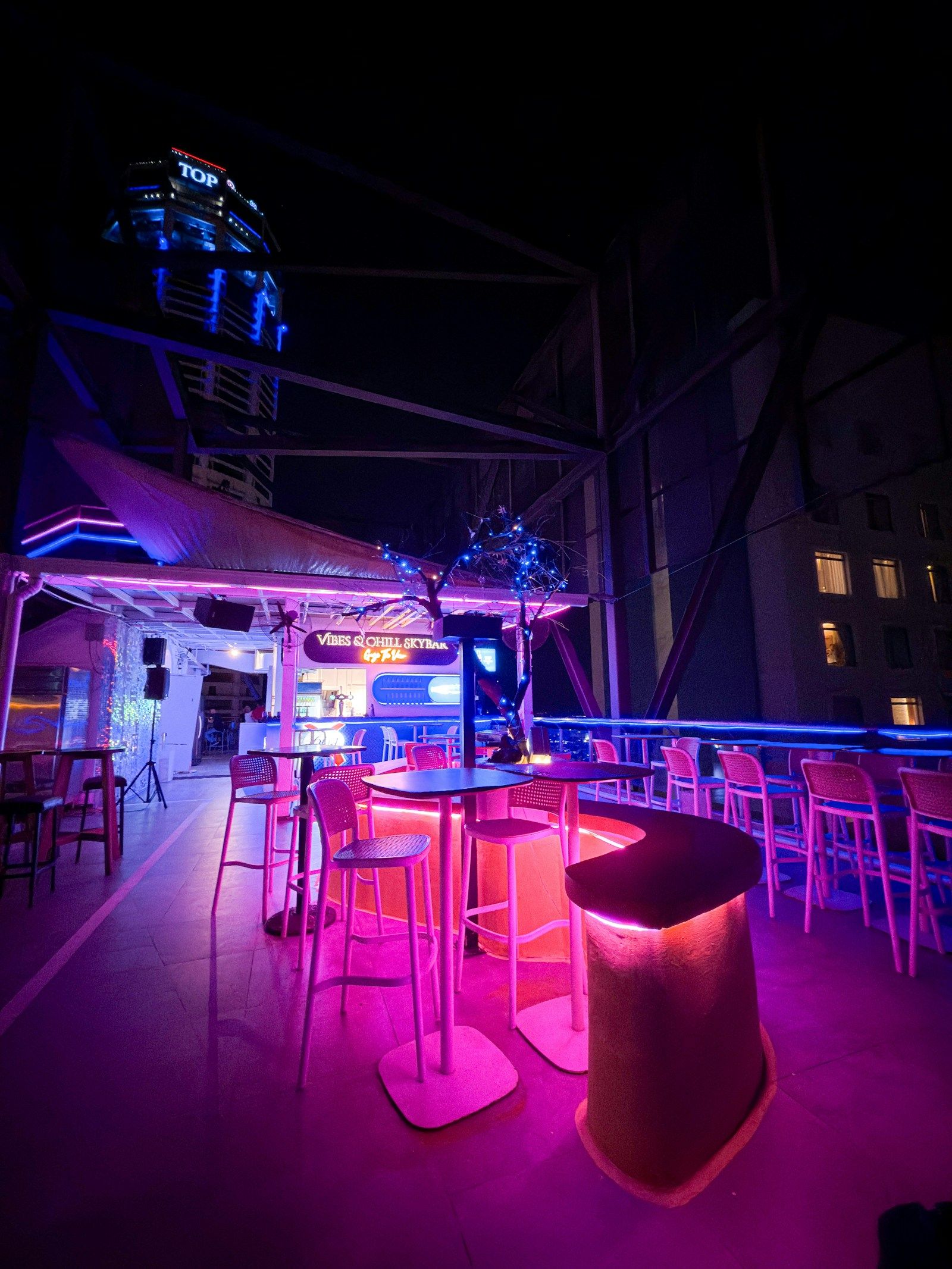
Photo by Ryan Liu on Unsplash by Ryan Liu Unsplash License
How productions should prepare bar, club and nightclub locations for music videos, fashion, commercials and nightlife content.
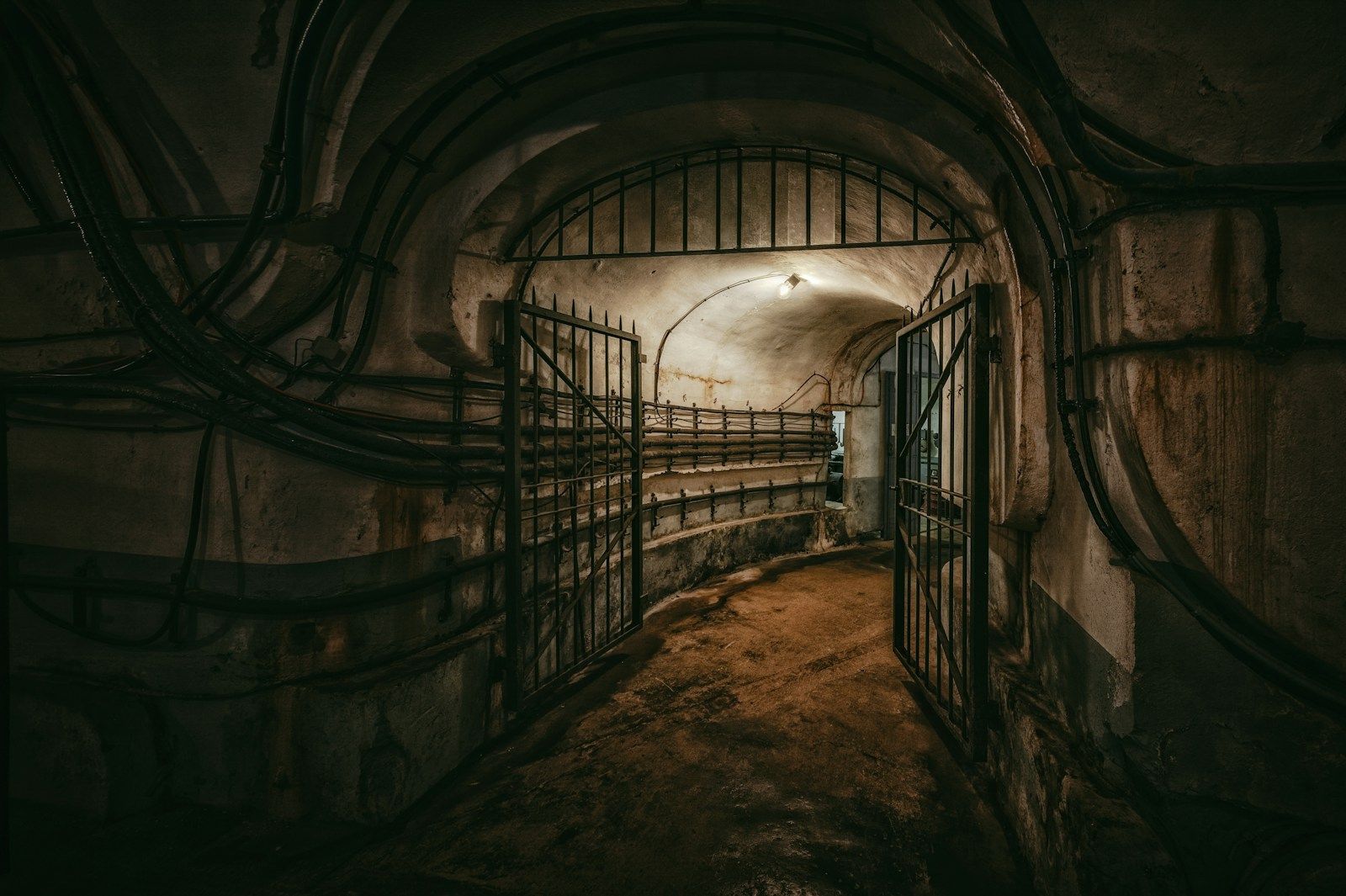
Photo by Peter Herrmann on Unsplash by Peter Herrmann Unsplash License
How productions should assess bunker, lost-place and special-motif locations without creating legal or safety risk.
