
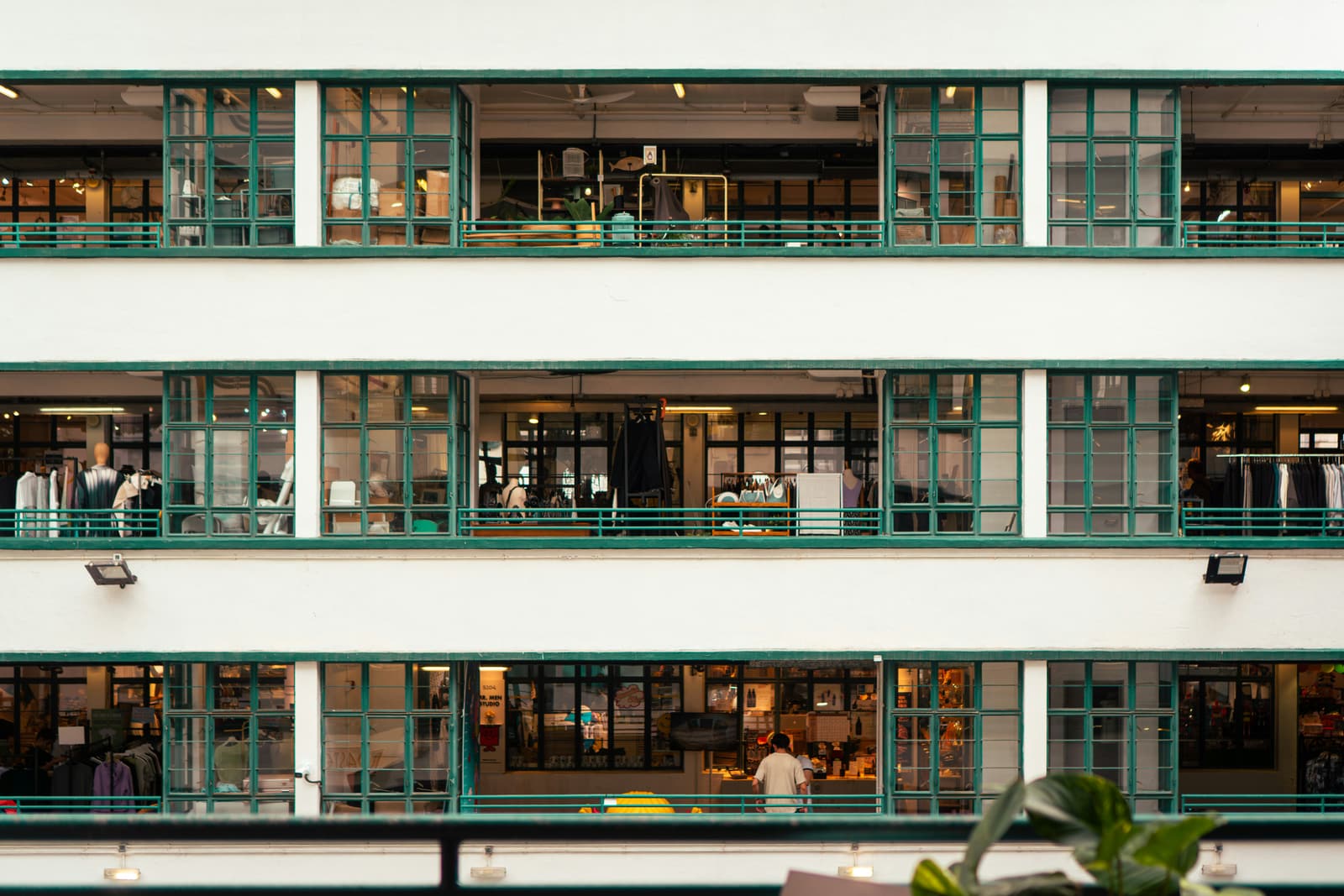
Commercial building facade by Raymond Yeung / Unsplash Unsplash License
Commercial space as a film location: office, restaurant, shop or warehouse
Commercial spaces can be strong filming locations when operations, approvals, brand visibility, customer data, stock, staff access, cleaning and reset are clarified before the booking. This checklist helps operators qualify realistic inquiries.
Renting out commercial space as a film location is not the same as offering an empty room with good light. An office, restaurant, shop or warehouse is usually part of a working business. That is where the risks appear: staff, customers, stock, brand, data, deliveries and reset.
The best location is therefore not simply the best-looking room. It is the room whose operating logic is clear. When opening hours, approvals, sensitive areas, insurance, cleaning and responsibilities are settled early, commercial spaces can be valuable for productions.
This checklist is not legal, tax or insurance advice. It helps operators and owners assess whether a commercial location is production-ready.
Key takeaways
- Commercial spaces work best when shoot times and business hours are clearly separated or deliberately coordinated.
- Brand visibility, customer data, staff areas, inventory, registers, servers, refrigeration and delivery zones need review before approval.
- A good inquiry states crew size, scenes, required areas, timing, redressing, equipment, insurance proof and reset plan.
- Pricing should reflect not only space, but also business interruption, staff time, cleaning, security and operational risk.
Which commercial spaces work as film locations?
Offices, restaurants, cafés, bars, shops, workshops, clinics, showrooms, warehouses, parking structures and production spaces can be strong motifs. They bring real details a studio would need to build: desks, counters, shelves, machines, stock, kitchens, corridors or back-of-house rooms.
Not every space is suitable. Access, operational sensitivity, noise, power, toilets, parking, escape routes, stock value, brand approvals and the level of business disruption matter as much as the look.
Approvals: owner, operator, tenant and brand
For private locations, the Berlin Brandenburg Film Commission says filming requires approval from the authorized party (BBFC). In commercial spaces, that party may be layered: owner, tenant, operator, franchisor, property manager, security provider or brand team.
Clarify who can approve the shoot before you say yes. A branch manager may be able to support operations but may not be allowed to approve brand visibility, shop windows, customer areas or long-term usage rights. That gap should not surface on shoot day.
Calculate business interruption honestly
The biggest cost factor is often not square footage. It is interruption. A restaurant may lose a service, a shop may lose walk-in traffic, an office may lose workstations, a warehouse may lose picking time or a clinic may lose appointment capacity.
Decide whether filming happens only outside opening hours, whether parts of the business keep running, whether staff must be present, whether customer contact is excluded, and who decides if the shoot runs long.
Brand, logos and visible products
Commercial spaces often carry visible brands: logos, menus, price tags, packaging, uniforms, register displays, posters, suppliers, customer names or product shelves. These elements may be useful for the production, but they need clear approval.
Ask whether marks may remain visible, need to be covered, or will be replaced by production props. Confirm who pays for redressing and reset. Franchise and corporate spaces need particular care here.
Customer data, staff areas and sensitive information
The European Commission describes personal data as information relating to an identified or identifiable person (European Commission). In commercial spaces, that data may appear on receipts, reservation lists, delivery papers, staff schedules, screens, customer records or parcel labels.
Lock or clear areas that hold customer data, personnel files, internal documents, recipes, price lists, access codes, servers or private staff belongings. Privacy is not only a camera issue, because crew and clients move through the location.
Access, delivery zones and technical needs
Commercial spaces often have useful infrastructure, but it is not automatically available for film equipment. Loading zones, roller doors, goods lifts, stairs, fire doors, high-voltage power, refrigeration, water, grease traps, bin rooms, customer toilets and staff rooms need clear descriptions.
The separation between production logistics and business operations matters most. If suppliers, staff or customers use the same routes, define time windows, contacts and blocked areas.
Security, inventory and insurance
Shops, restaurants and warehouses often hold valuable or sensitive stock. Goods, alcohol, equipment, refrigerated stock, medication, machines, cash, register systems and key areas should be secured, documented or excluded from the shoot.
Before approval, ask what insurance or production liability cover exists, who gets access, who controls keys, whether security is needed, and how damage, spoilage, cleaning or business delay will be handled.
Photos for a strong commercial listing
For location submissions, the California Film Commission recommends wide shots from several angles and clear images of interior and exterior areas (California Film Commission). For commercial spaces, photos should show operating logic as well as atmosphere.
Show sales floor, office areas, kitchen, storage, back rooms, entrances, loading zones, parking, toilets, ceiling height, windows, power points, corridors and constraints. If areas are off limits, they should not appear to be available shooting space.
When to decline an inquiry
- Approval from owner, operator, management or brand is unclear.
- The shoot puts revenue, staff workflows, customer contact or fixed deliveries at risk.
- Customer data, stock, registers, servers or sensitive operating areas cannot be protected.
- The production needs redressing, night work, noise or public visibility that you cannot control.
- Insurance, reset, cleaning, key handling or responsibilities remain unclear.
How to prepare commercial space for SetScout
A good SetScout profile for commercial space explains more than the look. It states which areas are available, when filming can happen, who must approve, which operating areas are off limits and which costs sit beside the location fee.
Start with list your location and use the host checklist for renting out a property as a film location plus the guide to calculating a location fee.
FAQ: renting out commercial space as a film location
Can the business stay open during filming?
Sometimes, but it needs clean separation. If customers, staff, suppliers and crew use the same routes, risk rises quickly. Filming outside opening hours or in clearly isolated areas is often simpler.
Can logos and products stay visible?
Only if the required approvals are in place and the project needs them. Logos, packaging, menus, uniforms and customer names should be reviewed, covered or contractually approved before the shoot.
How should I price a commercial location?
Do not price only by size and look. Include business interruption, staff time, cleaning, security, power, refrigeration, stock risk, reset, night or weekend work, and potential lost revenue.
Recommended articles
More posts you might be interested in
none by Jakub Zerdzicki All photos and videos on Pexels can be downloaded and used for free.
Tax rules for income from renting out a film location
How to report profits from renting out your location correctly for German tax purposes
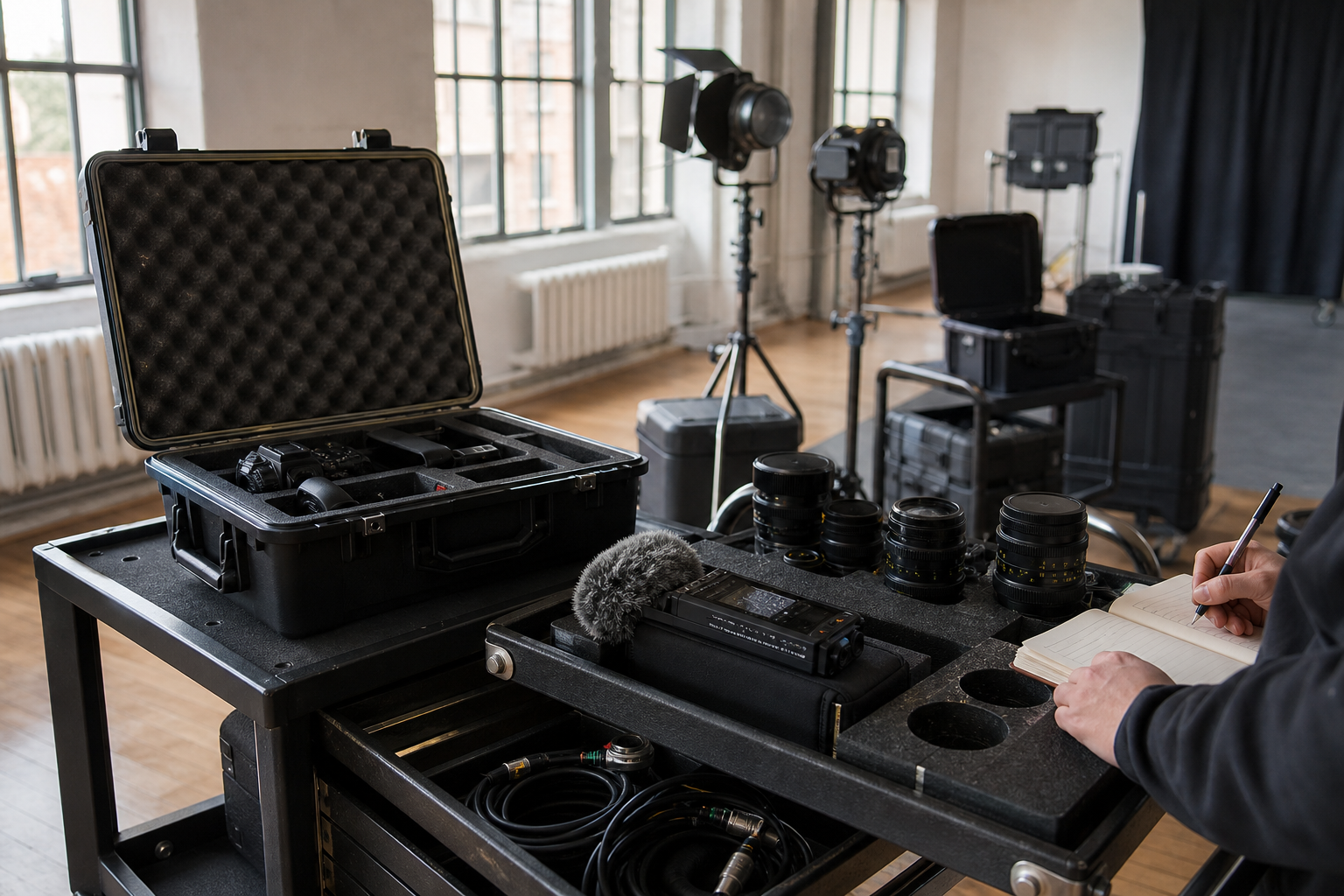
Inventorying film equipment before a location shoot by OpenAI image generation for SetScout Original image generated for SetScout; no third-party source image used
Film Equipment Insurance: Documenting Owned and Rented Gear
A practical checklist for cameras, lighting, sound and rented film equipment: confirm inventory, values, transport, storage and claims procedures before the shoot.
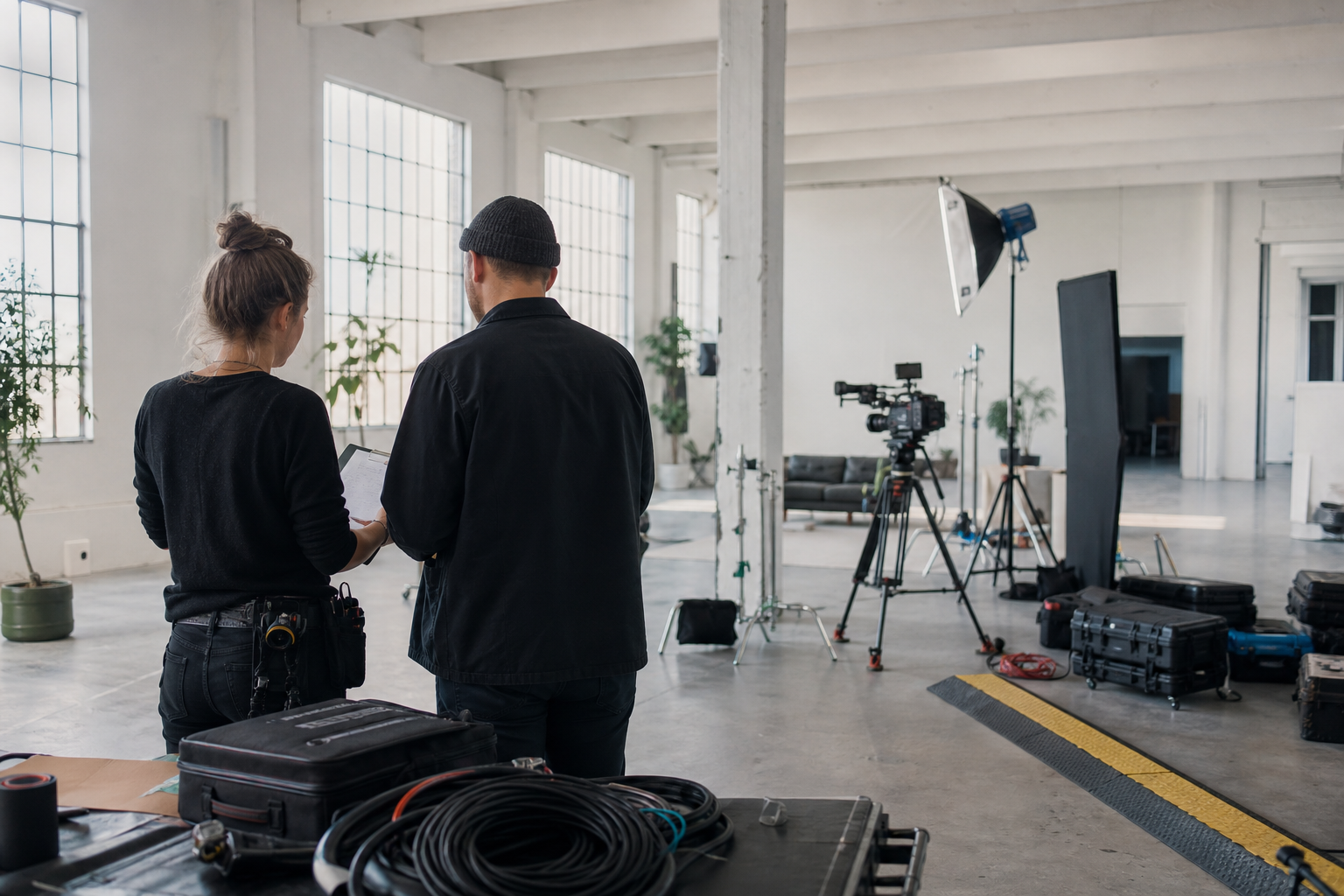
Film insurance for a production at a prepared location by OpenAI image generation for SetScout Original image generated for SetScout; no third-party source image used
Film Insurance for Productions: Coverage, Costs and Location Risks
Which insurance modules a film production should review, which details affect the premium and how to include locations properly in the risk assessment.