Photo by Sanju Pandita on Unsplash by Sanju Pandita Unsplash License
What hosts should clarify before renting out a garden, pool or private outdoor area for film, photo and content shoots.
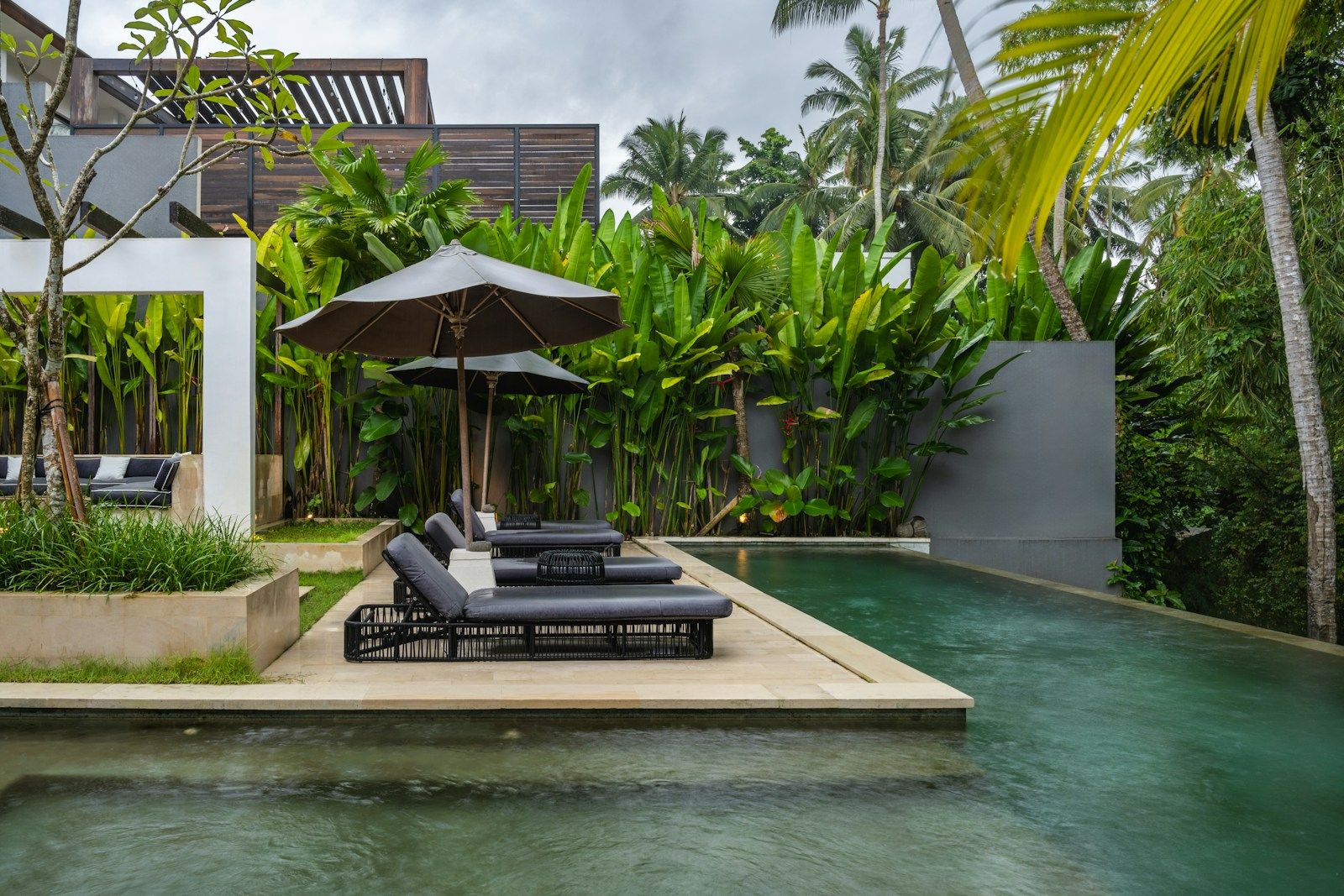
A garden, pool or private outdoor area can be a valuable film location: natural light, depth, planting, water, terrace, furniture, paths and real residential context. For hosts, the key question is not whether it looks good. It is whether it can be rented safely, privately and truthfully.
This guide helps owners assess gardens, pools and outdoor spaces before listing them as a location. Start on SetScout with list your film location, the guide to renting out a house as a film location and the production-side guide to outdoor film locations.
A garden or pool is listable when privacy, neighbors, weather plan, safety, access, toilets, power, crew routes, plants, pets, furniture and reset are clearly described. Good hosts do not rent a summer fantasy. They rent an outdoor area with rules a production can understand.
The main decision is what can really be used. Only terrace and lawn? Also pool, barbecue, garden house, driveway, bathroom, kitchen or hallway? If the crew has to pass through the home, an outdoor area quickly becomes an indoor and outdoor booking with more privacy questions.
Productions care not only about what is visible in the garden, but who can see into it. Neighbor windows, balconies, sidewalks, public paths, taller buildings, drone angles and reflections in water can change privacy and image control.
Hosts should state honestly which camera directions are private and which are not. Good photos show fences, hedges, property lines, pool edge, facade and access. Showing only the prettiest angles can create problems later during the recce.
Outdoor areas are visible and audible. Generator, lighting, conversation, music, drone, vehicle movement, styling, catering and many unknown people are more noticeable to neighbors than a small interior shoot. Host and production should agree early what information is useful or necessary.
Describe quiet hours, sensitive neighbors, narrow driveways, shared paths, row-house context, owners association, dogs, children, street parking and night limits. If you already know evening light is beautiful but the neighborhood is sensitive, that belongs in the inquiry stage.
A pool is not decorative furniture. As soon as people work near or in water, the production needs supervision, slip-aware routes, defined edges, towel and changing areas, electrical distance and stop rules. The DLRG water safety tips are a useful starting point, especially when children, non-swimmers or shallow water are involved.
Hosts should define whether the pool is background only, whether people may enter it, whether jumping is forbidden, what the water depth is, how slip risk is reduced, who cleans and whether pool equipment, cover, chemicals, heating and lighting may be used.
A garden depends on weather. Rain, heat, wind, shifting sun, wet lawn, leaves, pollen, insects, snow, irrigation and freshly cut grass can change image, sound, safety and reset. Hosts should not promise what they cannot control.
Useful details include shade, sun hours, shelter, awning, covered terrace, windy corners, mud-prone areas and indoor options. Productions need to know whether a weather change only changes the look or makes the area unusable.
Many outdoor spaces are accessible only through kitchen, hallway, living room or basement. Then people with shoes, bags, lights, stands, wardrobe and catering move through private interiors. For hosts, this is often the most sensitive part of the booking.
Define a fixed route, floor protection, no-go areas, toilet use, wardrobe, make-up area, holding space and front-door logic. If interiors should not be used, there still needs to be a solution for WC, water, power, rain breaks and the responsible contact person.
Productions often want to move furniture, rotate plants, shift umbrellas, rearrange loungers, change cushions or remove the barbecue from frame. Hosts need to decide what is allowed. Outdoor areas feel simple until delicate plants, irrigation or heavy furniture are involved.
State in advance which furniture may be used, moved or not touched. Document the original state with photos. If plants, beds, robot mowers, irrigation, sculptures or sensitive terrace surfaces matter, mark them as protected areas.
Outdoor sockets are not automatically enough for lights, chargers, monitors, music, pool equipment or catering. Cables across lawn, pool edge, terrace and paths can create trip or water risks. Add garden hose, water point, washing option and drainage questions.
Hosts should say where power is available, which outdoor sockets are protected, which cable routes work and which areas must stay dry. Larger productions may need a generator, but that requires placement, distance, noise limits and a safe cable route.
Gardens are living spaces, not only motifs. Dogs, cats, rabbits, play equipment, sandpit, trampoline, pool toys, children’s bikes and private photos can affect both image and workflow. Some details add charm. Others should be removed before a recce.
If pets stay on the property, decide where they will be during the shoot. If children’s areas are visible, decide whether they can be part of the look or should be neutralized. Productions need that information before booking, not on the shoot day.
Resetting an outdoor space means more than putting chairs back. Lawn, beds, pool water, terrace, cushions, paths, trash, ash, food waste, mud, wet towels, tire marks and crushed plants all matter. Without a reset plan, the work stays with the host.
A good reset plan includes before photos, cleaning window, trash rules, plant and lawn protection, pool cleaning, furniture positions, damage reporting, handback time and a clear limit for confetti, soil, paint, fake snow, smoke or water action.
Not every beautiful outdoor area is ready. Be careful with gardens that are highly visible from neighbors, poorly secured pools, slippery terraces, unresolved neighbor relations, no WC, tight access, delicate planting, unclear ownership or routes that pass through private bedrooms or children’s rooms.
That does not mean the location can never work. It means the rules, photos and limits need to be prepared first. Sometimes a garden fits a small photo shoot, but not video, night lighting, pool use or a larger crew.
A useful outdoor listing says more than beautiful garden with pool. It names privacy, sun hours, pool use, furniture, WC, power, water, access, parking, neighbors, pets, no-go areas, crew limit, allowed times and reset expectations.
Use the general film location checklist for owners and the house readiness check. They help you treat outdoor areas as part of a private location, not as a separate postcard.
SetScout helps hosts describe outdoor spaces so the right inquiries arrive. The clearer you are about privacy, pool rules, crew routes, weather, power, WC, neighbors and reset, the faster a production understands what kind of shoot actually fits.
If you want to list a garden, pool or outdoor area, start with list your film location and assess the space with the same questions a production would ask during a recce.
Yes, if access, WC, power, water, holding area and reset are clear. In practice, the production almost always needs at least routes through the house or support rooms. The listing should state exactly which indoor areas may still be used during an outdoor booking.
That is your decision and should be agreed explicitly. Define whether the pool is background only or may be entered, which safety rules apply, who supervises, whether children are involved and who handles cleaning, water quality, towels and reset.
It depends on the location, duration and disturbance. Useful information includes date, time, vehicles, noise, light and a contact person. If neighboring properties are visible or shared routes are affected, that should be resolved before the booking.
More posts you might be interested in
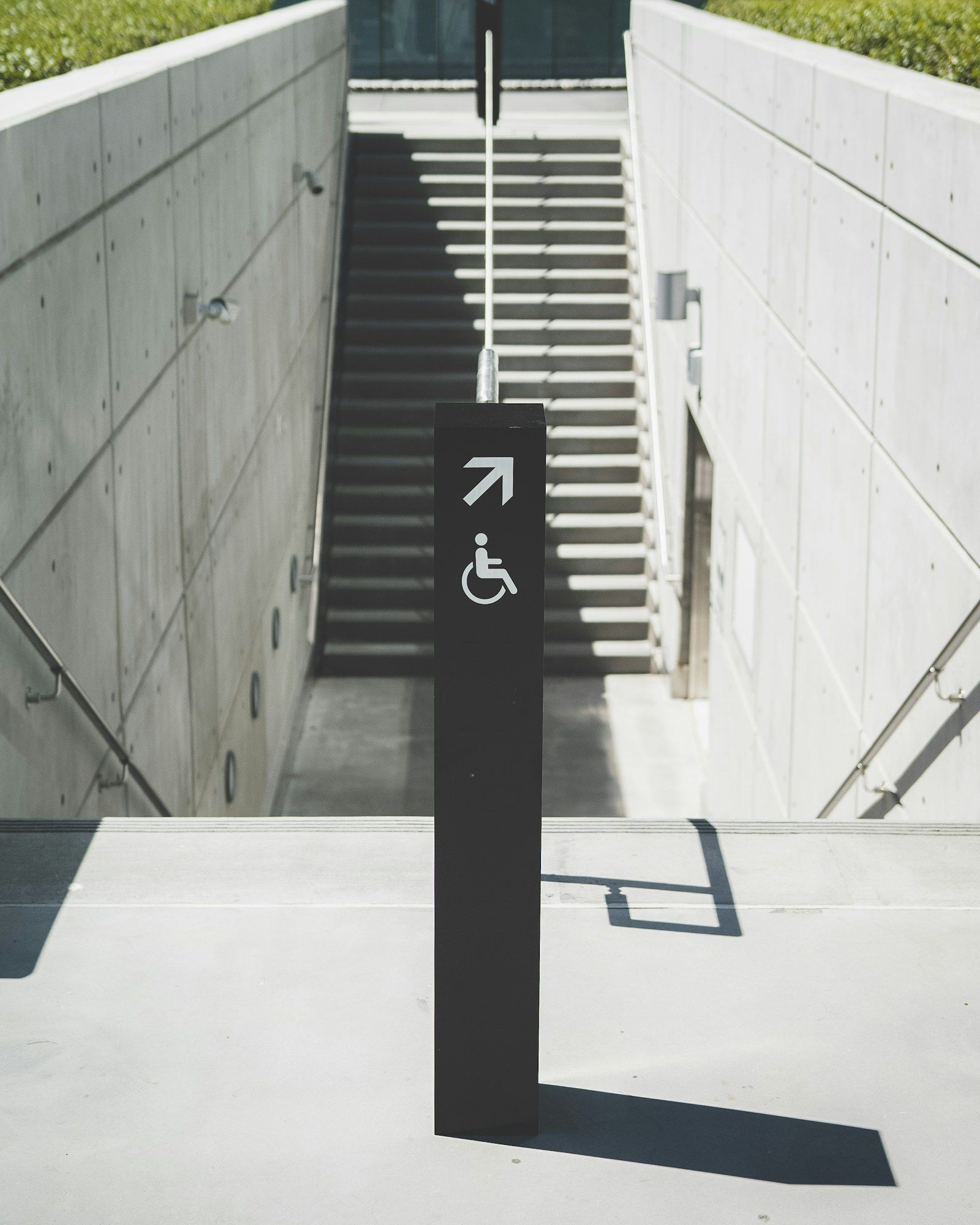
Photo by Joey Banks on Unsplash by Joey Banks Unsplash License
A practical access planning guide for productions and hosts documenting real routes, bathrooms, ramps, holding and limitations before booking.
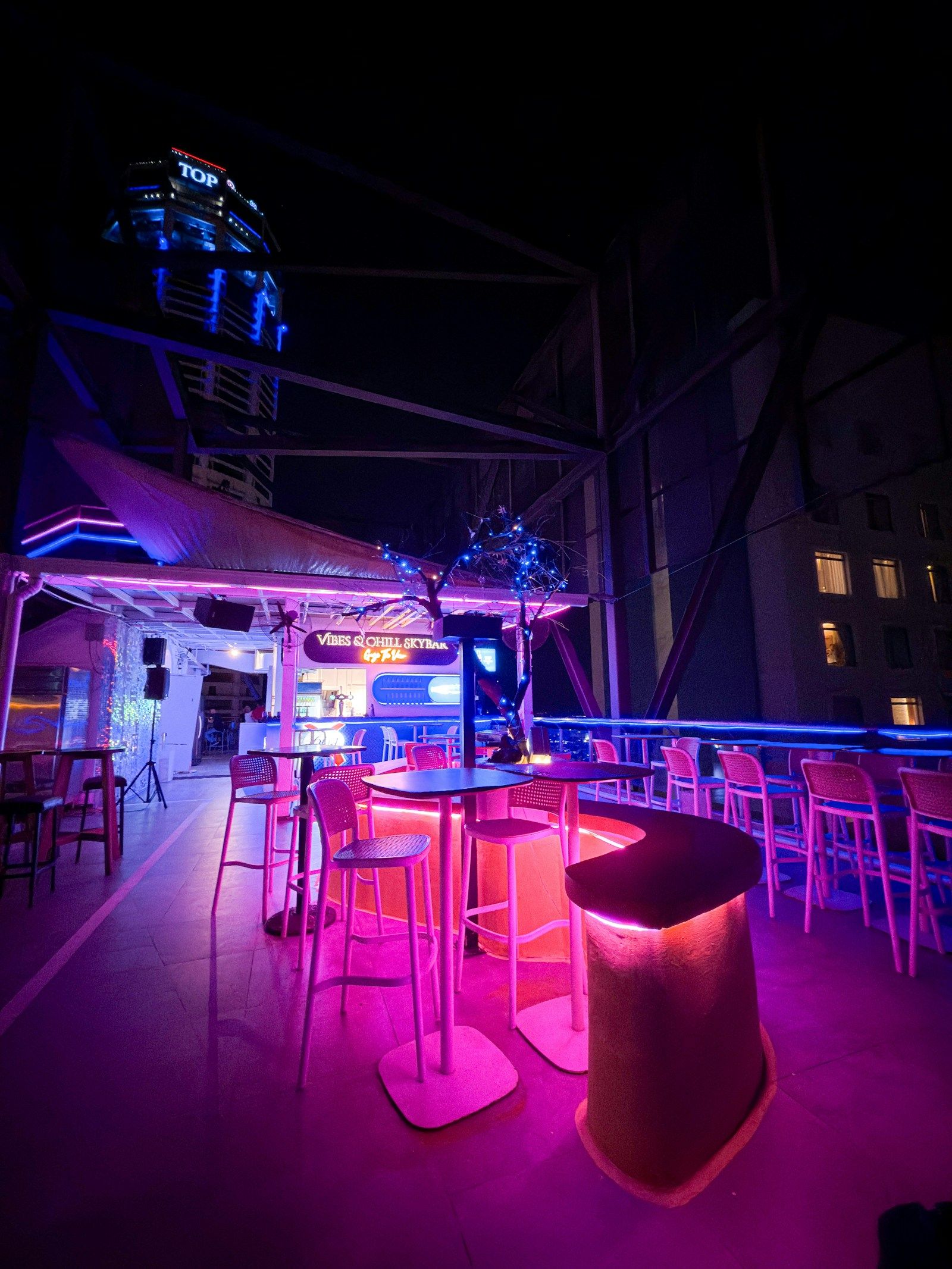
Photo by Ryan Liu on Unsplash by Ryan Liu Unsplash License
How productions should prepare bar, club and nightclub locations for music videos, fashion, commercials and nightlife content.
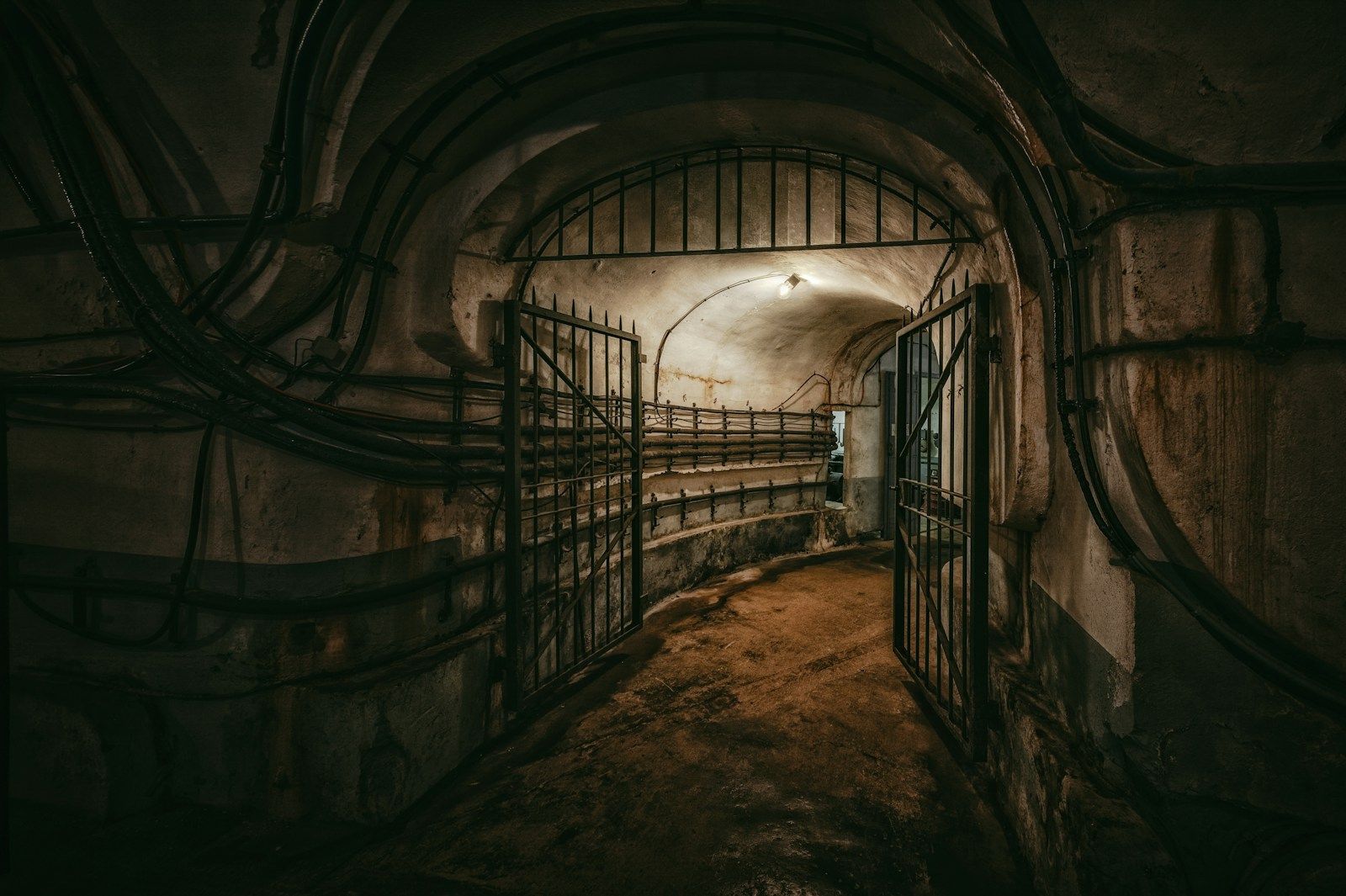
Photo by Peter Herrmann on Unsplash by Peter Herrmann Unsplash License
How productions should assess bunker, lost-place and special-motif locations without creating legal or safety risk.
